
VISUAL ARCHIVE / IMAGE STORY
Six Thousand Five Hundred Ninety-Four Comparisons
A catalog of solar twins supports population analysis, not a family reunion.
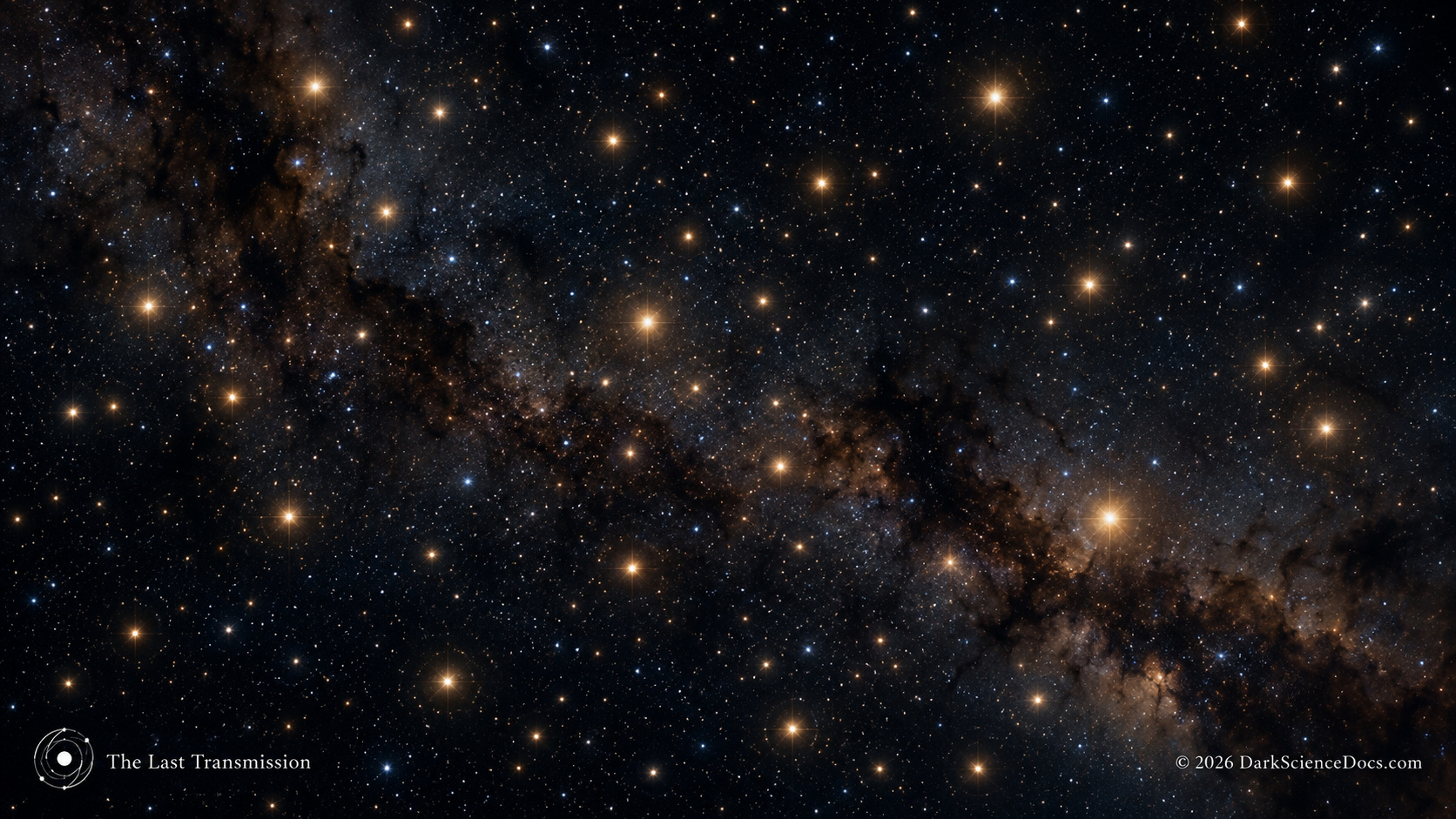
Sun-like stars offer a way to investigate our galaxy’s past. The 6,594 cataloged solar twins are not confirmed siblings of the Sun. This is a conceptual star field, not a survey map. AI-generated illustration.
THE OBSERVATION
What we can actually see.
Researchers selected 6,594 nearby stars resembling the Sun from Gaia DR3 spectroscopic data and analyzed their ages. Similar atmospheric properties do not establish that those stars formed together in the same cloud.
THE ILLUSTRATION
What the artwork imagines.
The surrounding stars are arranged like lost siblings for storytelling. Their placement is not a sky chart or three-dimensional survey map, and the picture does not identify the Sun’s true birth companions.
FROM THE ILLUSTRATED ARTICLE
The story that inspired it.
The article examines a proposed migration of the Sun through the Milky Way using stellar ages, chemistry, and motion. A catalog of solar twins supports population analysis, not a family reunion.
Read The Sun’s 10,000-Light-Year Journey May Have Changed Earth’s FateCHECK THE RECORD
The image interprets the research below. Follow the original work for the measurements and limits behind the scene.
NAOJ: solar twins and migrationOTHER IMAGE STORIES
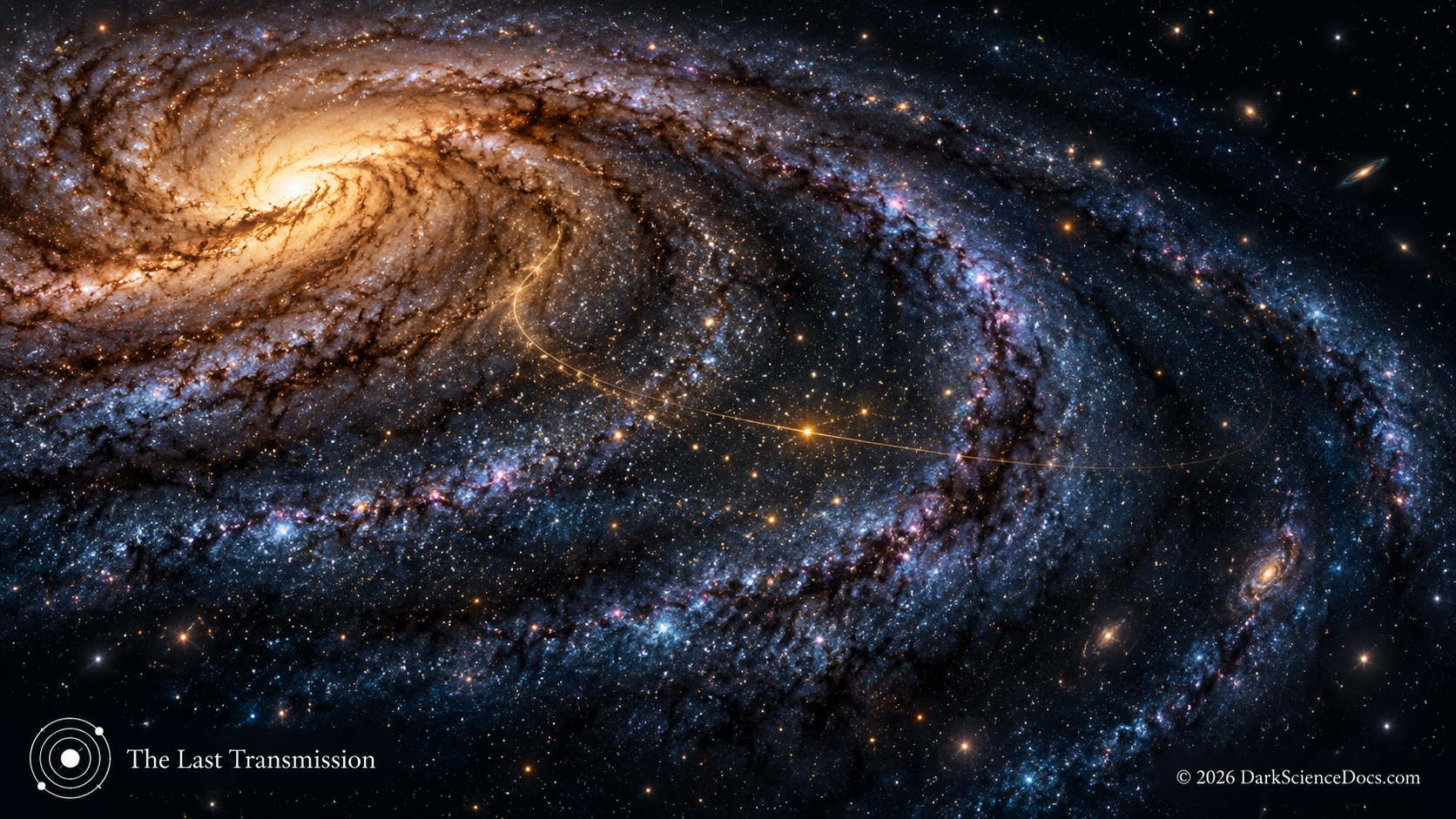 The Sun's Unmapped Journey
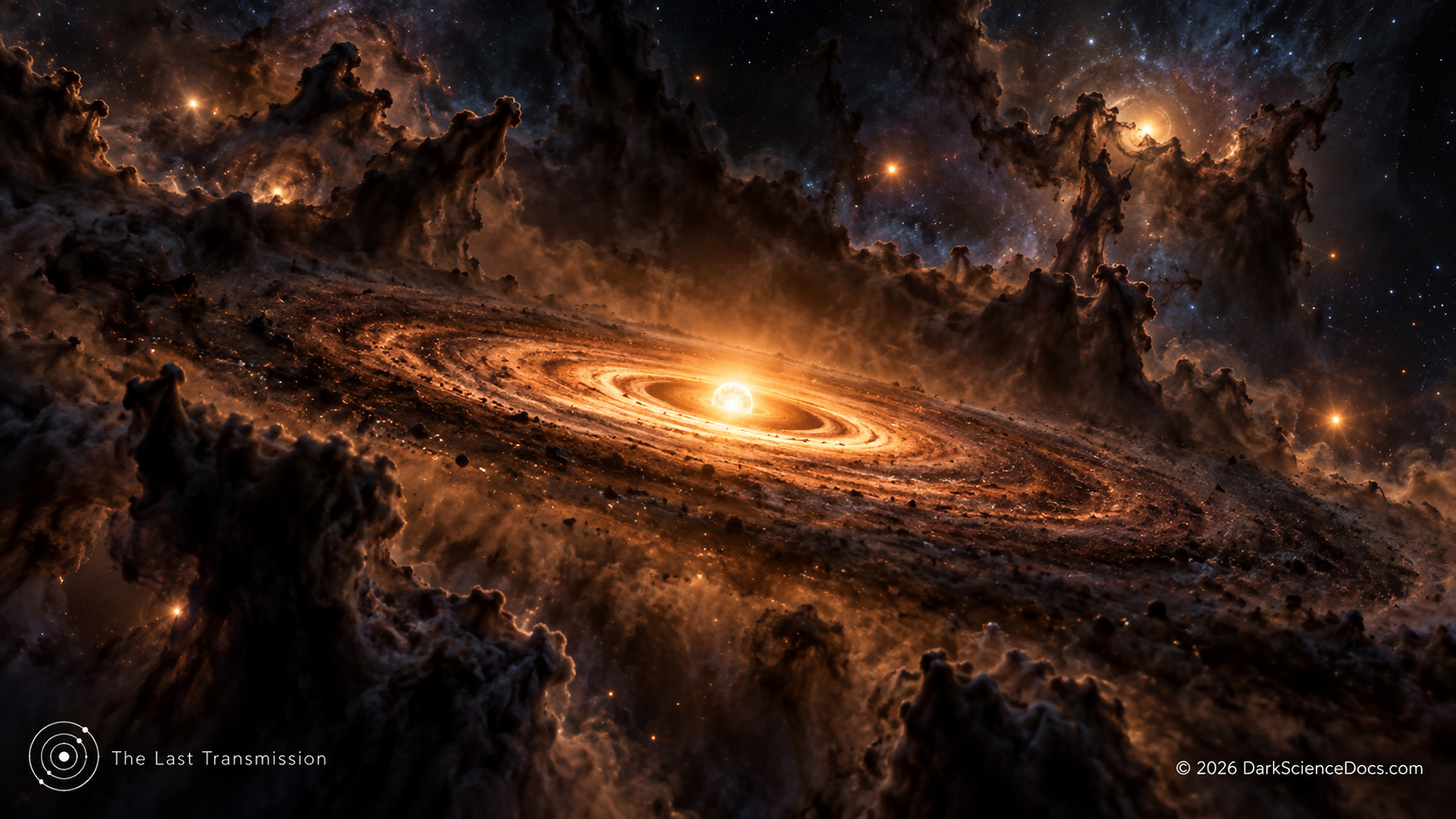 The Sun’s Unlocated Birth Cloud
 The Mark Shared by Titan and Pluto