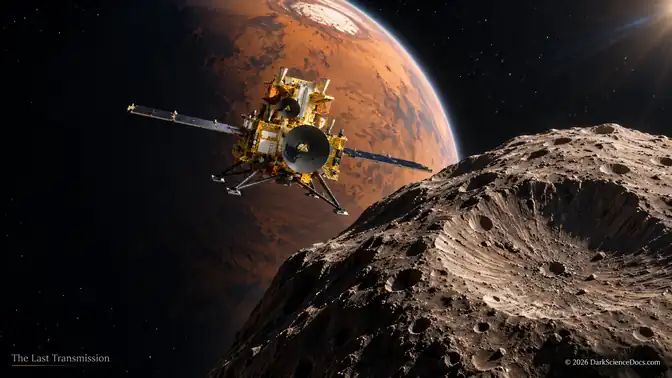
EVIDENCE FILE 29 / PHOBOS
Can Phobos Preserve Pieces of Mars?
Impact models predict Martian fragments in Phobos dust. Provenance, sampling context and laboratory controls are needed to turn that possibility into evidence.
Read the evidence THE LAST TRANSMISSIONStories from the Edge of Science
THE EVIDENCE FILES / 01—29
Follow the instrument, the inference, and the question that remains. 29 original guides through the science behind our investigations.
FIELD GUIDE / BLACK HOLES
Learn what an event horizon means, follow the difference between two falling clocks, and compare tidal forces around stellar and supermassive black holes. Original diagrams and a mass comparison connect the science to the Atlas.
Open the Black Holes Field Guide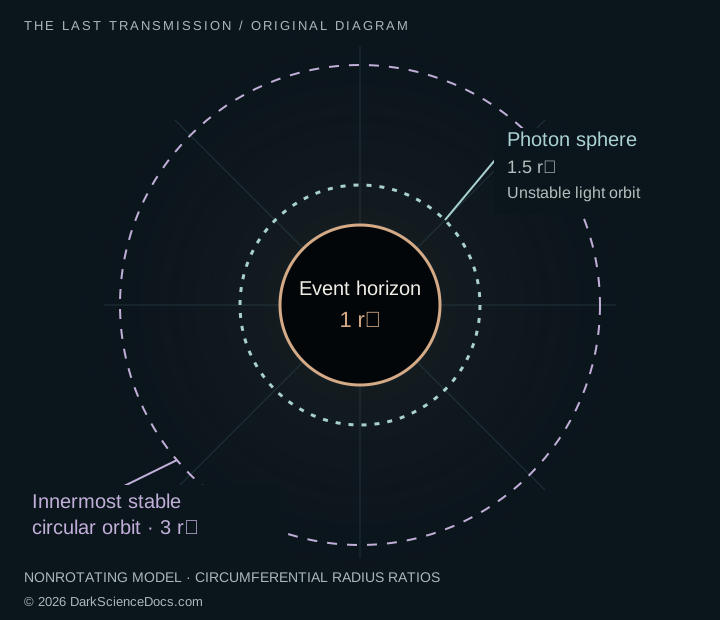
FIELD GUIDE / OCEANS BEYOND EARTH
Compare Europa’s magnetic response, Enceladus’s sampled spray, and Pluto’s competing interior models. Follow the measurements into the hidden-ocean question, the search for habitable conditions, and the Atlas.
Open Oceans Beyond Earth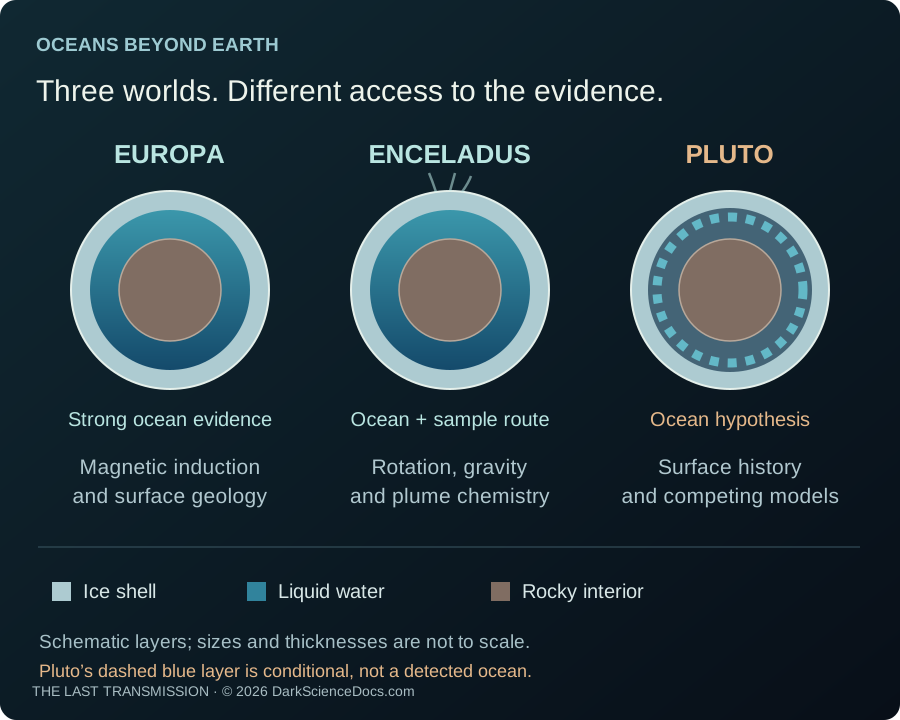
FIELD GUIDE / HOW STARS DIE
Follow single stars and interacting companions into white dwarfs, neutron stars and black holes. Compare the physics of the endings with the observations that let us reconstruct a stellar life.
Open How Stars Die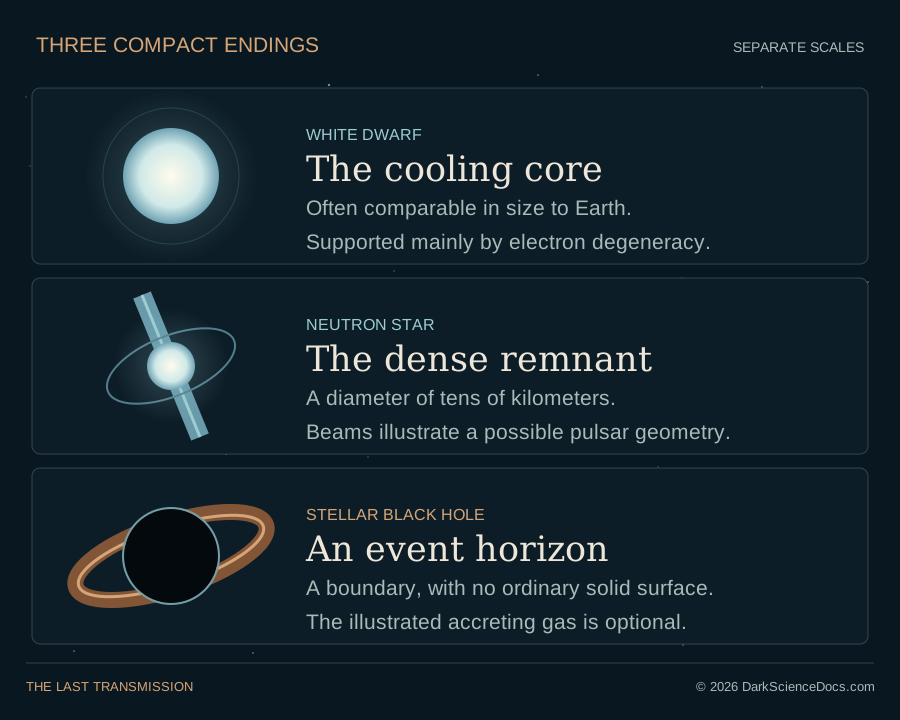
FROM THE ILLUSTRATED ARCHIVE
EVIDENCE FILE 29 / PHOBOS
Impact models predict Martian fragments in Phobos dust. Provenance, sampling context and laboratory controls are needed to turn that possibility into evidence.
Read the evidence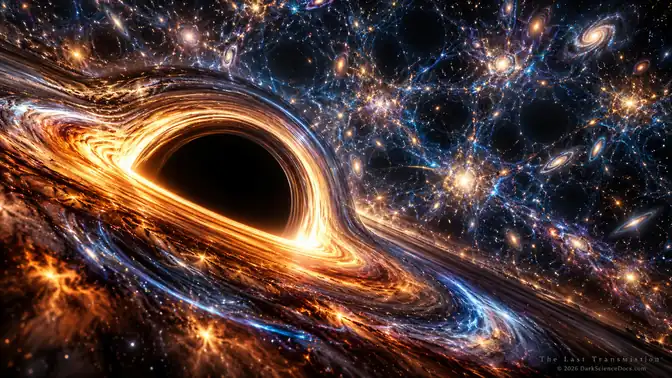
EVIDENCE FILE 26 / DARK ENERGY
A proposed link between black-hole growth and cosmic expansion connects stellar remnants with dark energy. The question is whether that model survives independent observations and competing accounts of black-hole growth.
Read the evidence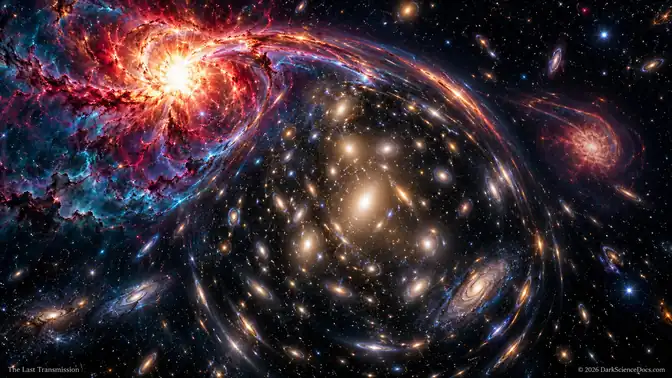
EVIDENCE FILE 27 / GRAVITATIONAL LENSING
A foreground cluster can send the light of one supernova toward Earth along several routes. Comparing their arrival times turns a repeated appearance into a test of the lens and cosmic distances.
Read the evidence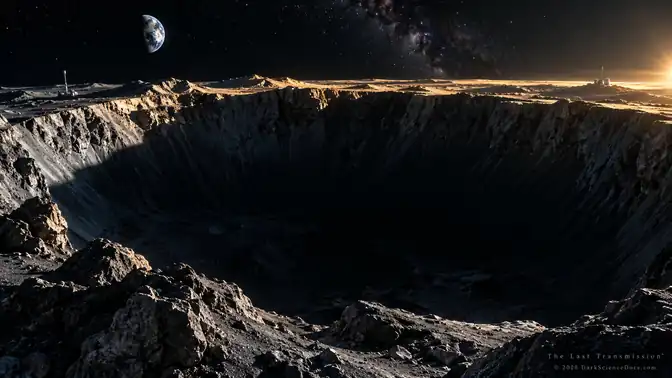
EVIDENCE FILE 28 / LUNAR SOUTH POLE
Sunlit ridges and deeply shadowed crater floors make the lunar south pole scientifically valuable and operationally difficult. Evidence for ice is a starting point, rather than a proven inventory of usable fuel.
Read the evidence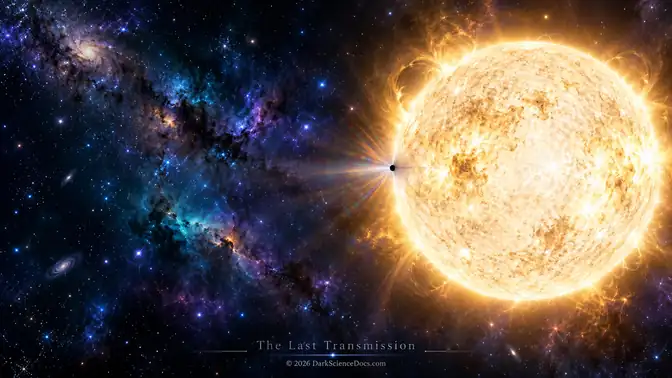
EVIDENCE FILE 25 / DOUBLE OPTICAL PULSES
Trace the paired optical disturbances from a measured light curve to a foreground hypothesis and a proposed synchronized-telescope test.
Read the evidence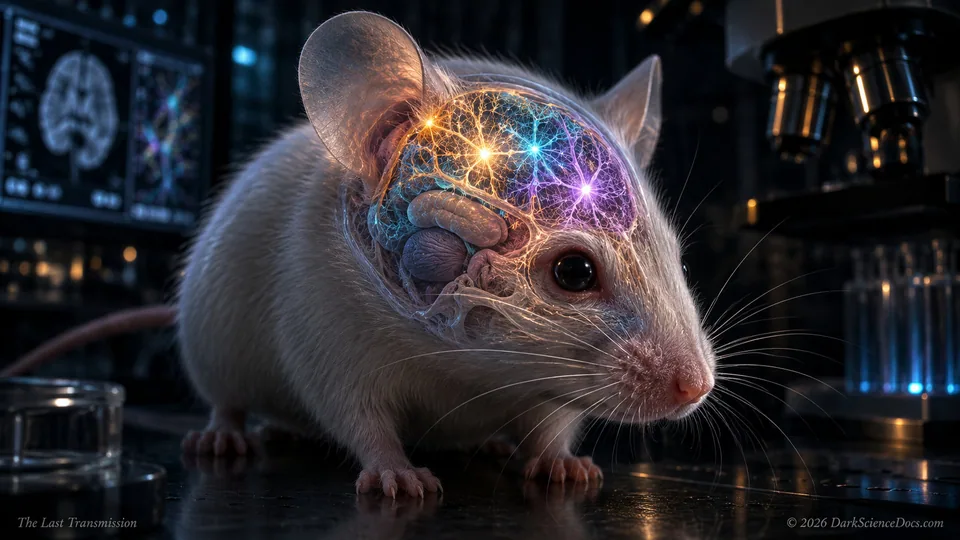
EVIDENCE FILE 19 / CORTICAL GRAFTS
Separate the developmental model, the cortical-volume denominator, neural integration and the limited behavioral inference in a human-organoid mouse experiment.
Read the evidence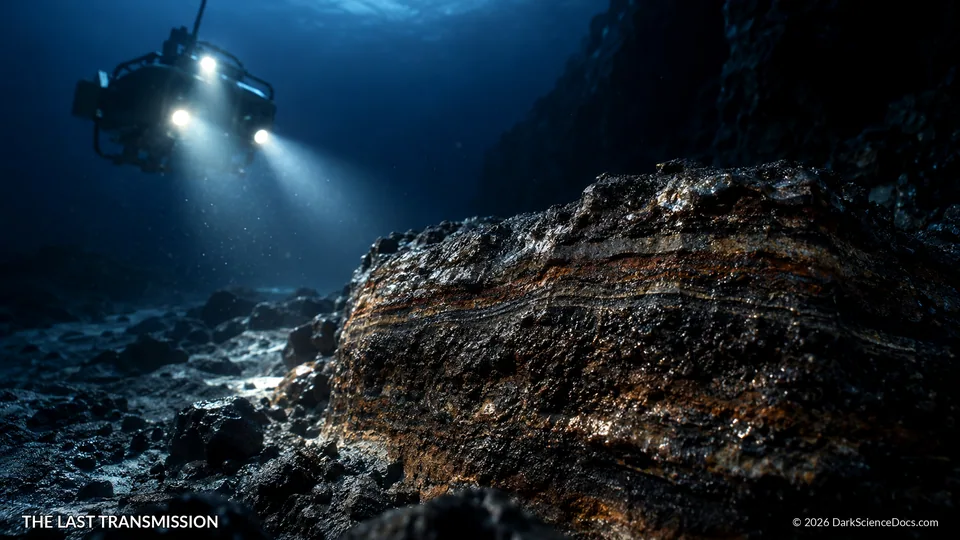
EVIDENCE FILE 20 / INTERSTELLAR ISOTOPES
Follow plutonium detection, a curium limit, unequal radioactive decay and crust uptake into a qualified age constraint for an unidentified r-process source.
Read the evidence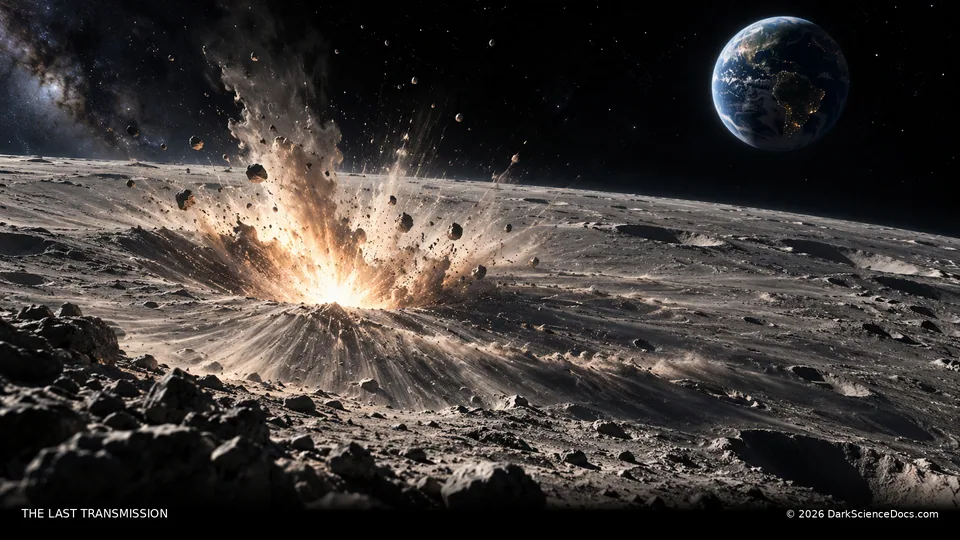
EVIDENCE FILE 21 / LUNAR IMPACTS
Separate McGetchin’s 222-meter crater, approximately seven-kilometer cold-spot diameter and localized optical effects roughly 140 kilometers away.
Read the evidence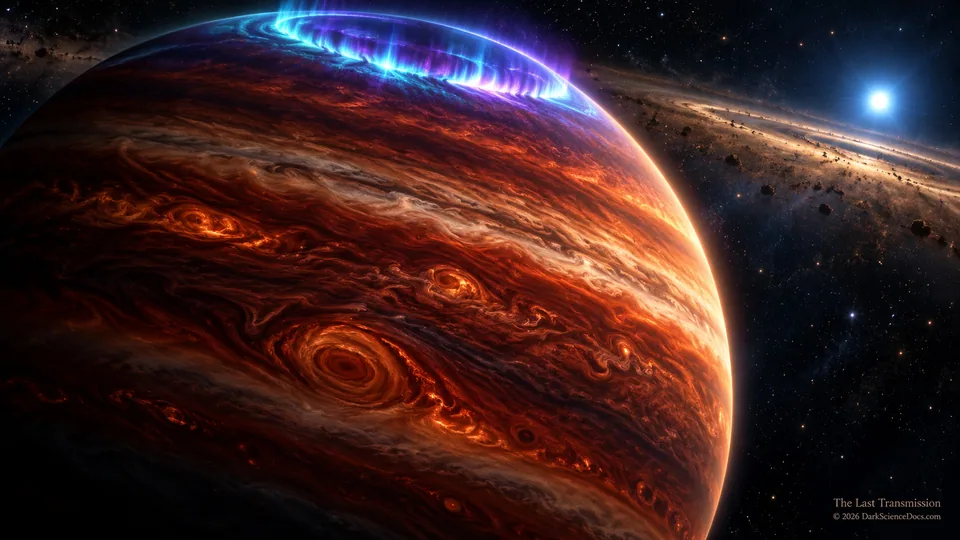
EVIDENCE FILE 22 / PLANETARY RADIO
Follow radio localization, interference tests and an emission model into a provisional planetary attribution and a conditional local magnetic-field bound.
Read the evidence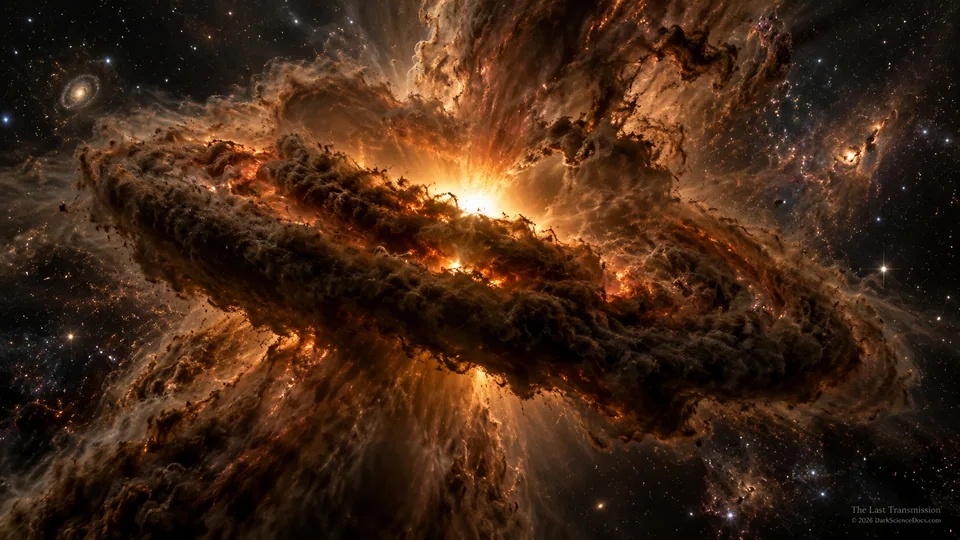
EVIDENCE FILE 23 / A REHEATING REMNANT
Trace Sakurai’s spectral features through expanding-atmosphere models into a reheating inference, keeping low-mass stellar evolution separate from a massive-star explosion.
Read the evidence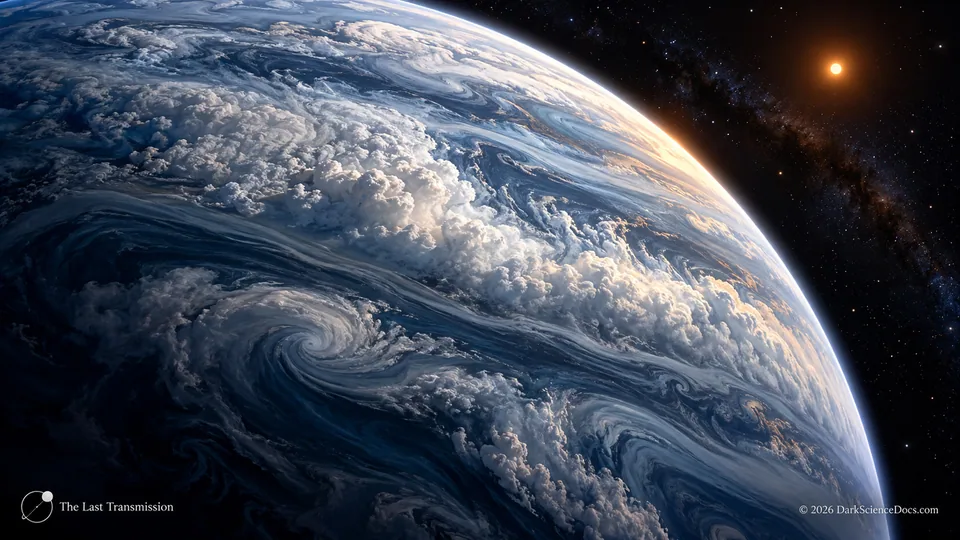
EVIDENCE FILE 24 / EXOPLANET CLOUDS
Compare infrared photometry, an ammonia feature and atmospheric alternatives in a cold giant whose spectrum challenges a cloud-free interpretation.
Read the evidence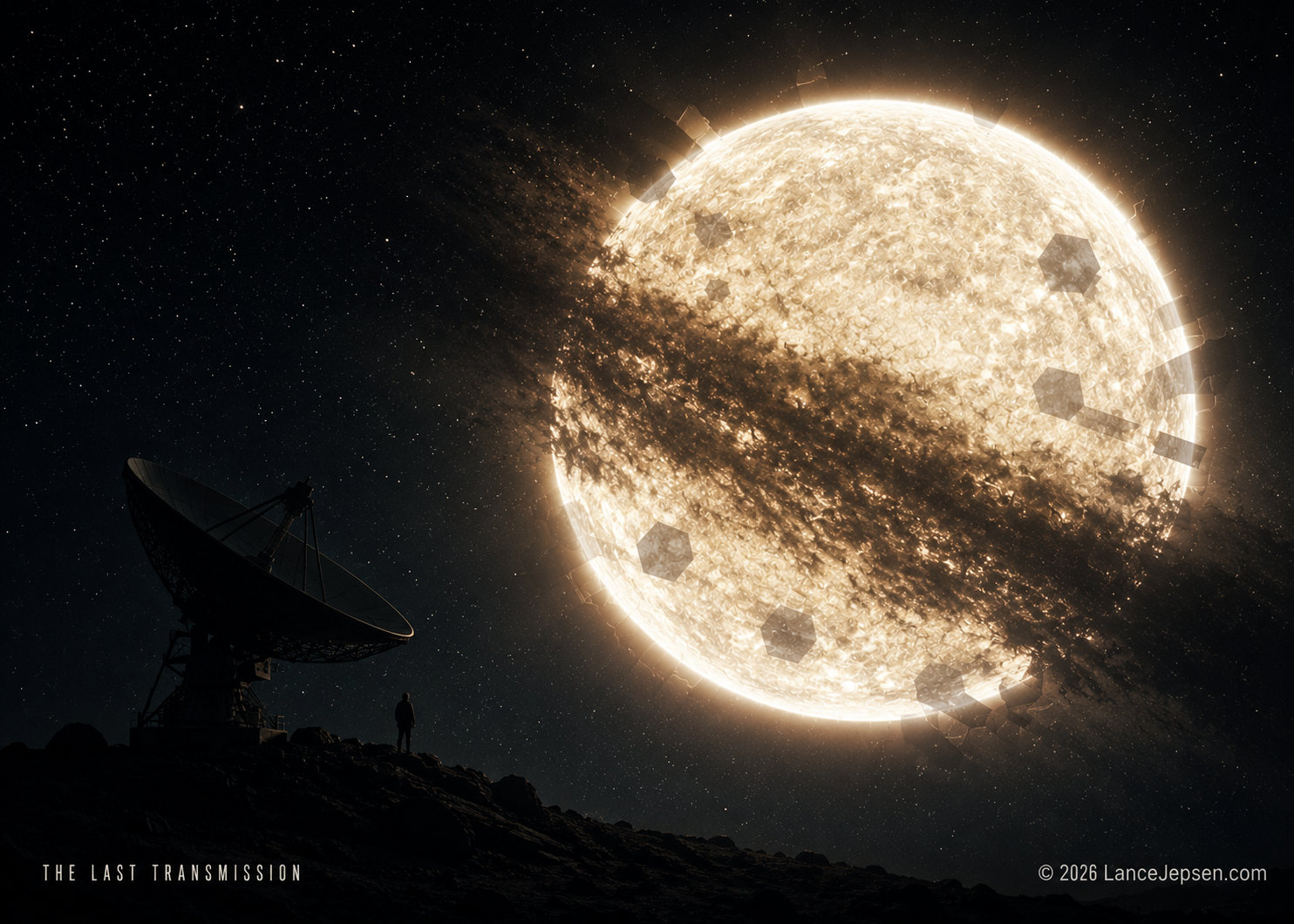
EVIDENCE FILE 18 / STELLAR LIGHT
Inspect actual Kepler samples from two dimming episodes, then follow the separate color measurements that helped test explanations for KIC 8462852.
Inside the Data →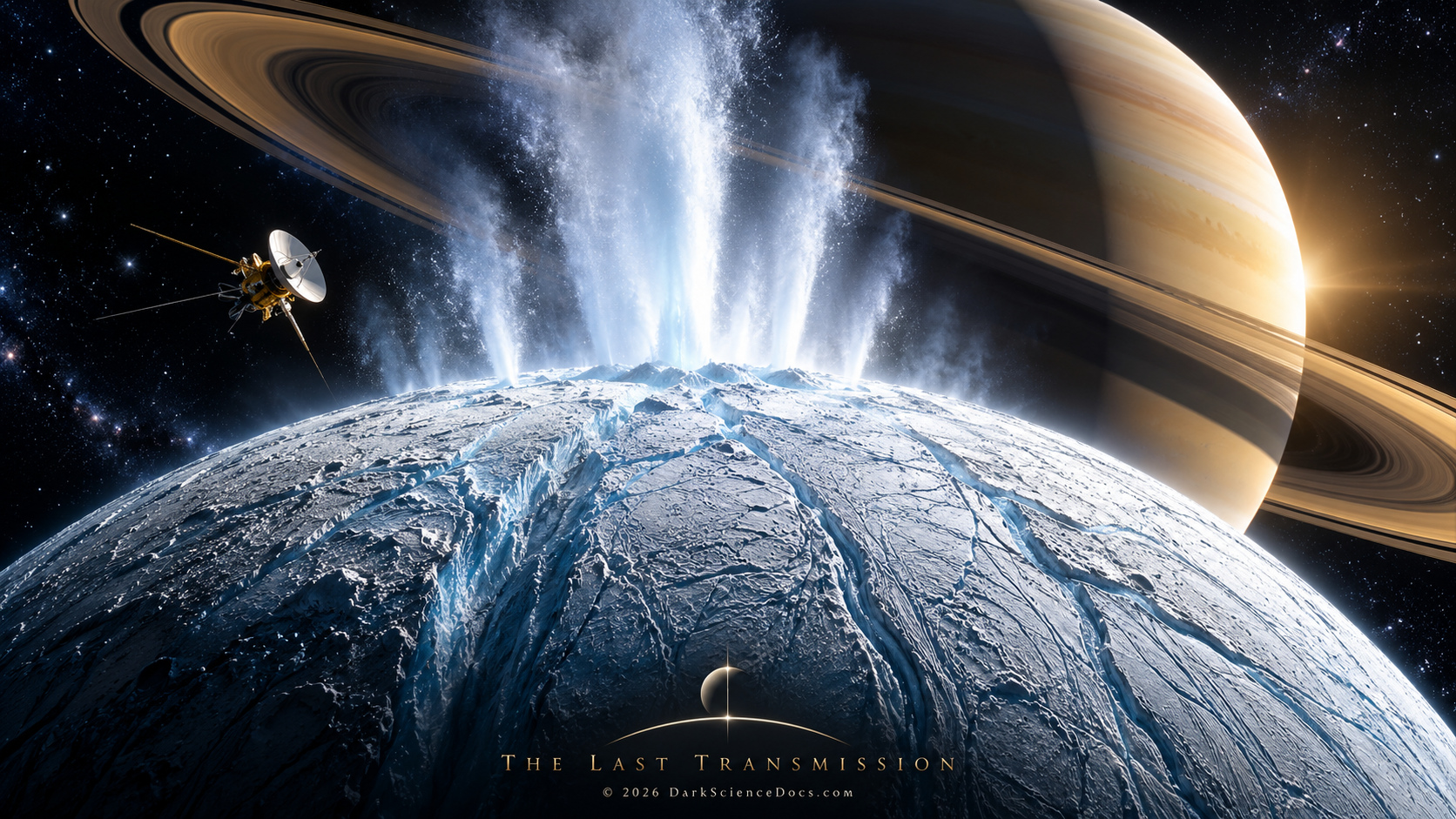
EVIDENCE FILE 13 / ENCELADUS OCEAN CHEMISTRY
Follow fresh plume grains into Cassini’s mass spectra, laboratory comparisons, and the distinction between an organic inventory and evidence of life.
Read the evidence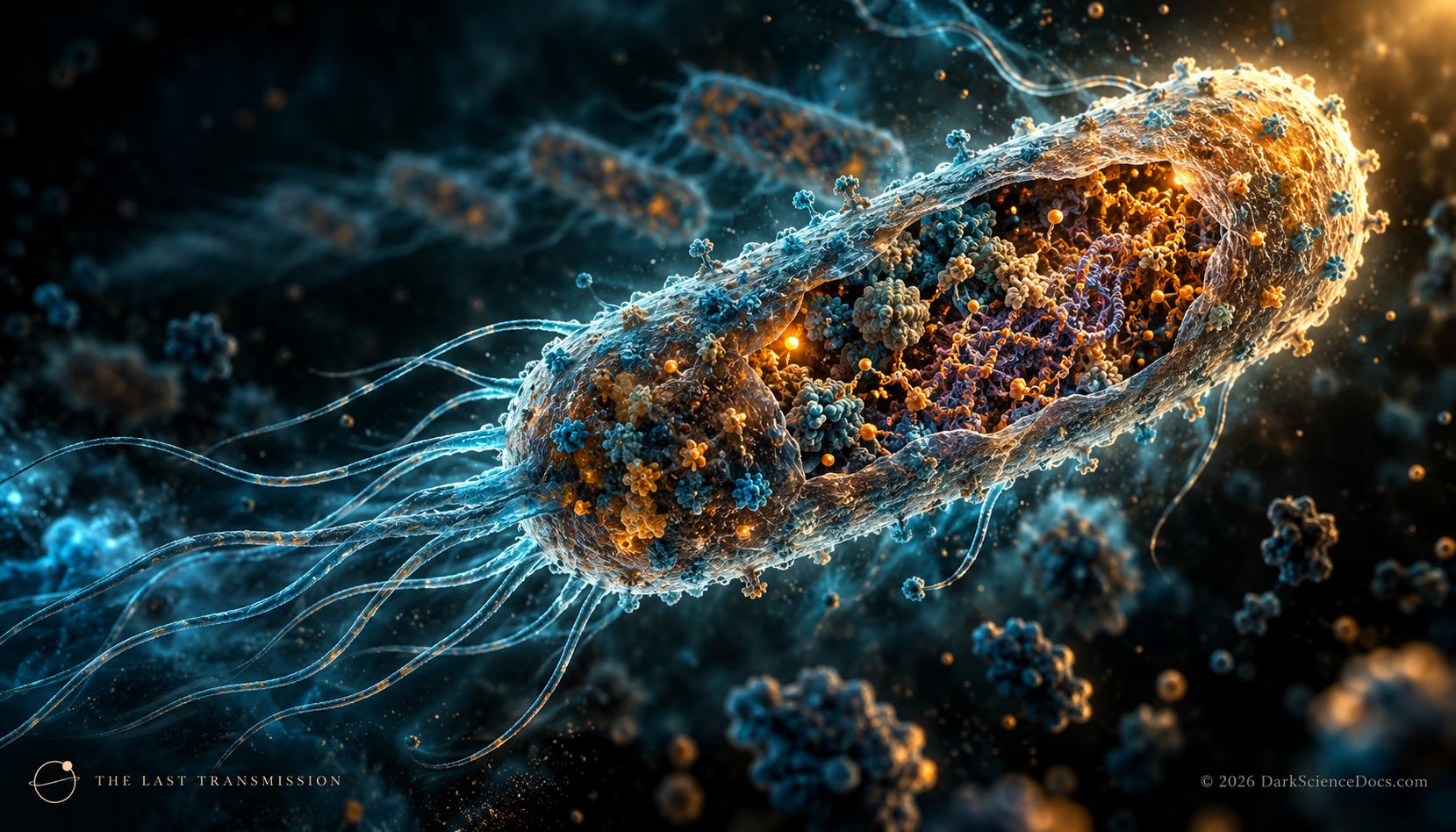
EVIDENCE FILE 14 / BACTERIAL MEMORY
Examine the E. coli iron-memory experiments through measured swarming delays, lineage tests, chemical interventions, and the boundary between retained state and conscious recollection.
Read the evidence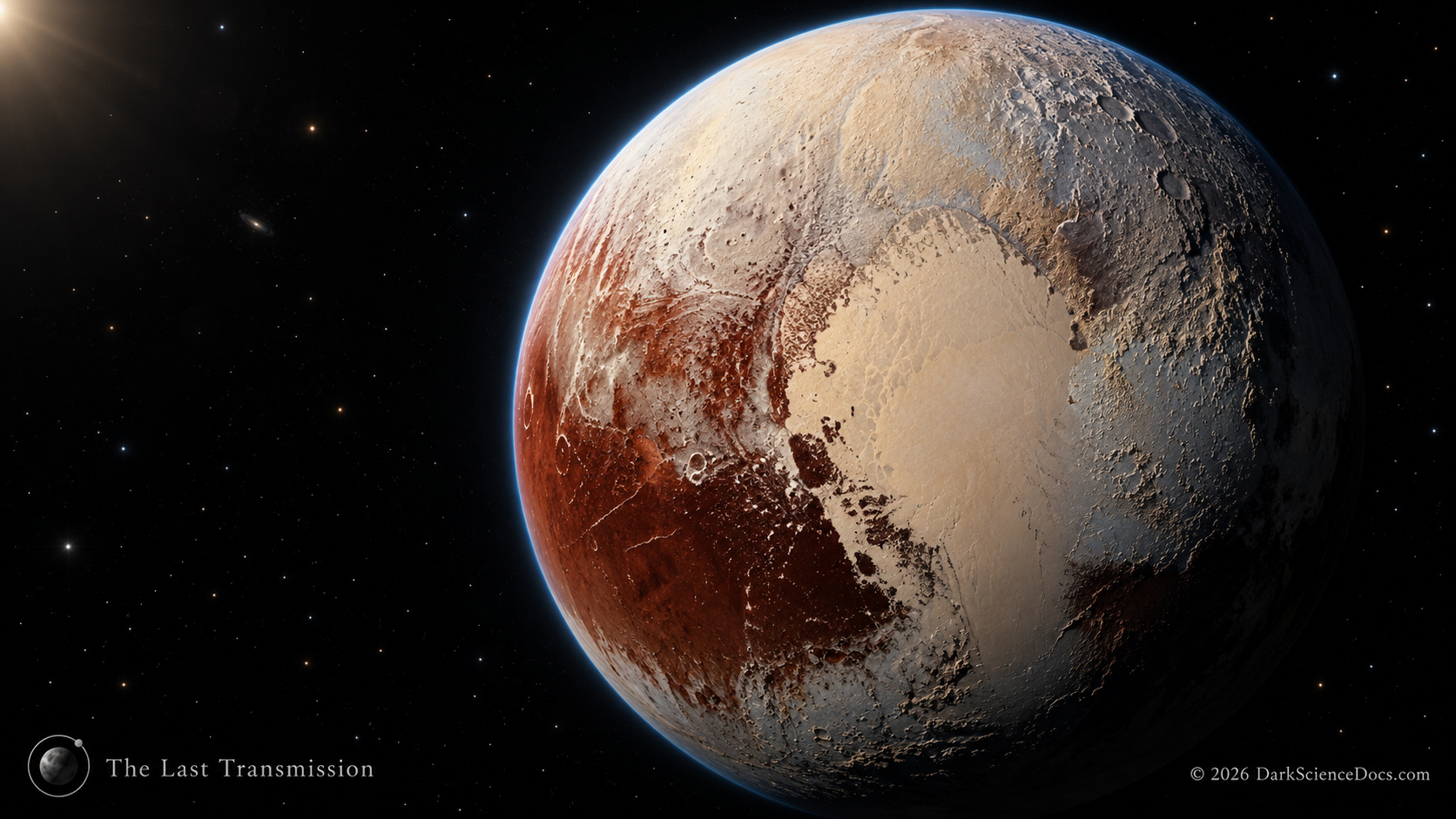
EVIDENCE FILE 15 / PLUTO’S UNRESOLVED INTERIOR
Separate Pluto’s renewing nitrogen ice from the liquid-water ocean hypothesis, then compare basin reorientation, surface extension, and an oceanless impact model.
Read the evidence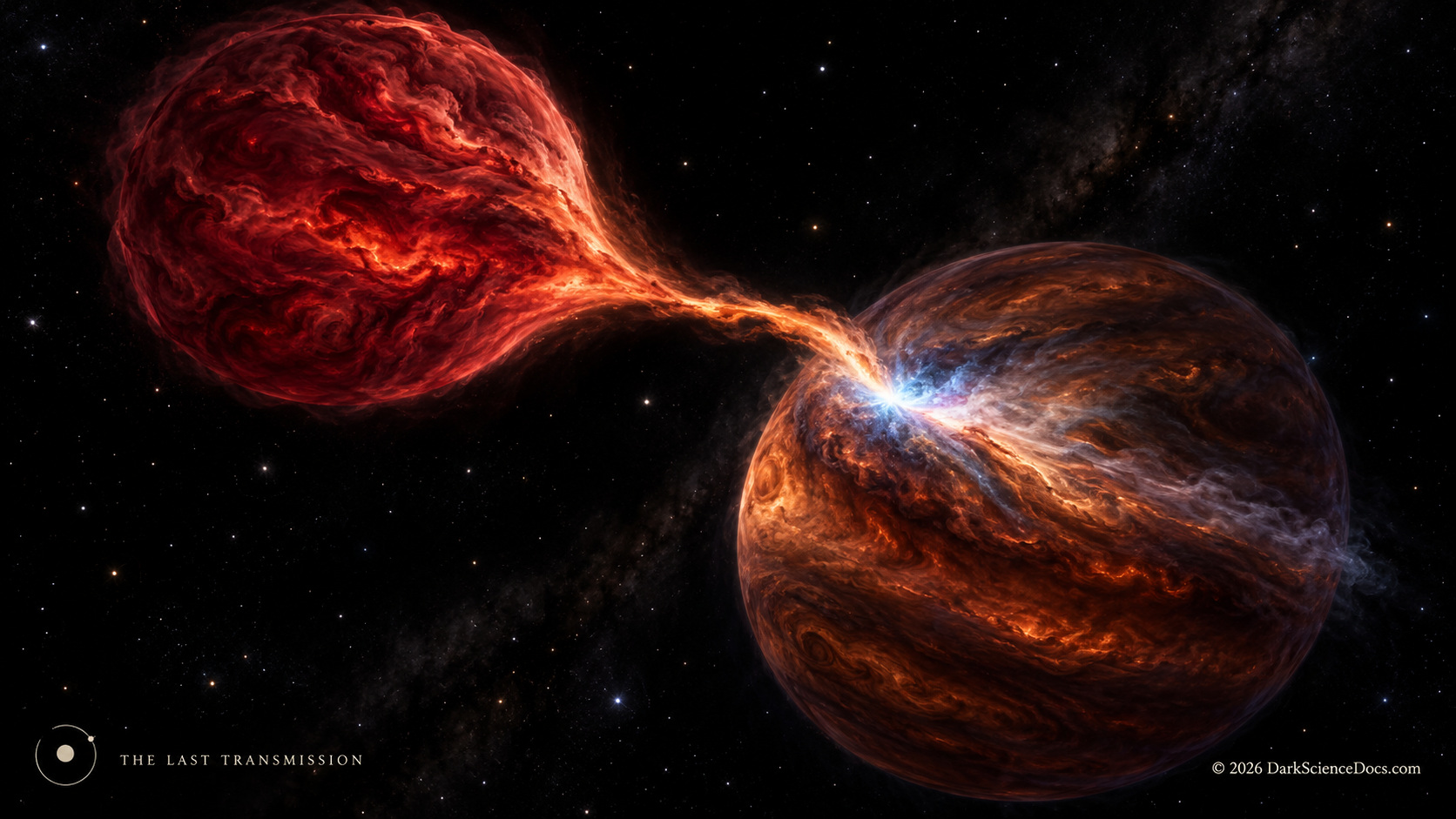
EVIDENCE FILE 16 / BROWN-DWARF MASS TRANSFER
Trace ZTF J1239+8347 from repeated brightness measurements through spectroscopy, distance, direct-impact accretion, and a future that remains a prediction.
Read the evidence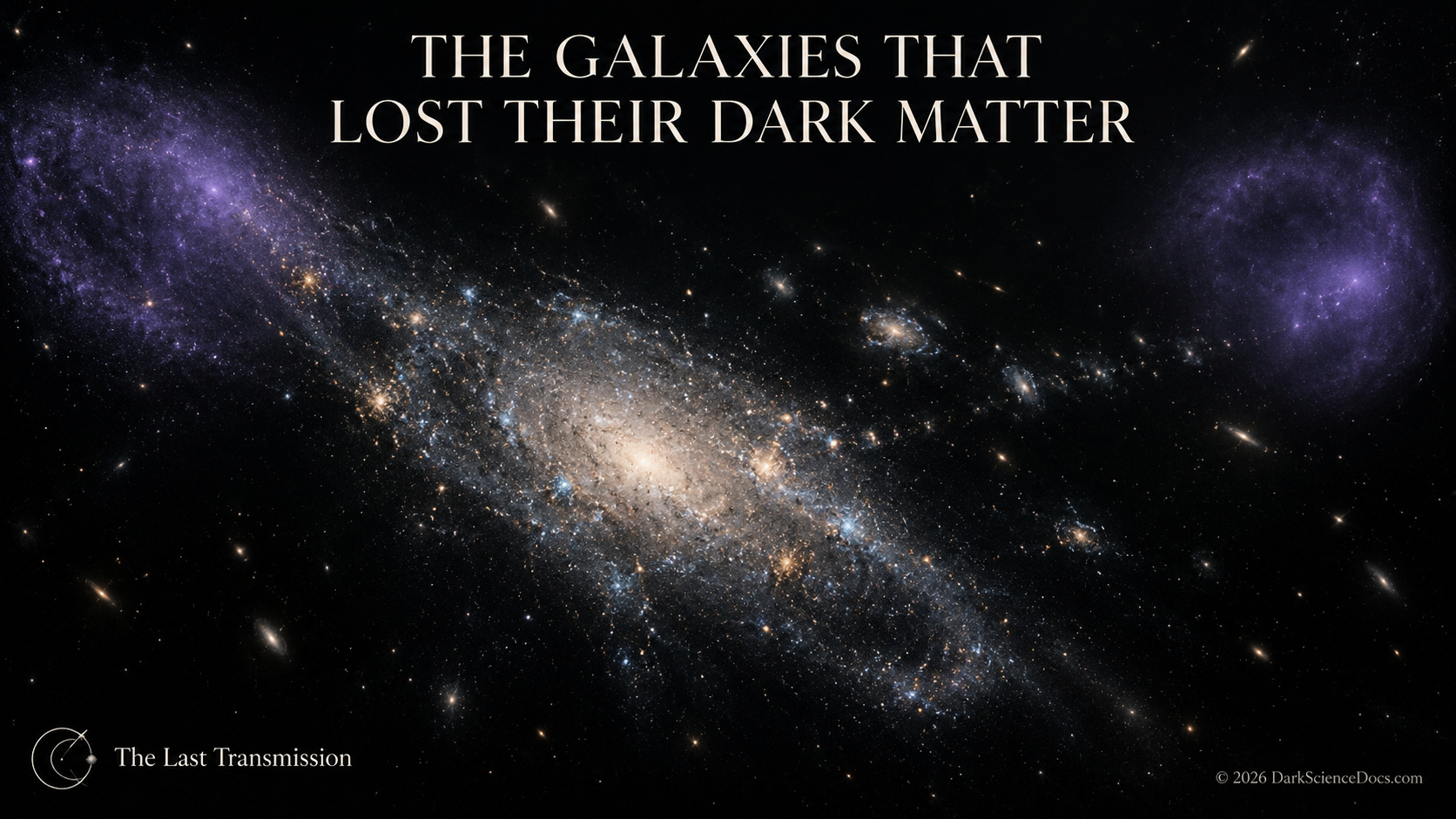
EVIDENCE FILE 17 / DARK-MATTER-DEFICIENT GALAXIES
Follow DF9’s stellar velocity dispersion into a mass inference, then compare the bullet-dwarf and tidal-origin explanations for the NGC 1052 trail.
Read the evidence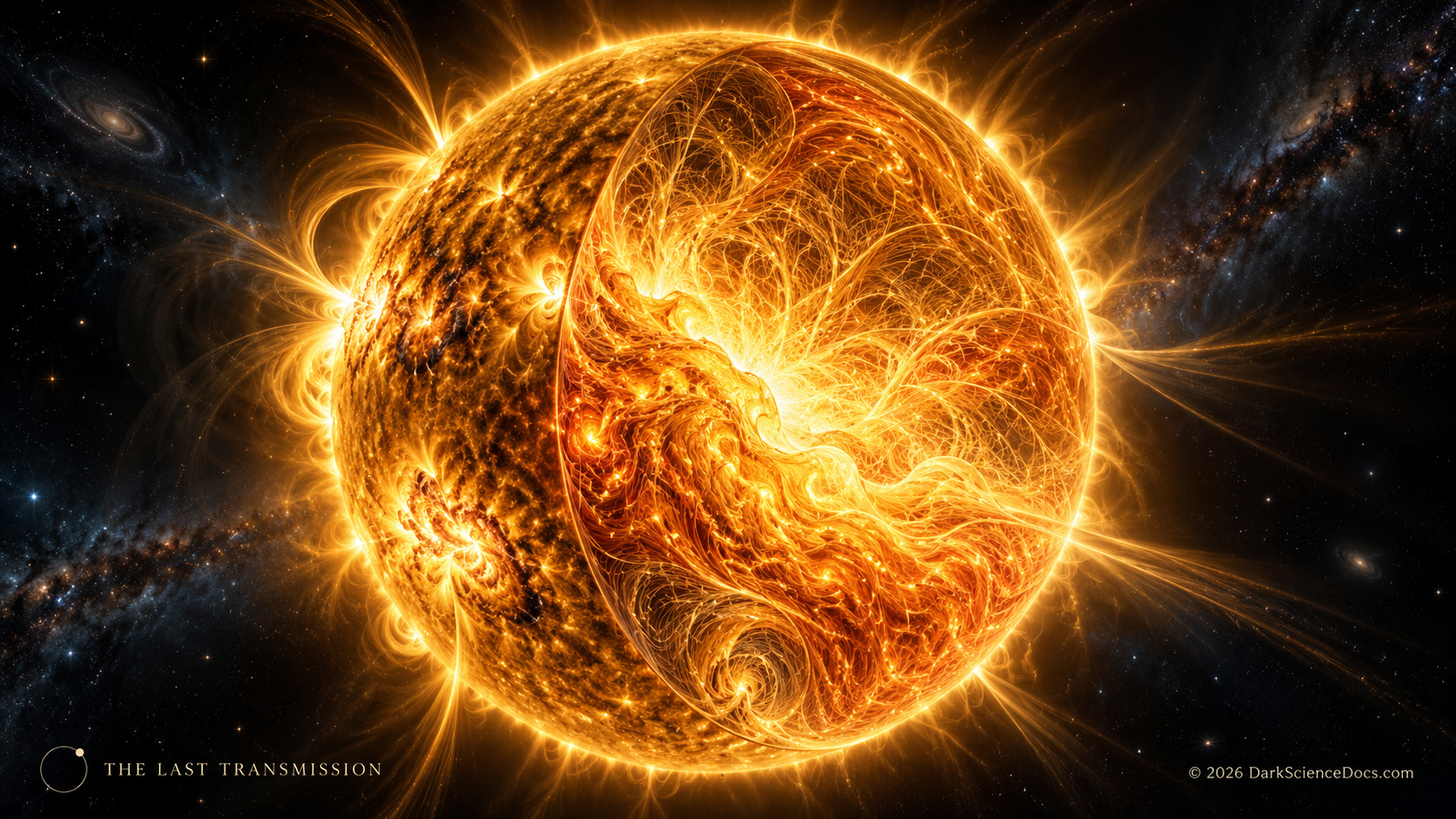
EVIDENCE FILE 12 / STELLAR LIFE CYCLES
Read the evidence behind stellar evolution: measured starlight, cluster ages, binary companions, and the remnants of collapse. Follow the observations into the models, then explore stellar fates and black-hole gravity in 3D.
Read the evidence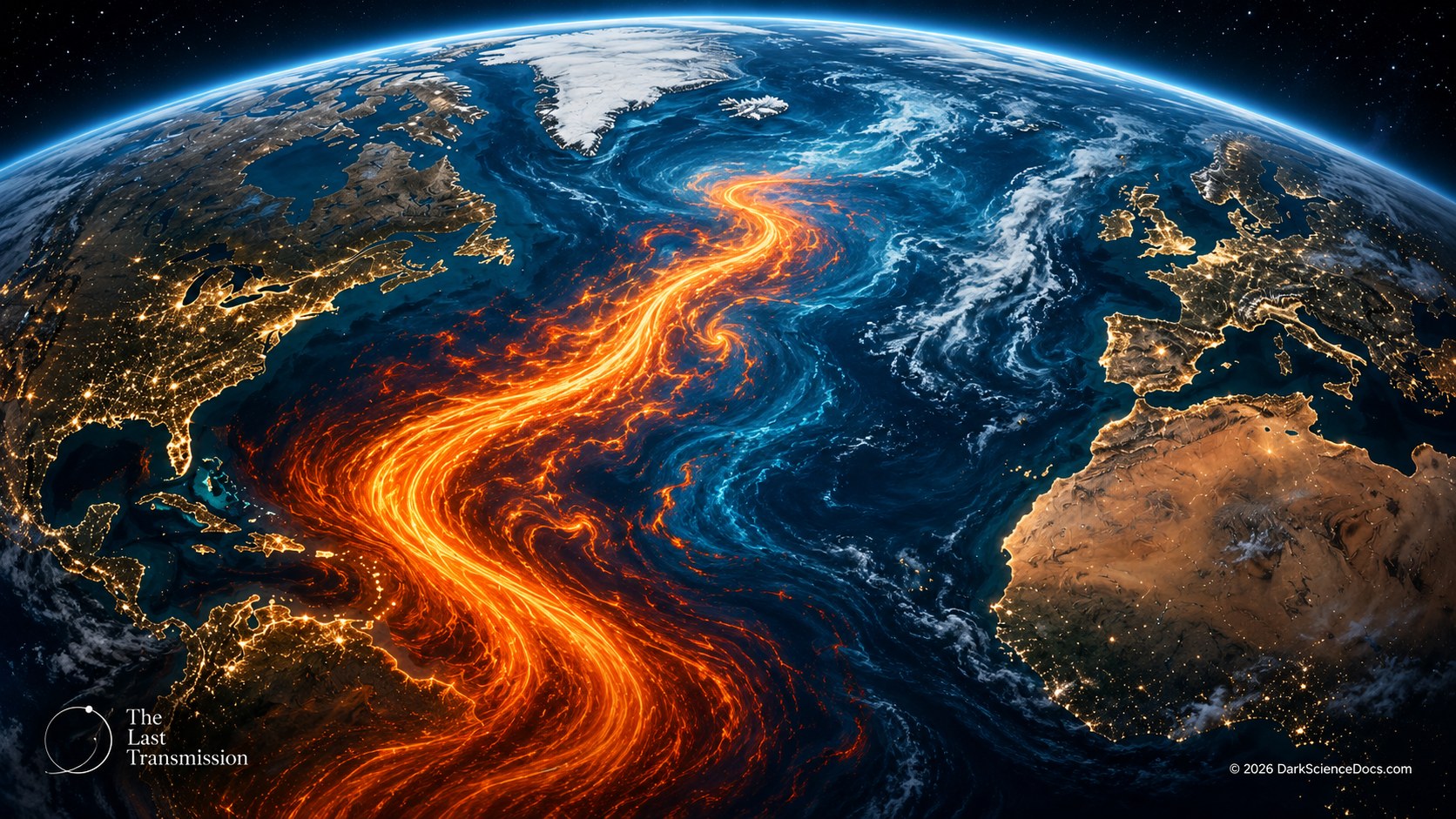
EVIDENCE FILE 11 / ATLANTIC OVERTURNING
Follow the RAPID measurements, the sensitivity of estimated trends, and the distinction between observed weakening and projected collapse of the Atlantic overturning circulation.
Read the evidence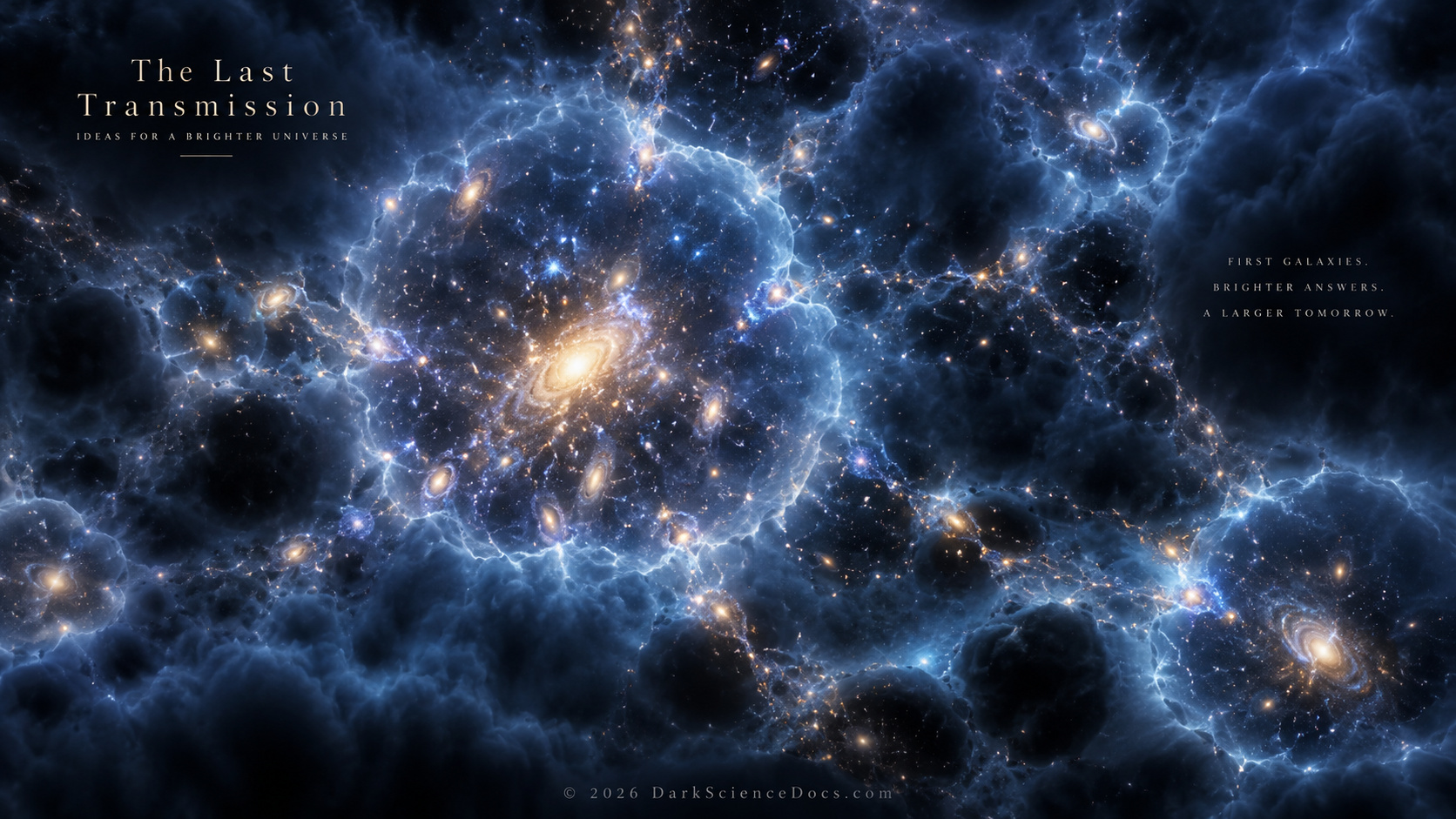
EVIDENCE FILE 06 / COSMIC DAWN
Lyman-alpha visibility depends on neutral hydrogen, the galaxy's own emission, dust, and the viewing direction. THESAN models the journey; spectra provide the check.
Read the evidence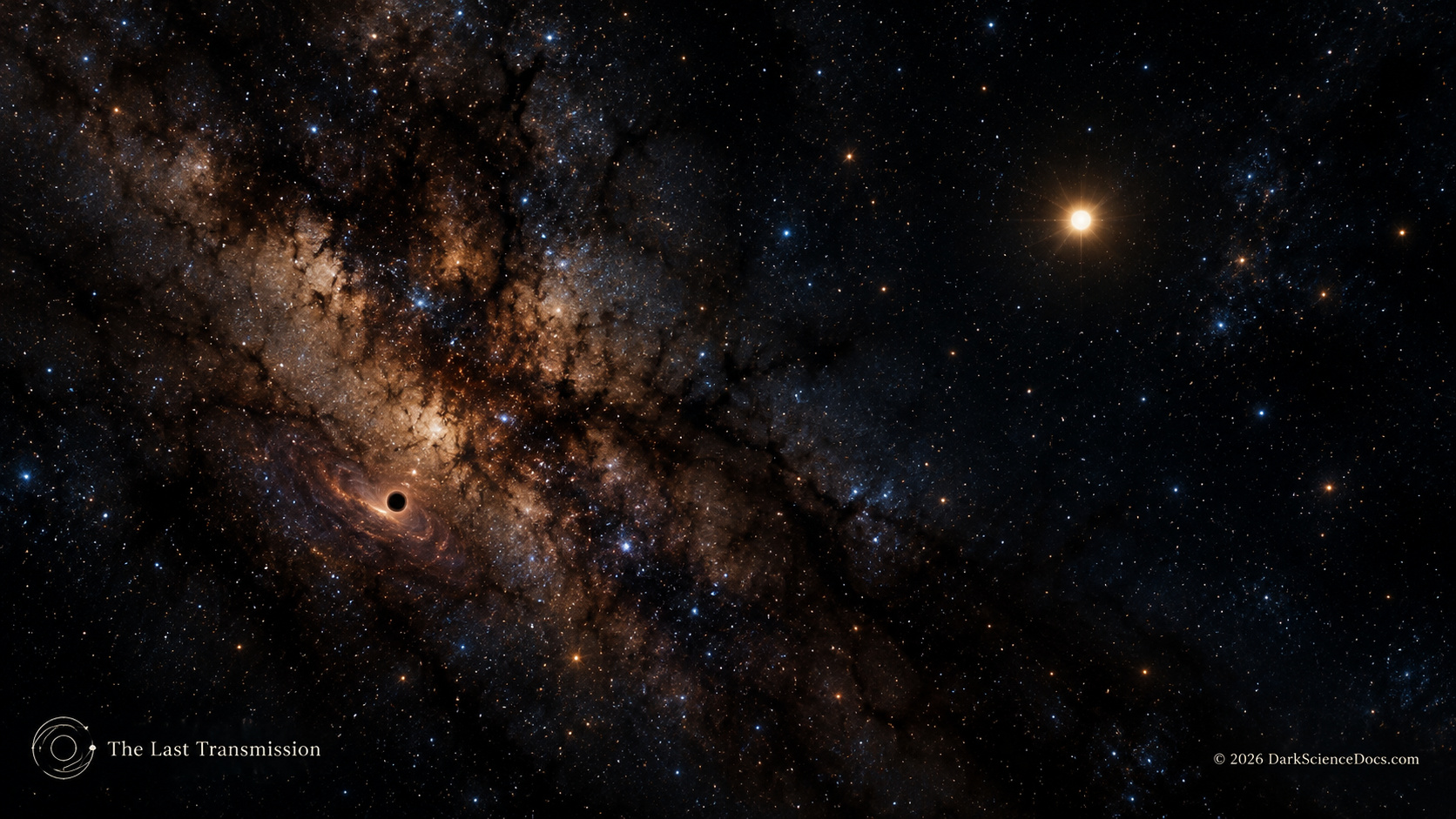
EVIDENCE FILE 07 / GALACTIC CENTER
GRAVITY tracked S301 and fit an 8.7-year orbit. The subtle spin-related change remains a forecast that future astrometry and spectroscopy must separate from other pulls.
Read the evidence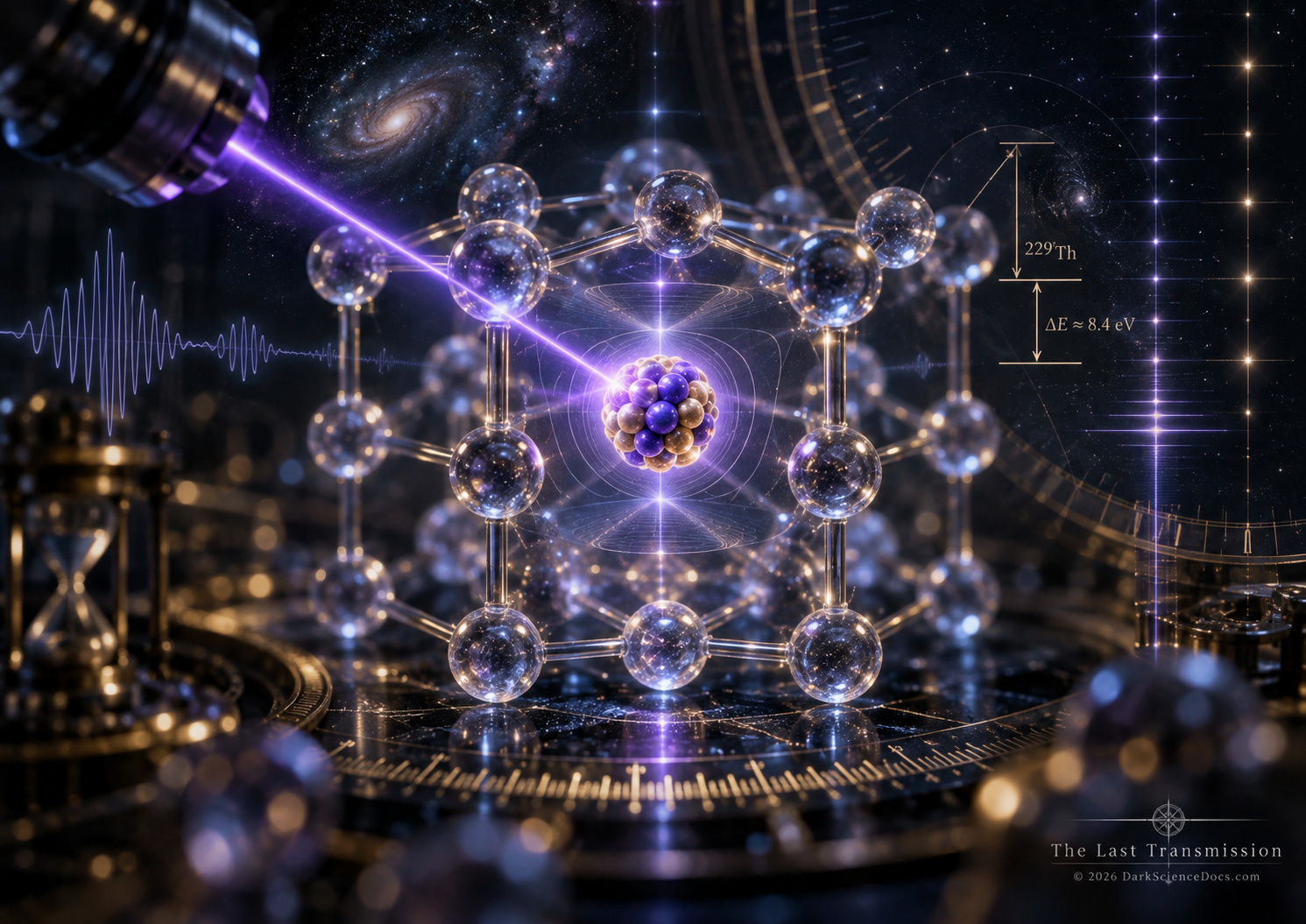
EVIDENCE FILE 08 / PRECISION TIME
A laser locked to thorium-229's 148-nanometer transition is compared with an ion clock. The feedback loop runs; a future record-setting clock remains an engineering challenge.
Read the evidence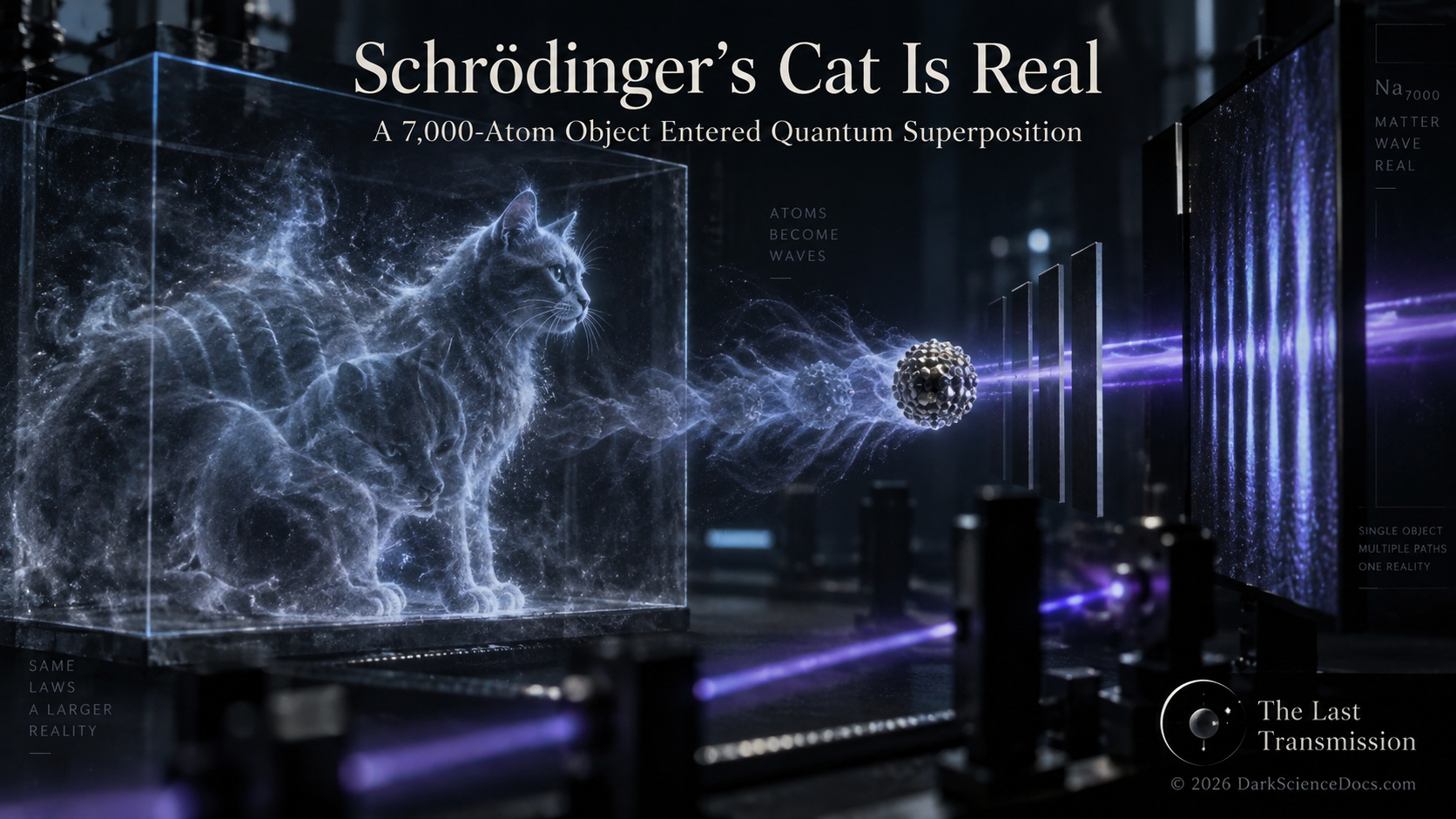
EVIDENCE FILE 09 / QUANTUM MATTER
The measured fringe contrast changes with grating laser power as the quantum model predicts. A stripe alone would not distinguish wave interference from a classical shadow.
Read the evidence
EVIDENCE FILE 10 / IMPACT LIFE
Hapcheon core samples reveal post-impact stromatolites and chemical signs consistent with hot-water circulation. They do not show that an impact created life.
Read the evidenceTHE ORIGINAL FILES
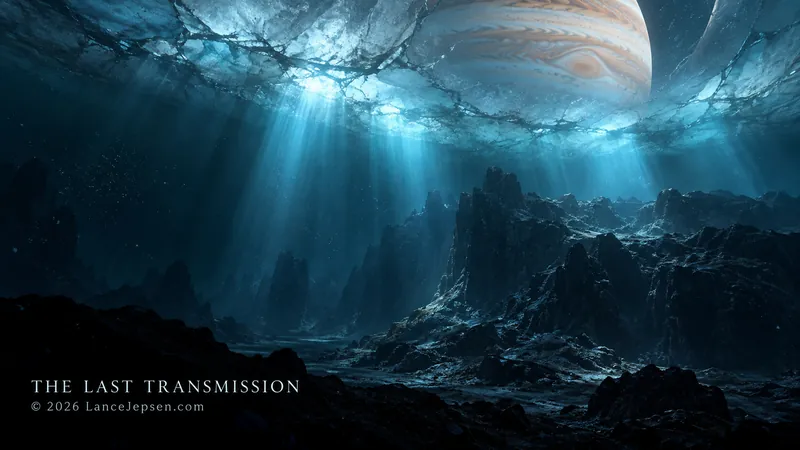
EVIDENCE FILE 01 / EUROPA
Galileo's magnetic measurements point to a conducting layer beneath Europa's ice. A salty ocean is the leading explanation. Its chemistry and seafloor activity remain open questions.
Read the evidence
EVIDENCE FILE 02 / TITAN & PLUTO
The 5.11-micrometer absorption is measured on both worlds, but the Pluto feature is broader. A shared wavelength is a clue to investigate, not a chemical identification.
Read the evidence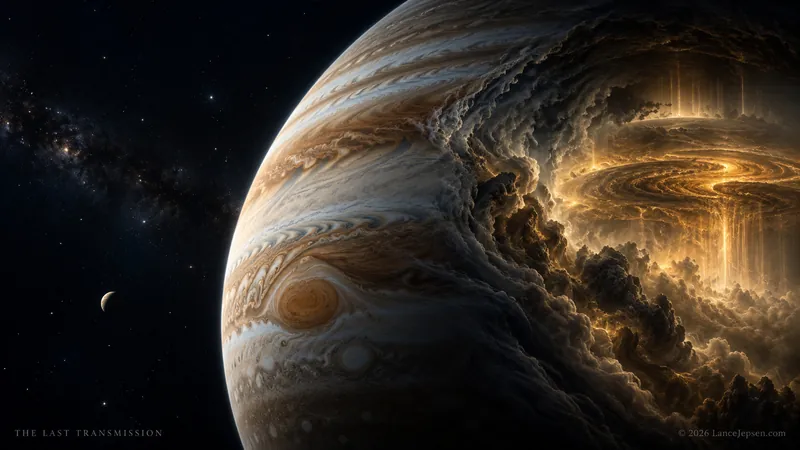
EVIDENCE FILE 03 / JUPITER
Juno measures Jupiter's gravity. Interior models that fit those measurements favor heavy elements spread through a broad region, while the origin of that distribution is disputed.
Read the evidence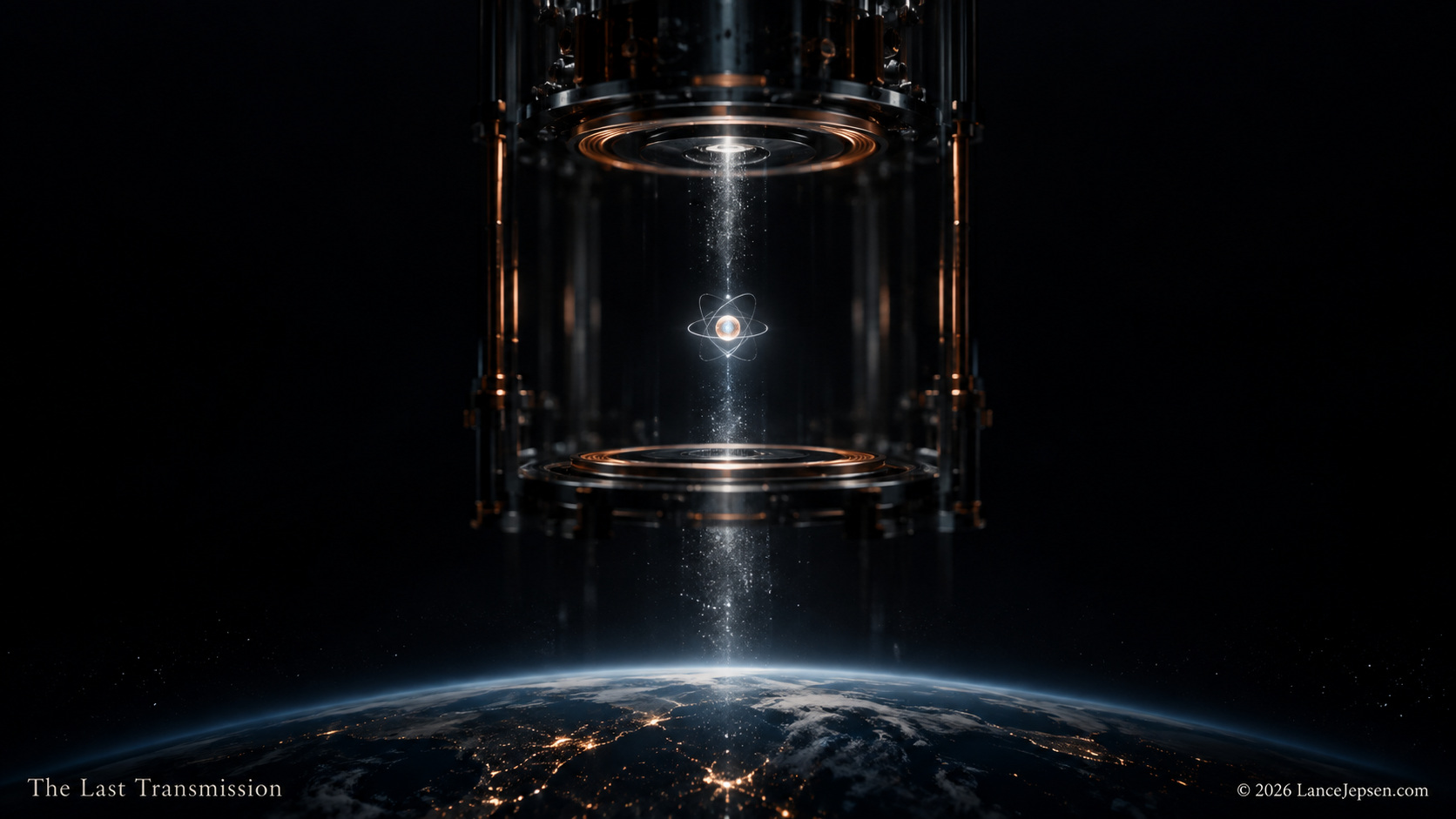
EVIDENCE FILE 04 / ANTIMATTER
ALPHA-g released trapped antihydrogen and counted where atoms annihilated. The result is consistent with downward gravitational attraction, with precision still improving.
Read the evidence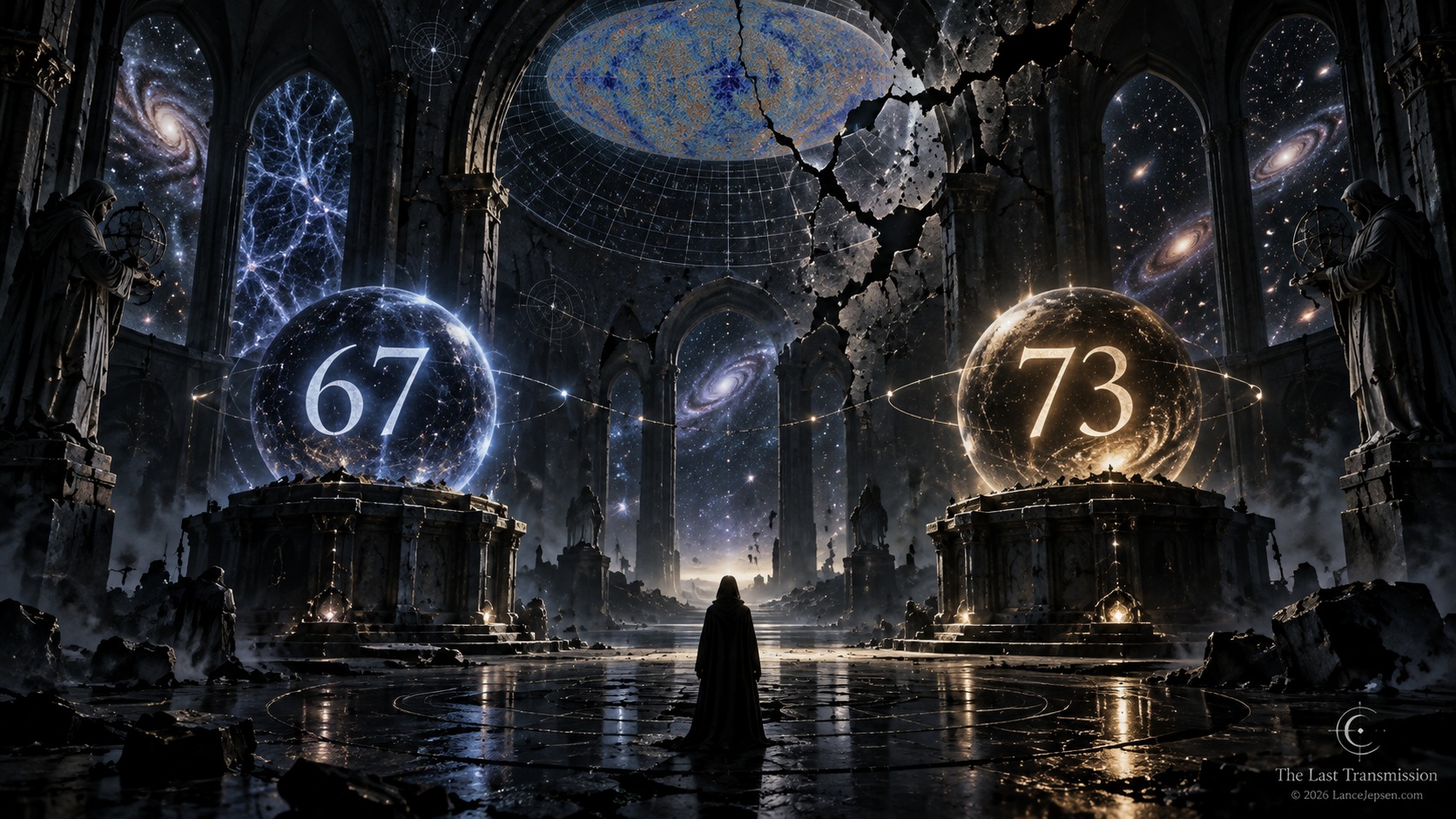
EVIDENCE FILE 05 / COSMOLOGY
Planck's early-universe data imply an expansion rate near 67.4 under the standard cosmological model; the SH0ES distance ladder finds about 73.0. The discrepancy is real in those analyses, but its cause is unresolved.
Inside the Data →SCIENTIFIC INQUIRY / APPLIED HERE
Explore all twelve principlesEach file follows a measurement into an interpretation, an alternative, and an open test. Compare what the competing explanations predict instead of choosing the most dramatic one. The twelve principles are a guide for reading that chain critically.
Ask yourself What else could produce this signal, and how could we distinguish the possibilities?
FROM THE VISUAL ARCHIVE
Read the investigation ↗