
FIELD NOTE / Hidden Systems & Earth
Snowball Earth and the Evidence for Ancient Survival
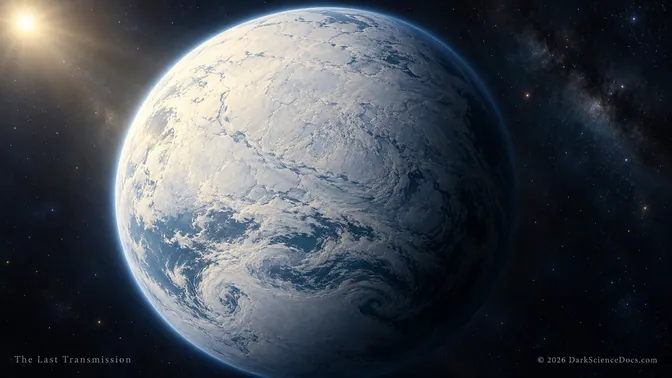
Cryogenian glacial deposits indicate unusually extensive ice cover. The precise global pattern of ice and the locations of life’s refuges remain subjects of research.
Earth’s Cryogenian rock record includes deposits difficult to explain without massive glaciation at low latitudes. Geologists combine those rocks with paleomagnetic constraints, isotope signals, and the sedimentary layers marking transitions out of severe cold.
What the evidence shows
The debate is not whether ancient glaciations were important, but how continuous the ice cover was and which reservoirs of liquid water remained accessible. Life was already present, so any model must leave physically plausible pathways for long-term survival.
Where the claim stops
Possible refuges include water near the margins and bases of ice, localized meltwater environments, and seasonally or geographically favorable marine regions. The presence of later descendants tells us some lineages survived, but it does not uniquely determine where every ancestor lived.
MEASUREMENT / INTERPRETATION / OPEN QUESTION
What is recorded
Low-latitude glacial deposits, paleomagnetic evidence, and distinctive postglacial carbonate sequences support exceptionally extensive Cryogenian glaciation.
What it suggests
Ice may have reached low latitudes and, in some models, covered nearly the whole ocean; life likely persisted in localized environments such as meltwater or ice-margin refuges.
What is not established
Geologic clues do not resolve exact ice coverage at every date or locate every surviving ecosystem. “Snowball” and “slushball” proposals make different predictions.
FOLLOW THE THREAD
Keep exploring the question.
READ THE SOURCE TRAIL
Research and further reading
These links include the complete published article and the research records cited in the supplied RSS edition.