
VISUAL ARCHIVE / IMAGE STORY
The Return That Keeps the Test Alive
S301 reaches an extreme speed while remaining a recurring stellar target.
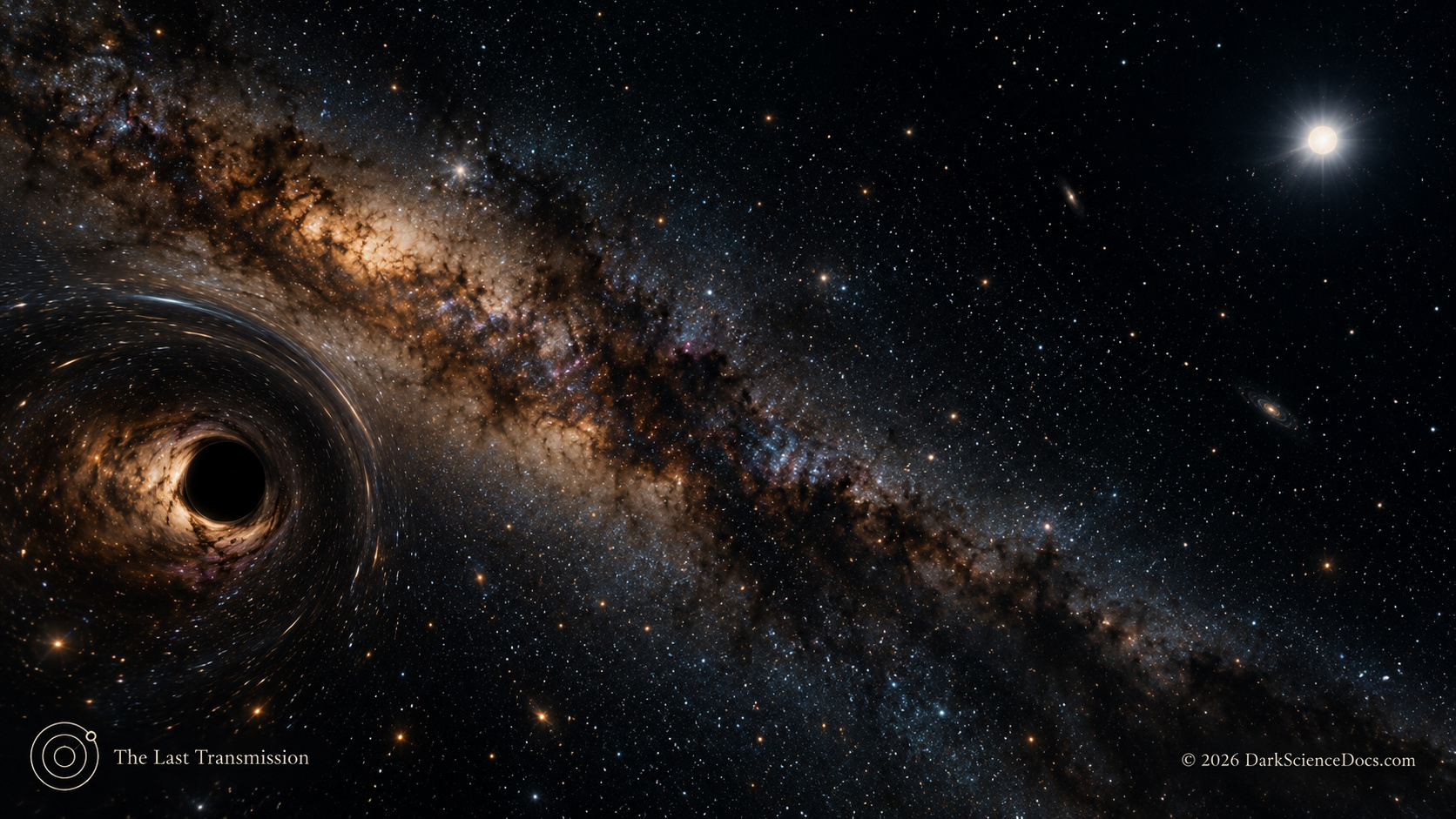
S301 reaches about 25,000 kilometers per second at closest approach while remaining well outside the event horizon. Its survival allows repeated observations of an unusually relativistic stellar orbit. AI-generated illustration; distances are illustrative.
THE OBSERVATION
What we can actually see.
The fitted orbit implies a peak speed near 25,000 kilometers per second at closest approach and an orbital period of about 8.7 years. Those numbers help predict relativistic effects for future observing campaigns.
THE ILLUSTRATION
What the artwork imagines.
The star’s size, glowing wake, and distance from the event horizon are exaggerated to make the passage visible. The frame is not a measured view of S301 beside the black hole.
FROM THE ILLUSTRATED ARTICLE
The story that inspired it.
The article follows S301’s observed orbit and the future prospect of measuring Sagittarius A* spin from repeated passages. S301 reaches an extreme speed while remaining a recurring stellar target.
Read The Star Our Black Hole KeptCHECK THE RECORD
The image interprets the research below. Follow the original work for the measurements and limits behind the scene.
S301 orbit discovery in NatureOTHER IMAGE STORIES
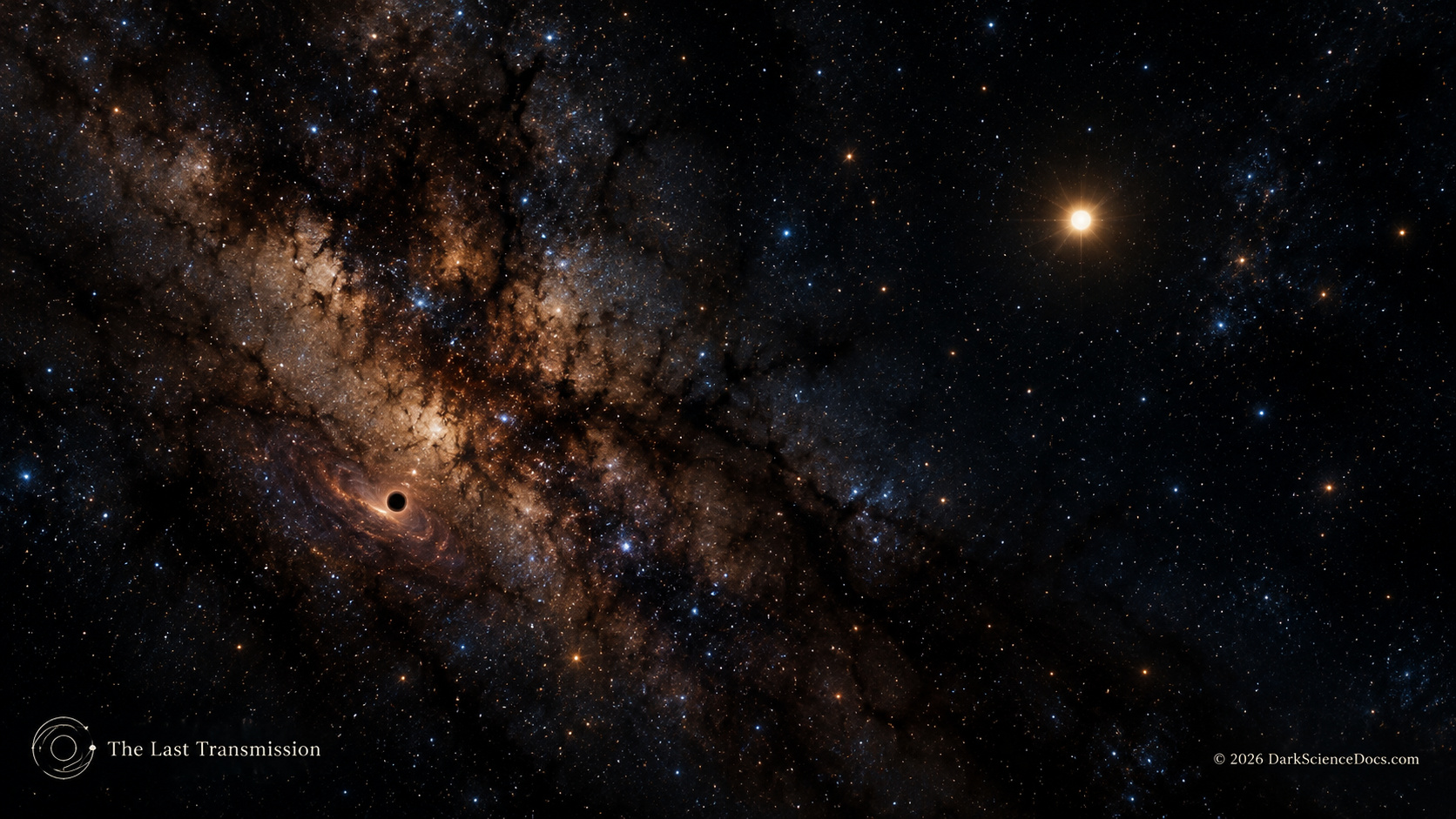 S301 at the Edge of Strong Gravity
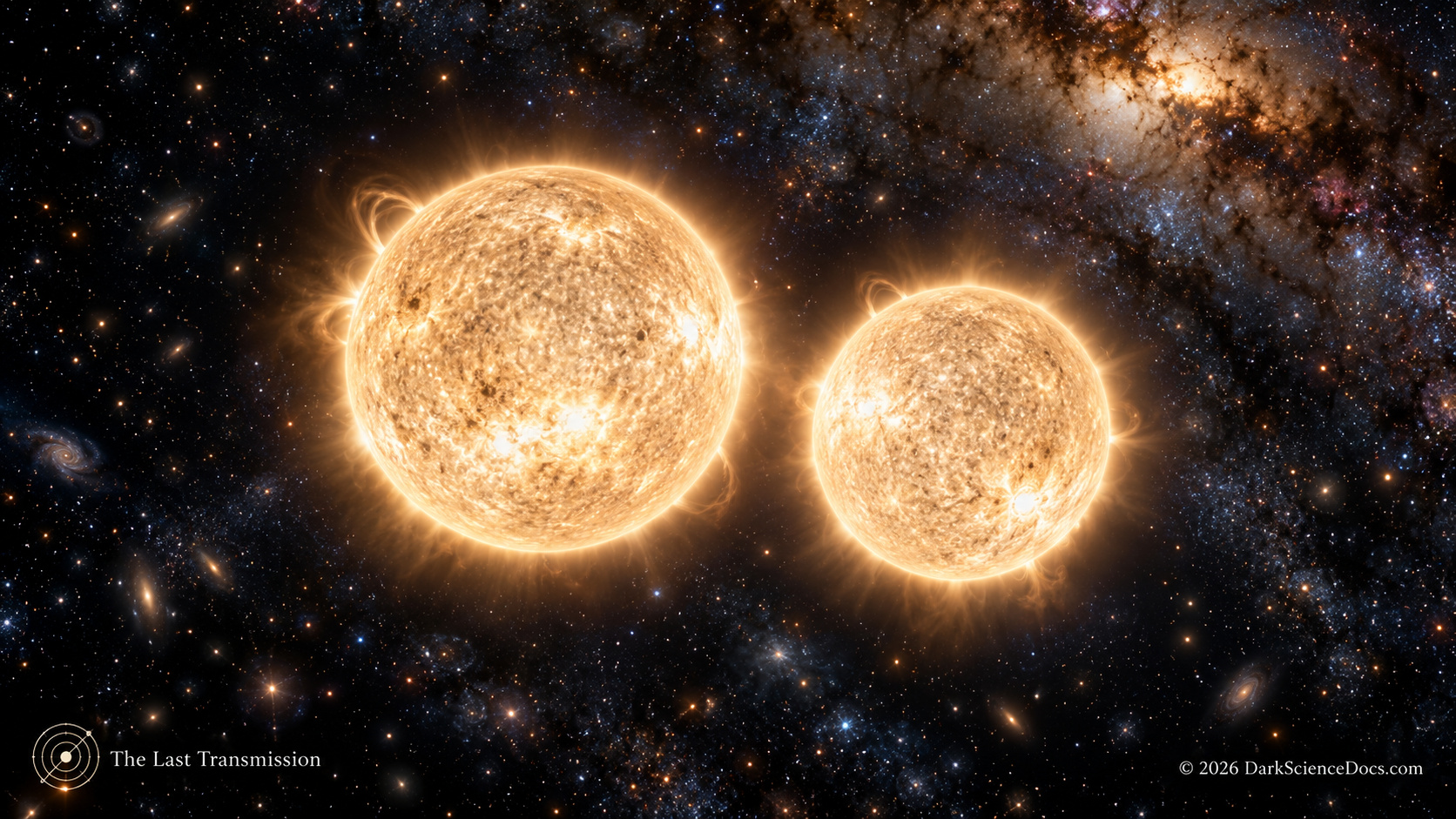 The Companion We Have Not Found
 The Mark Shared by Titan and Pluto