26 / A star near the edge
The Orbit That Could Reveal a Black Hole's Spin
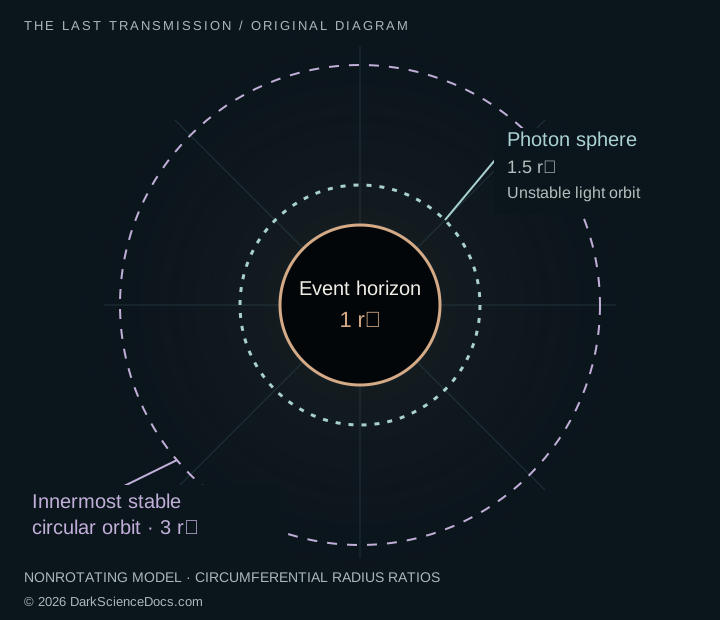
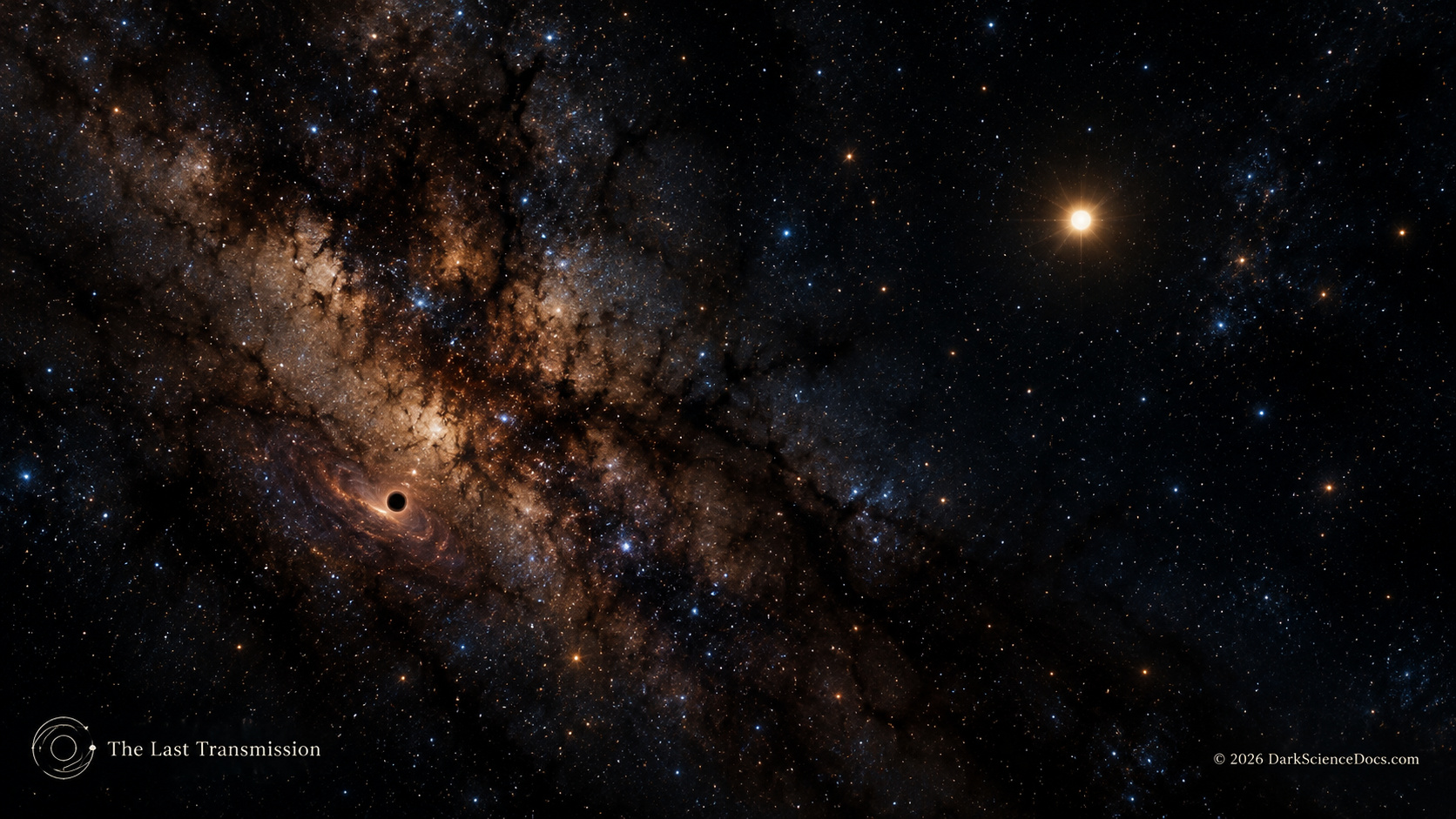
S301 circles the Milky Way's central black hole on an unusually tight, elongated path. Repeated measurements may expose the subtler effect of the black hole's rotation.
A star can serve as a test particle when its orbit passes through strong gravity and survives to return. The newly reported S301 completes a circuit around Sagittarius A* in about 8.7 years and reaches an extreme speed near closest approach. Researchers propose that future astrometry and spectroscopy could distinguish the small orbital changes associated with spin from the already measured effects of mass and ordinary relativistic precession. Its stretched orbit also suggests a violent origin: a binary pair may have been torn apart, leaving one member bound.
The full investigation continues with the evidence, illustrations, and sources at The Last Transmission on Substack.
Continue reading on SubstackTHE EVIDENCE / THE OPEN QUESTION
What we know.
Near-infrared interferometry has identified S301 and constrained its orbit close to the roughly four-million-solar-mass black hole. Its peak speed is reported near 25,000 kilometers per second, making relativistic effects potentially accessible to future measurements.
What remains open.
The black hole's spin has not been read from S301's orbit yet. The proposed binary-disruption history is an inference from its eccentricity; the former partner has not been identified. Repeated observations must separate subtle relativistic signatures from other influences.
Why it matters.
The same star can become a long-running experiment in gravity. Each return offers another chance to test how a rotating black hole changes the space through which an ordinary object moves.
GO DEEPER / EVIDENCE FILE
Can S301 Measure Our Black Hole's Spin?
GRAVITY tracked S301 and fit an 8.7-year orbit. The subtle spin-related change remains a forecast that future astrometry and spectroscopy must separate from other pulls.
FOLLOW THE EVIDENCE
Research behind the field note.
WATCH THE RELATED DOCUMENTARY
The story in motion.
VISUAL EVIDENCE
Inside the investigation.
FOLLOW THE THREAD
Related signals.
TON 618: The Black Hole So Enormous That Astronomers Still Disagree About Its Size
In 1957, two astronomers photographed what appeared to be an ordinary blue star. They had no idea they had recorded the light of one of the most monstrous black holes ever discovered.
Read the illustrated article
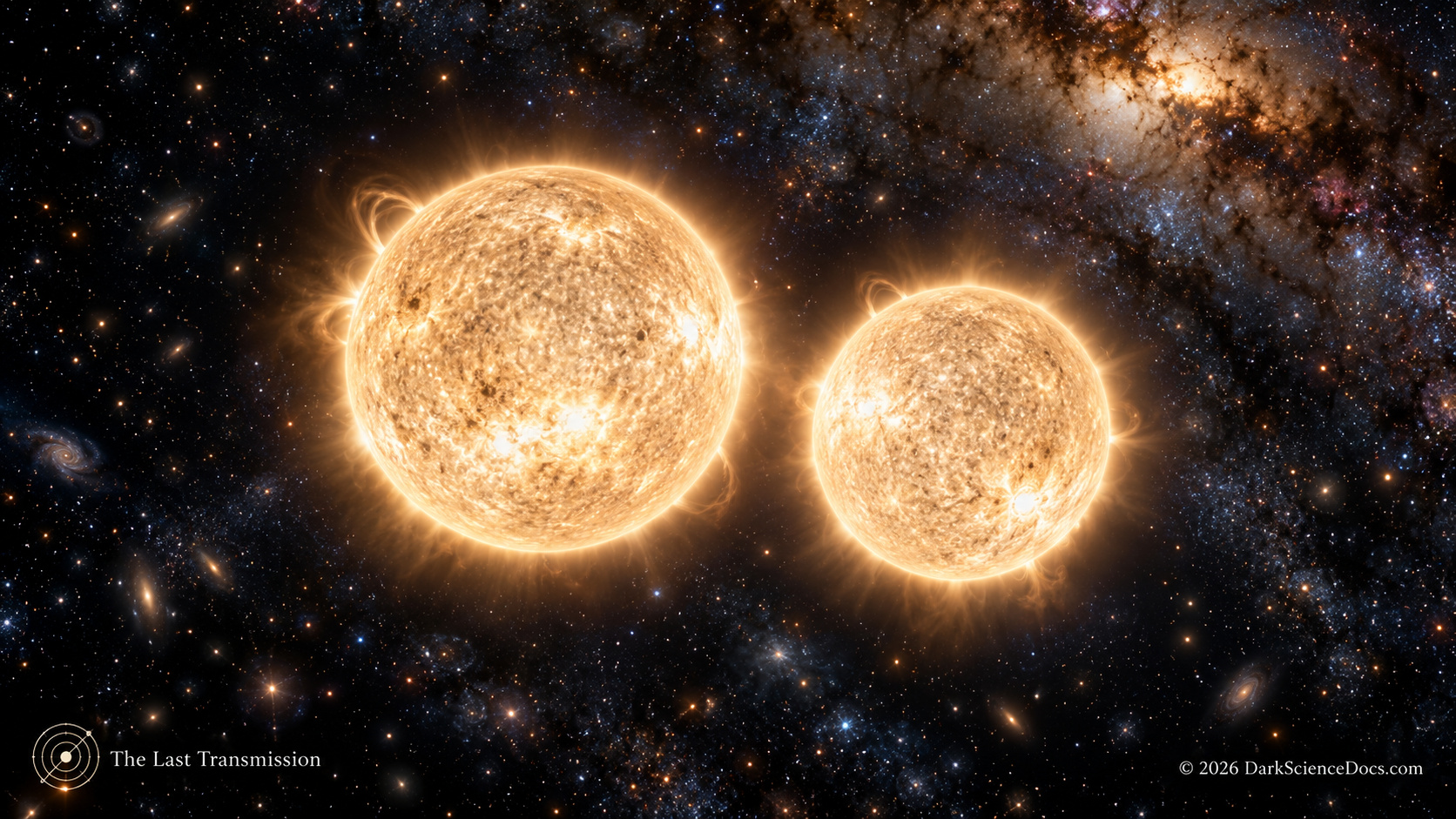
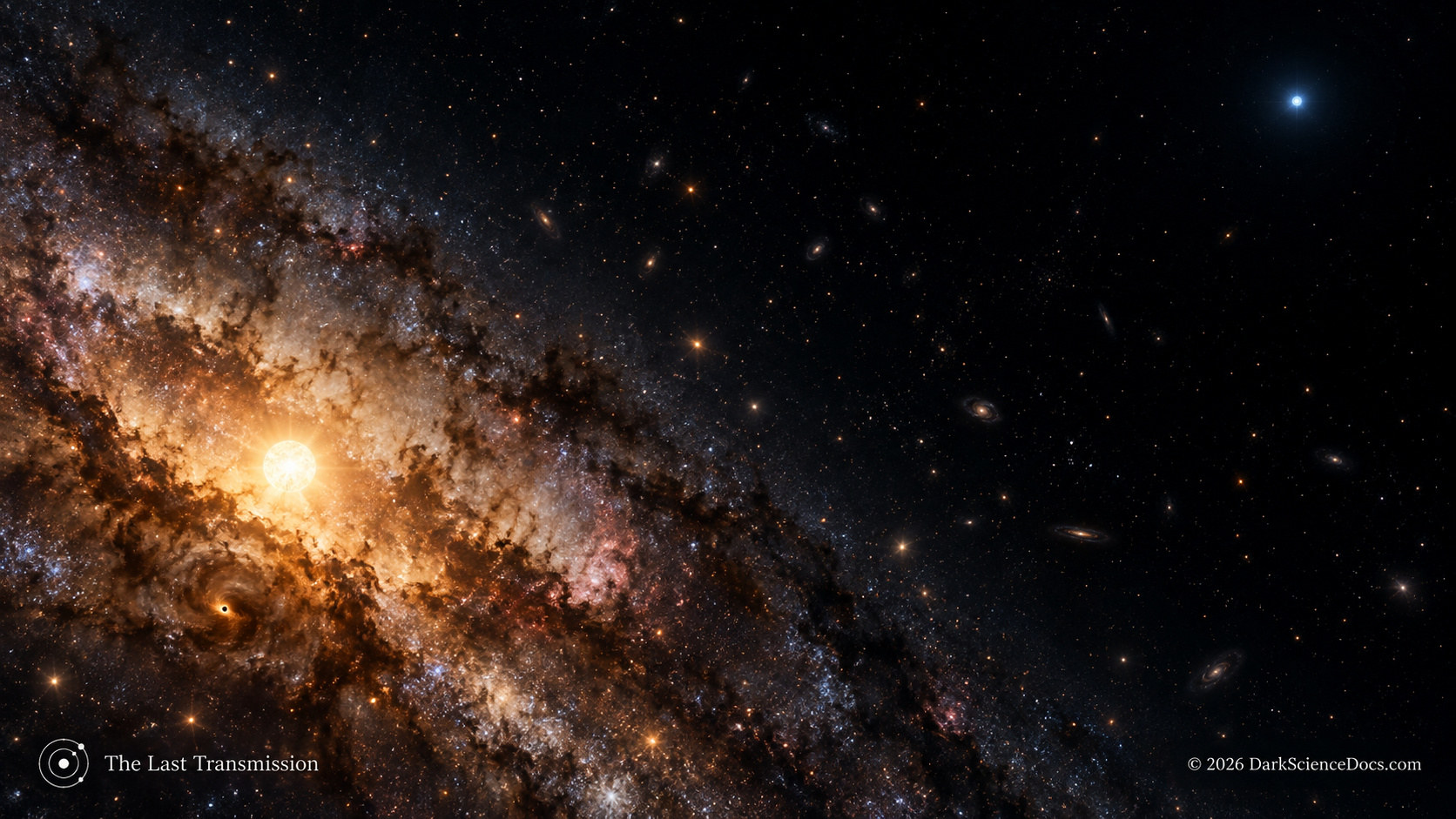
The Black Hole That Tore Two Stars Apart and Sent One Into Eternal Exile
A runaway star’s motion points back to the Galactic Center, where a black hole may have broken a binary apart and sent its members toward very different futures.
Read the illustrated article
A Black Hole Can Grow Inside While Its Outside Stays the Same
Its hidden geometry can become immense, yet every traveler still faces a future with no way back.
Read the illustrated article