
VISUAL ARCHIVE / IMAGE STORY
Iron Before the Familiar Atmosphere
An ancient shoreline places a modern experiment beside a much older metabolic history.

Iron had important roles in early cellular life before Earth’s atmosphere became rich in oxygen. This imagined ancient shoreline evokes that history; it does not establish when bacterial memory evolved. AI-generated illustration.
THE OBSERVATION
What we can actually see.
Iron participates in many biological processes, and early Earth had different environmental chemistry from today. These facts do not determine when a particular bacterial-memory mechanism evolved; the shoreline is an imagined setting, not a fossil record of memory.
THE ILLUSTRATION
What the artwork imagines.
The composition visualizes this idea: An ancient shoreline places a modern experiment beside a much older metabolic history. Iron had important roles in early cellular life before Earth’s atmosphere became rich in oxygen. This imagined ancient shoreline evokes that history; it does not establish when bacterial memory evolved. AI-generated illustration.
FROM THE ILLUSTRATED ARTICLE
The story that inspired it.
The article follows bacterial memory as an experimentally retained influence on later behavior. Iron-associated swarming, repeated single-cell responses, and stress research concern chemical information, with consciousness and permanent genetic change kept distinct. This frame focuses on an ancient shoreline places a modern experiment beside a much older metabolic history.
Read Bacteria Can Inherit Memories of a Past They Never LivedCHECK THE RECORD
The image interprets the research below. Follow the original work for the measurements and limits behind the scene.
A heritable iron memory enables decision-making in Escherichia coli Irreversibility in bacterial regulatory networks Northwestern’s research explanation Multi-Timescale Adaptation and Emergent Learning in Single Bacterial Cells Bacteria Can Learn and Form Memories Without a Brain A sensor of oxidative stress confers virulence via response memory in Acinetobacter baumannii Bacteria Store Memories and Pass Them on for GenerationsOTHER IMAGE STORIES
Keep looking.
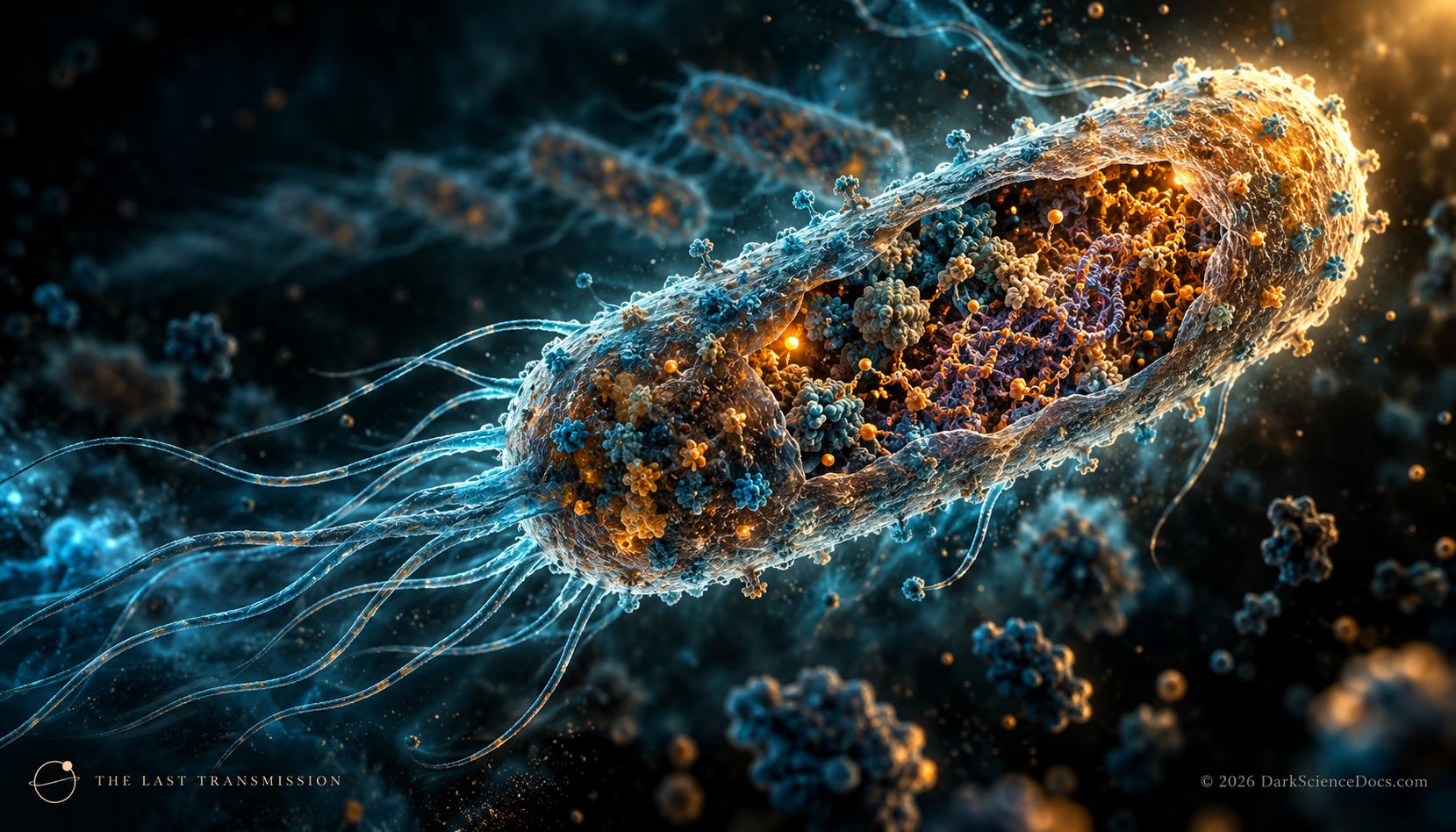 A Past Carried in Chemistry
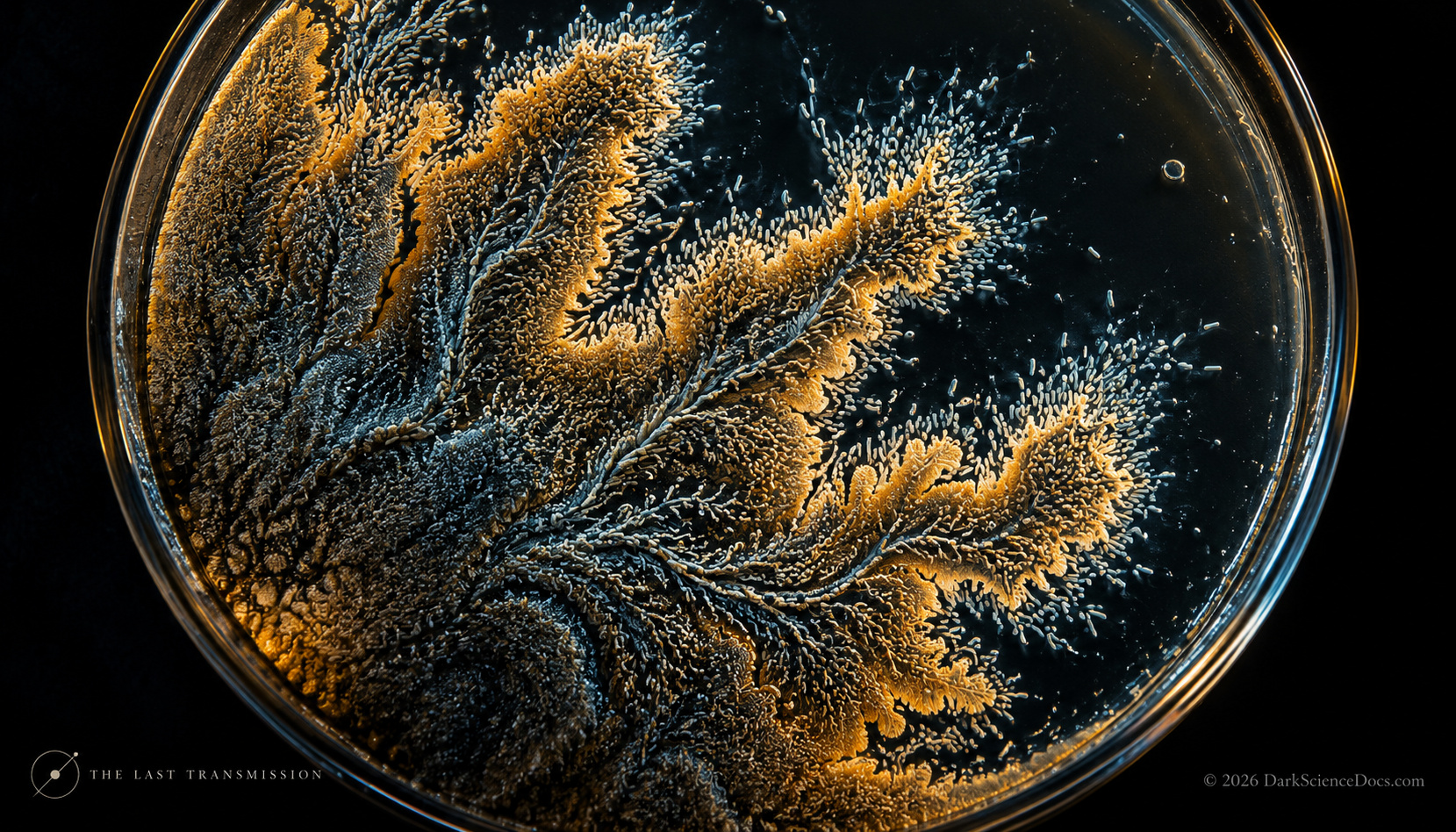 The Swarm That Starts Sooner
 The Mark Shared by Titan and Pluto
EXPLORE IN 3D / ATLAS I-04
Inspect the cell behind the behavior
Inspect a representative bacterial cell and its structures before returning to the experiments. The model does not animate iron memory, consciousness, or the behavior of every bacterial species.
Explore Prokaryotic cell in 3D