
52 / A common ancestor in stone
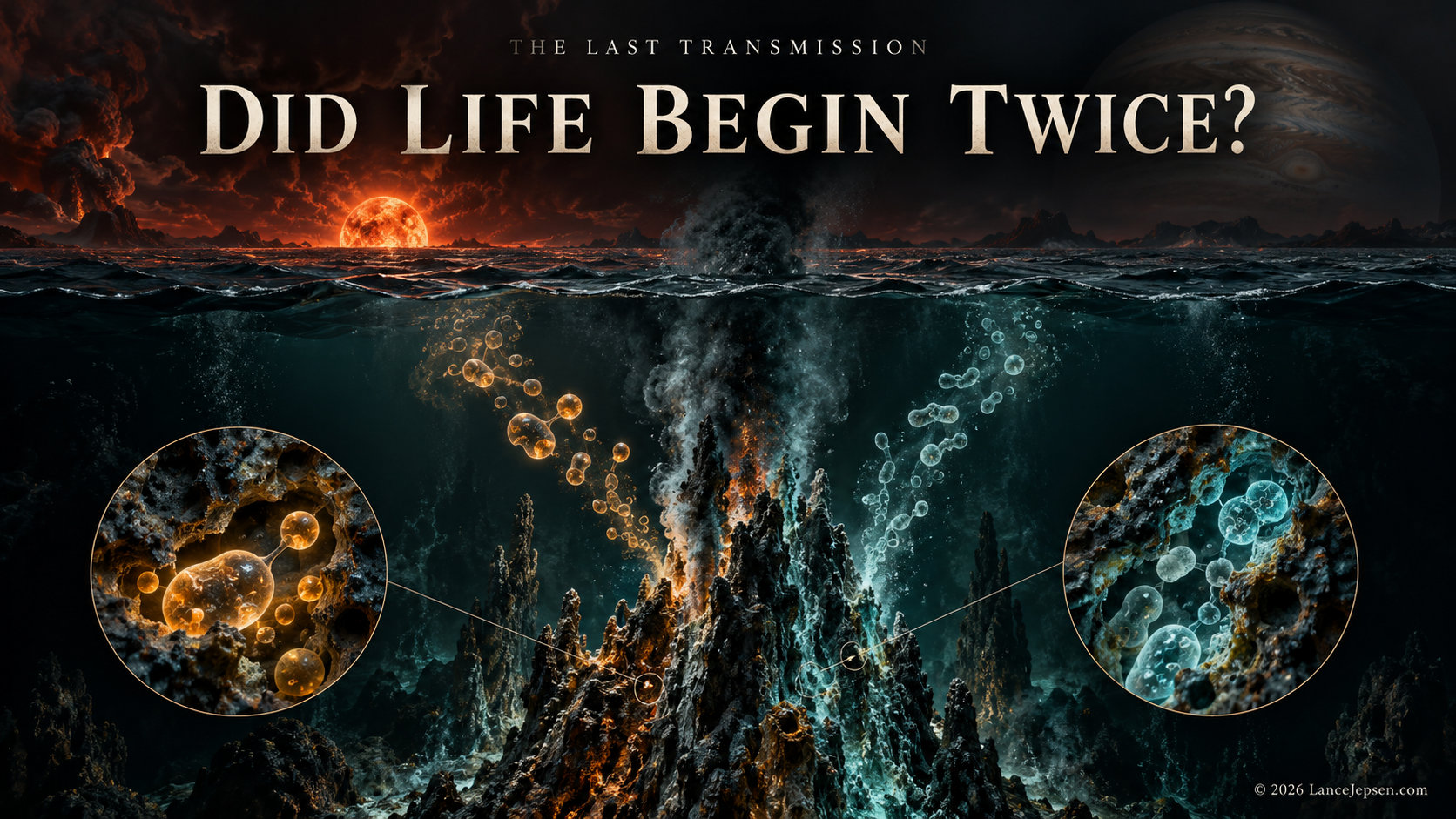
Did Two Cell Lineages Leave the Same Vent?
A reconstruction of ancient metabolic enzymes suggests bacteria and archaea may have completed parts of free-living metabolism independently after a common ancestor. That is a more precise question than whether life began twice.
The researchers worked backward from protein structures and reactions in living organisms. Their model places a partly assembled metabolic network in a common ancestor that still depended on minerals at a hydrothermal vent. Later, the bacterial and archaeal lineages appear to have supplied missing enzymatic steps in different ways. This is an inference from surviving molecular machinery, not a fossil photograph of the first cell. A shared ancestor and two subsequent routes to metabolic independence can coexist, so the provocative phrase 'two origins' needs a definition before it can be tested.
The full investigation continues with the evidence, illustrations, and sources at The Last Transmission on Substack.
Continue reading on SubstackTHE EVIDENCE / THE OPEN QUESTION
What we know.
The study reconstructs enzyme families and reaction networks from the living branches of bacteria and archaea. It finds an incomplete enzyme-supported network in the inferred common ancestor and distinct later routes for completing functions in the two lineages.
What remains open.
The ancient vent environment and its available catalysts are modeled rather than directly observed. Gene loss, replacement, and horizontal transfer complicate any reconstruction. The result does not show two wholly unrelated genetic origins of life on Earth.
Why it matters.
The real shift is in what 'becoming alive' might mean. If free-living metabolism emerged through stages, an origin-of-life experiment can focus on how minerals and early enzymes shared the work before cells became less dependent on rock.
FOLLOW THE EVIDENCE
Research behind the field note.
EXPLORE IN 3D / ATLAS I-04
Compare an early-life question with a modern cell
This investigation concerns ancient bacterial and archaeal lineages. Explore a modern bacterial example while keeping it distinct from the hypothetical first cells and from Archaea.
Explore Prokaryotic cell in 3DFOLLOW THE THREAD
Related signals.
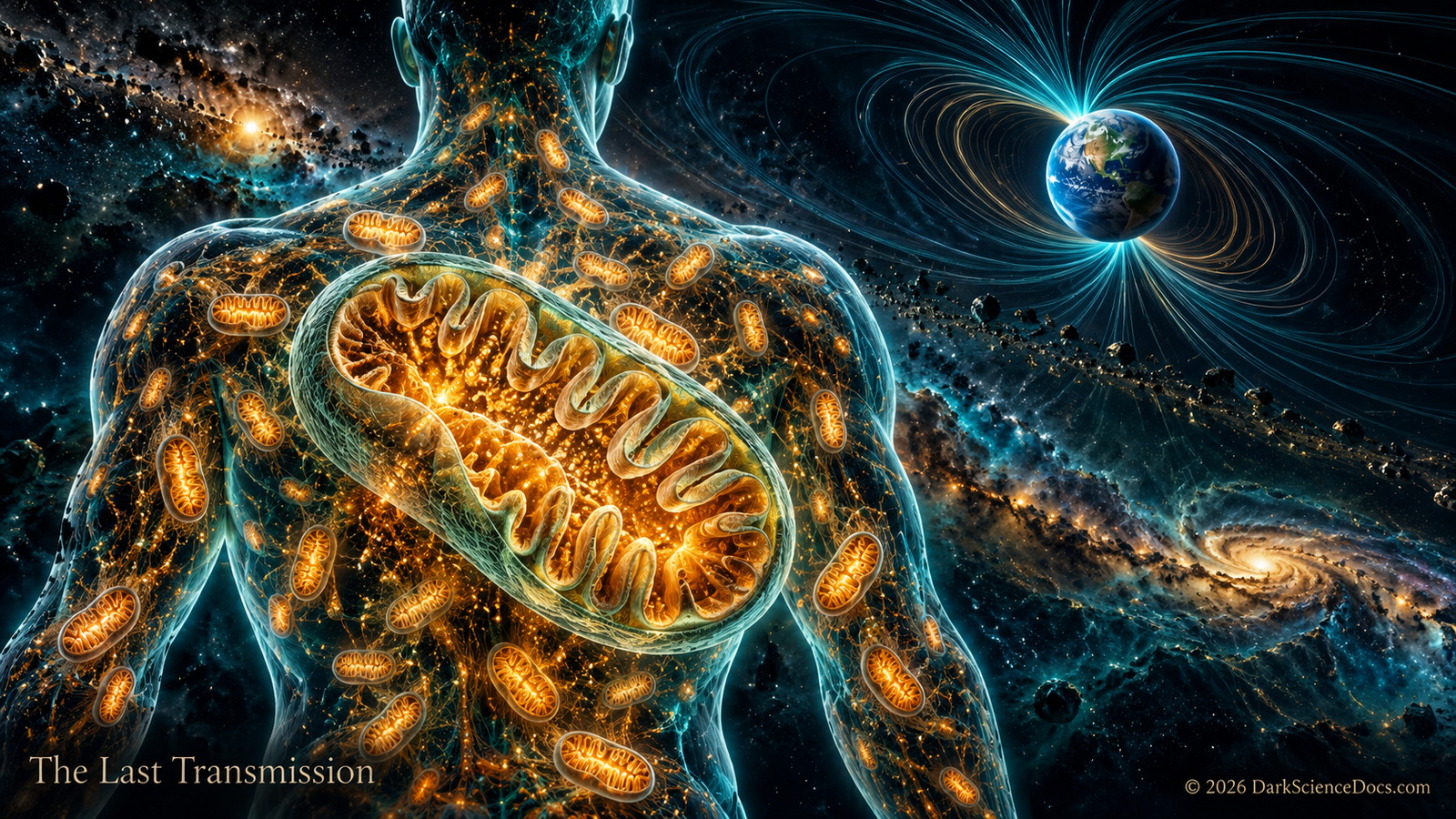
The Ancient Passengers Inside You May Be Listening to Earth
Our mitochondria descend from bacteria that entered an ancient partnership. Research is revealing how deeply that partnership still shapes life.
Read the illustrated article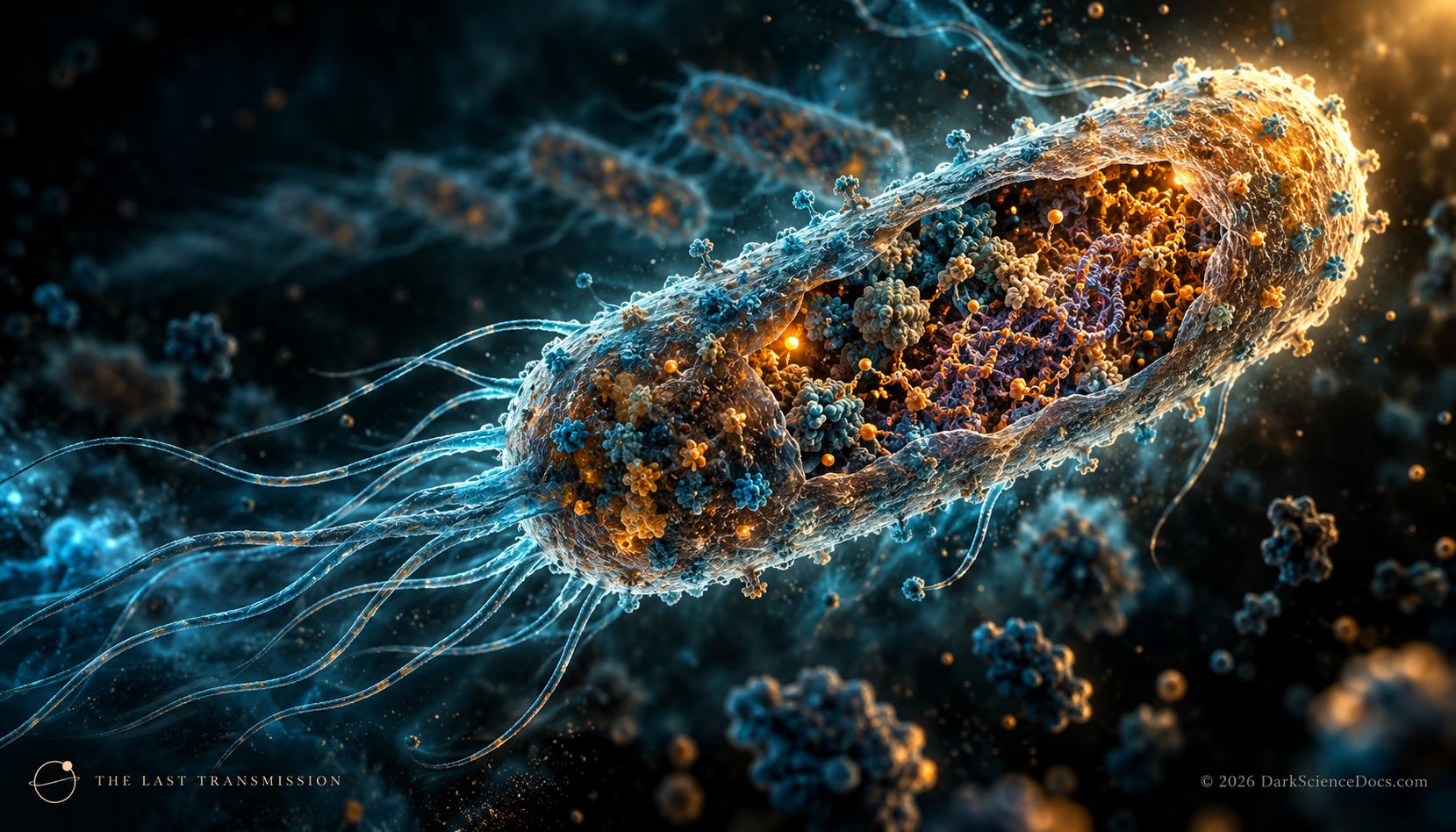
Bacteria Can Inherit Memories of a Past They Never Lived
Experiments reveal how cells without brains can retain the effects of experience, pass them to descendants, and change what they do next.
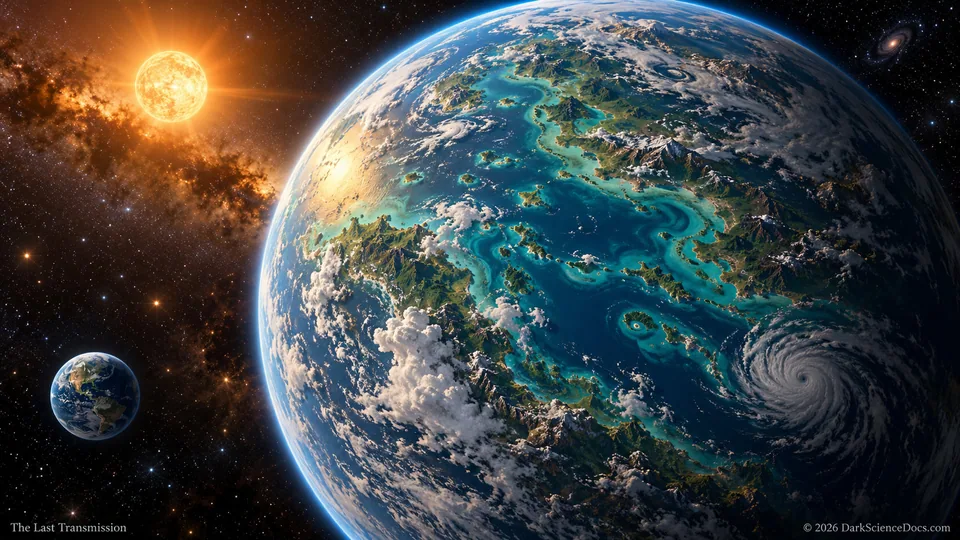
The Planets That Could Be Better Than Earth Have One Terrifying Problem
Scientists have identified distant worlds that may offer life conditions more favorable than our own. Some could have warmer oceans, longer-lived suns, and billions of extra years for evolution.