
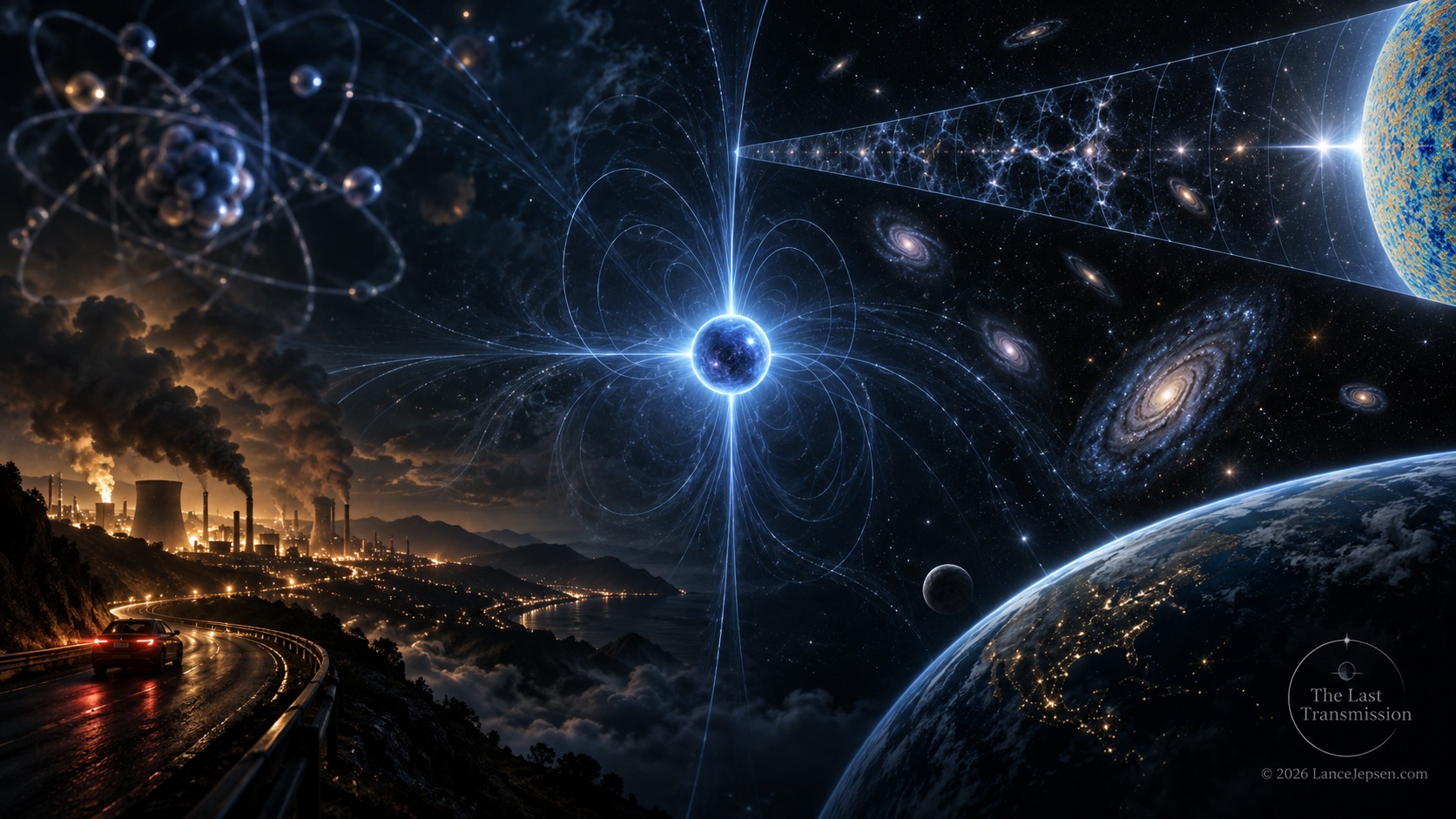
37 / The system behind the switch
The Particle That Never Runs Down
An electron does not need a microscopic battery to remain an electron. The electrical systems we build around it are another matter.
The distinction is easy to miss when electricity feels like a substance flowing from a wall. Fundamental particles remain, while generators, transformers, controls, and transmission lines must keep working together. The article moves from the stability of matter into a far more fragile human achievement: the grid that makes electrical energy useful on demand.
The full investigation continues with the evidence, illustrations, and sources at The Last Transmission on Substack.
Continue reading on SubstackTHE EVIDENCE / THE OPEN QUESTION
What we know.
Electrons have charge and mass and participate in every ordinary electrical process, yet an electron has no fuel reserve that must be replenished simply to keep existing. Energy is transferred when fields and particles interact; a current carrying useful power depends on a source and a working system.
What remains open.
The language of a particle being 'busy' can suggest that it is spending energy merely to persist. That metaphor breaks down. The investigation separates what a fundamental particle is from what an engineered device does, so the apparent paradox does not become a claim of perpetual motion.
Why it matters.
The answer changes how a wall outlet looks. Nothing about stable electrons makes the power grid effortless. Generation, transmission, balancing, and maintenance turn physical possibilities into a service we rely on every hour.
FOLLOW THE EVIDENCE
Research behind the field note.
WATCH THE RELATED DOCUMENTARY
The story in motion.
FOLLOW THE THREAD
Related signals.
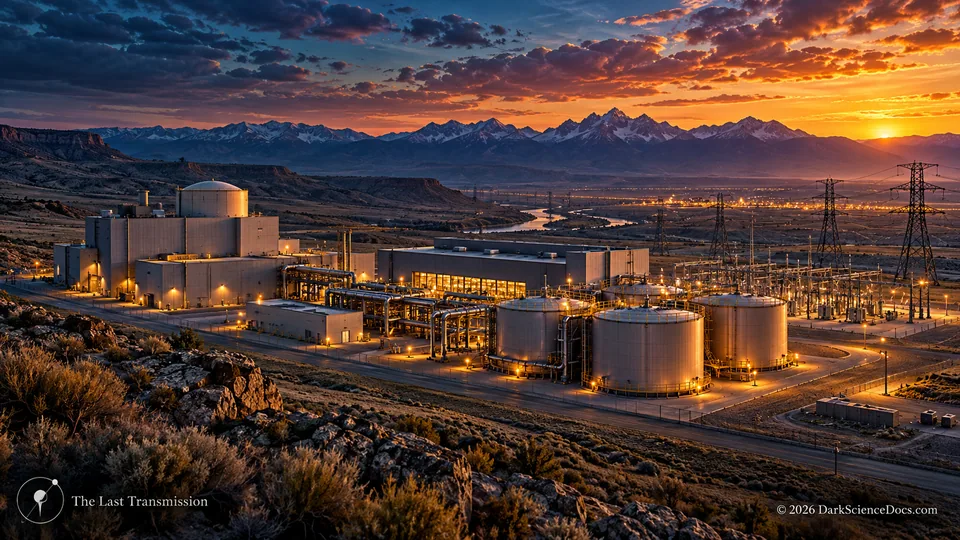
The Energy Revolution Has a Wire Problem
We are learning to harvest heat from rock, store electricity in rust, and imitate the physics of stars. Every breakthrough still has to make it home.
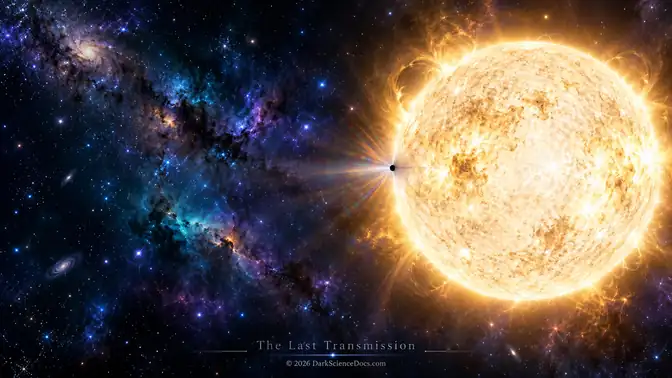
A Star Blinked Twice. Whatever Caused It May Be Much Closer to Earth.
Two nearly identical optical disturbances, 4.4 seconds apart, appeared in HD 89389’s light. Follow the unexplained record, a foreground diffraction hypothesis, and the synchronized telescopes proposed to test it.
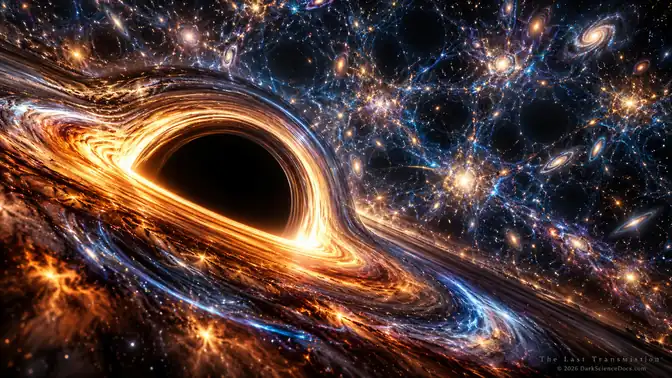
What If the Universe Is Accelerating Because Stars Die?
For nearly three decades, scientists have struggled to identify the mysterious force accelerating the expansion of the universe. Now a radical theory suggests the answer.