EVIDENCE FILE 16 / BROWN-DWARF MASS TRANSFER
How Do We Know One Brown Dwarf Is Feeding Another?
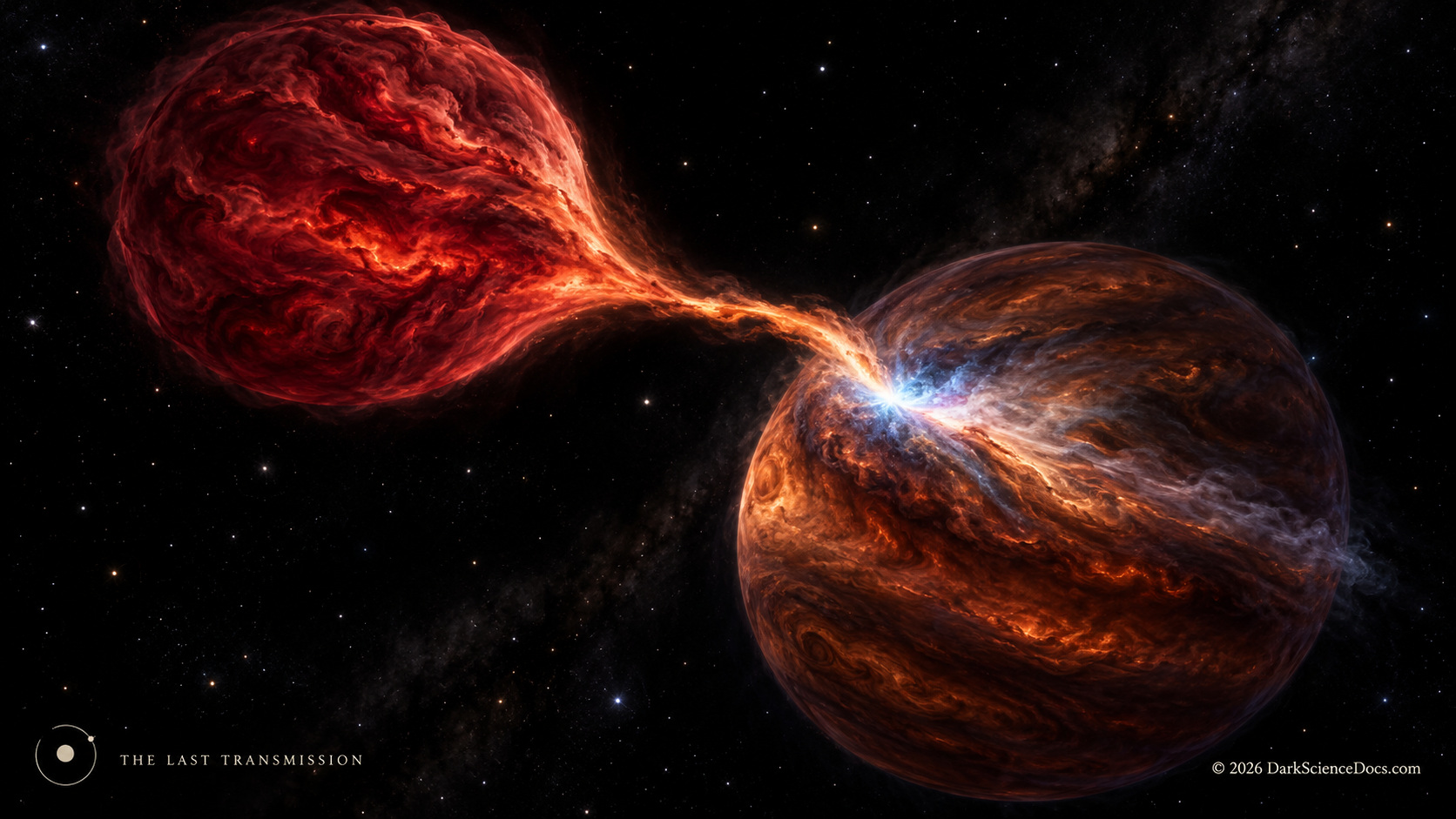
A bright patch repeats every 57 minutes. What distinguishes transferred gas from a star that has already ignited?
All Evidence FilesTHE SHORT ANSWER
Repeated light changes, spectra, and Gaia distance information support a close, mass-transferring brown-dwarf binary with a hot accretion region. A stream can heat the receiver by impact without sustained core hydrogen fusion. The proposed eventual ignition or merger is an evolutionary prediction, not an event already observed.
THE EVIDENCE MAP / BROWN-DWARF MASS TRANSFER
From a repeating glow to a mass-transfer model
The present hot region and the predicted future star must not be treated as the same observation.
- 01Measurement
Measure the cycle, spectra, and distance
Repeated brightness changes identify the 57.41-minute clock. Spectra and Gaia parallax help constrain the intrinsic emission and the distinct temperatures inferred for the system.
- 02Interpretation
A gas stream heats the receiving brown dwarf
The favored model has transferred material striking the accretor and heating a small region. Its luminous hotspot can be powered by accretion without sustained core hydrogen fusion.
- 03Competing explanation
Brightness alone does not identify an engine
Atmospheric structure, viewing geometry, or a different emission model can change the interpretation of a light curve. The combined measurements must discriminate among these possibilities.
- 04Open test
Track the interaction and compare similar systems
More phase-resolved observations and comparable binaries can test component properties and mass transfer. Future ignition or merger remains an evolutionary prediction to assess separately.
OBSERVATION / INFERENCE / LIMIT
Read the signal.
57.41 minutes
The reported orbital period organizes the repeating brightness changes in ZTF J1239+8347.
About 8,900 K
The fitted accretion temperature is much higher than the inferred underlying atmosphere; it describes an emitting region rather than the core.
Direct-impact accretion
The team interprets the stream as striking the receiving object, while individual masses and future evolution remain model-dependent.
INSIDE THE EVIDENCE
The chain of reasoning.
Each step has a different level of certainty. Follow the measured result into the explanation, then see where the trail ends.
Find a repeating signal before drawing the system
Zwicky Transient Facility observations repeatedly sampled the source’s brightness. A repeating pattern gives astronomers a clock against which later measurements can be compared. For this system the reported orbital period is 57.41 minutes, and the short-wavelength variability is unusually strong. A clock alone does not identify the cause. The important next question is whether the changes in color, spectrum, and brightness behave consistently with a particular physical configuration over that shared cycle.
Whitebook et al. (2026): a mass-transferring brown-dwarf binary on a 57-minute orbitUse distance and spectra to constrain the glow
Gaia’s parallax information helps place the observed brightness on an intrinsic scale, while optical and near-infrared spectra constrain the emitting components. The analysis favors a much hotter accretion region alongside a cooler brown-dwarf atmosphere. These are fitted physical properties, not separate surface temperatures read from a resolved photograph. Combining distance with several kinds of light reduces the range of possible explanations and also exposes where assumptions about atmospheric emission and geometry enter the result.
Whitebook et al. (2026): a mass-transferring brown-dwarf binary on a 57-minute orbitA stream can produce heat before a star exists
Caltech’s account describes material being transferred from one very close companion to the other. In the favored direct-impact interpretation, incoming material reaches the receiver and heats a luminous region. Gravity supplies the energy released by this process. That distinction explains why an intense glow need not mean that the receiver’s core has begun sustained hydrogen fusion. The source can become conspicuous because of its interaction, even while both components are interpreted as brown dwarfs in their present state.
Caltech: observations, accretion heating, and the predicted futureKeep two burning thresholds from becoming one label
Brown dwarfs do not sustain the core hydrogen fusion characteristic of ordinary main-sequence stars. Some objects below that boundary can burn deuterium for a limited interval, and the often-cited deuterium threshold is itself composition-dependent. Those are different physical landmarks. A single mass number cannot settle every naming question or reveal an object’s history. For the interacting pair, the measured light must first be separated into accretion and atmospheric contributions before claims about its present nuclear state or future identity are assessed.
The future is a test of an evolutionary model
The discovery account considers a merger or sufficient growth of the receiving object as routes toward an ordinary hydrogen-burning star. That prospect is striking precisely because it extends beyond the observed cycle. Mass transfer, mass loss, and the evolving orbit can alter what happens next. Continued observations and a larger sample of comparable systems can test those assumptions. Neither the bright hotspot nor the current period establishes a date for ignition, and no observer has watched this particular pair complete that transformation.
Caltech: observations, accretion heating, and the predicted futureTHE EASY MISREADING
The accretion hotspot is not the brown dwarf’s core, and a hot surface region is not a measurement of sustained hydrogen fusion. The observed interaction and the predicted future star belong to different levels of evidence.
PRIMARY RESEARCH & MISSION RECORDS
Check the source.
These are the studies and mission records behind this explainer. The illustrated article and related research pages continue the investigation.
EXPLORE IN 3D / ATLAS S-01
Compare how a companion changes stellar fate
Switch between single-star and selected binary stories in Stellar Fates. The age clock and illustrations teach evolutionary ideas; they do not calculate the measured ZTF J1239+8347 system or predict its ignition date.
Explore Stellar Fates in 3DFOLLOW THE THREAD
Stay with the question.
Read the illustrated article for the interacting pair and the wider substellar discoveries. Stellar Fates supplies a separate teaching view of single-star and binary evolution; its selected stories do not calculate this particular system.
MORE EVIDENCE FILES
Keep looking.
EVIDENCE FILE 12 / STELLAR LIFE CYCLES
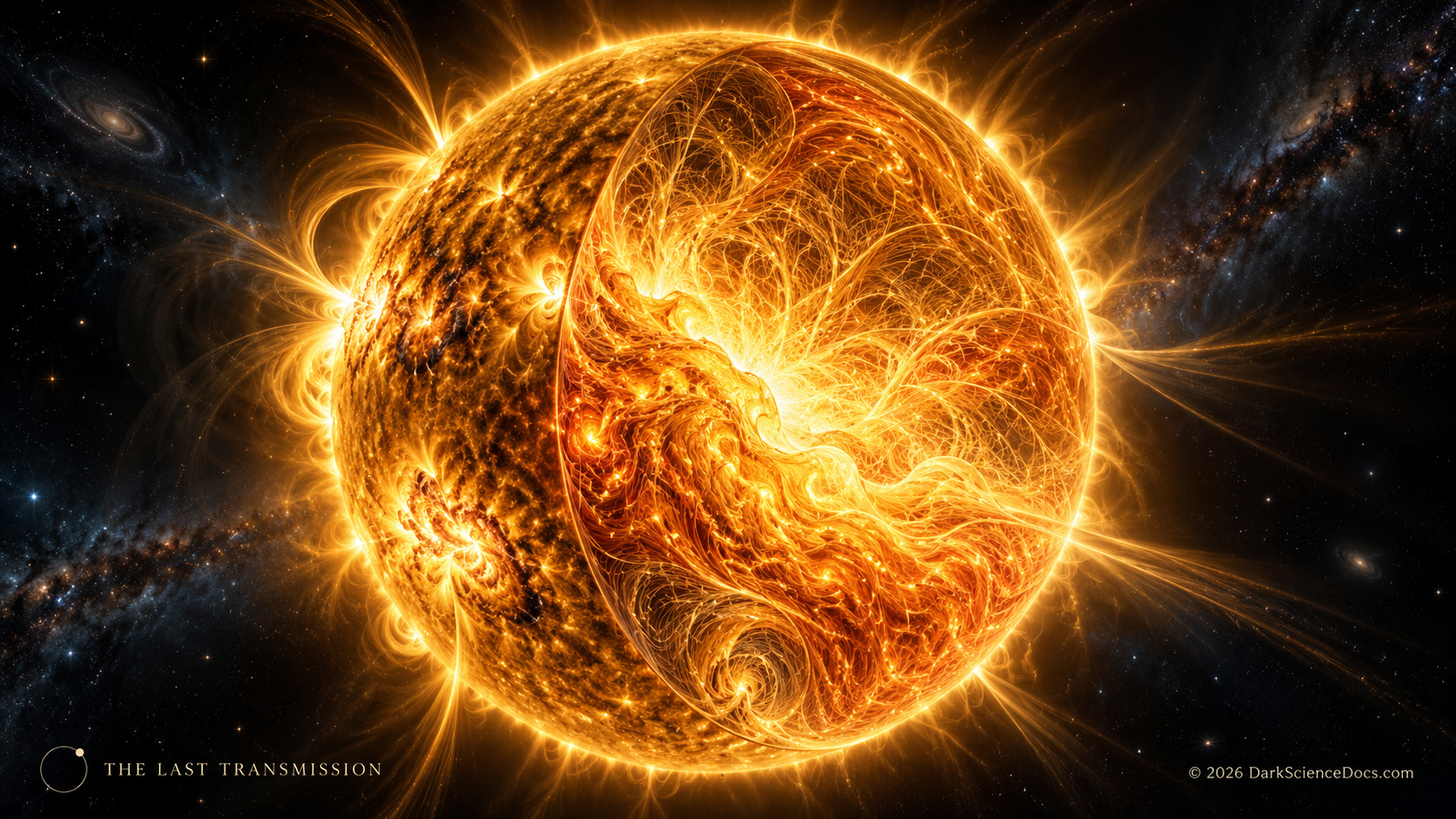
How Do We Know the Life Cycle of a Star?
Read the evidence behind stellar evolution: measured starlight, cluster ages, binary companions, and the remnants of collapse. Follow the observations into the models, then explore stellar fates and black-hole gravity in 3D.
Read the evidence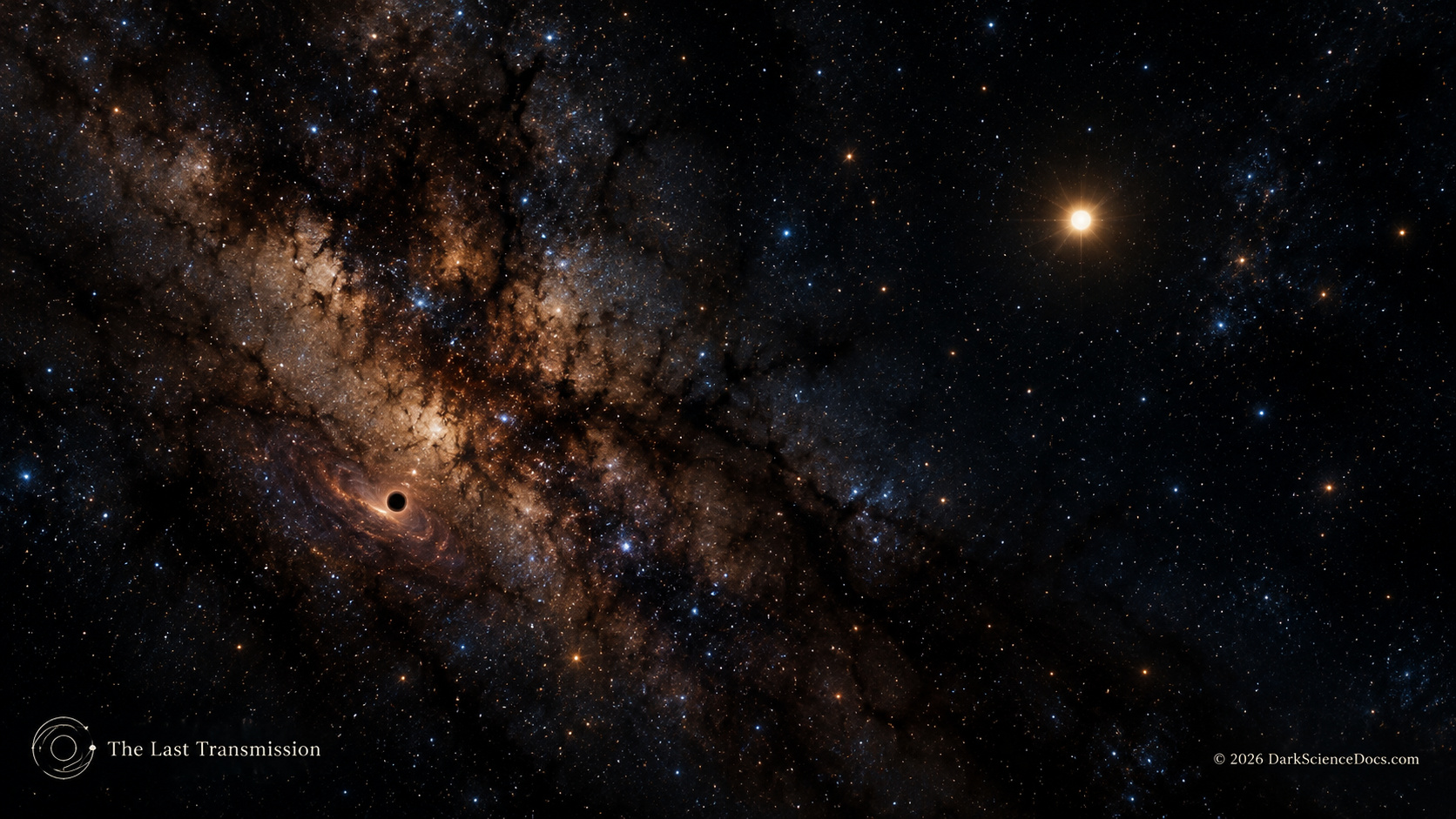
EVIDENCE FILE 07 / GALACTIC CENTER
Can S301 Measure Our Black Hole's Spin?
GRAVITY tracked S301 and fit an 8.7-year orbit. The subtle spin-related change remains a forecast that future astrometry and spectroscopy must separate from other pulls.
Read the evidence