
32 / An incomplete human record
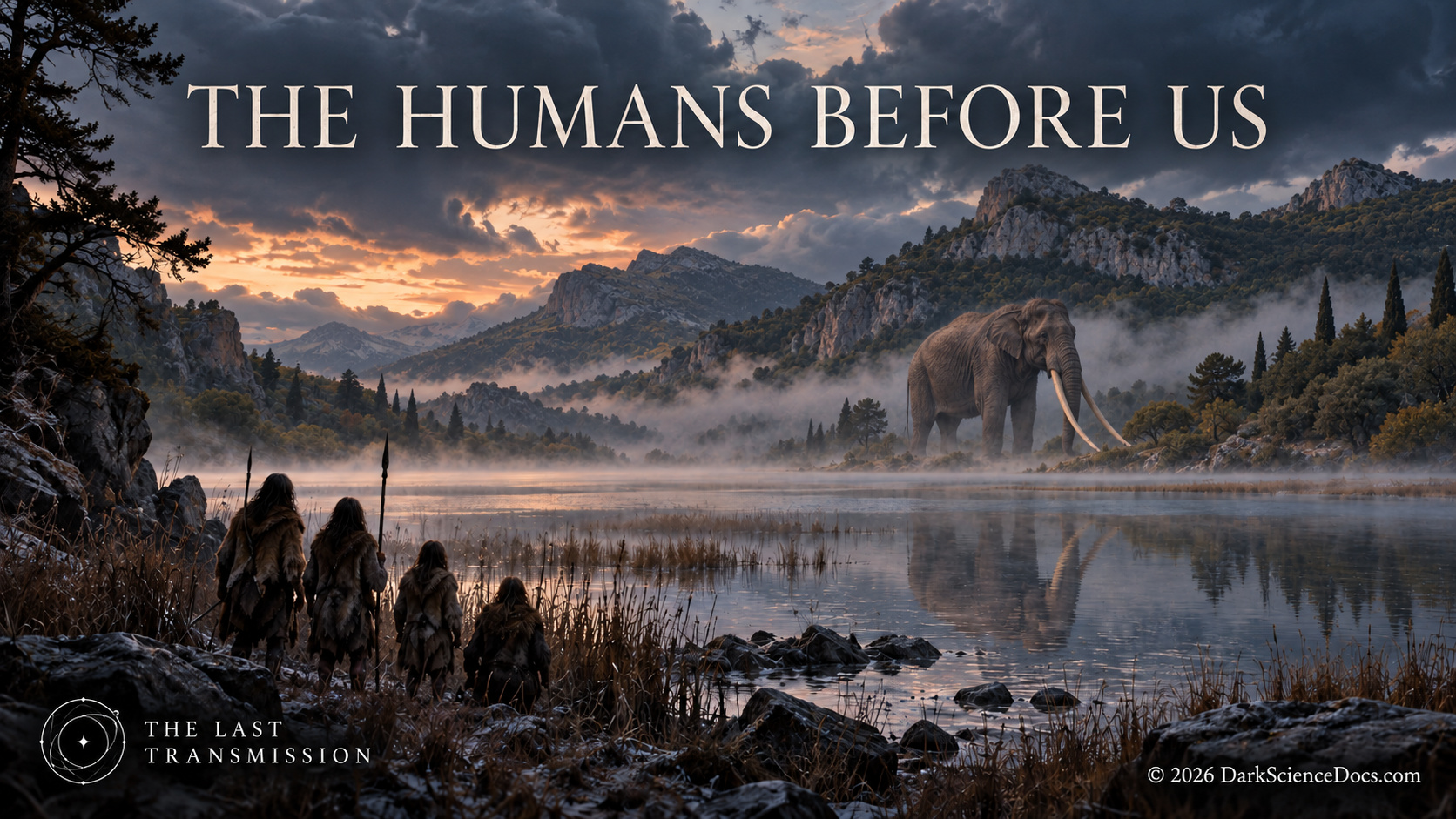
The People Behind the Elephant Bones
Ancient tools and cut-marked bones in Greece preserve actions more readily than identities. Several sites and ages make the region a rich record, but they cannot be folded into one tribe's story.
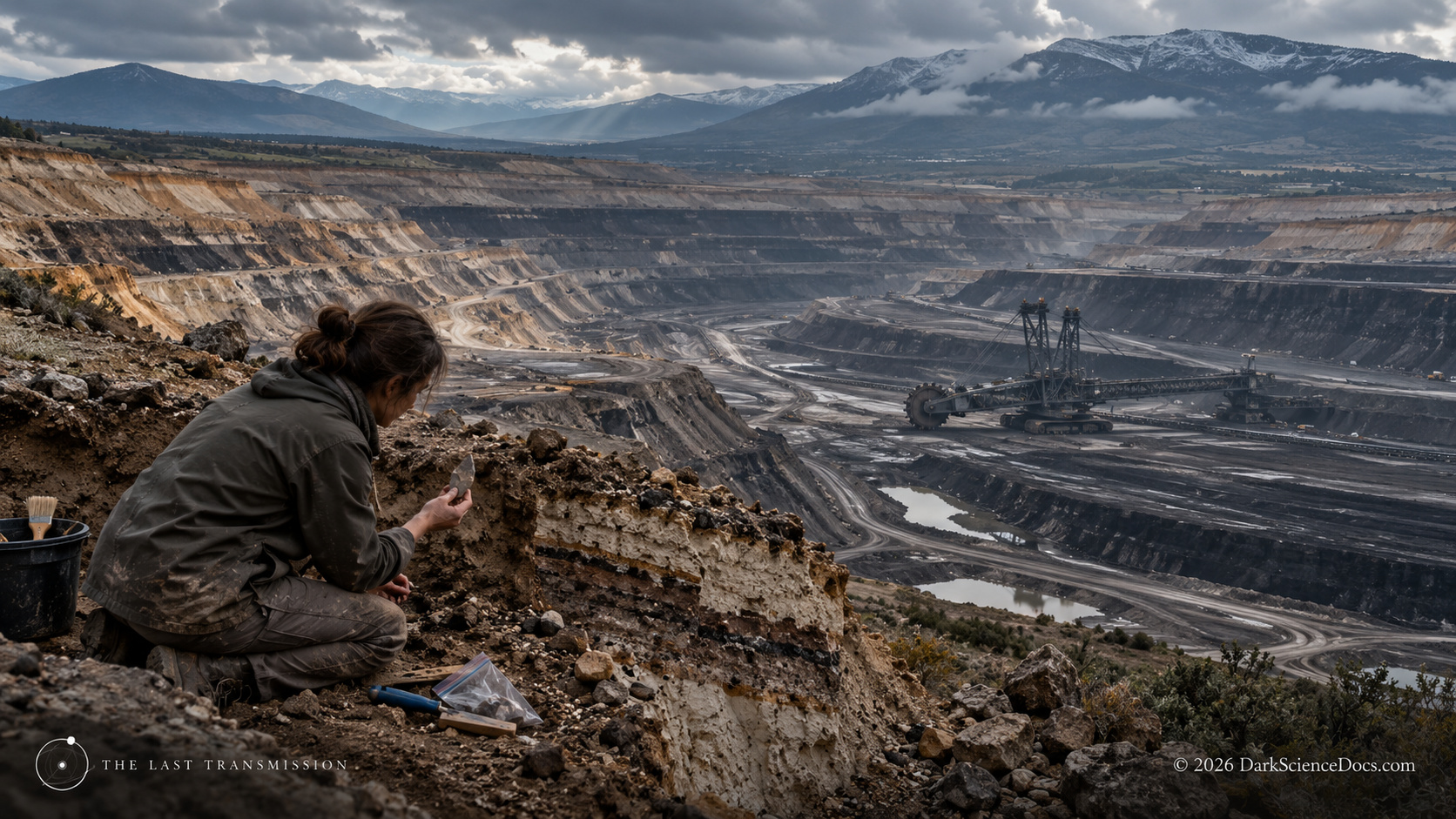
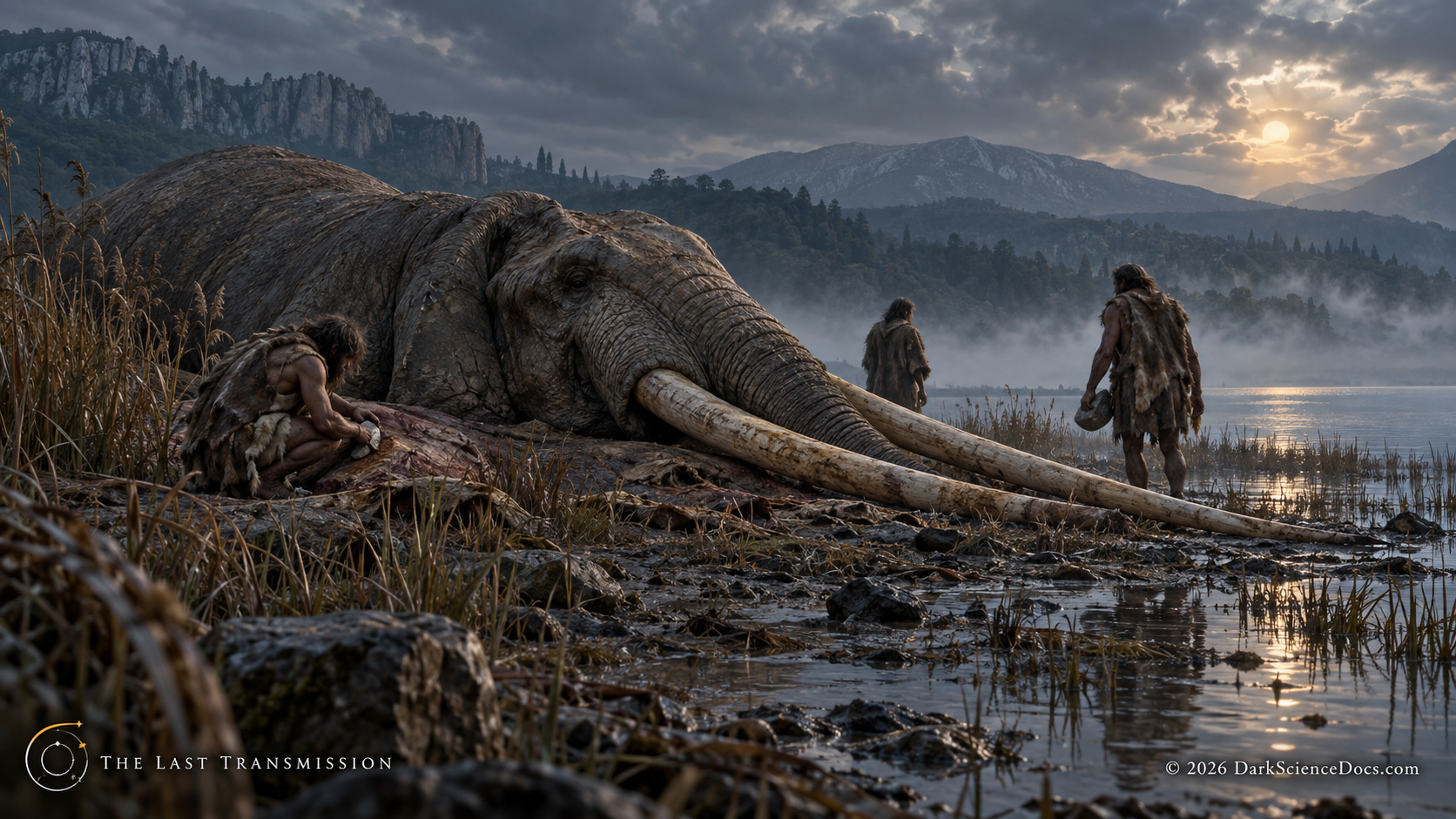
Excavators can read a fragment of an action from a mark on bone or wood: something was shaped, carried, or cut. At the Megalopolis basin, traces of hominin activity reach deep into the Pleistocene. Nearby discoveries include rare wooden objects and elephant remains with evidence of butchery. The drama is in what survives the ground. An activity can be documented while the name, appearance, language, and exact lineage of the people remain beyond the reach of that particular object.
The full investigation continues with the evidence, illustrations, and sources at The Last Transmission on Substack.
Continue reading on SubstackTHE EVIDENCE / THE OPEN QUESTION
What we know.
Published work documents ancient activity at multiple Greek localities, including the Marathousa area. Stratigraphy, dating methods, tool analysis, and surface marks help establish what was found and the approximate age of separate deposits.
What remains open.
The deposits span different periods; objects from different sites must not be presented as one witnessed encounter. Cut marks can support a butchery inference without showing how an elephant died or establishing the taxonomic identity of every person involved.
Why it matters.
Archaeology is strongest when a small surviving action is allowed to remain small. The fragments show human persistence under changing climates while leaving room for the many lives the record cannot yet name.
FOLLOW THE EVIDENCE
Research behind the field note.
VISUAL EVIDENCE
Inside the investigation.
FOLLOW THE THREAD
Related signals.
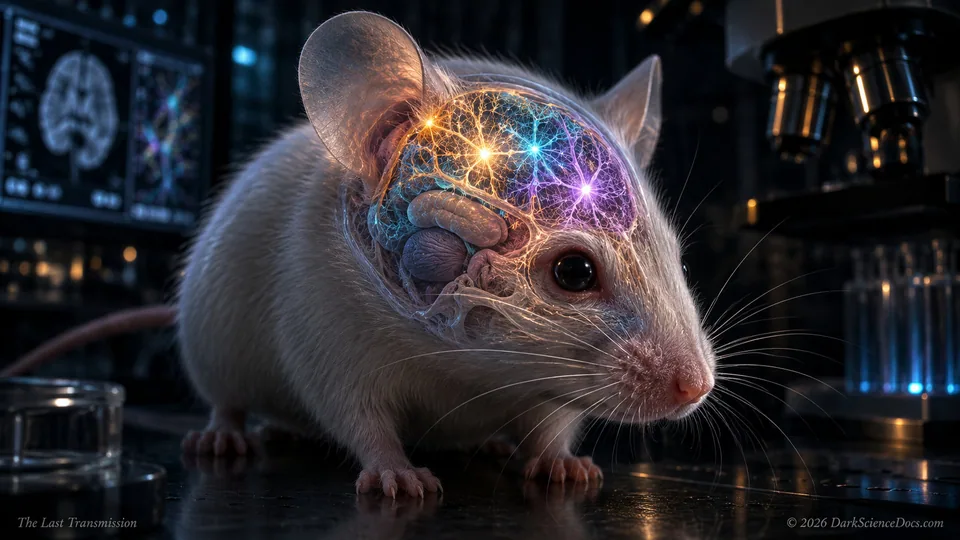
They Grew a Human Cortex Inside a Mouse. Then They Tested Its Memory.
Scientists created mice whose cortical tissue was almost entirely derived from human cells. The tissue grew, formed connections, generated electrical activity, and revealed something extraordinary.
They Found Plutonium at the Bottom of the Pacific. The Explosion That Made It May Be Over 95 Million Years Old.
Deep beneath the ocean, scientists discovered radioactive debris from beyond Earth. The most disturbing clue was an element they could not find.
The Blows That Nearly Killed Earth May Have Helped Bring It to Life
A model identifies a window for life’s chemistry 4.33 billion years ago. The unsettling question is whether Earth was the only world to take advantage of it.