
58 / The label and the world
What a Habitable-Zone Label Cannot See
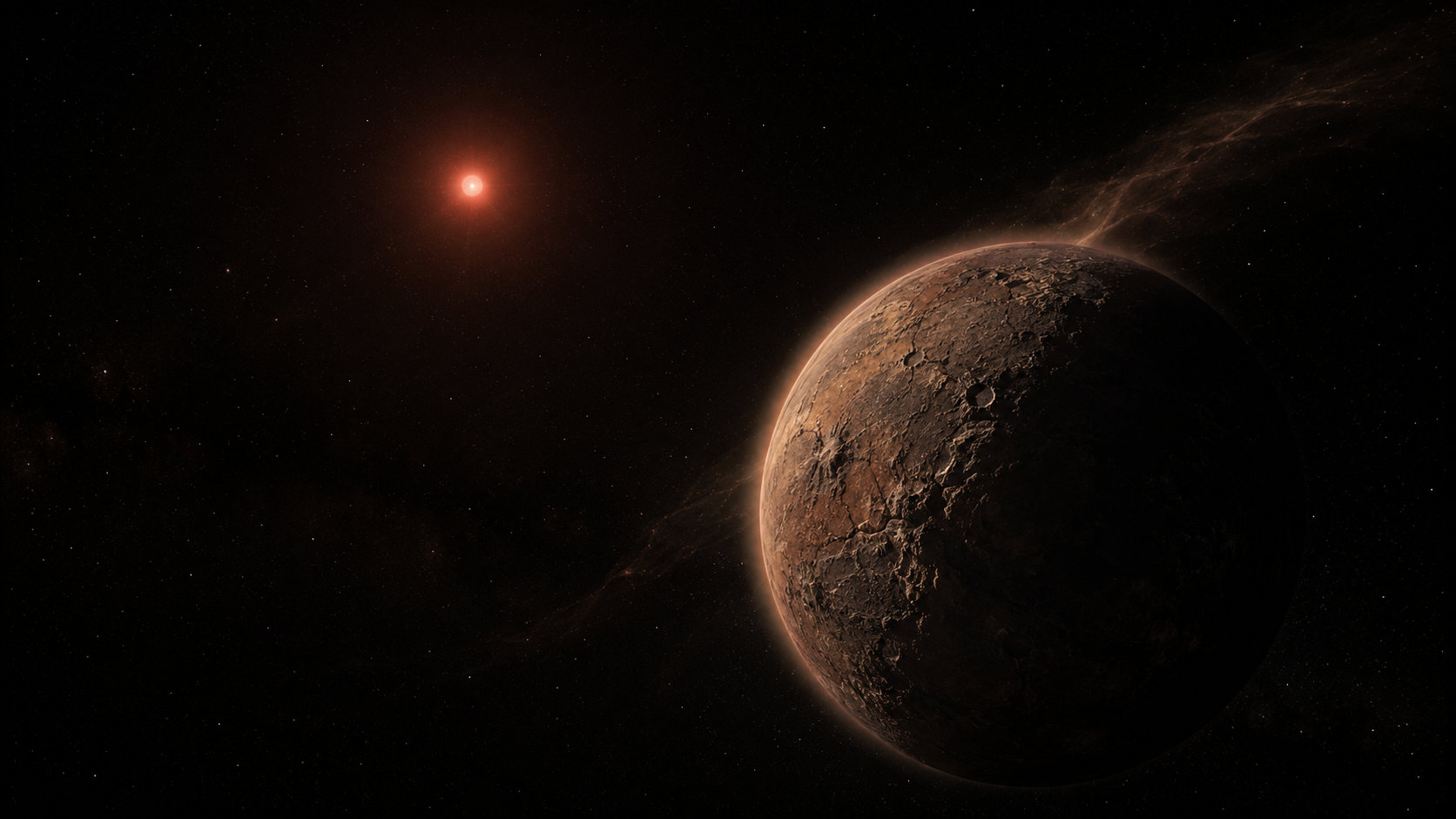
A planet can receive the right amount of starlight for surface water under suitable conditions and still lack the atmosphere, pressure, or long-term stability that water requires.
An orbit is measurable before a distant surface is. Astronomers use the star's brightness and a planet's path to estimate whether liquid water could persist with a suitable atmosphere. That calculation is a useful first filter, not a report from the ground. A close-orbiting world around an active red dwarf may face atmospheric erosion or intense radiation; a different world could have a thick protective envelope. The next observations must ask about air and temperature before the word 'habitable' can carry more weight.
The full investigation continues with the evidence, illustrations, and sources at The Last Transmission on Substack.
Continue reading on SubstackTHE EVIDENCE / THE OPEN QUESTION
What we know.
NASA defines the habitable zone in terms of stellar distance and the possibility of surface liquid water under appropriate planetary conditions. Models of Proxima b illustrate how atmospheric escape under stellar activity can complicate a promising orbit.
What remains open.
For many small rocky exoplanets, atmospheric composition and surface conditions have not been measured well enough to decide whether water survives. A modeled loss of an Earth-like atmosphere is not a direct observation that a particular planet is airless.
Why it matters.
The label points a telescope toward a question rather than answering it. Distinguishing a target list from a discovery of life keeps the search ambitious and honest at the same time.
FOLLOW THE EVIDENCE
Research behind the field note.
EXPLORE IN 3D / MAP 05
Test the habitable-zone shortcut
Visit Venus, a nearby rocky world whose clouds, pressure, and surface complicate simple labels of habitability.
Open Venus mapFOLLOW THE THREAD
Related signals.
The Planets That Could Be Better Than Earth Have One Terrifying Problem
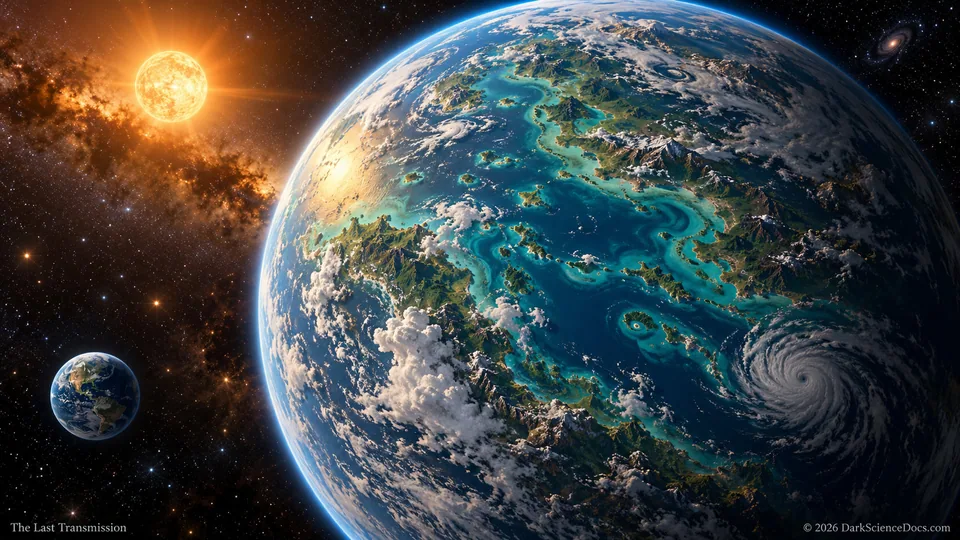
Scientists have identified distant worlds that may offer life conditions more favorable than our own. Some could have warmer oceans, longer-lived suns, and billions of extra years for evolution.
A Planet 64 Light-Years Away Is Firing Radio Bursts Into Space
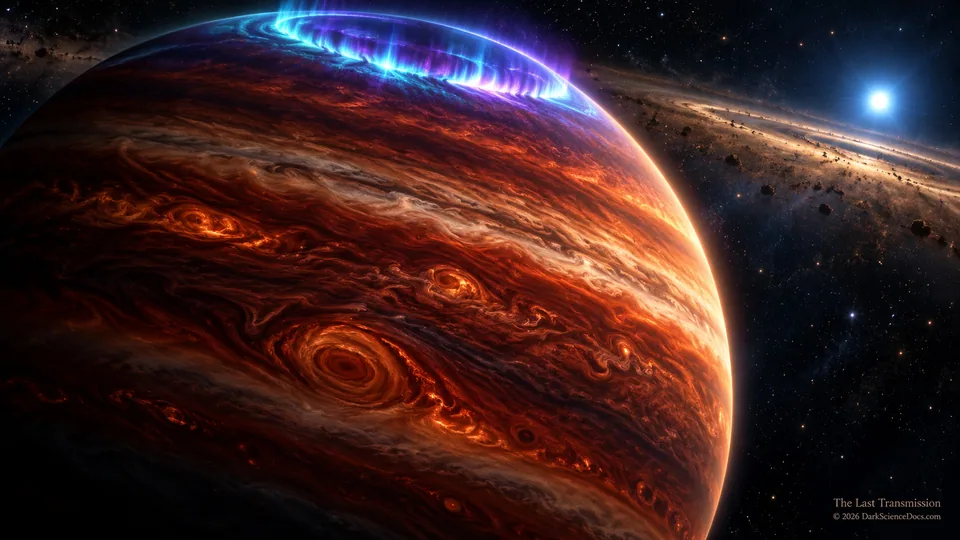
A study traces the signal to a young giant planet and infers a magnetic field of at least 1,250 gauss where the bursts originate. The discovery could open a way to investigate worlds.
The Blows That Nearly Killed Earth May Have Helped Bring It to Life
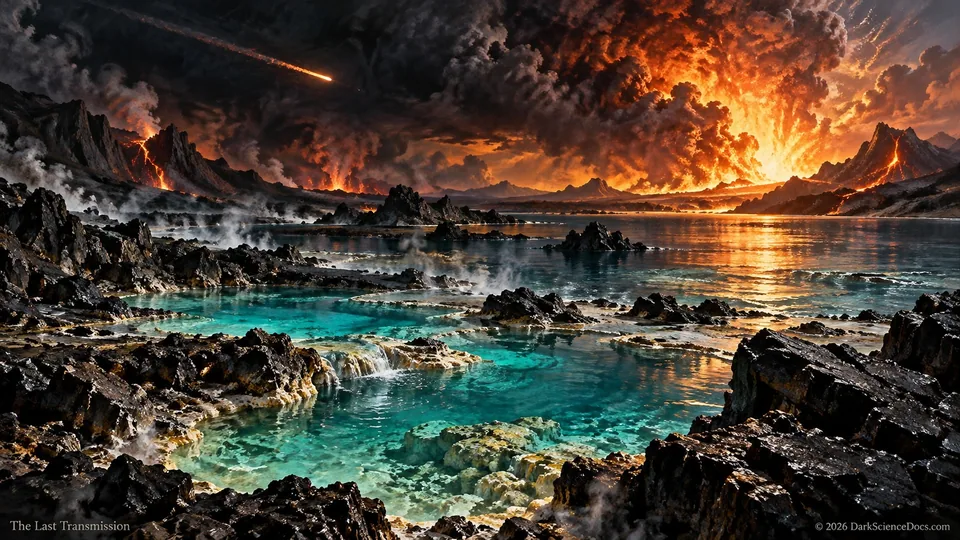
A model identifies a window for life’s chemistry 4.33 billion years ago. The unsettling question is whether Earth was the only world to take advantage of it.