
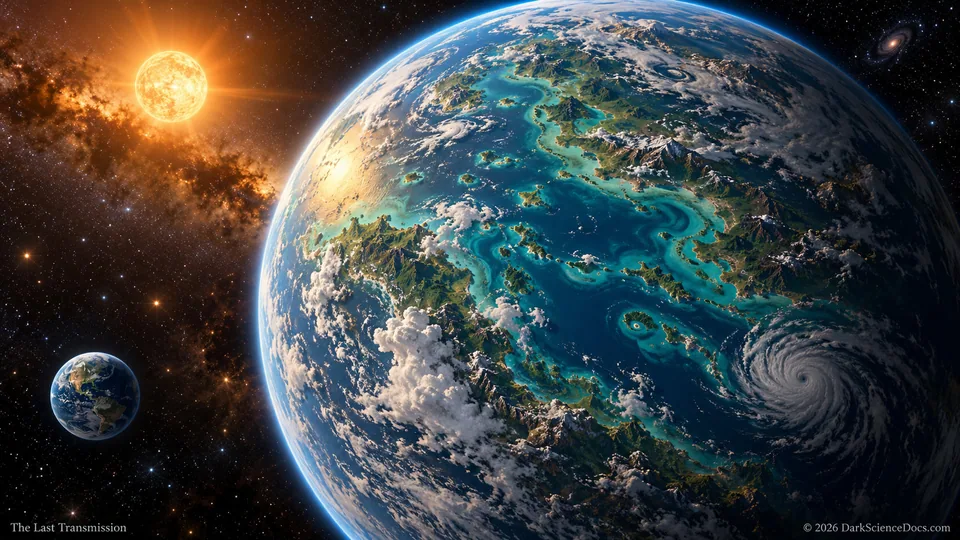
08 / Habitability / the missing atmosphere
A Better Earth Still Has to Keep Its Air
A temperate orbit is a promising address, but a livable planet also needs a history that preserves the right surface conditions. The superhabitable-world idea turns that gap into a testable research question.
The most tempting planets are often described through what Earth has taught us to recognize: moderate stellar heating, a rocky size, and enough time for biology. Researchers have proposed that other combinations of age, host star, land and shallow seas could support even richer ecosystems. Those criteria organize a search rather than identify an inhabited world. A transit supplies a planet’s size and orbital timing; stellar information helps estimate the radiation it receives. Air, surface pressure, water circulation and geological recycling require further observations or models. The distance between an attractive candidate and a confirmed living environment is therefore a chain of missing measurements.
The full investigation continues with the evidence, illustrations, and sources at The Last Transmission on Substack.
Continue reading on SubstackTHE EVIDENCE / THE OPEN QUESTION
What we know.
Superhabitability is a comparative framework, and published candidate lists include objects whose planetary status or environmental properties still need confirmation. The atmospheric dispute at LHS 1140 b makes the problem concrete. A ground-based helium claim and subsequent Webb nondetections concern escaping gas under particular observing conditions. Two Webb analyses use the same four transits, so they must not be counted as eight separate visits.
What remains open.
A missing helium feature does not establish a missing atmosphere, and a reported escape feature does not prove a surface ocean. Variability, stellar behavior, observing geometry and analysis choices can change the interpretation. The plausible climate of an artist’s ocean world remains different from a measured climate. No planet in this article has been demonstrated to support more life than Earth.
Why it matters.
The useful next step is to ask what observation could eliminate a competing environmental explanation. Repeated spectra, improved stellar characterization and independent measurements can progressively narrow the possibilities. A favorable orbit gives scientists a place to look; an atmosphere has to earn its interpretation through evidence.
WATCH THE DOCUMENTARY
Most “Habitable” Planets May Be Deathtraps
A planet can orbit at the right distance for liquid water and still face radiation, atmospheric loss, or a hostile surface.
FOLLOW THE EVIDENCE
Research behind the field note.
EXPLORE IN 3D / MAP 06
Explore Earth and the Moon
Compare the nearby Earth–Moon system in an interactive teaching model. The explorer does not reconstruct the impact event or an unmeasured exoplanet climate.
Open Earth & Moon mapVISUAL EVIDENCE
Inside the investigation.


FOLLOW THE THREAD
Related signals.
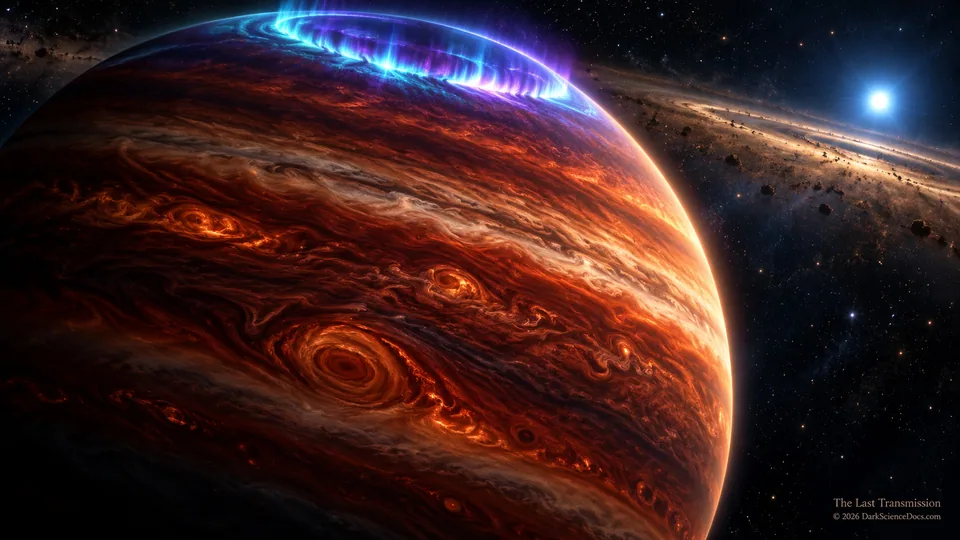
A Planet 64 Light-Years Away Is Firing Radio Bursts Into Space
A study traces the signal to a young giant planet and infers a magnetic field of at least 1,250 gauss where the bursts originate. The discovery could open a way to investigate worlds.
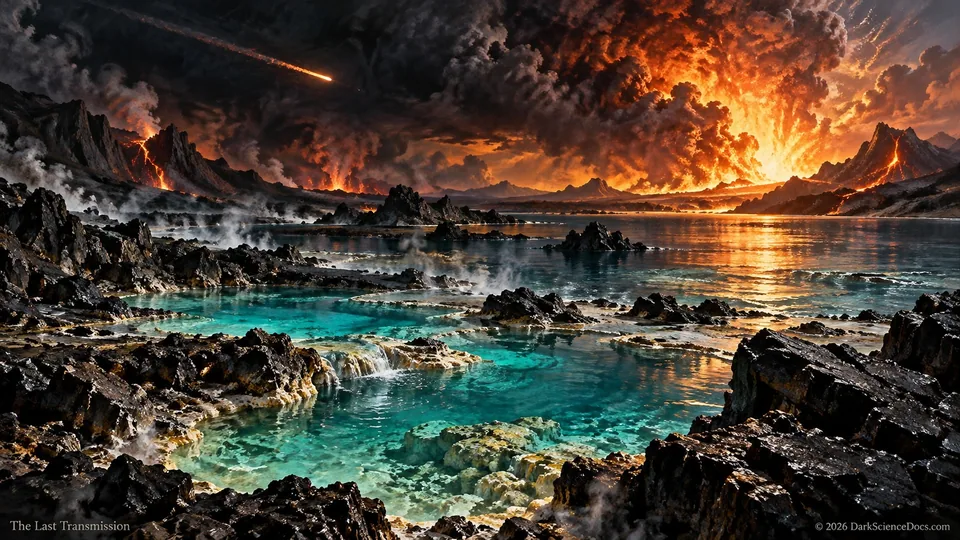
The Blows That Nearly Killed Earth May Have Helped Bring It to Life
A model identifies a window for life’s chemistry 4.33 billion years ago. The unsettling question is whether Earth was the only world to take advantage of it.
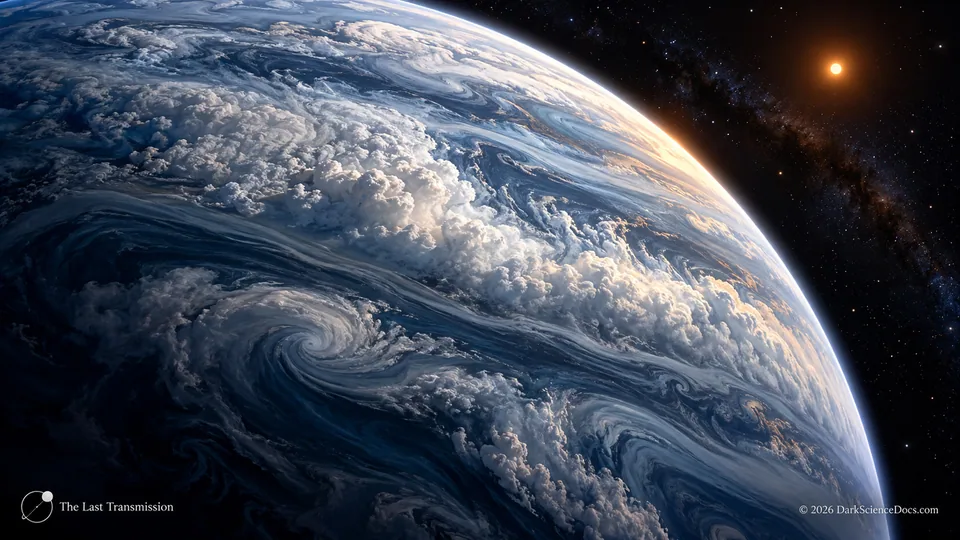
The Alien Planet That Exposed a Blind Spot in the Search for Life
Webb found a cold giant just 12 light-years away. Its unexpectedly weak ammonia signature raises a question we need to answer before interpreting another Earth.