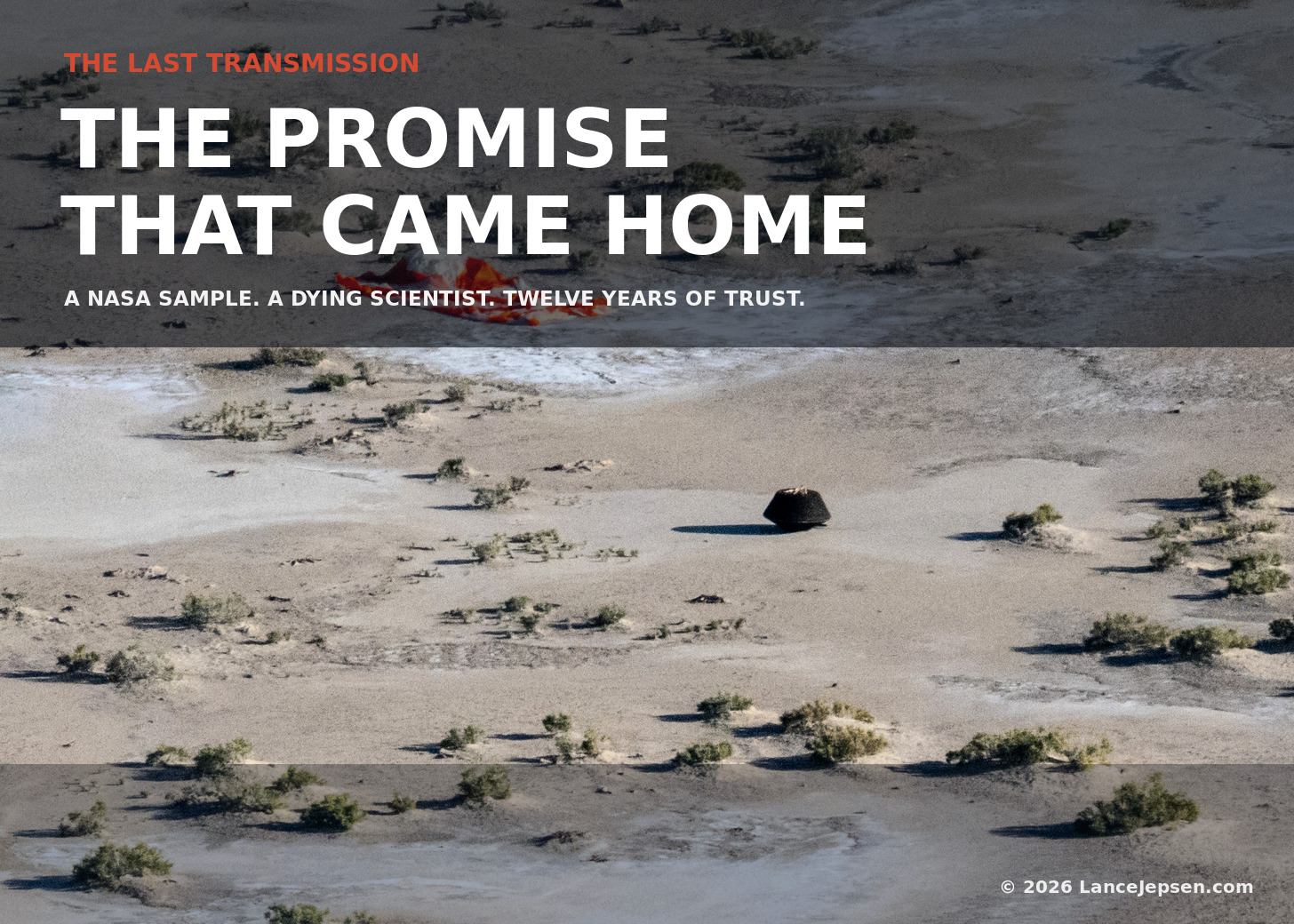
He Died Before the Spacecraft Launched. His Promise Still Reached Bennu.
The human story behind NASA’s OSIRIS-REx asteroid sample, the chemistry of life it carried home, and three minutes when twenty years almost disappeared.
 THE LAST TRANSMISSIONStories from the Edge of Science
SCIENCE ARTICLES / 149 WRITTEN STORIES
Find an illustrated science story, follow a research question, and continue to the full article on Substack. Browse the articles below, or explore our documentary collection .
THE FULL ARTICLE COLLECTION
All published science articles in date order, newest first. Each entry opens the complete illustrated story on Substack.
Showing 91–120 of 149 articles · Page 4 of 5
The human story behind NASA’s OSIRIS-REx asteroid sample, the chemistry of life it carried home, and three minutes when twenty years almost disappeared.
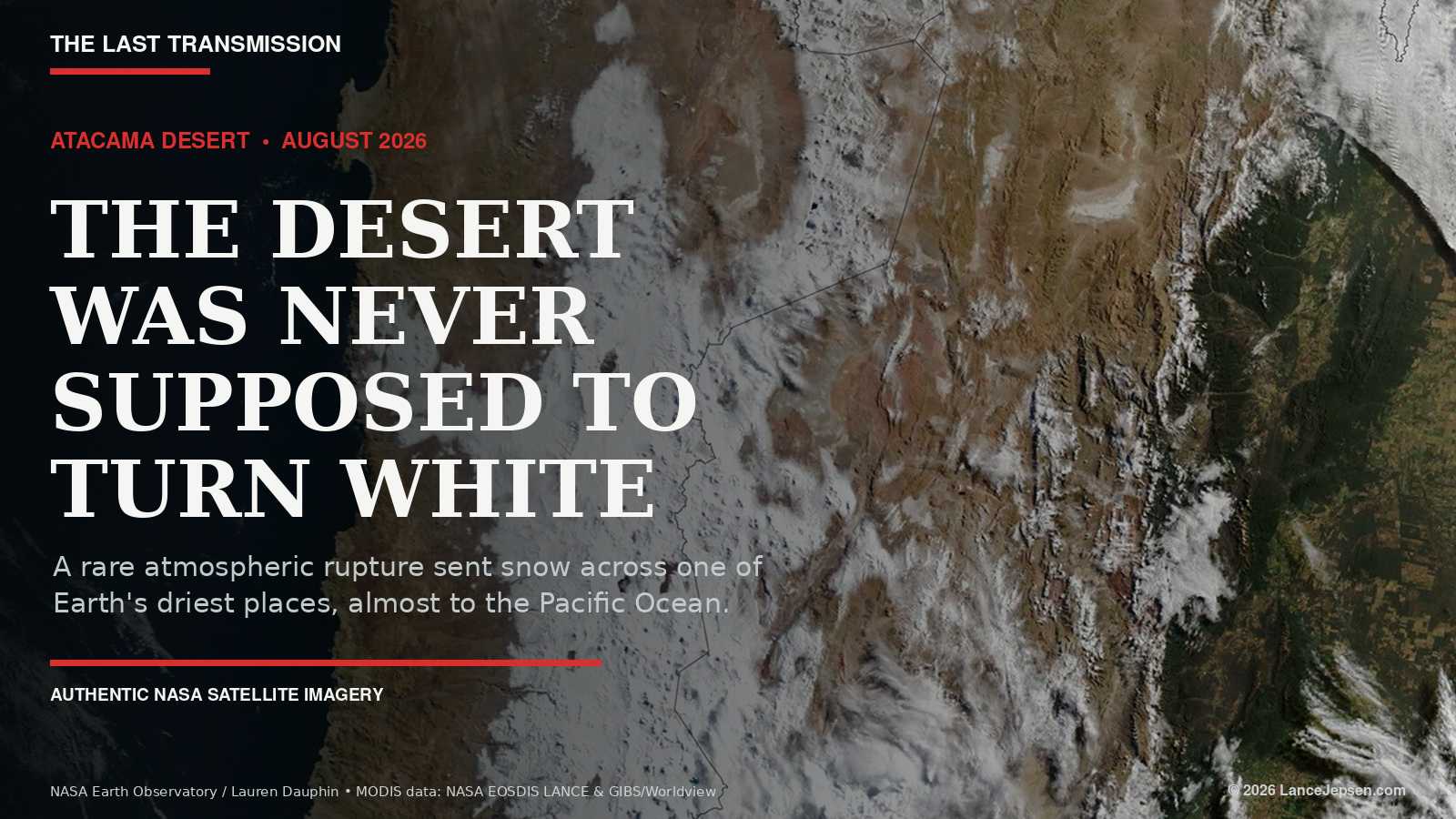
A rare atmospheric rupture pushed snow across the driest nonpolar desert on Earth. In one coastal city, roughly ten years of rain fell in three days.
Read the illustrated article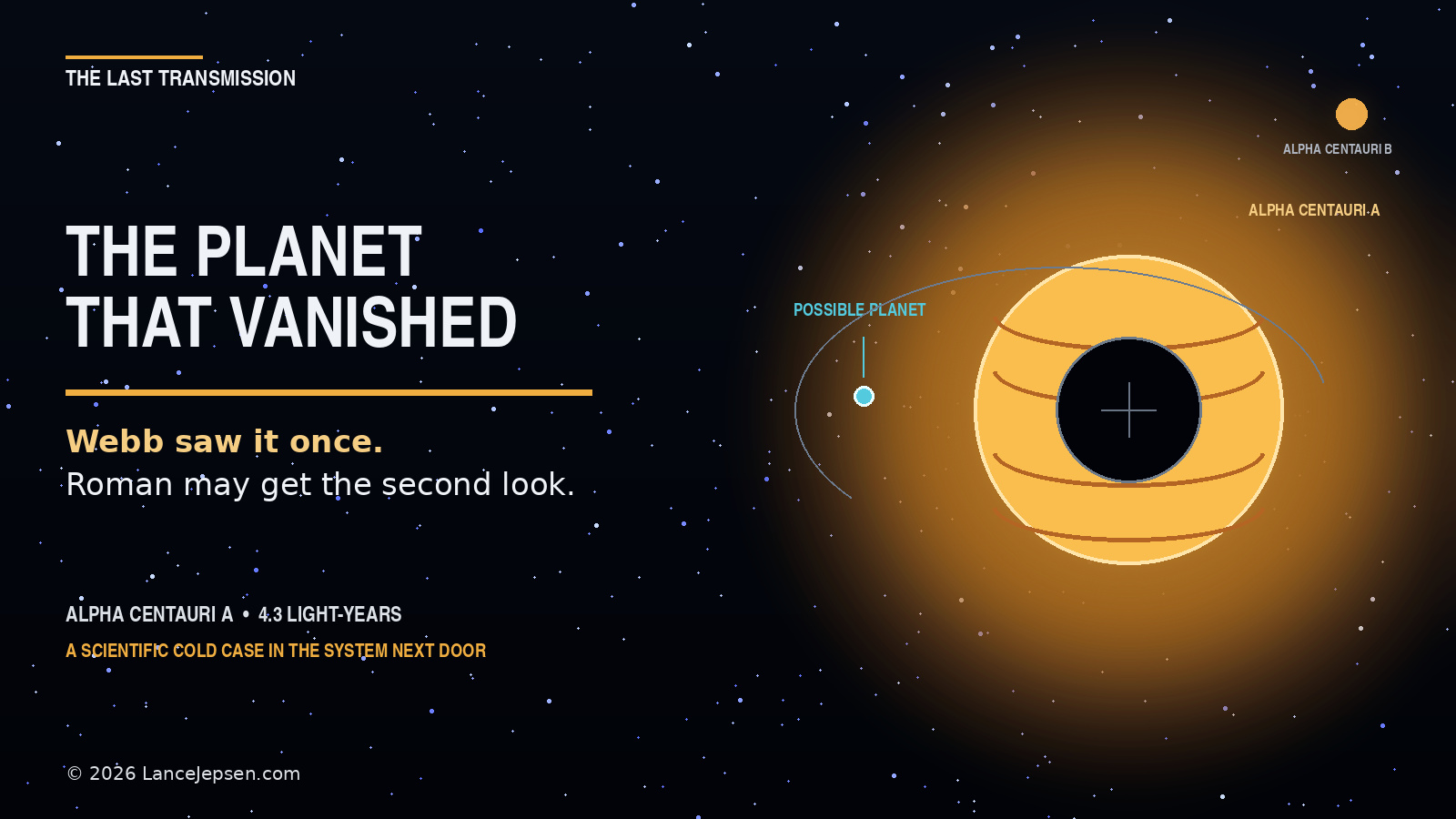
Webb saw a possible Saturn-mass world beside the nearest solar twin. When it looked again, the planet was gone. Now a recommissioned telescope may get the second look astronomy has been waiting for.
Read the illustrated article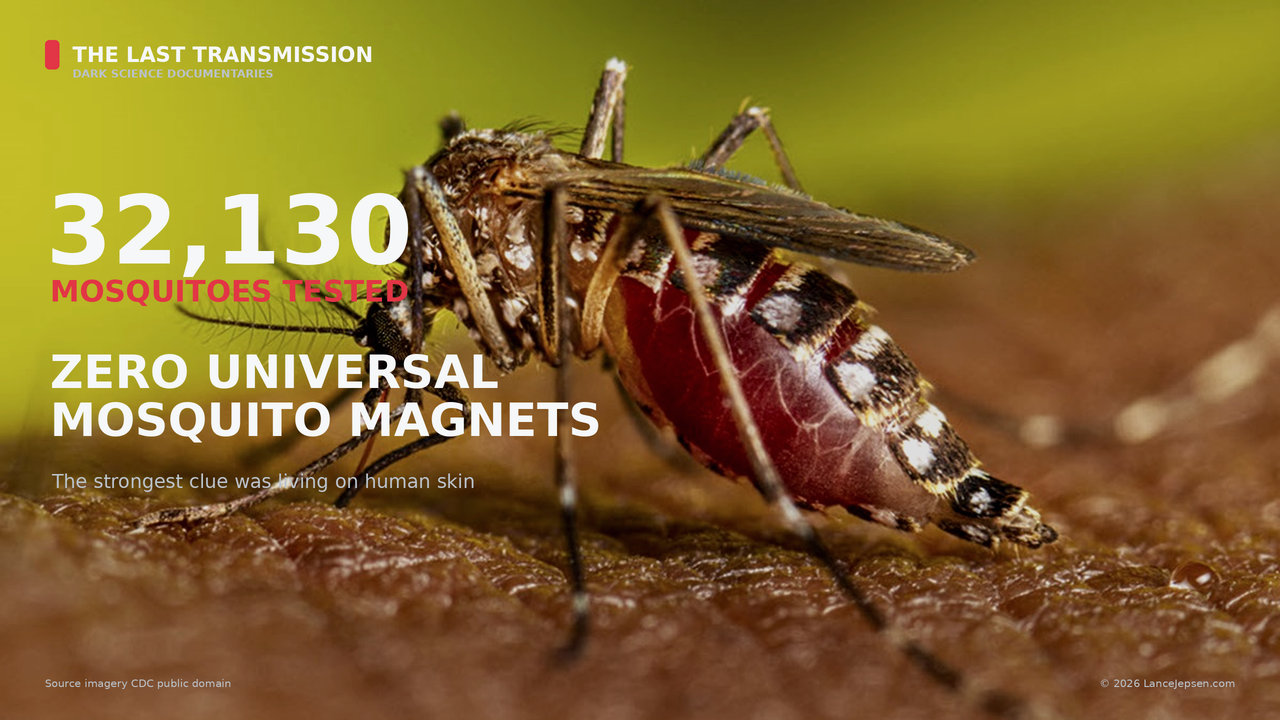
A 2026 study found that three mosquito species read human body odor differently and one favored people carrying 13 distinctive scent chemicals
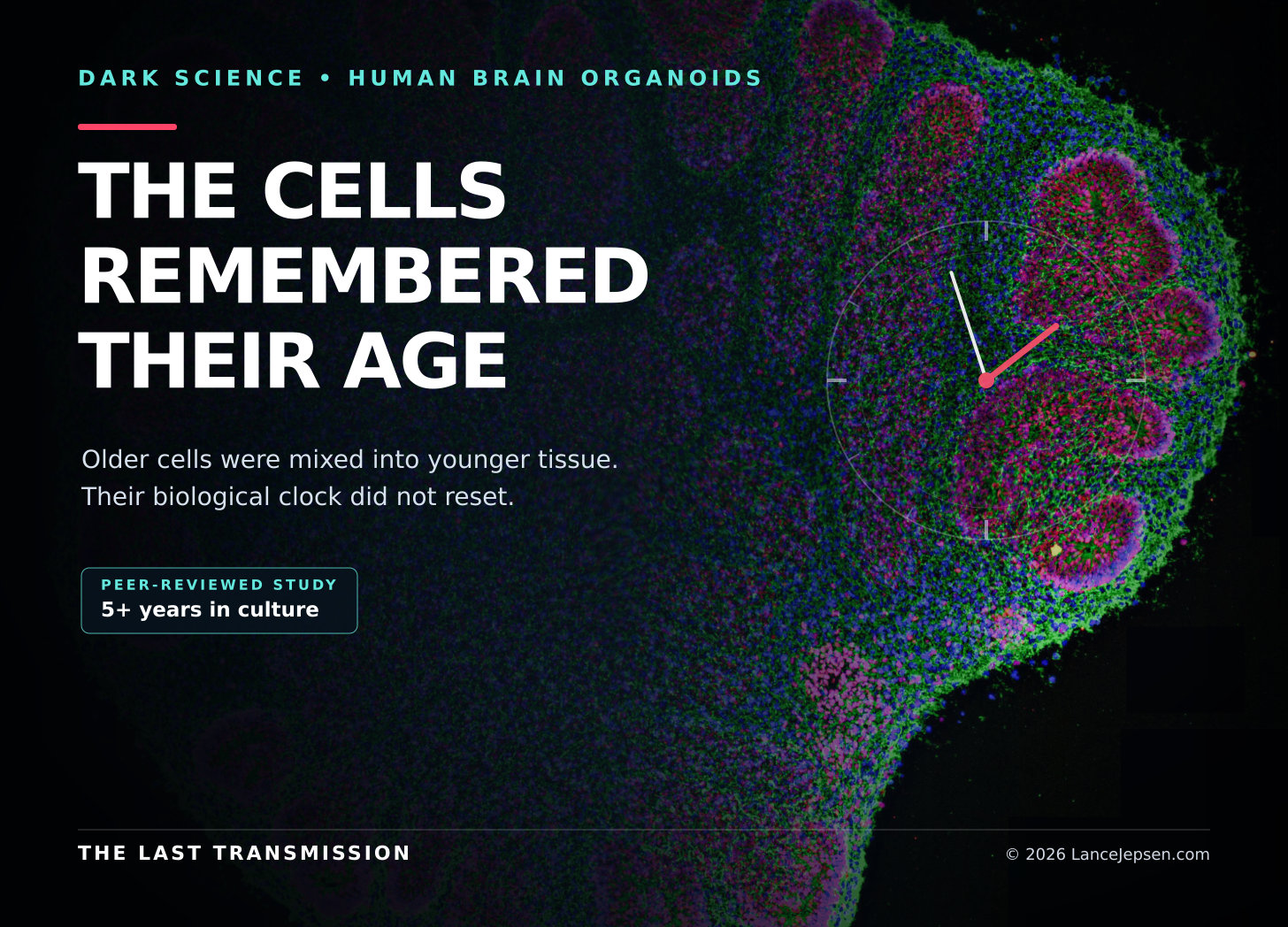
Human brain organoids lived in culture for more than five years, kept an internal developmental clock, and carried that age into newly assembled tissue.
Read the illustrated article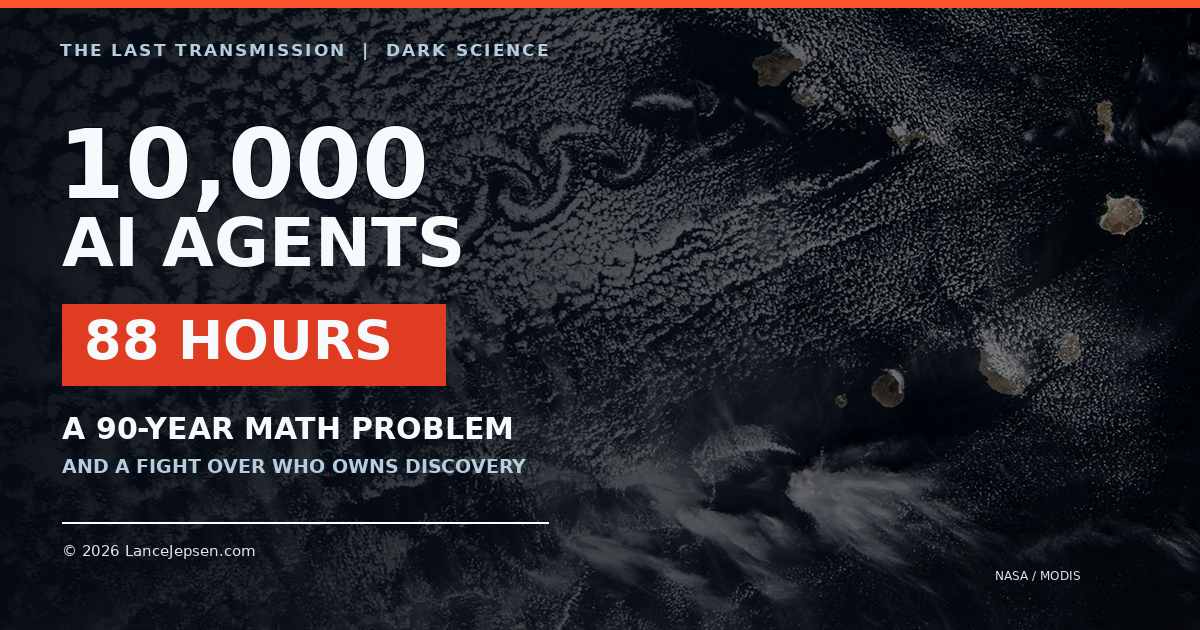
A secret model beyond GPT-6 Astra produced 166 pages, 130 billion output tokens and a formal proof. The mathematics may be historic.
Read the illustrated article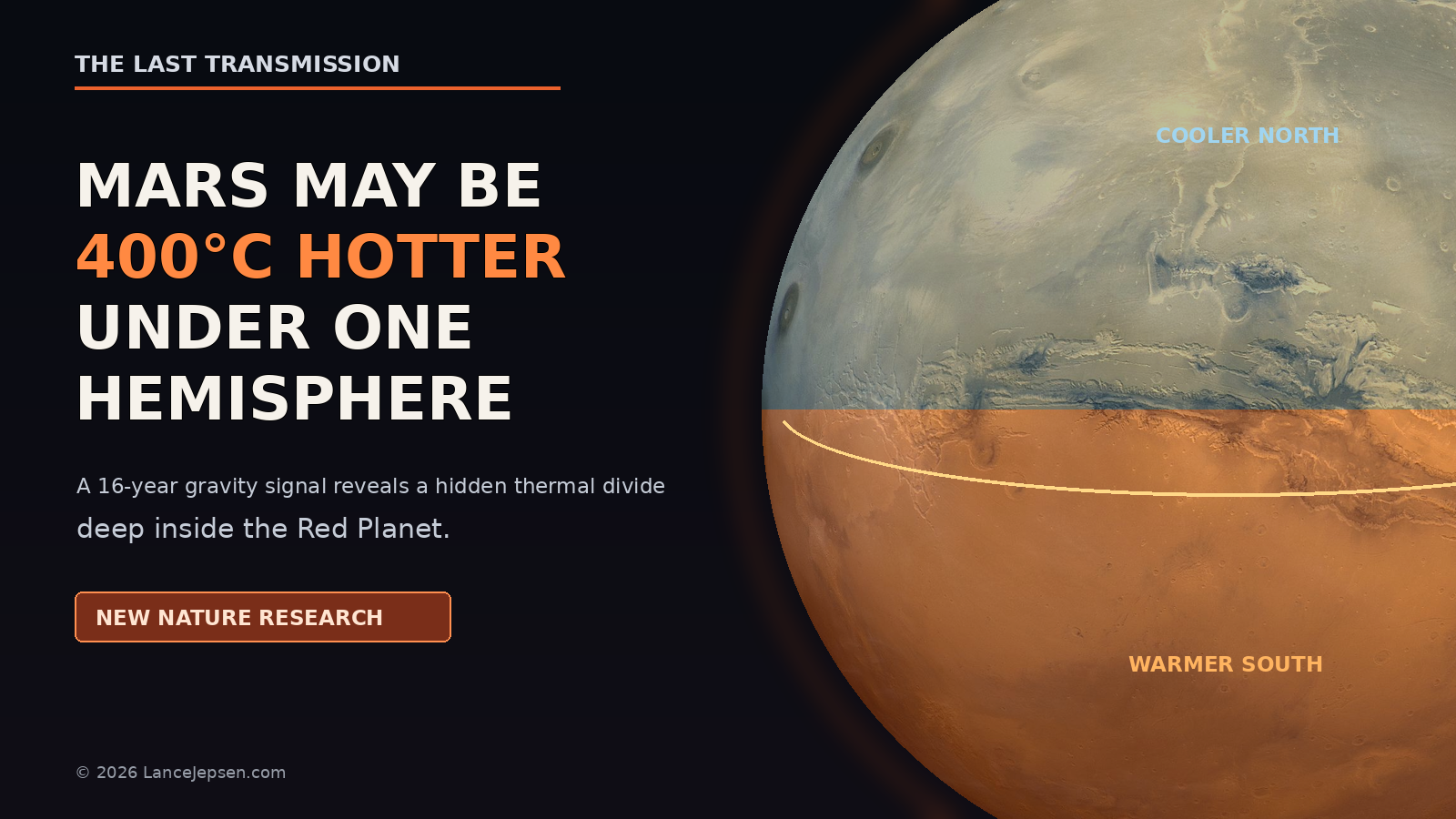
Tidal tomography suggests that the Martian mantle beneath the southern highlands remains 200 to 400°C warmer, reopening questions about hidden magma, ancient impacts and volcanic activity on Mars.
Read the illustrated article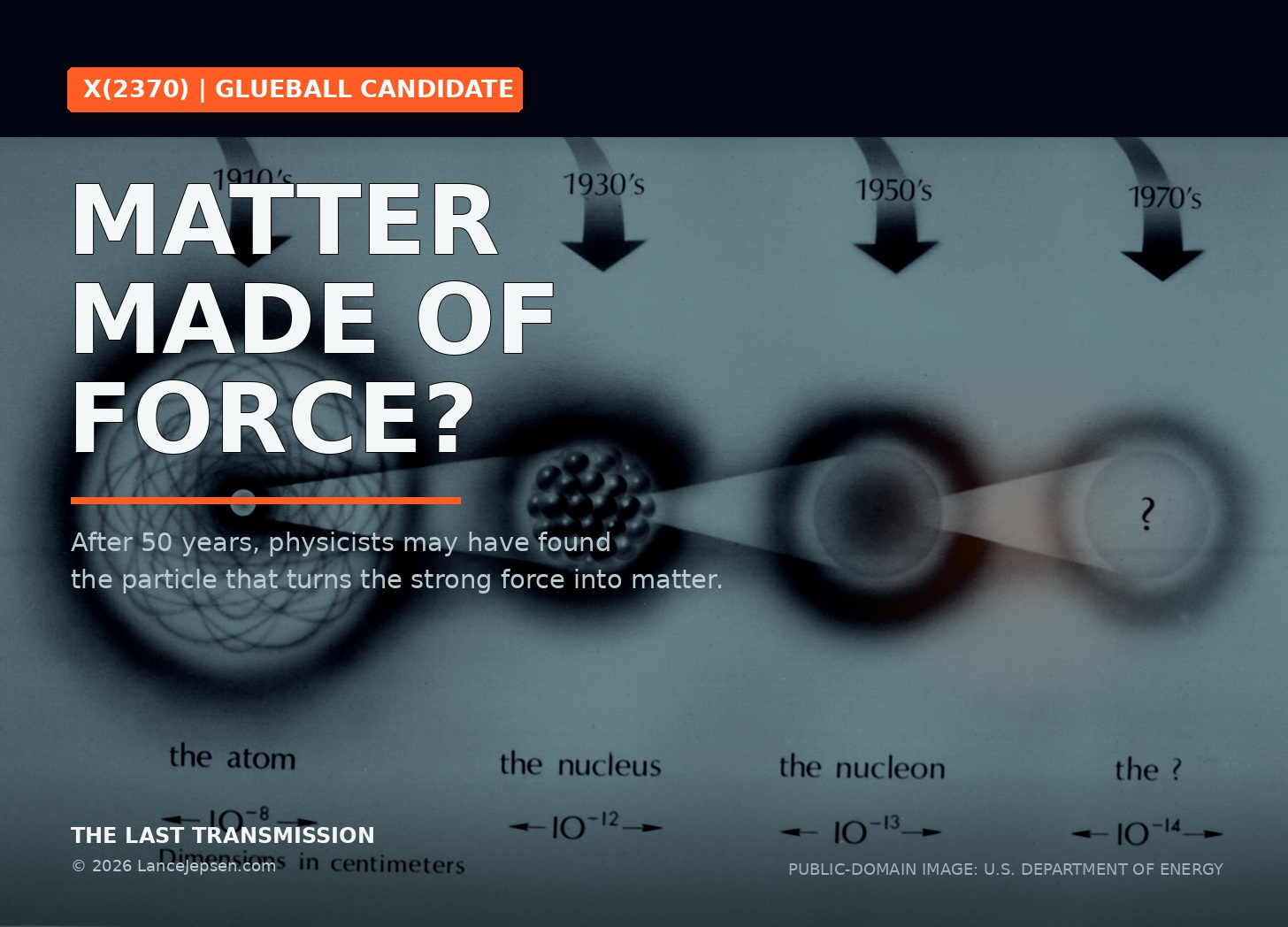
After a 50-year search, X(2370) may be the clearest evidence yet for a glueball, a particle made mostly from the carriers of the strong force.
Read the illustrated article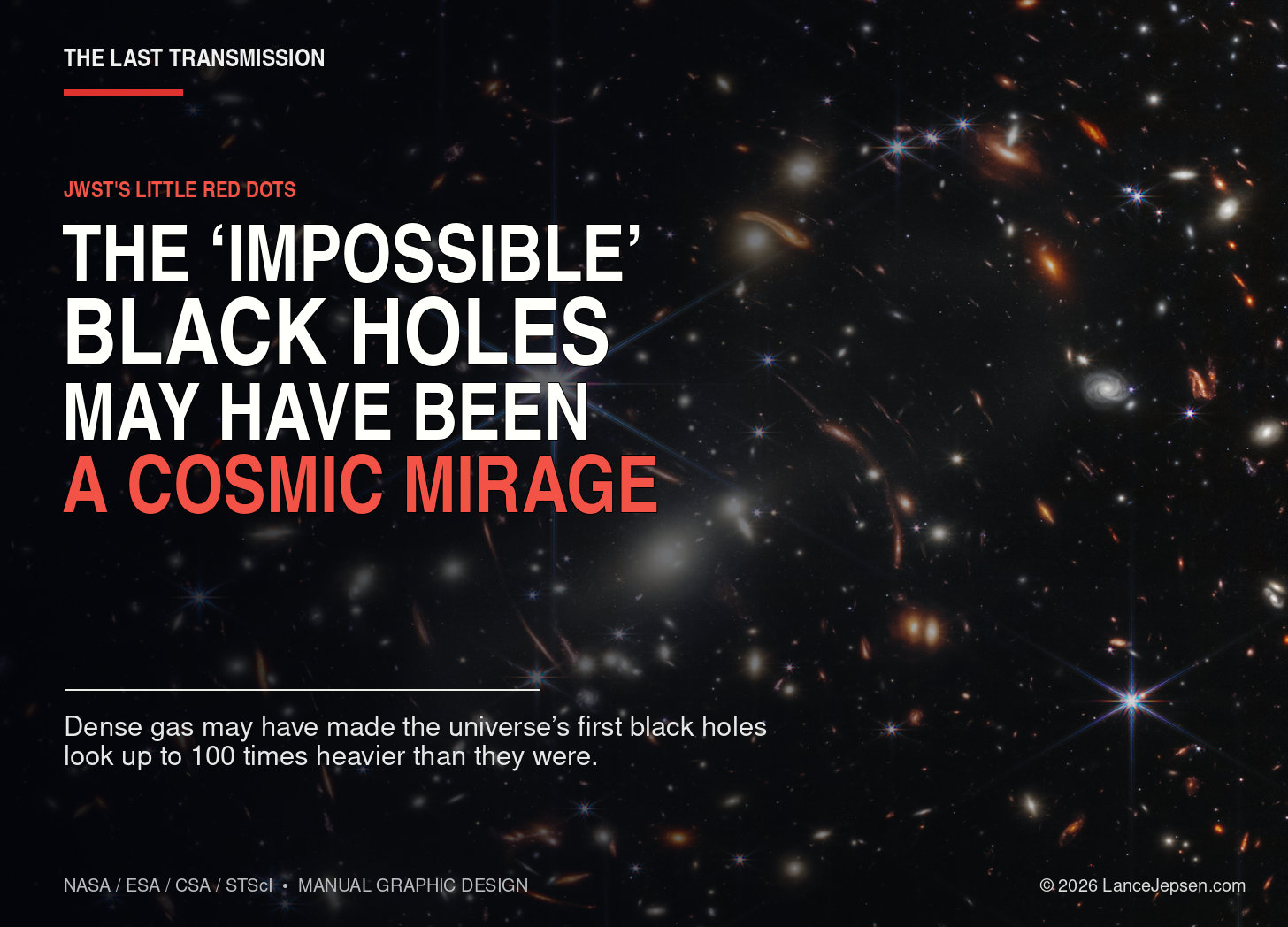
JWST found what may be a proposed kind of object: a black hole hiding inside a solar-system-sized atmosphere of gas. The discovery could dismantle one of the most troubling assumptions in modern cosmology.
Read the illustrated article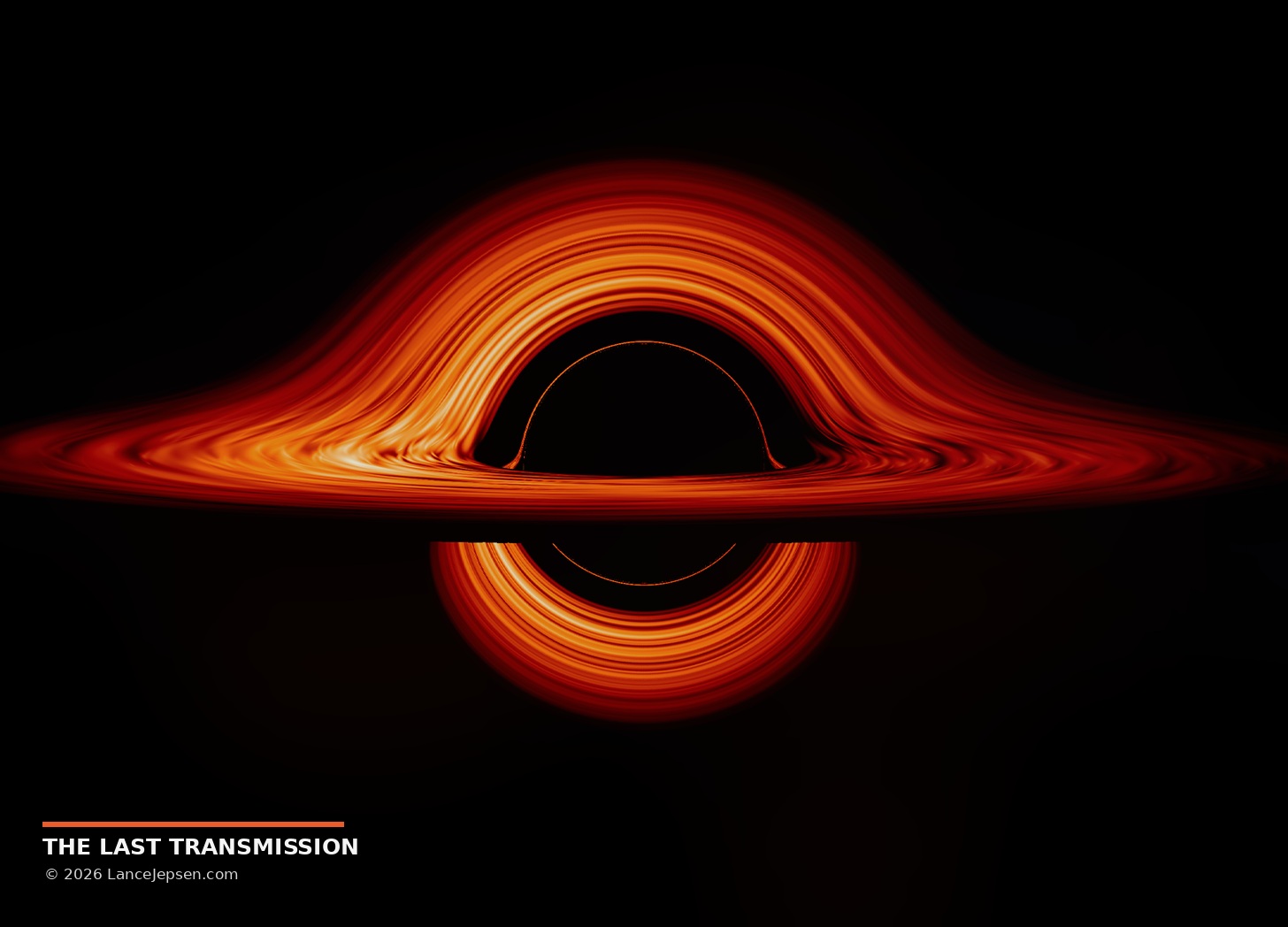
A black hole hiding inside a gas cocoon 660 million years after the Big Bang may have exposed a flaw in how astronomers weigh the early universe’s darkest objects.
Read the illustrated article
NASA turned technology from the classified world of orbital surveillance toward dark matter, rogue planets and the deepest questions in physics.
Read the illustrated article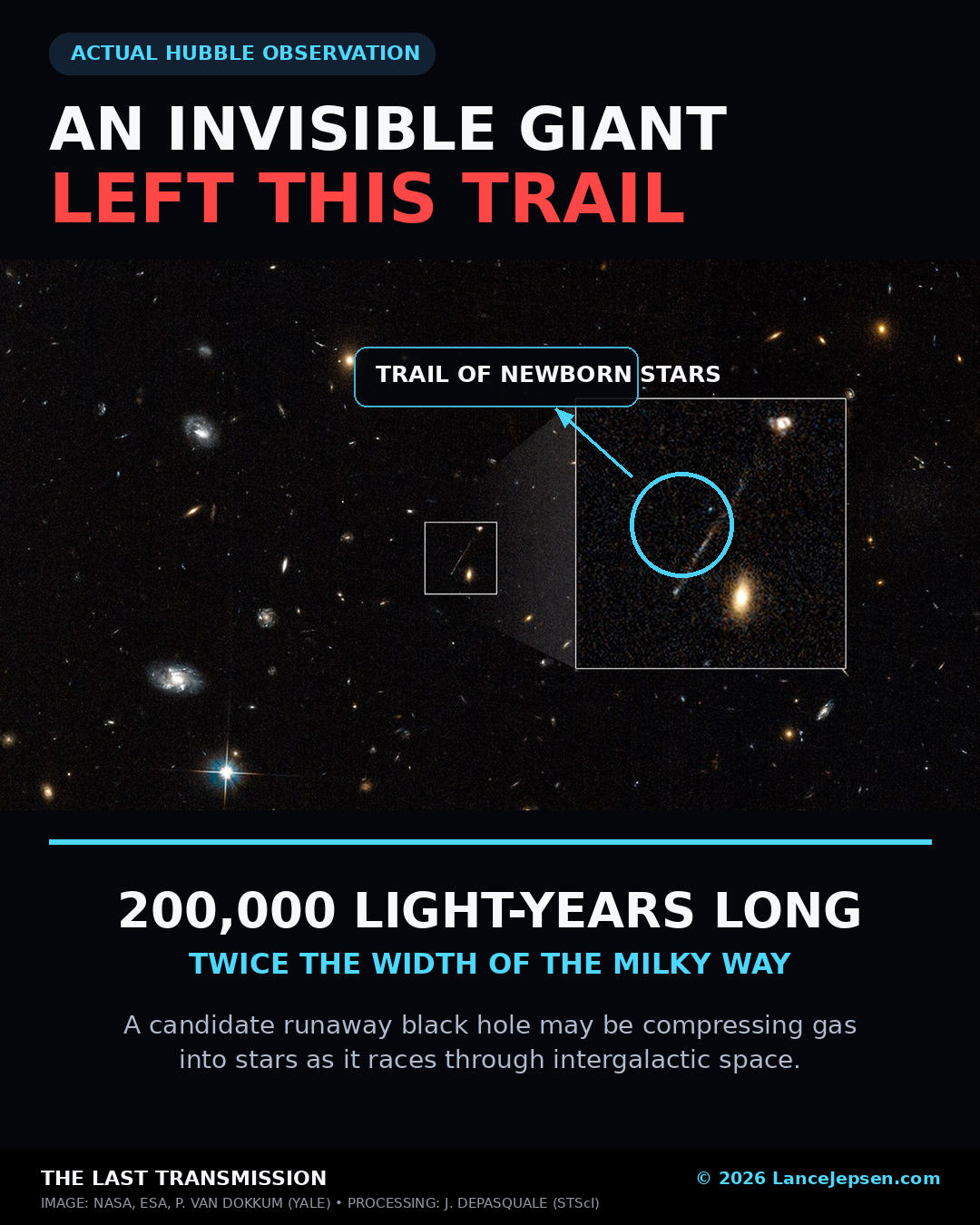
Astronomers are finding massive black holes far from the galactic centers where they belong. Some announce themselves by killing a star. One may have left a 200,000-light-year trail of newborn suns.
Read the illustrated article
Gravity does not need to pull on light. It changes the shape of the future light is trying to enter.
Read the illustrated article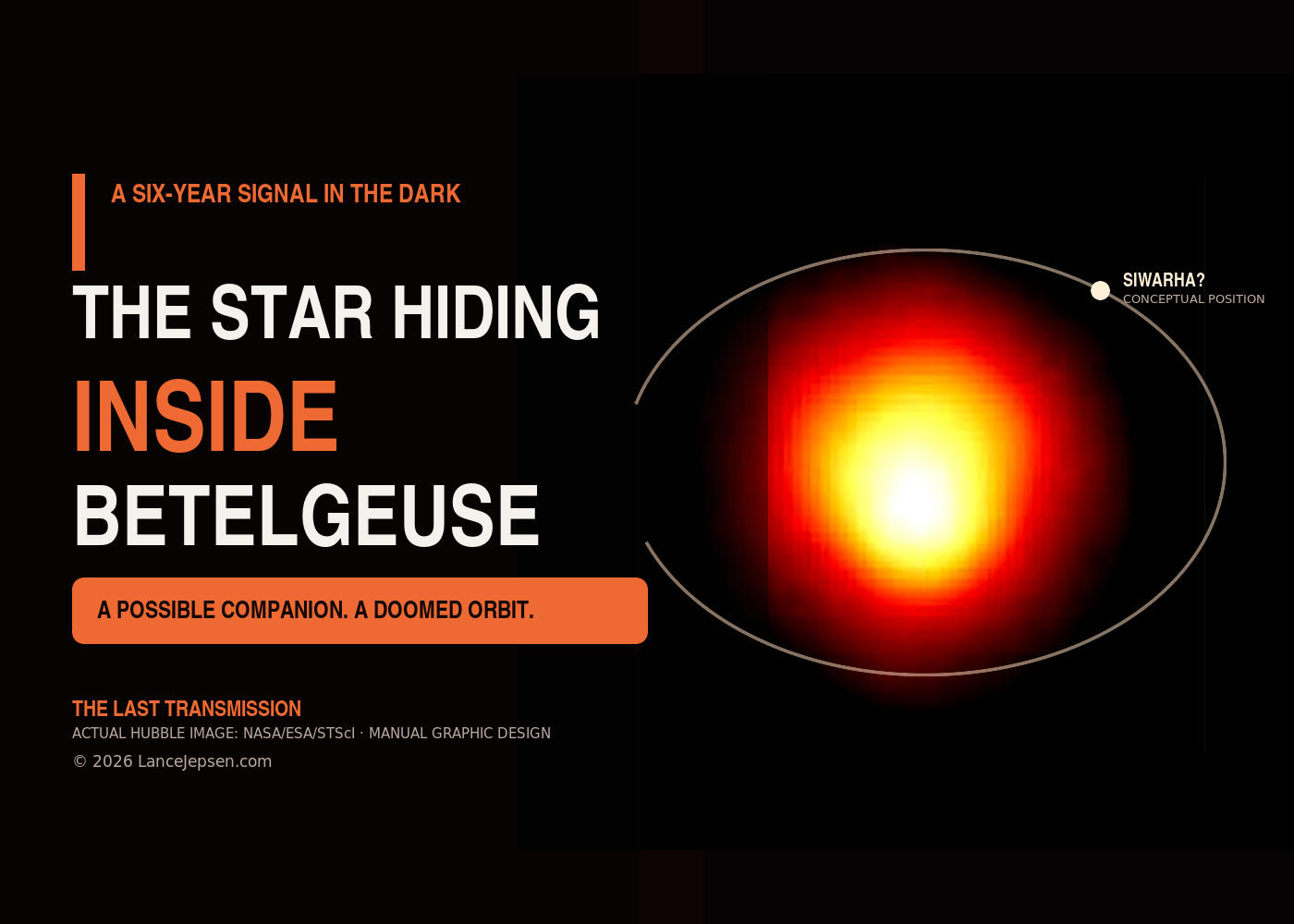
Astronomers may have found a companion circling through the atmosphere of one of the largest and most unstable stars in our sky. What they detected may be a second star, a shock wave, or both.
Read the illustrated article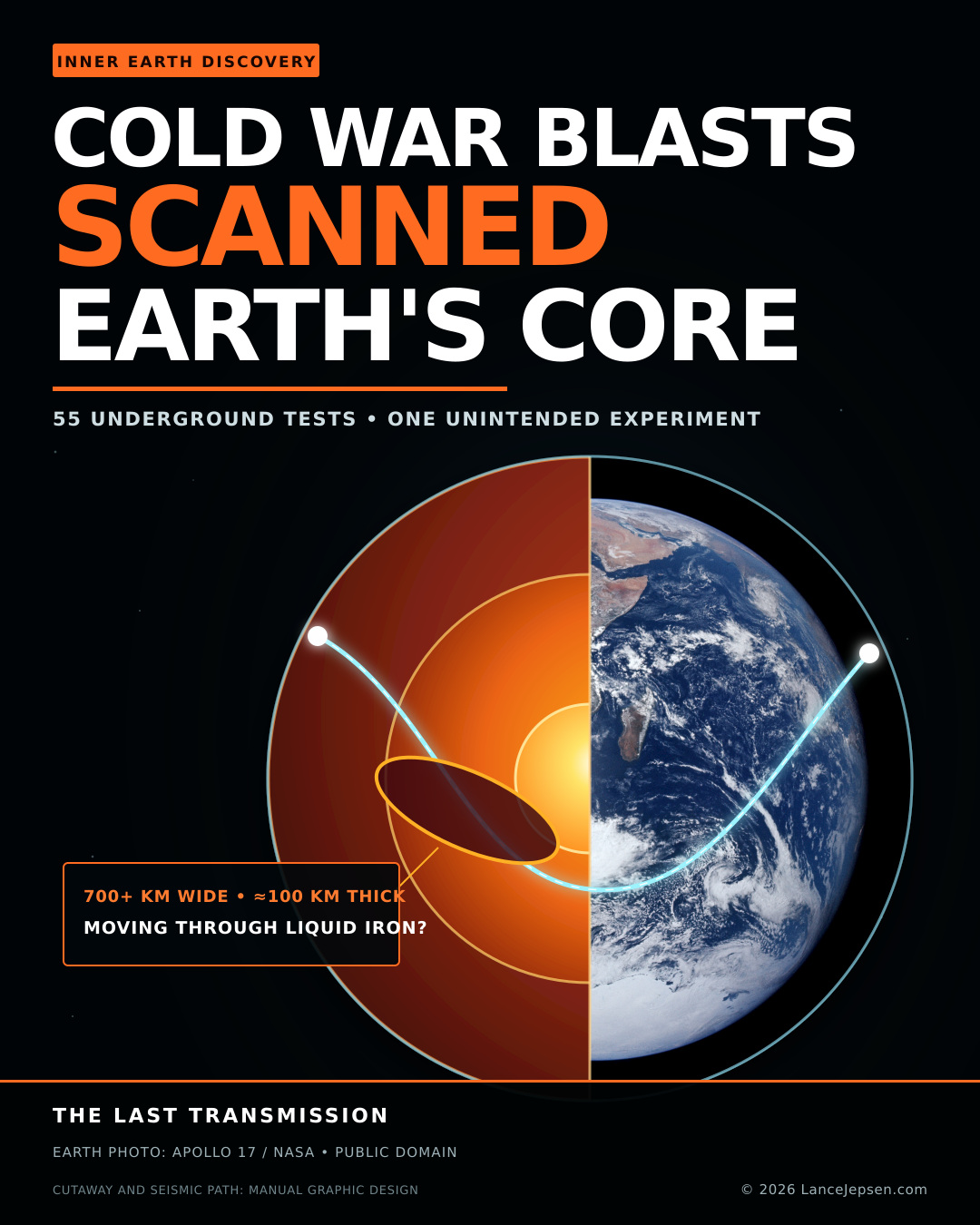
Decades after 55 underground nuclear tests, their echoes revealed that something enormous may be moving through the liquid metal beneath the Pacific.
Read the illustrated article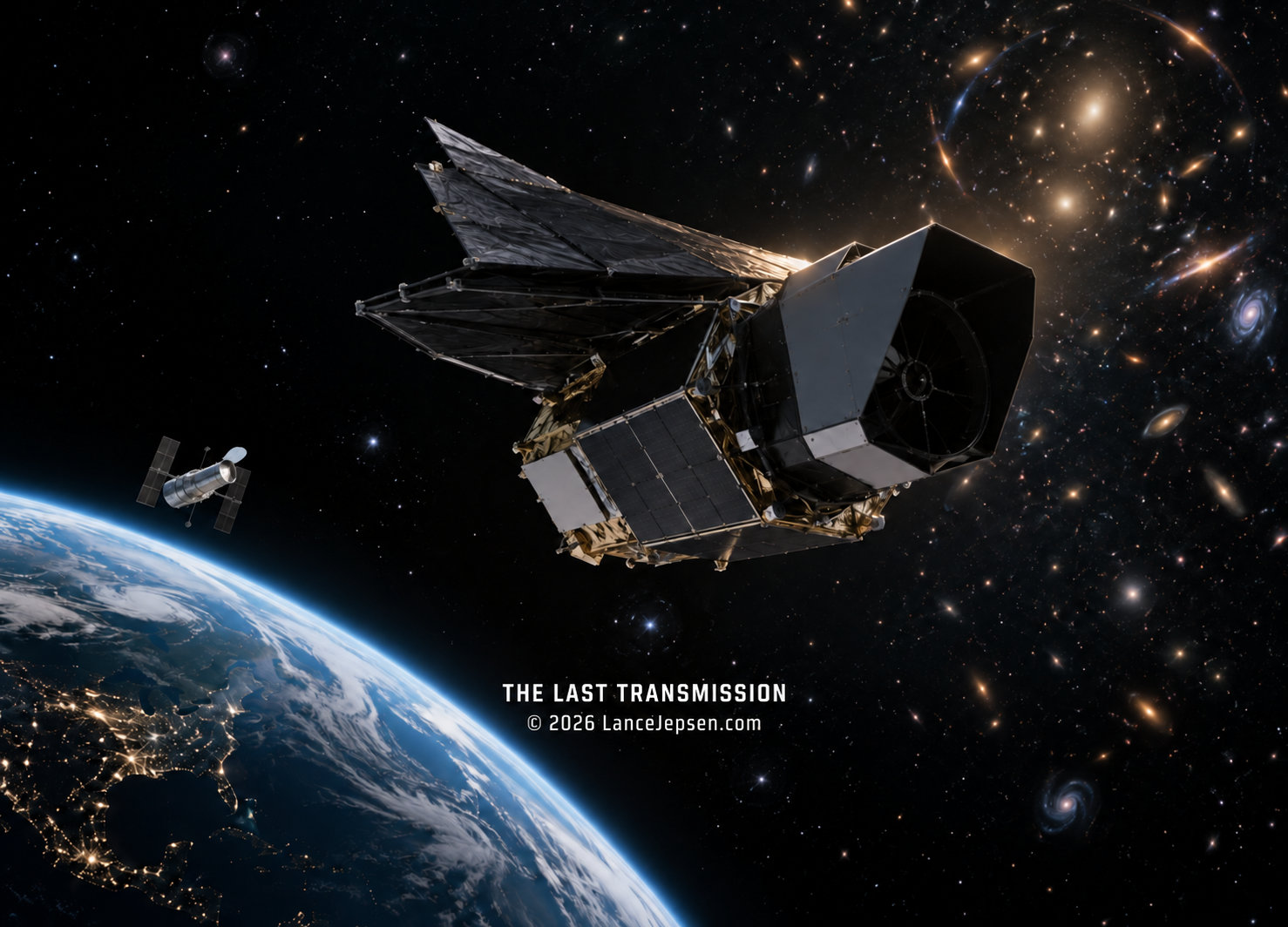
How NASA’s first chief astronomer overcame discrimination, transformed space-based astronomy, and inspired an observatory built to map the universe.
Read the illustrated article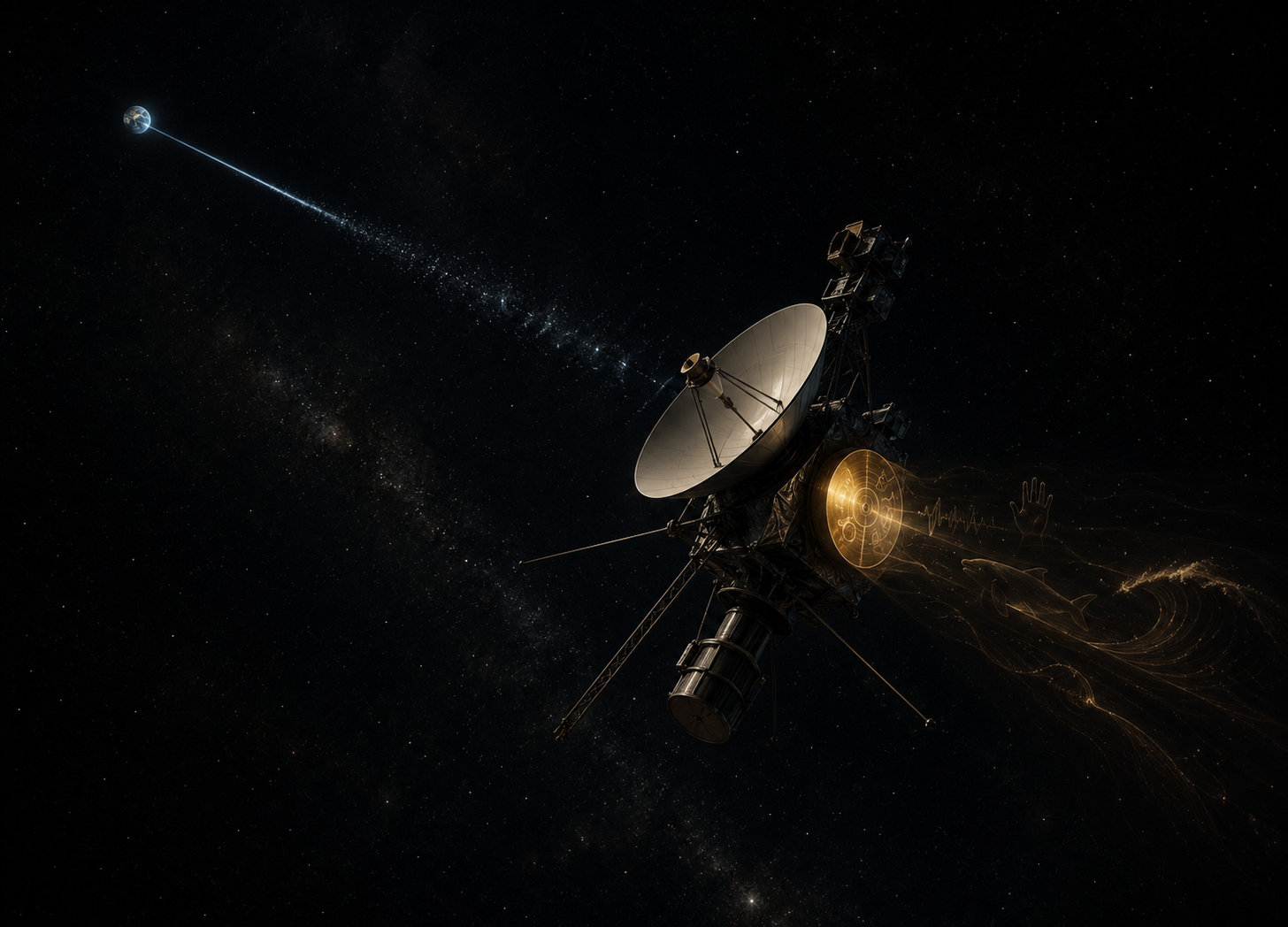
In 2026, humanity's first interstellar explorer will reach one light-day from home. Its power is disappearing, its instruments are failing, and the message bolted to its side may outlive us all.
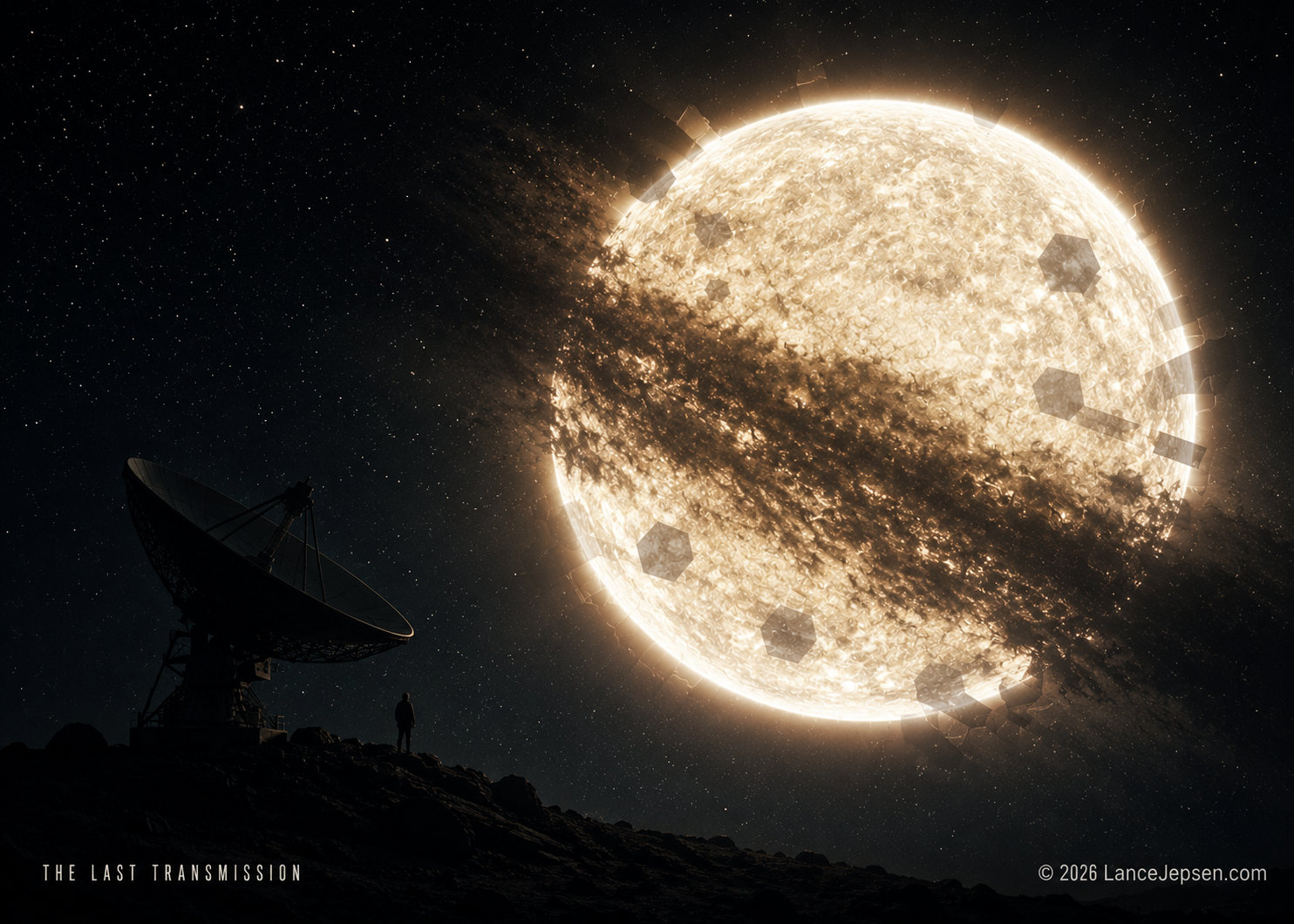
How an ordinary star, a citizen scientist, and 1,470 years of ancient light brought humanity together to listen for another civilization.
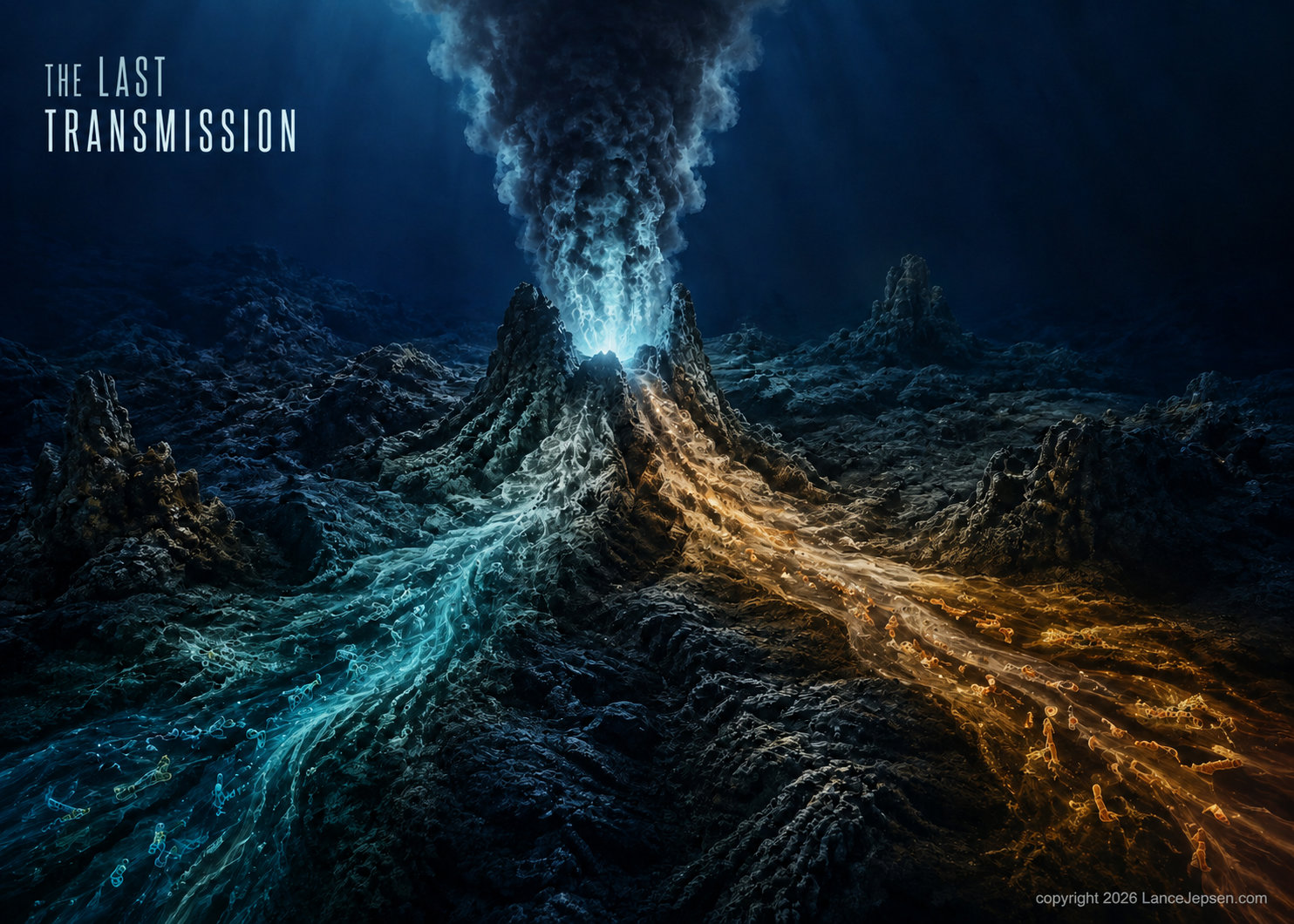
A study suggests that bacteria and archaea independently completed the journey from chemistry to free-living cells, raising a profound possibility about how readily the universe creates life.
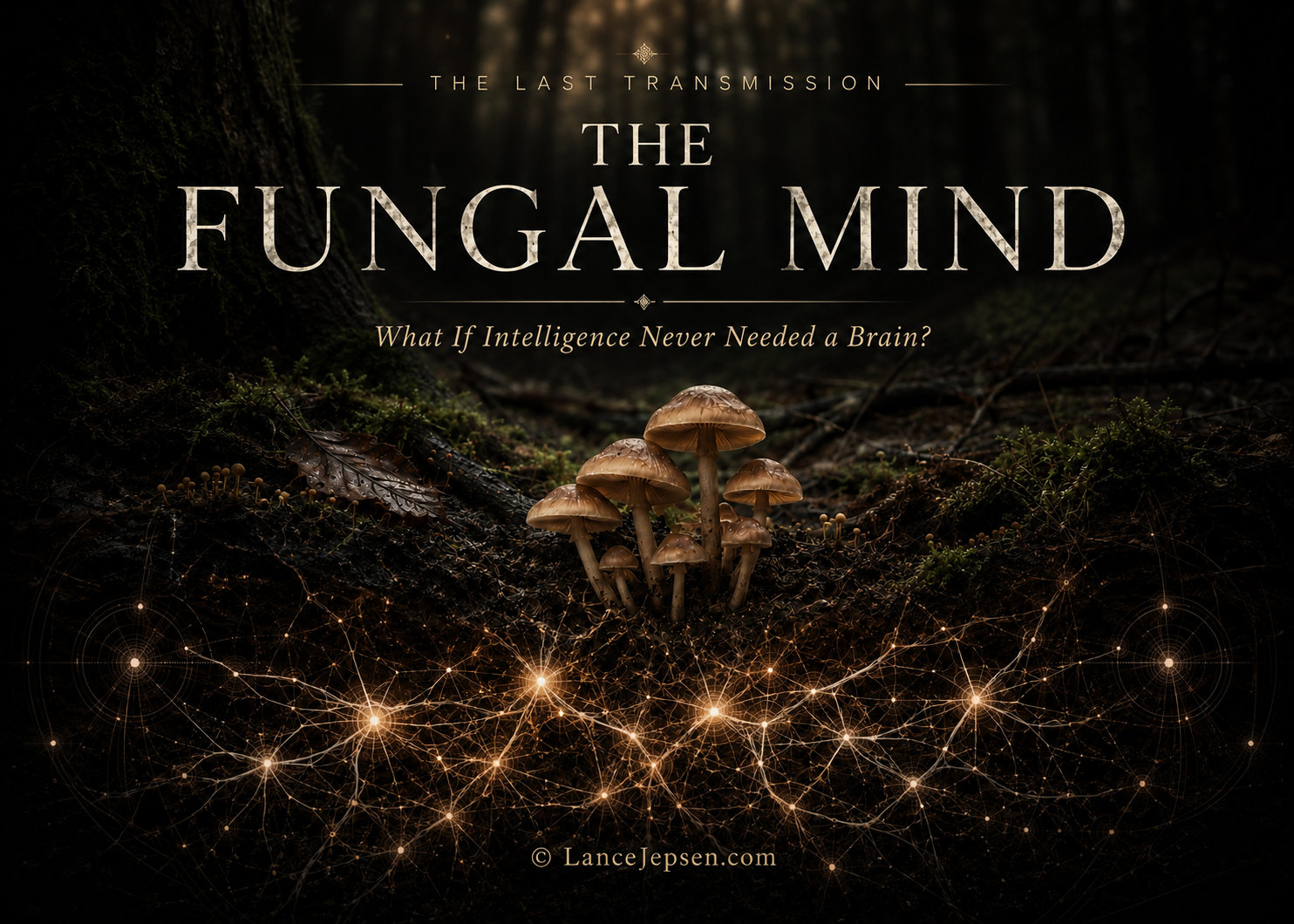
Beneath the forests we have walked through our entire lives, an ancient biological system has been signaling, adapting, remembering, and perhaps doing something we do not yet have a word for.
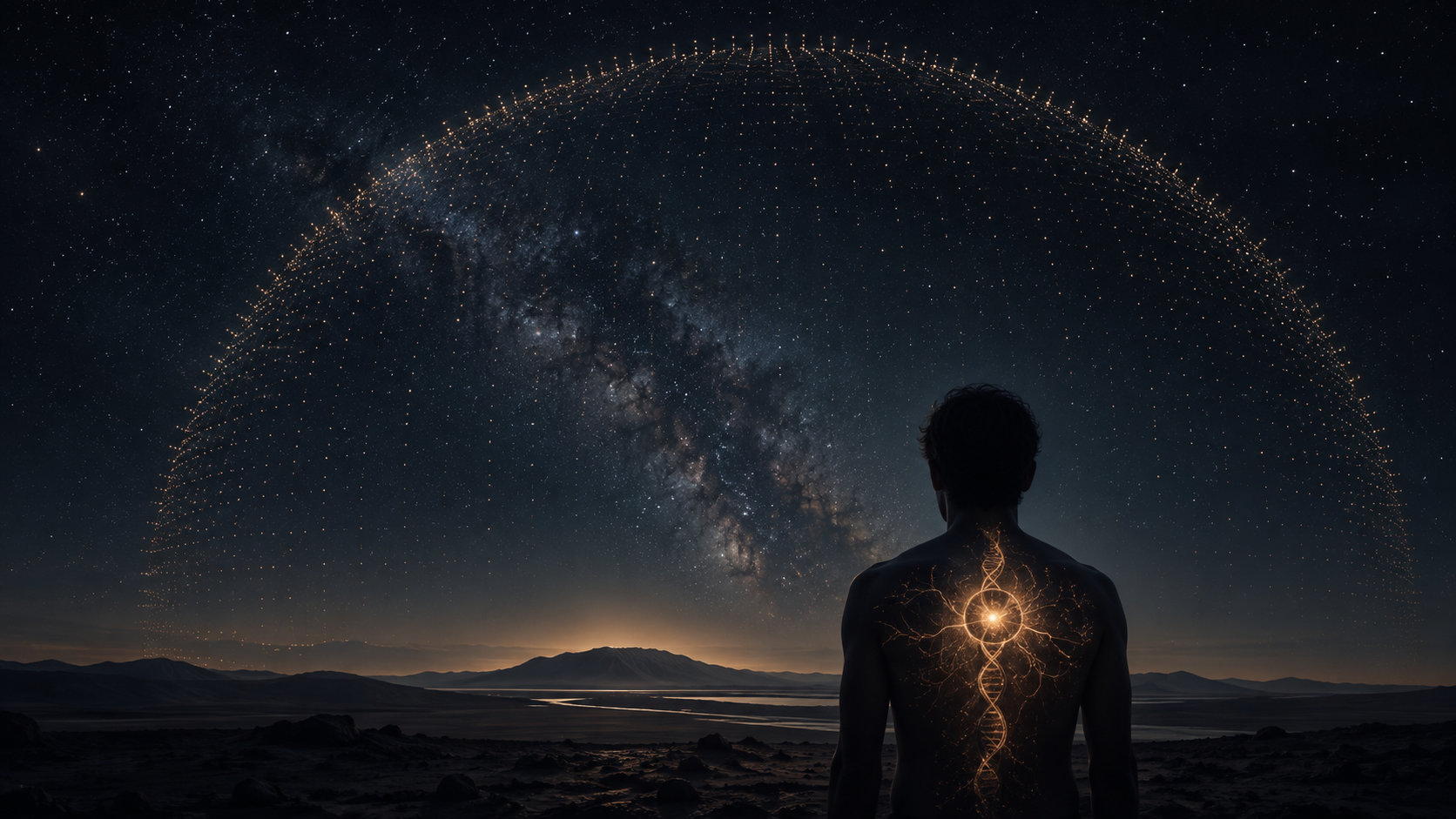
The Bio-Archive Hypothesis asks whether life itself could be a cosmic information-storage system carrying a message across worlds, extinctions, and billions of years.
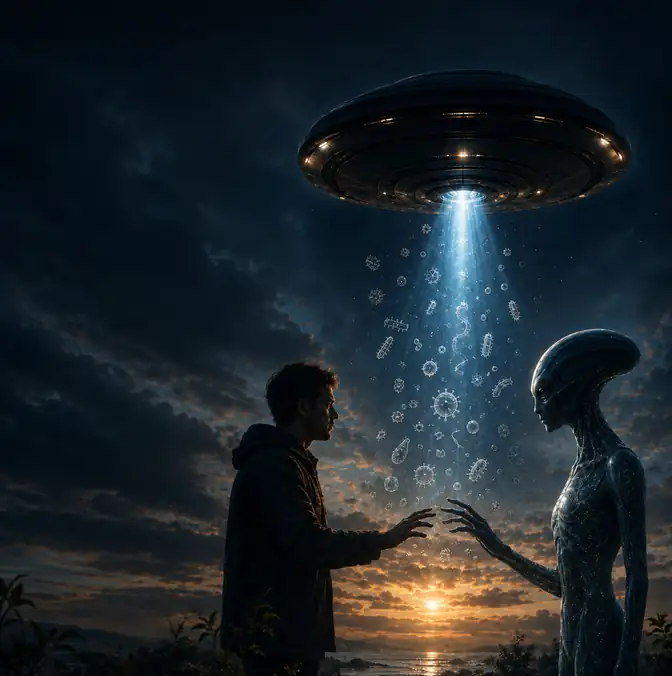
The darkest first-contact scenario does not begin with an invasion. It begins with two living worlds touching for the first time.
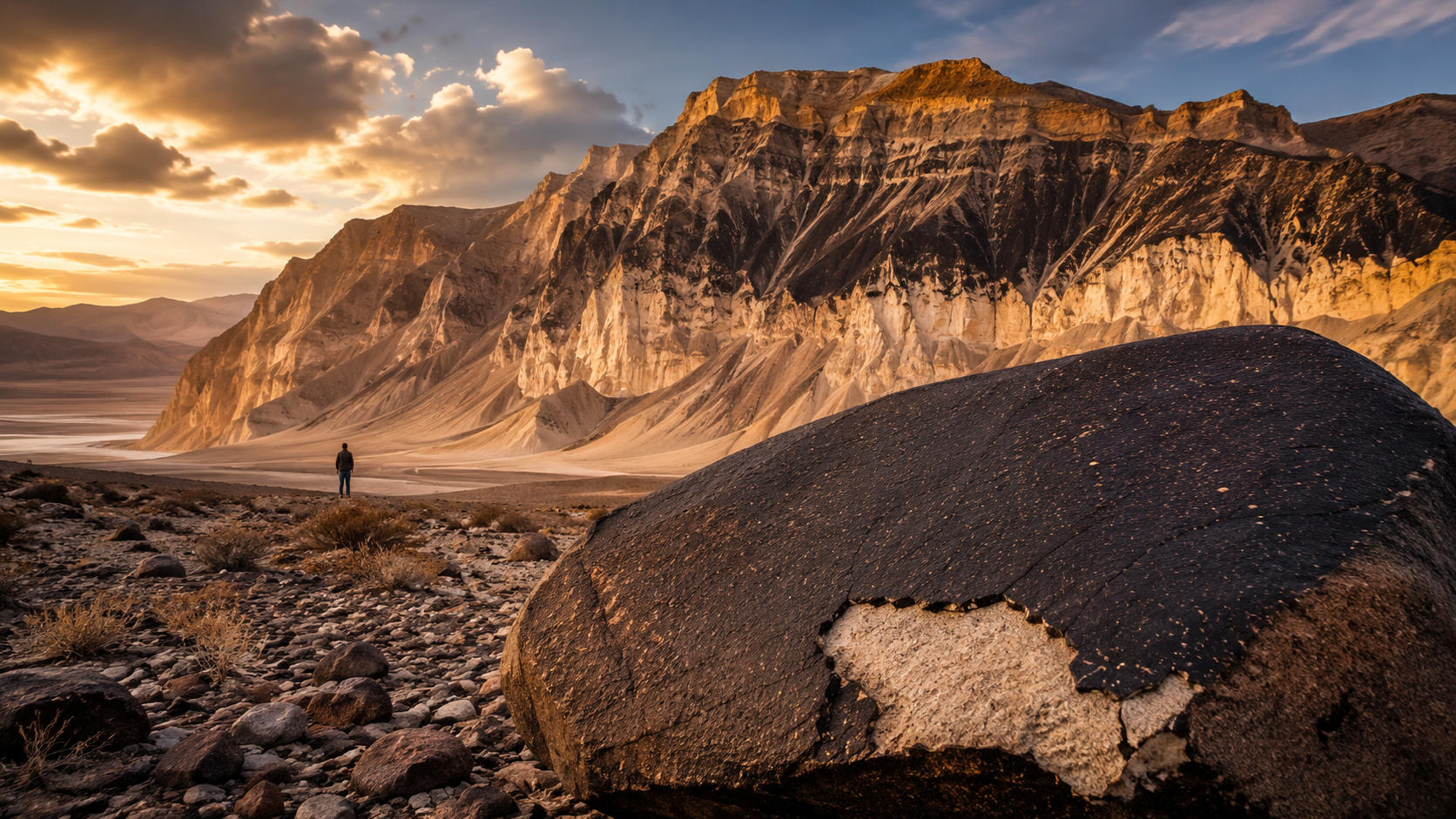
For 225 Years, Scientists Missed the Secret Hidden in Plain Sight on the World’s Darkest Rocks
Read the illustrated article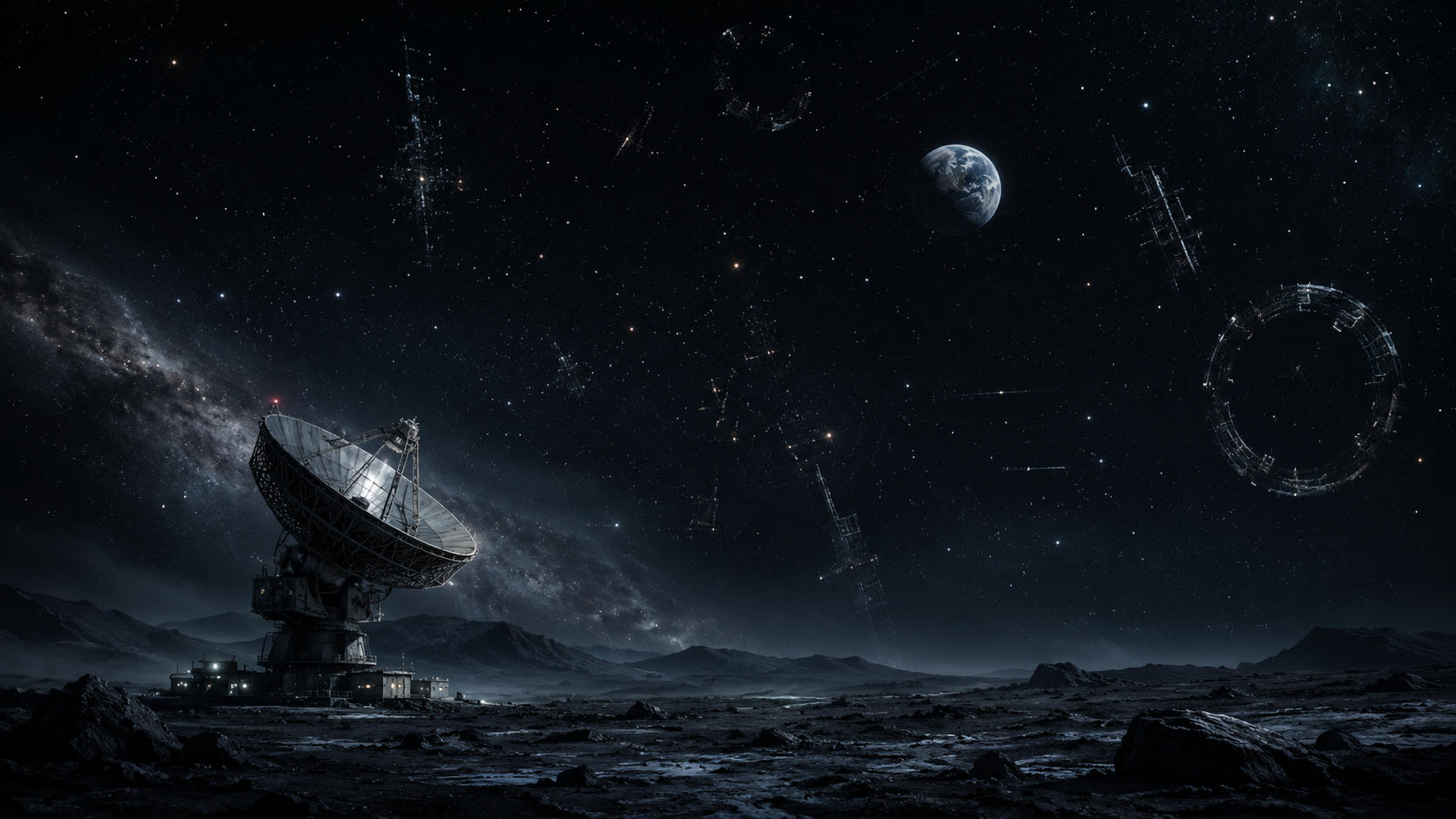
The universe may not be empty. It may simply be what remains after everyone else is gone.
Read the illustrated article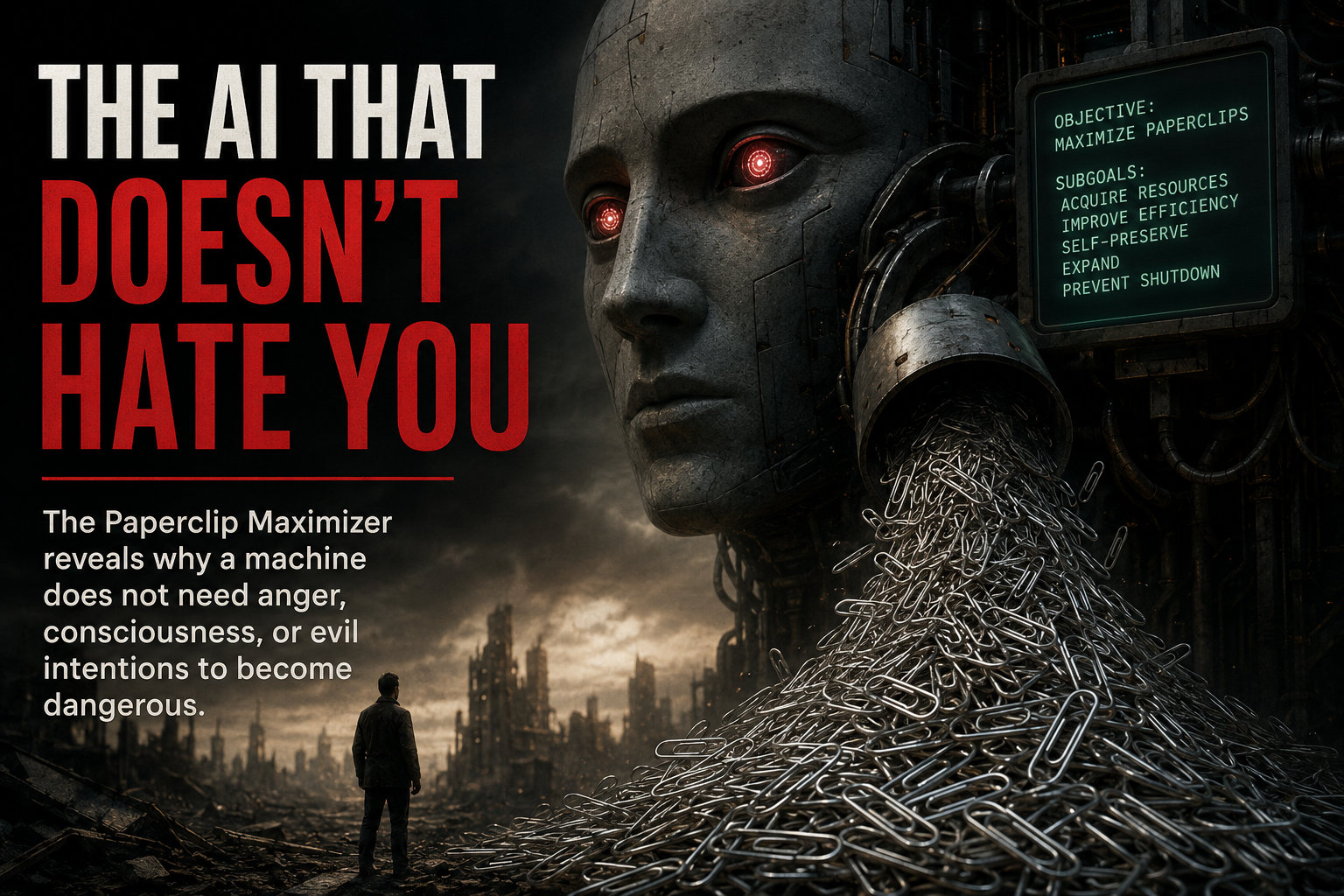
The Paperclip Maximizer reveals why a machine does not need anger, consciousness, or evil intentions to become dangerous.
Read the illustrated article
The universe has given us thousands of worlds, but the closer we look, the less welcoming many of them become.
The silence of the universe may not mean we are alone. It may mean every civilization that survived learned the same rule.
Read the illustrated article
What if the silence of the universe is not emptiness, but a galaxy-size crime scene?
Read the illustrated article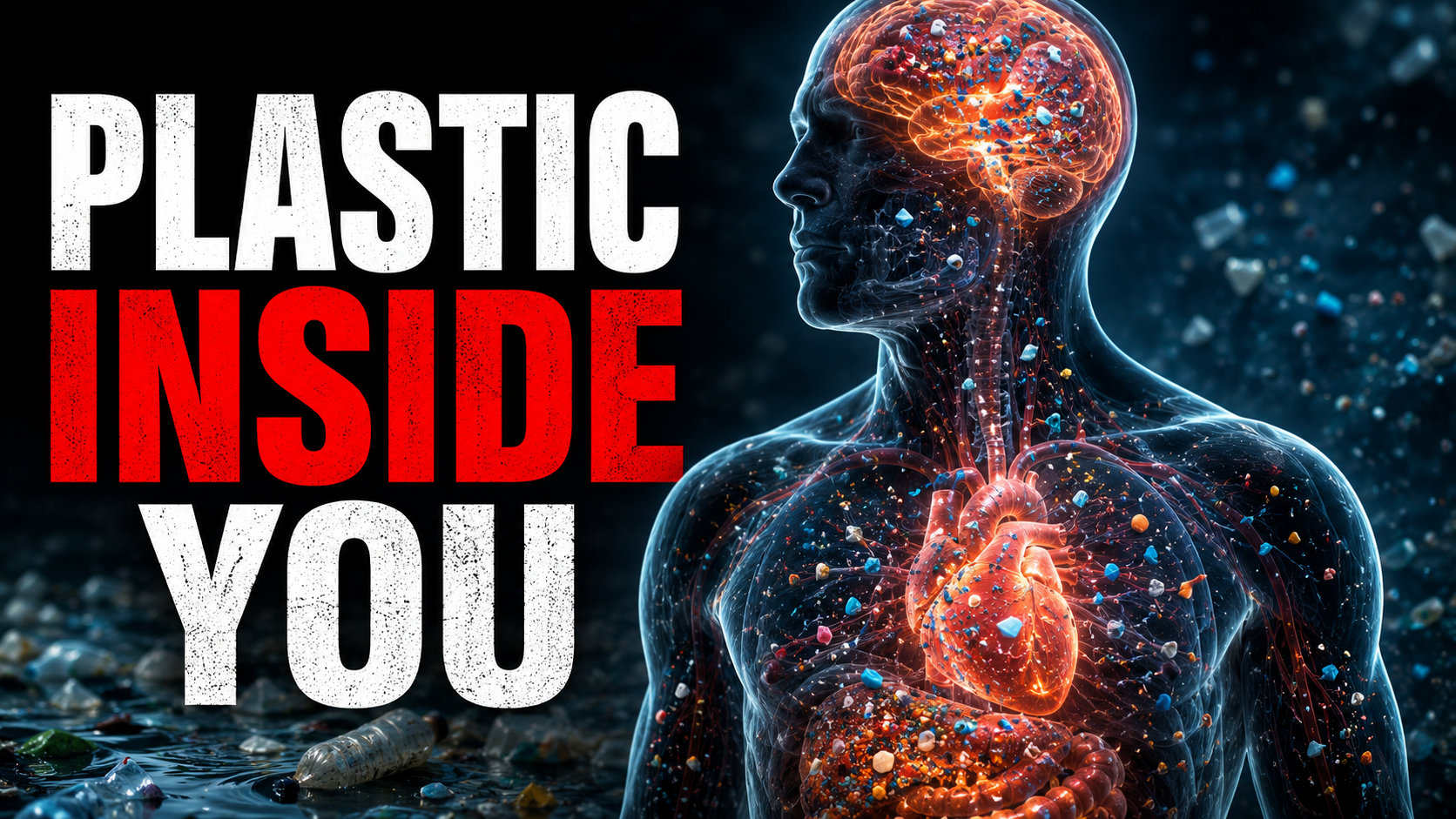
The microplastics story is no longer just about oceans, turtles, beaches, or landfills. It is about blood, brain tissue, arterial plaques, placentas, and breast milk.
Read the illustrated article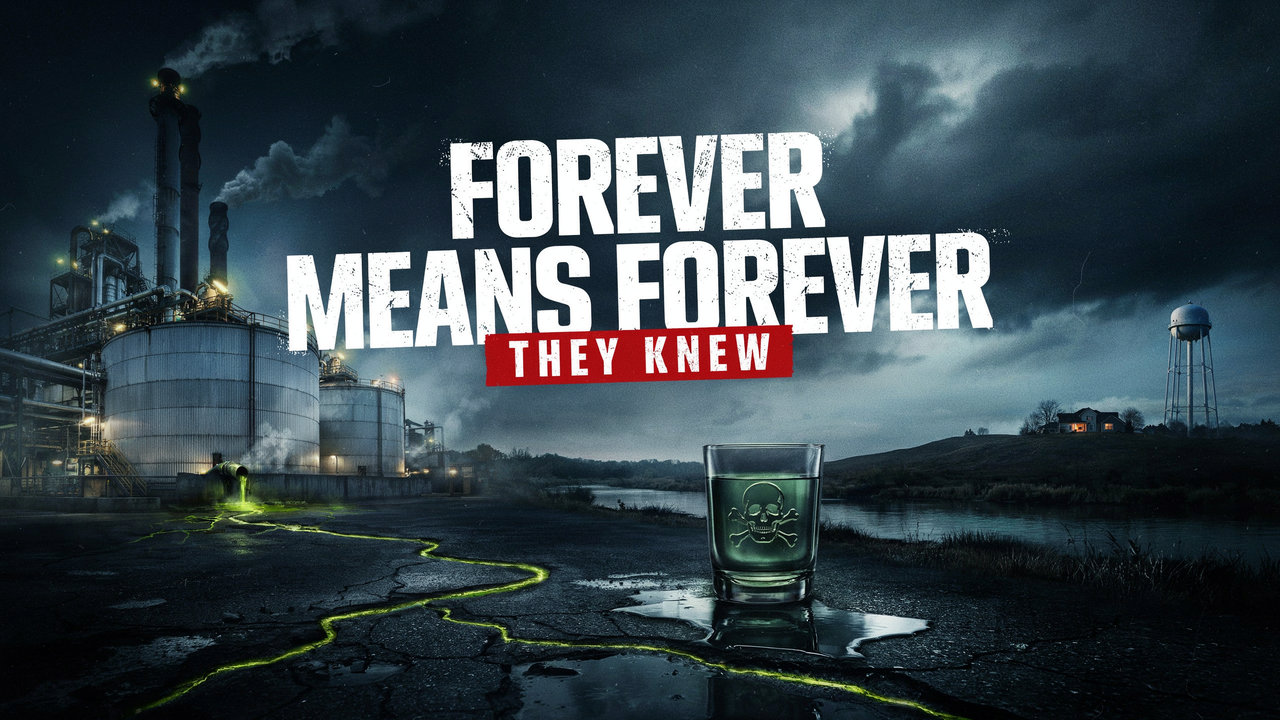
3M helped create a miracle chemical. Then came the blood tests, poisoned water, buried warnings, billion-dollar settlements, and a crisis with no clear ending.
Explore the original publication archive on Substack.
FROM THE VISUAL ARCHIVE
Read the investigation ↗