
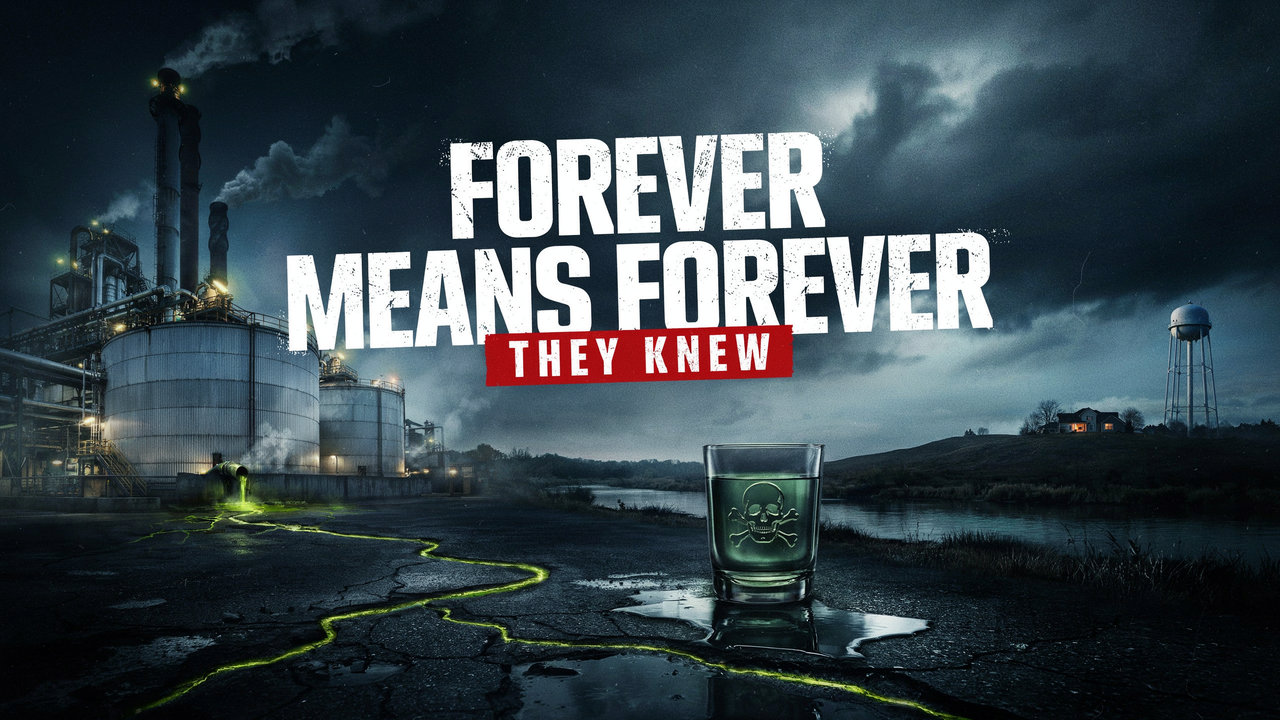
59 / A contamination record
Why PFAS Remains After Production Stops
Ending production cannot remove chemicals already in groundwater and drinking-water systems. The PFAS record requires measurements, exposure assessment, and cleanup that continue long after a factory changes course.
PFAS describes a large family, not a single substance with one toxicity or environmental lifetime. Certain widely studied members, including PFOA and PFOS, have been measured in water near manufacturing and disposal sites. Minnesota's east-metro contamination record follows sampling, affected communities, treatment, and a settlement meant to support remediation. Federal drinking-water standards specify limits for certain PFAS, but a compliance number is not a statement that every exposed person will have the same health outcome. The open question at each site is where the compounds traveled, who was exposed, and what intervention measurably reduces that exposure.
The full investigation continues with the evidence, illustrations, and sources at The Last Transmission on Substack.
Continue reading on SubstackTHE EVIDENCE / THE OPEN QUESTION
What we know.
Minnesota's environmental agency documents PFAS groundwater contamination associated with 3M disposal sites in the east metro. The EPA publishes enforceable drinking-water limits for certain compounds and toxicological reviews explaining the evidence behind them.
What remains open.
Individual exposure and health risk depend on the compound, concentration, duration, and route. Not every PFAS behaves identically, and a past contamination map cannot replace current local water measurements or clinical advice.
Why it matters.
The timeline of a chemical outlasts the timeline of a product. A credible investigation follows sampling data and remediation progress after the headlines and settlement announcements have moved on.
FOLLOW THE EVIDENCE
Research behind the field note.
FOLLOW THE THREAD
Related signals.

They Grew a Human Cortex Inside a Mouse. Then They Tested Its Memory.
Scientists created mice whose cortical tissue was almost entirely derived from human cells. The tissue grew, formed connections, generated electrical activity, and revealed something extraordinary.
They Found Plutonium at the Bottom of the Pacific. The Explosion That Made It May Be Over 95 Million Years Old.
Deep beneath the ocean, scientists discovered radioactive debris from beyond Earth. The most disturbing clue was an element they could not find.
The Blows That Nearly Killed Earth May Have Helped Bring It to Life
A model identifies a window for life’s chemistry 4.33 billion years ago. The unsettling question is whether Earth was the only world to take advantage of it.