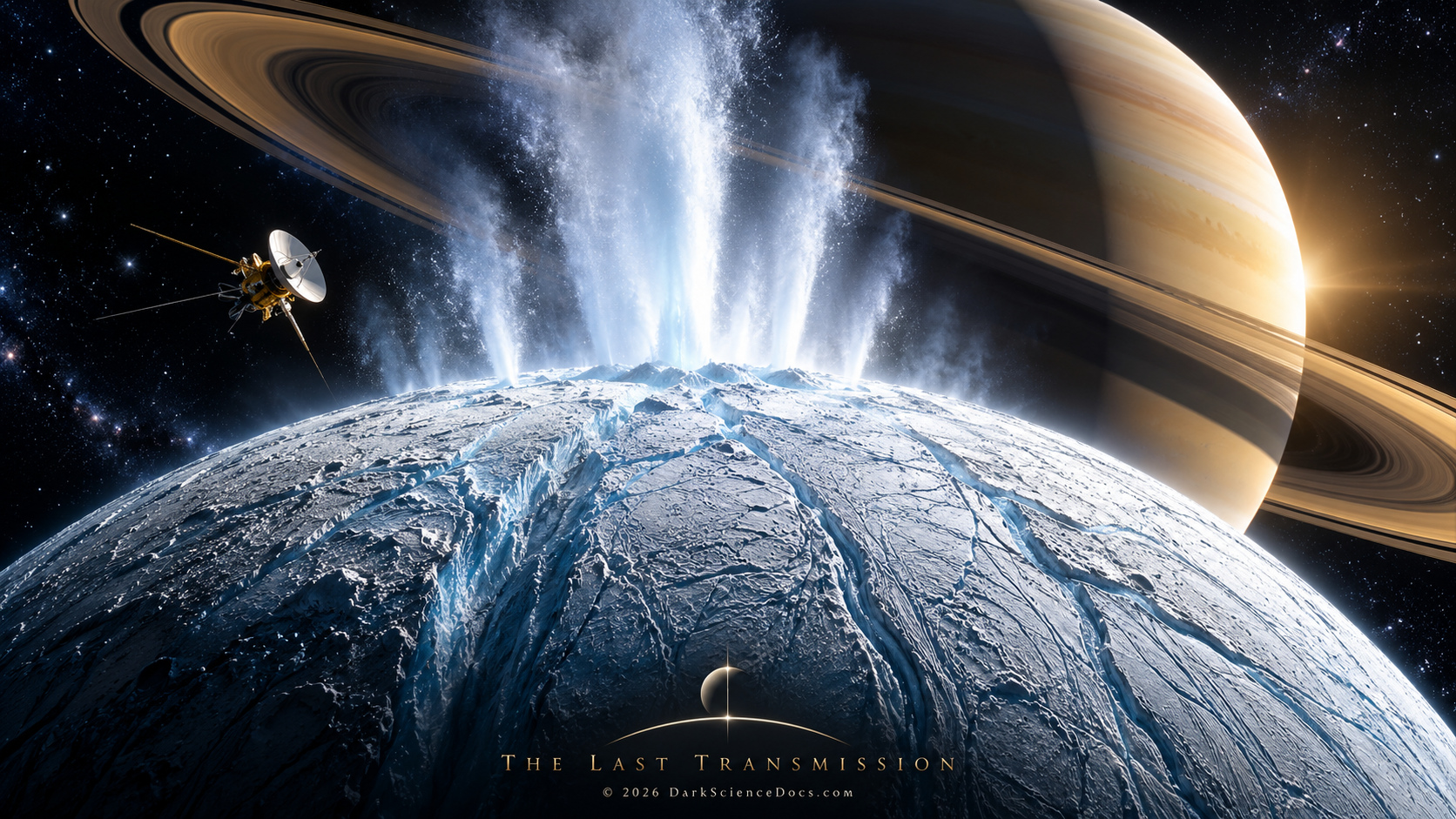
Cassini Died Nine Years Ago. Enceladus’ Ocean Is Still Talking.
The spacecraft was destroyed in Saturn’s atmosphere in 2017. Now scientists are finding richer organic chemistry in samples it collected from an alien ocean years before it died.
 THE LAST TRANSMISSIONStories from the Edge of Science
SCIENCE ARTICLES / 149 WRITTEN STORIES
Find an illustrated science story, follow a research question, and continue to the full article on Substack. Browse the articles below, or explore our documentary collection .
THE FULL ARTICLE COLLECTION
All published science articles in date order, newest first. Each entry opens the complete illustrated story on Substack.
Showing 31–60 of 149 articles · Page 2 of 5
The spacecraft was destroyed in Saturn’s atmosphere in 2017. Now scientists are finding richer organic chemistry in samples it collected from an alien ocean years before it died.
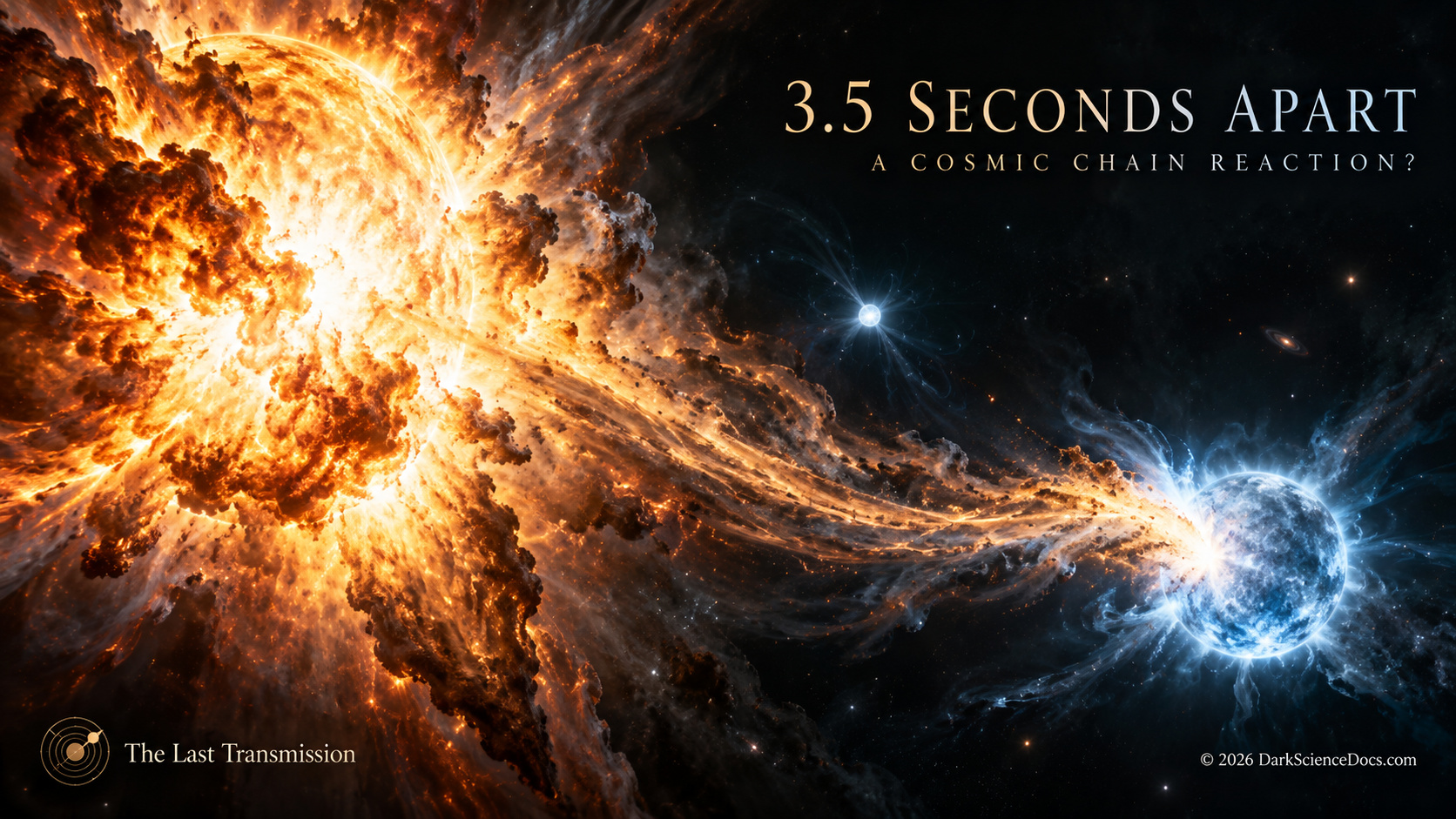
An ancient flash may preserve a cosmic chain reaction that created a pulsar and a black hole, while its strangely faint afterglow raises a different mystery.
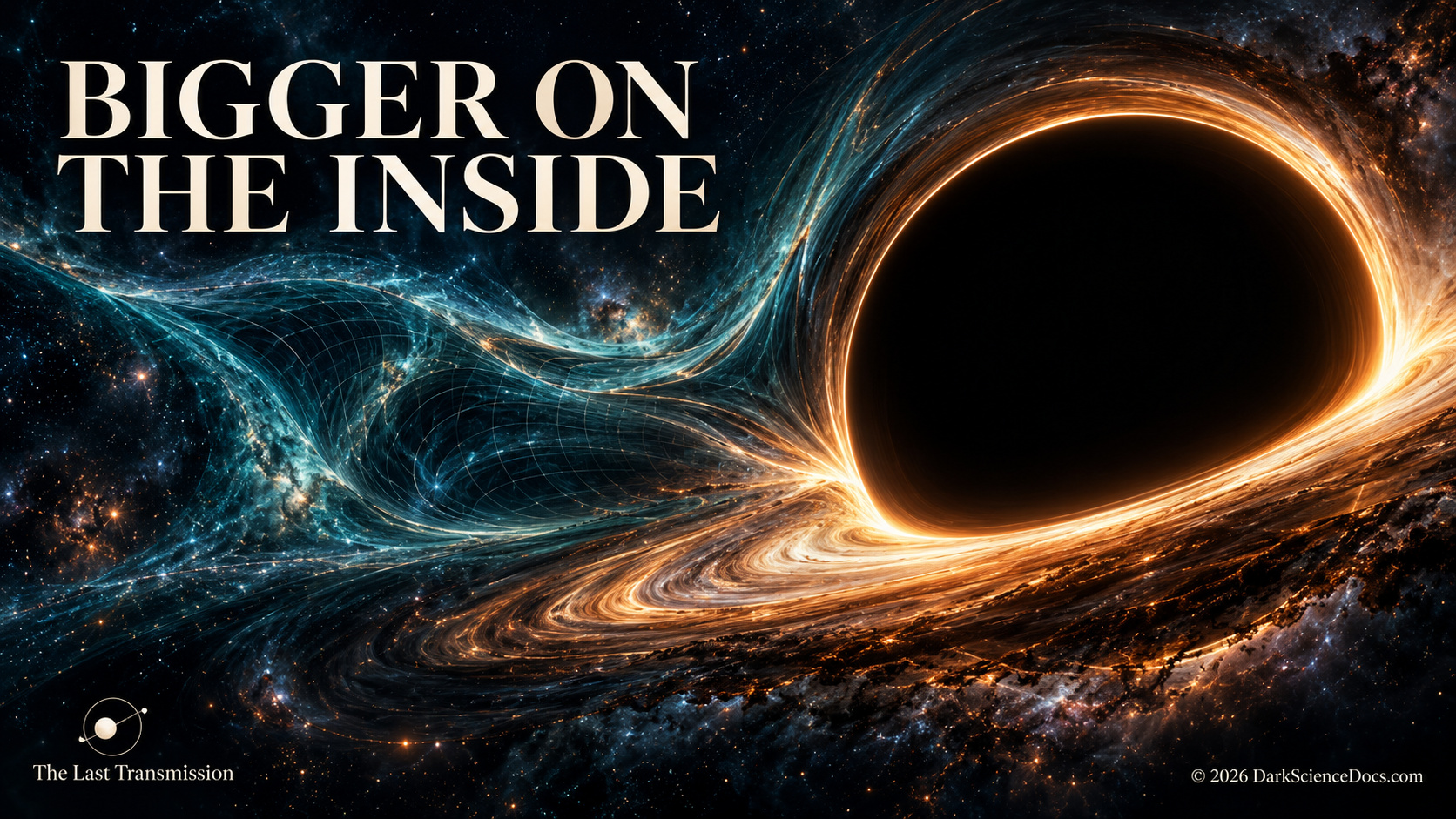
Its hidden geometry can become immense, yet every traveler still faces a future with no way back.
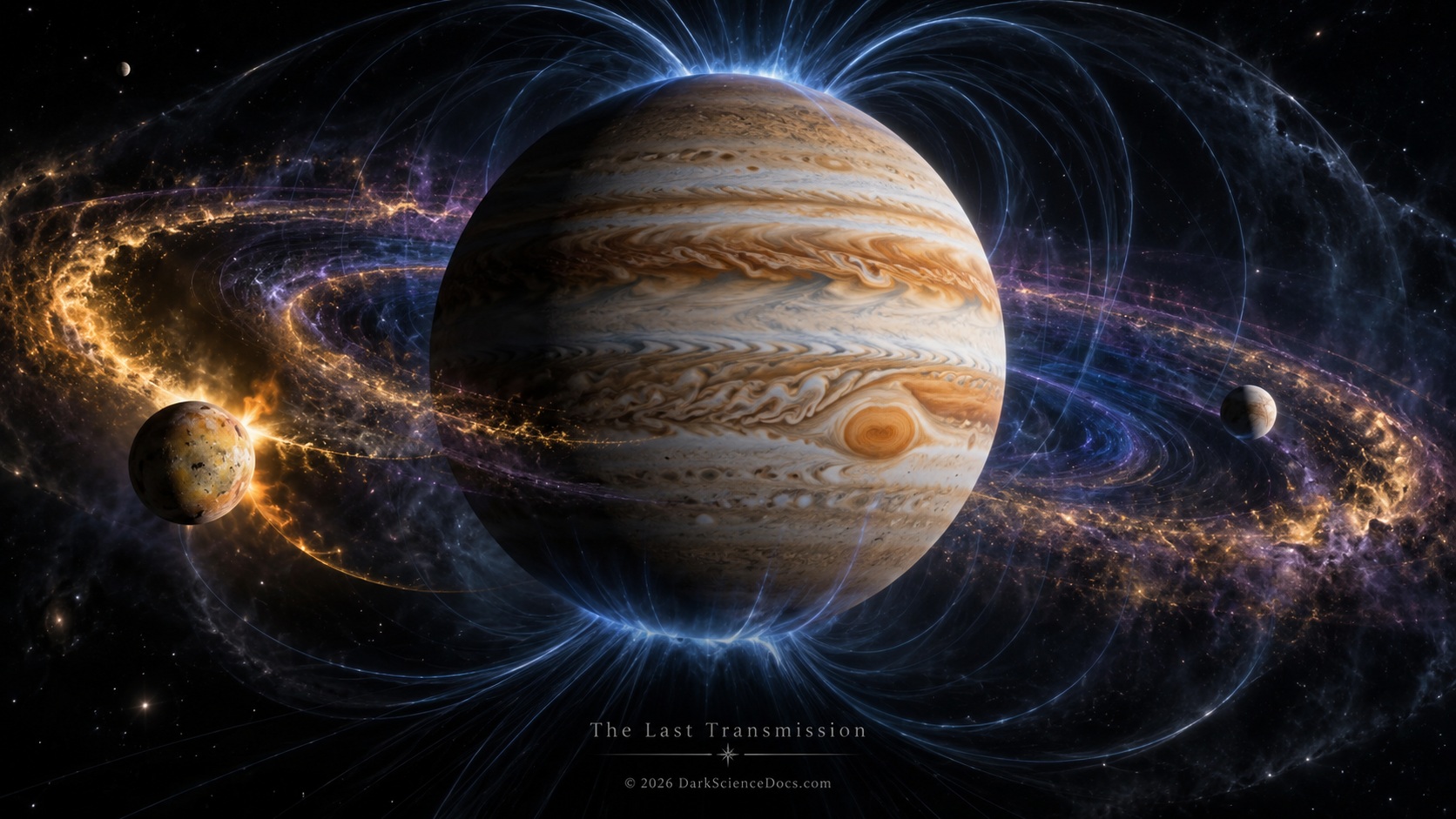
The prettiest giant in the night sky powers a self-reinforcing system of gravity, metallic hydrogen, volcanic plasma, radiation, and storms that destroy everything.
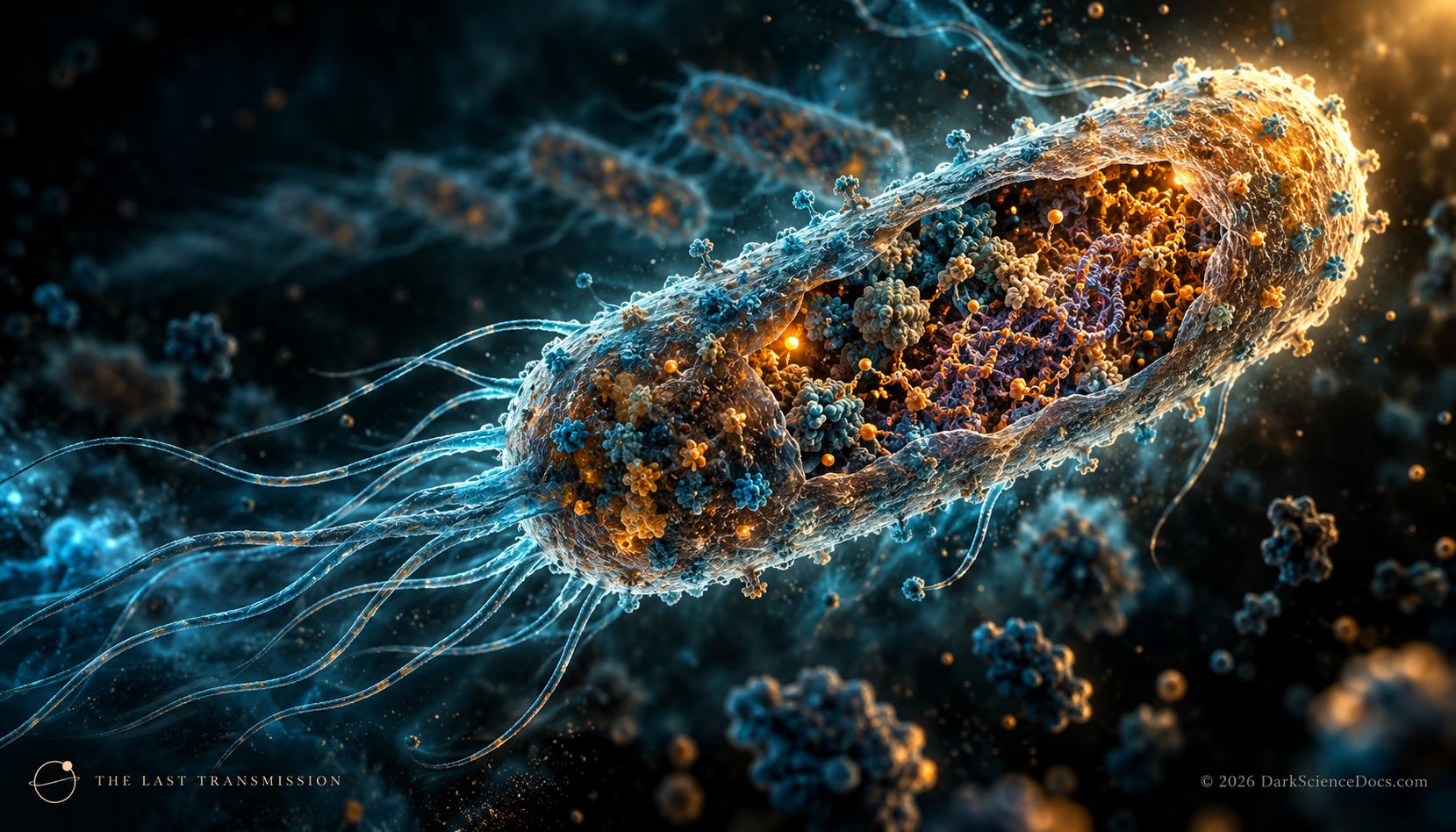
Experiments reveal how cells without brains can retain the effects of experience, pass them to descendants, and change what they do next.
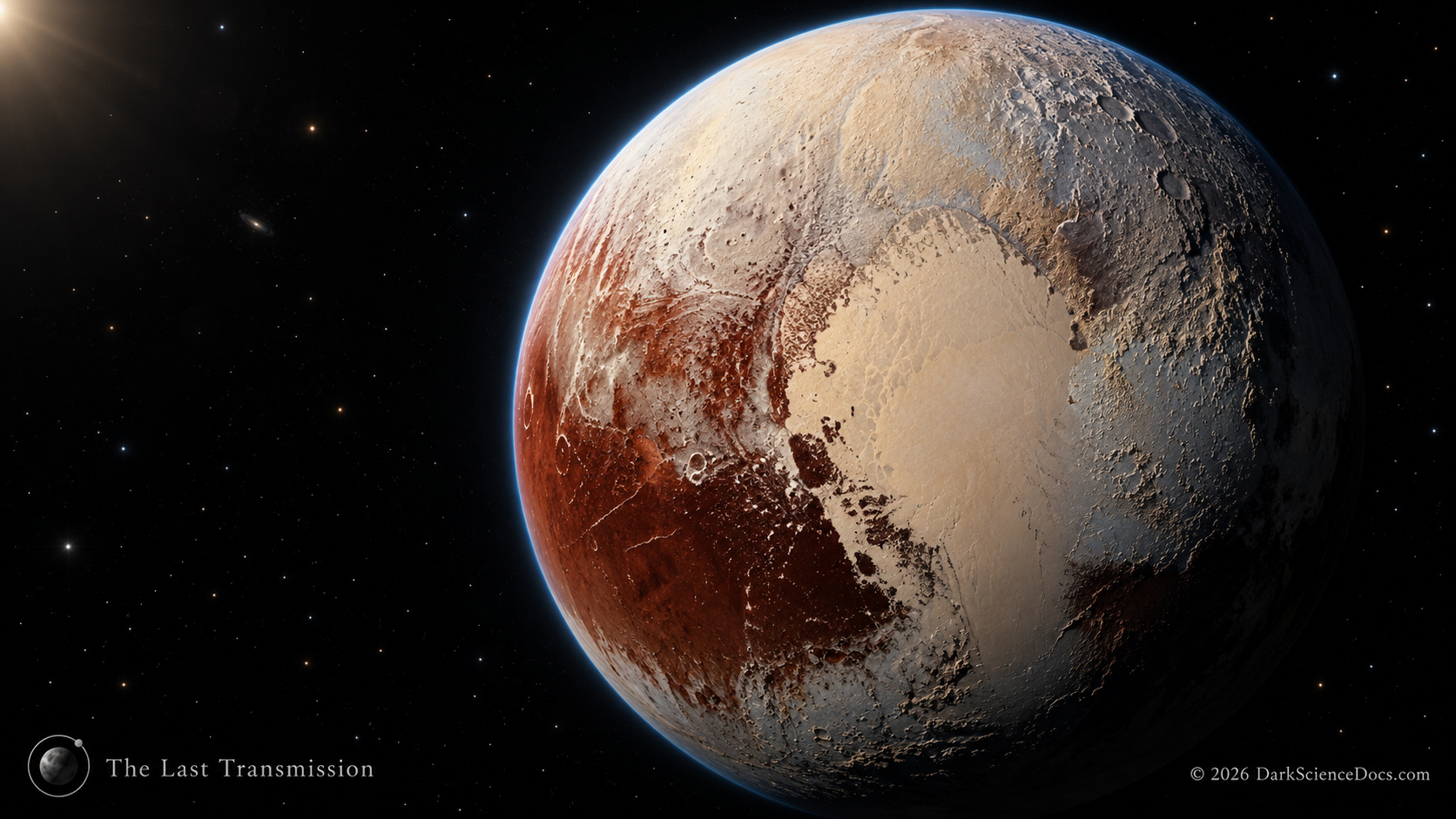
A glacier that renews itself, mountains that may float, and possible ice volcanoes reveal a world that has kept changing in the cold.
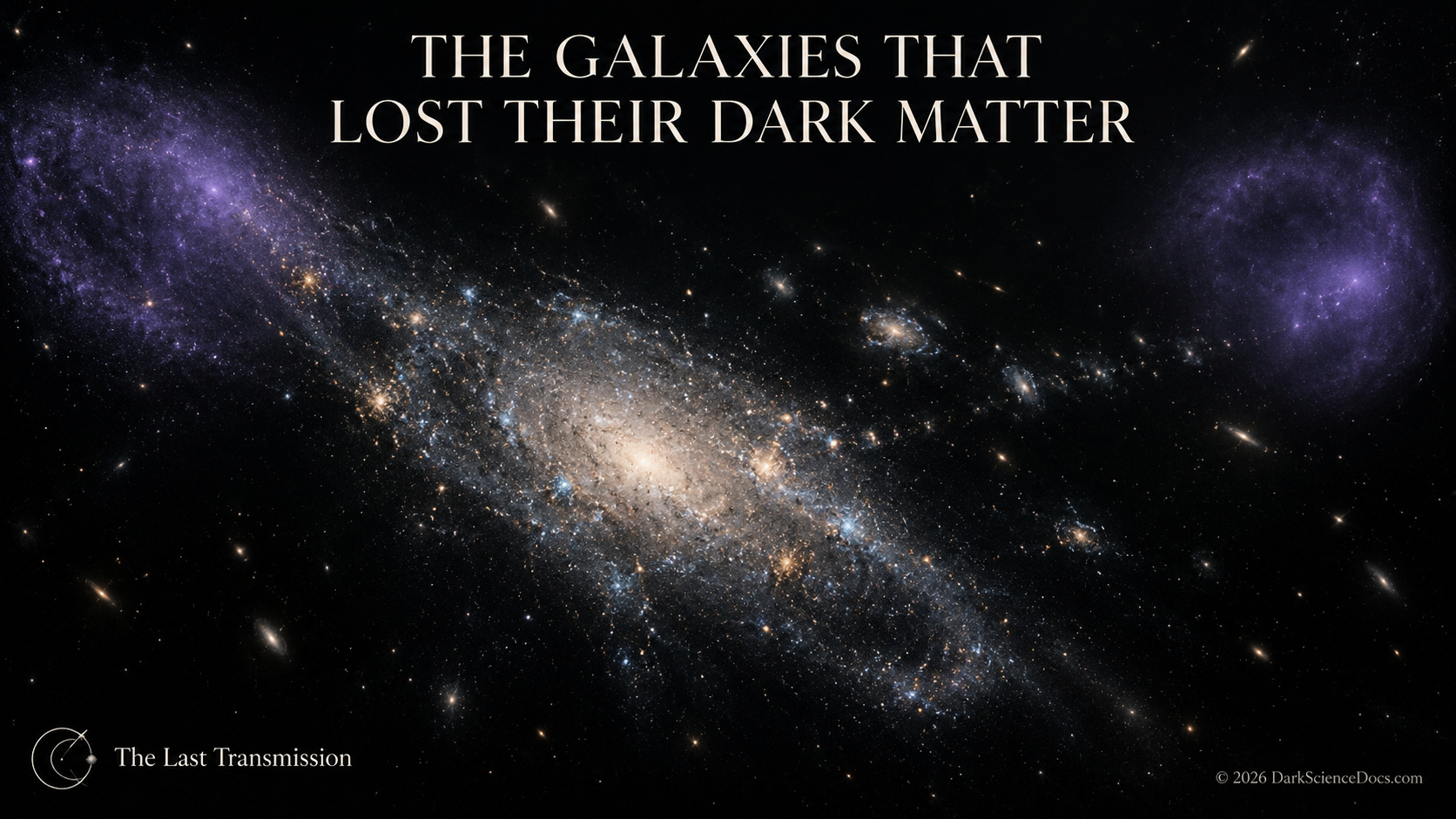
A third galaxy has joined a strange cosmic trail, strengthening the possibility that an ancient collision separated ordinary matter from the invisible mass that usually surrounds it.
The first galaxies did more than illuminate the cosmos. They burned holes through it.
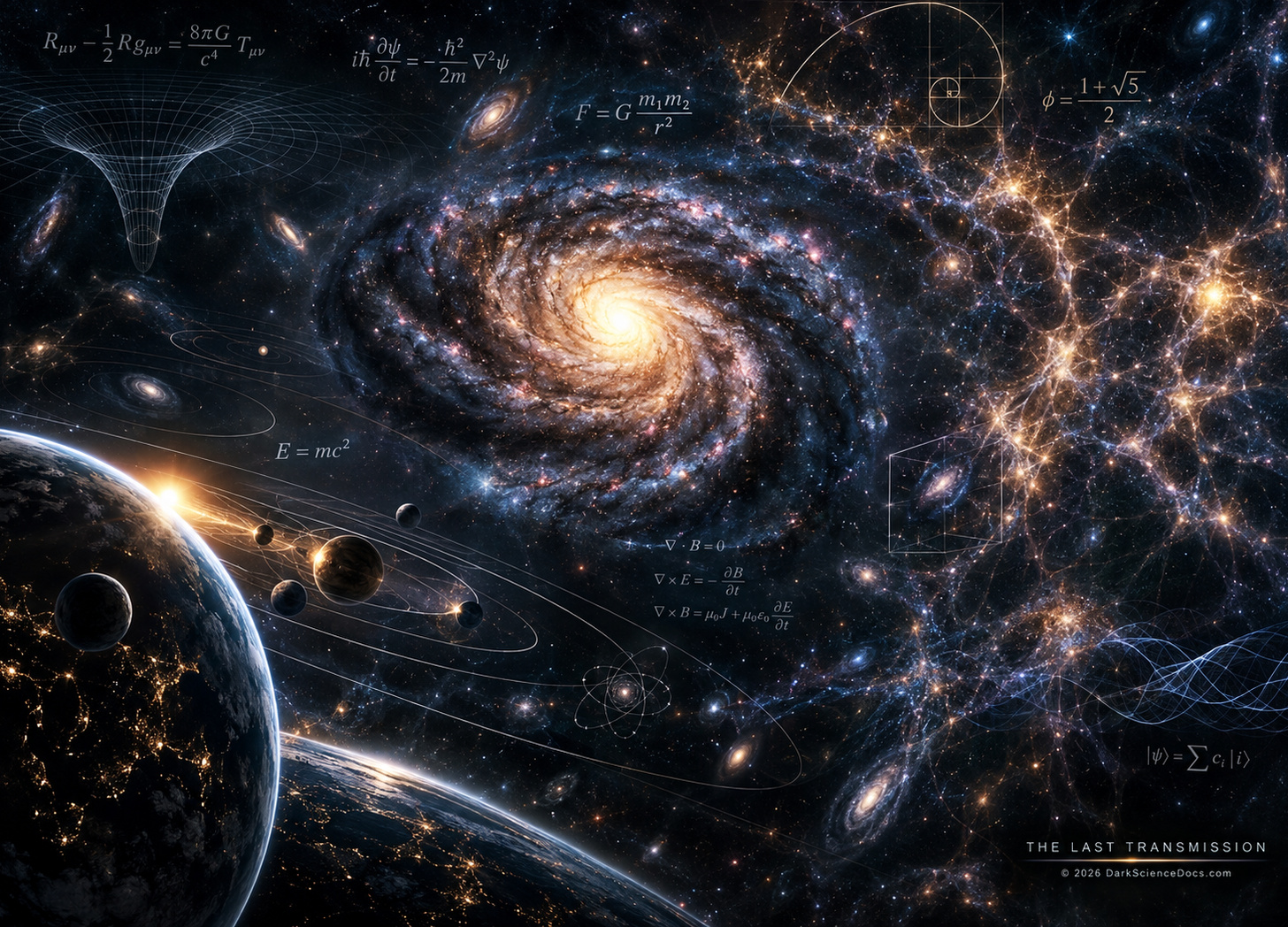
The constants are strangely hospitable, equations predict things before we discover them, and the deepest laws of nature refuse to explain where they came from.
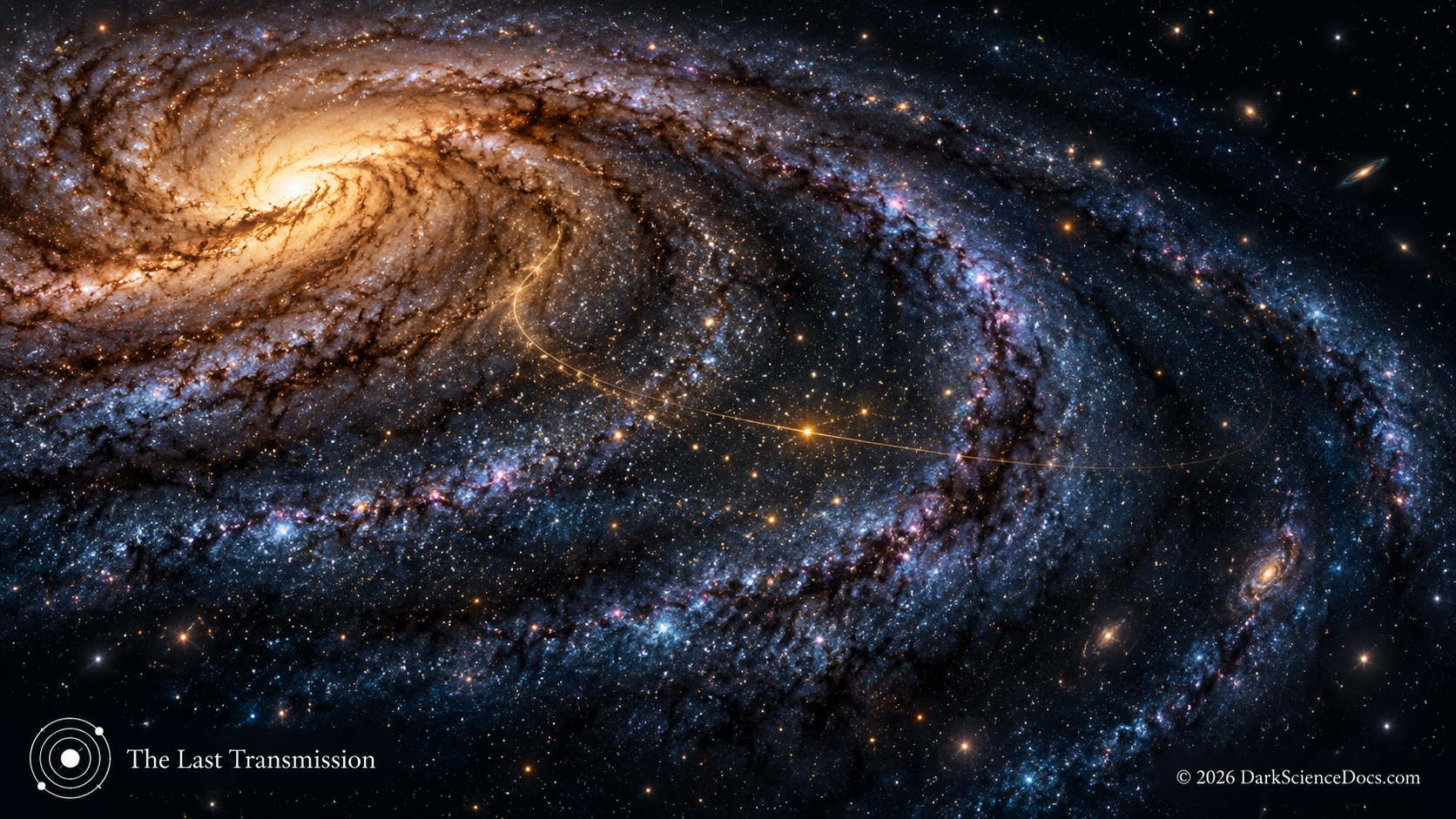
Thousands of stars that resemble our Sun are raising an unsettling possibility: the history of life may depend on a journey through the galaxy that we are only beginning to reconstruct.
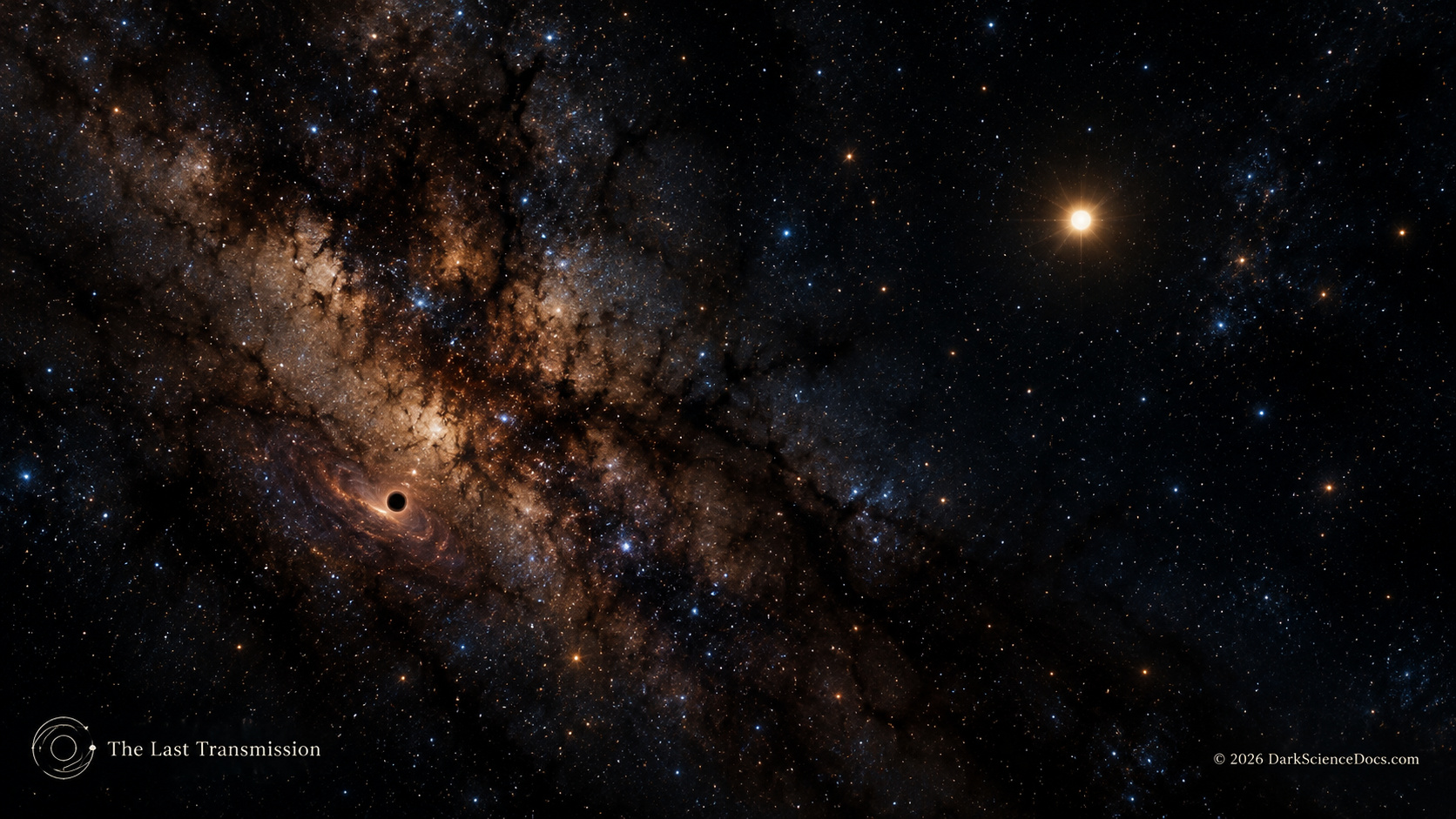
S301 may be the survivor of a shattered stellar partnership, and its extraordinary orbit could expose the hidden rotation of the Milky Way’s central black hole.
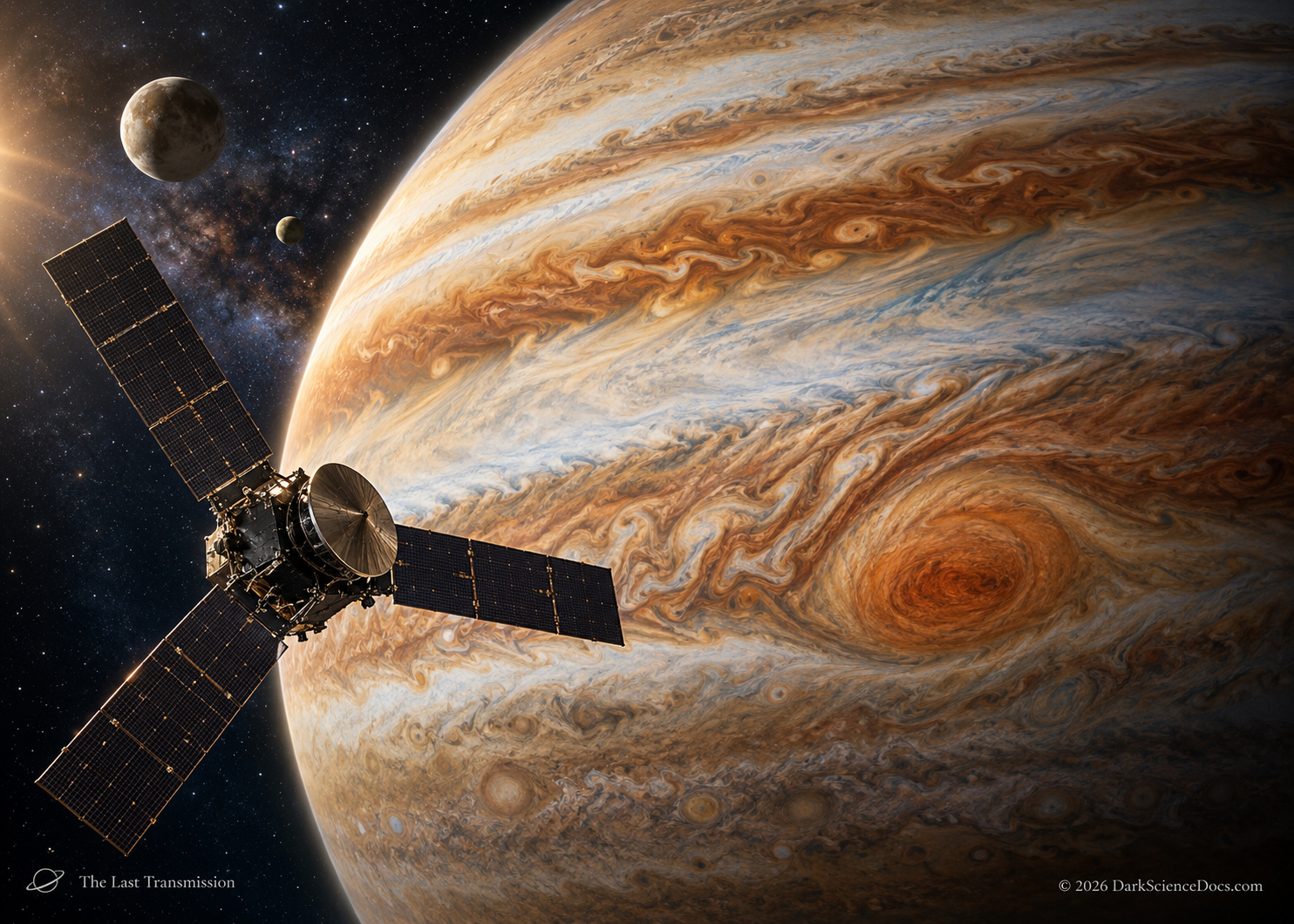
Juno survived a place capable of destroying spacecraft electronics, discovered that Jupiter does not have the kind of core we thought a planet should have, and then kept flying.
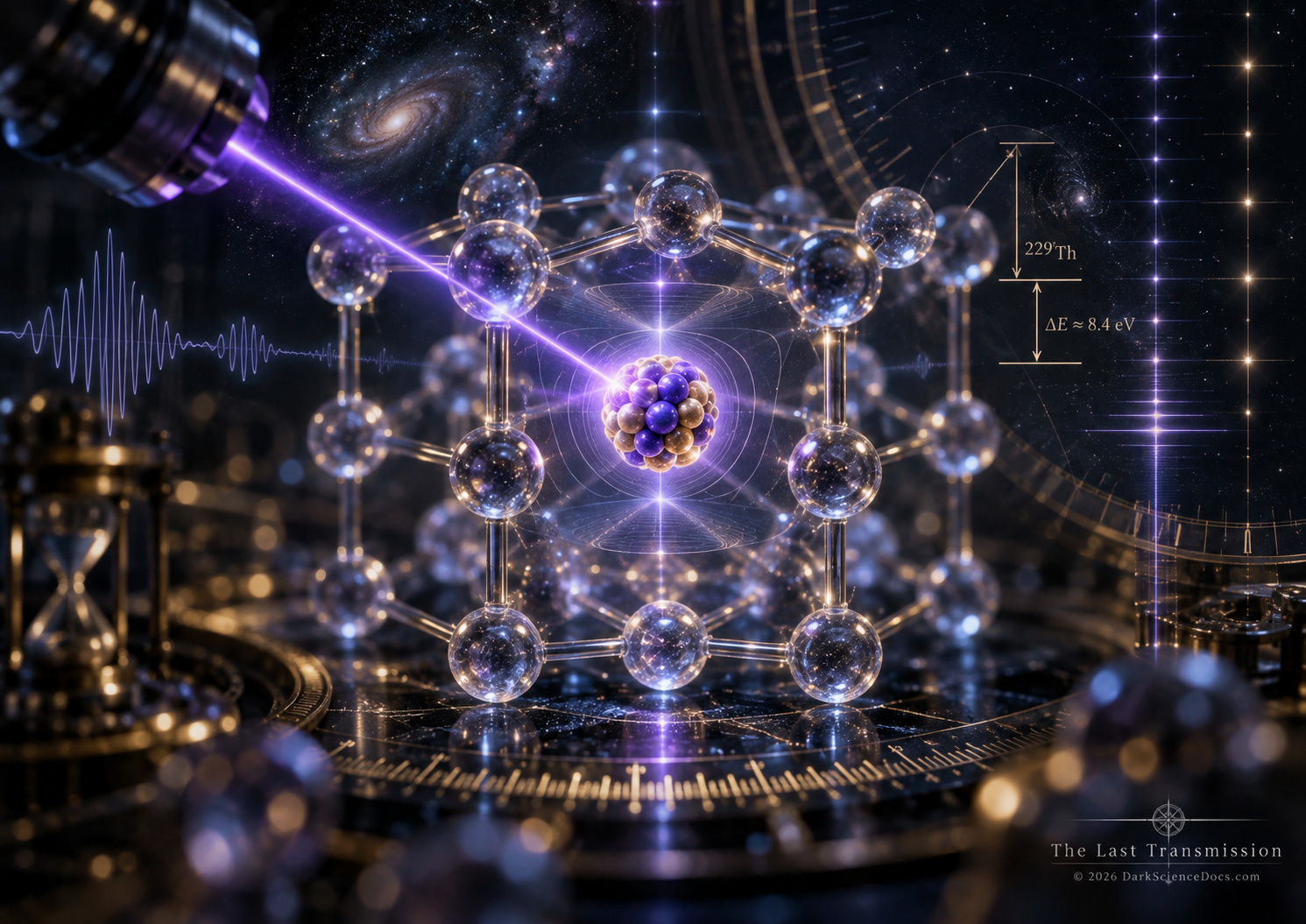
Humanity has spent centuries building better clocks. In 2026, physicists finally moved the ticking mechanism into the heart of the atom itself.
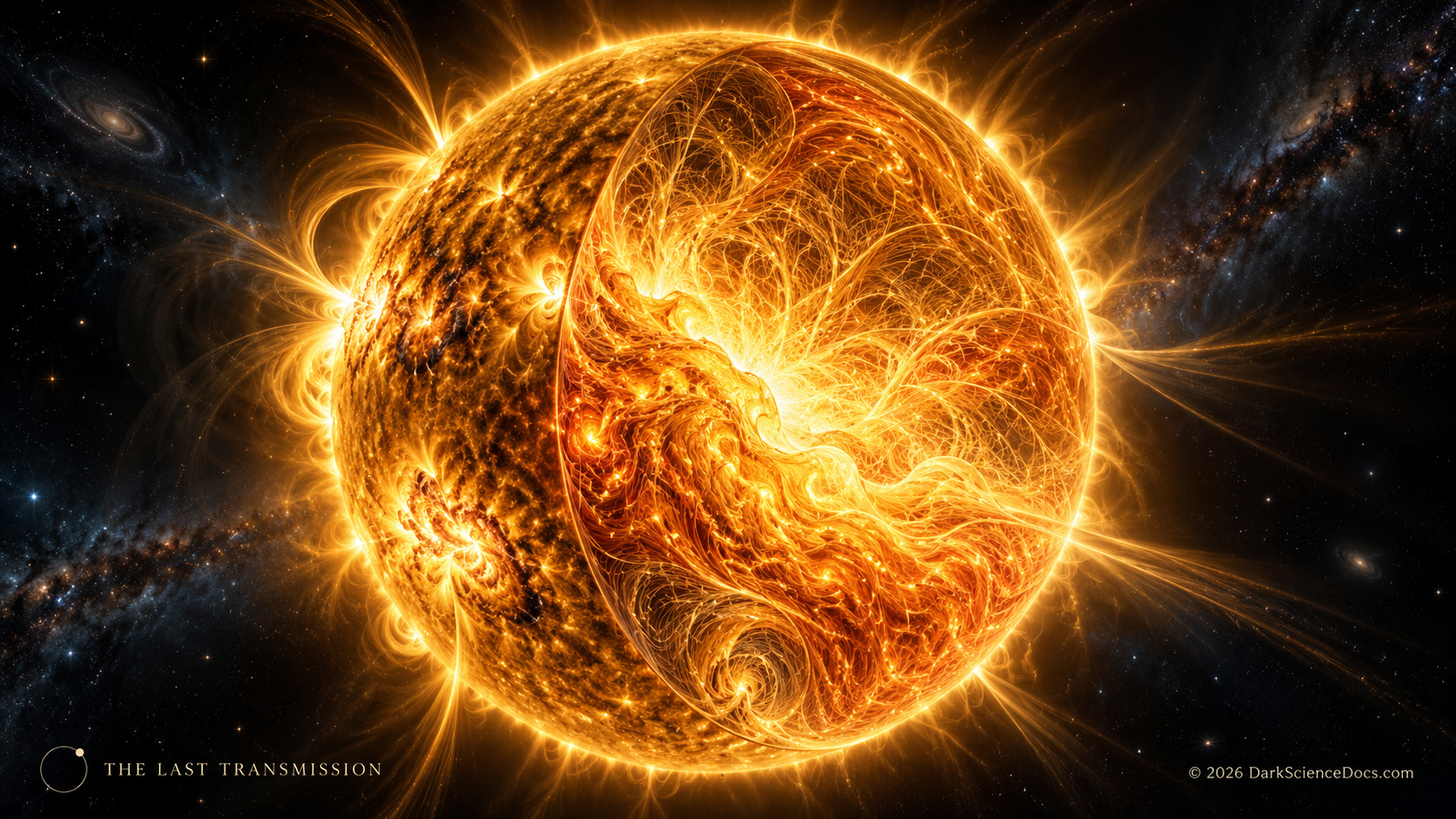
The energy warming your skin has a hidden history inside a star, where its journey outward can take longer than the entire span of recorded civilization.
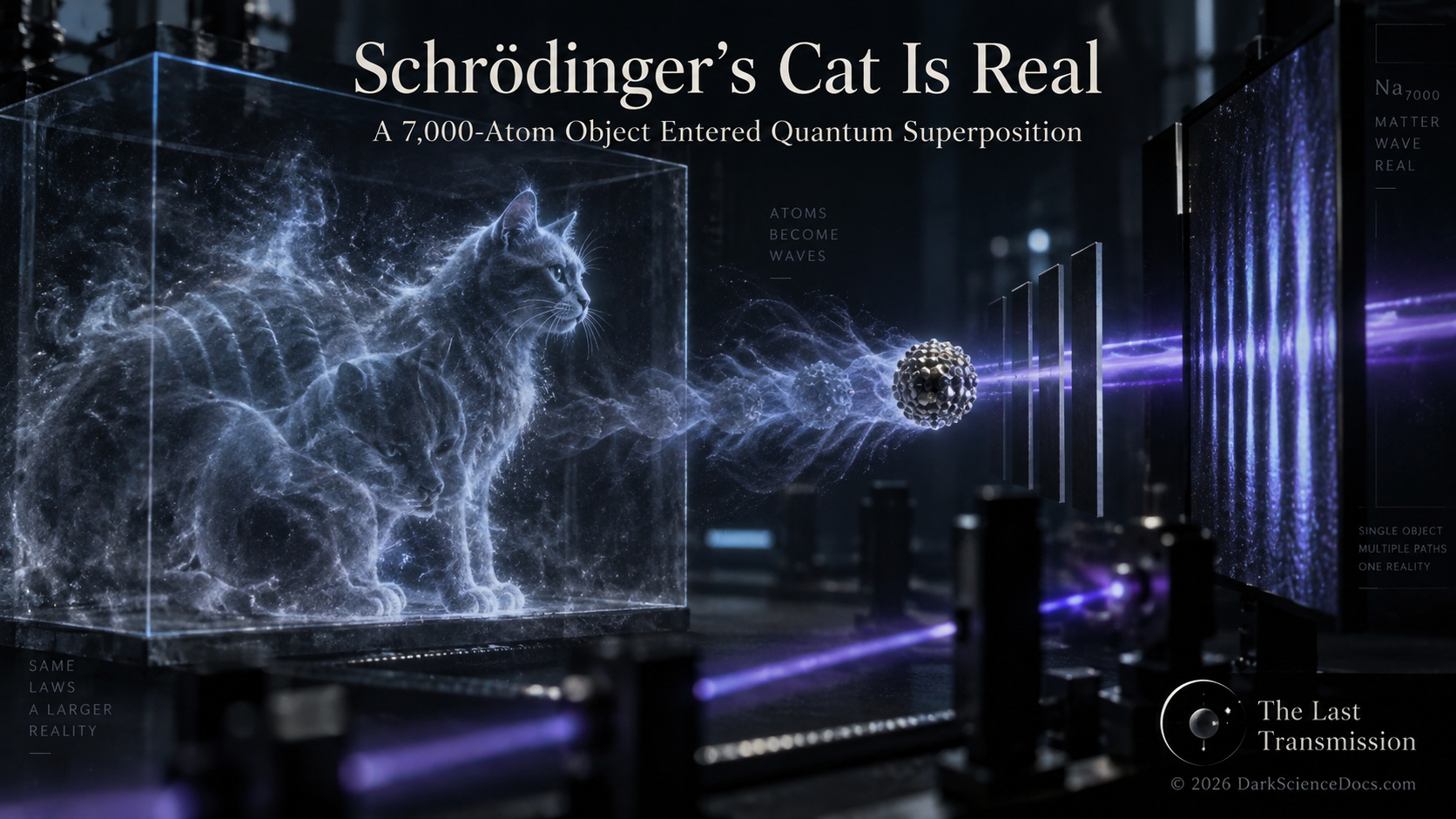
The quantum world just moved closer to ours, and physicists still cannot tell us where the boundary actually is.
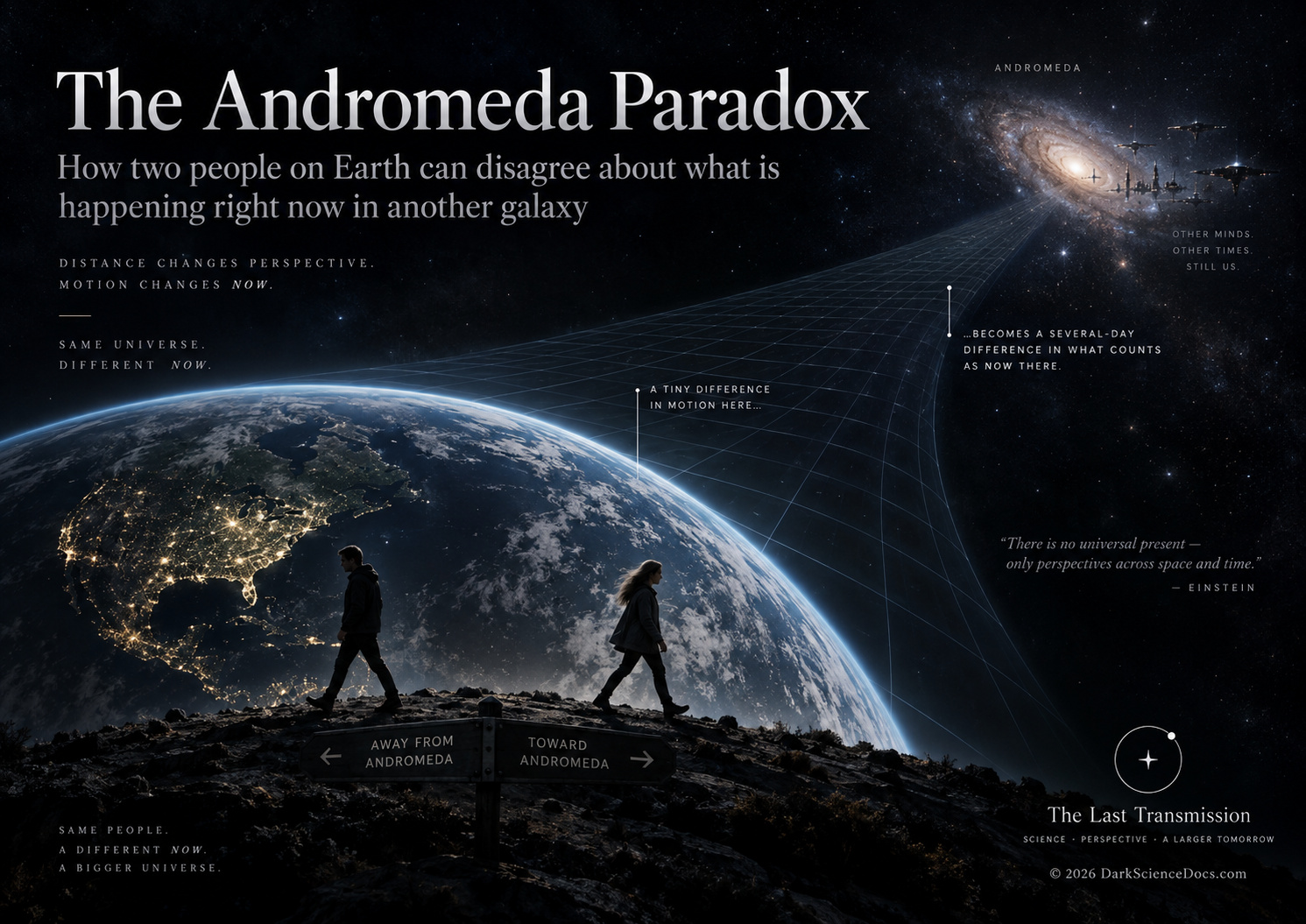
The Andromeda Paradox says two people walking past each other on Earth can disagree by days about what is happening in another galaxy, and according to relativity, both can be right.
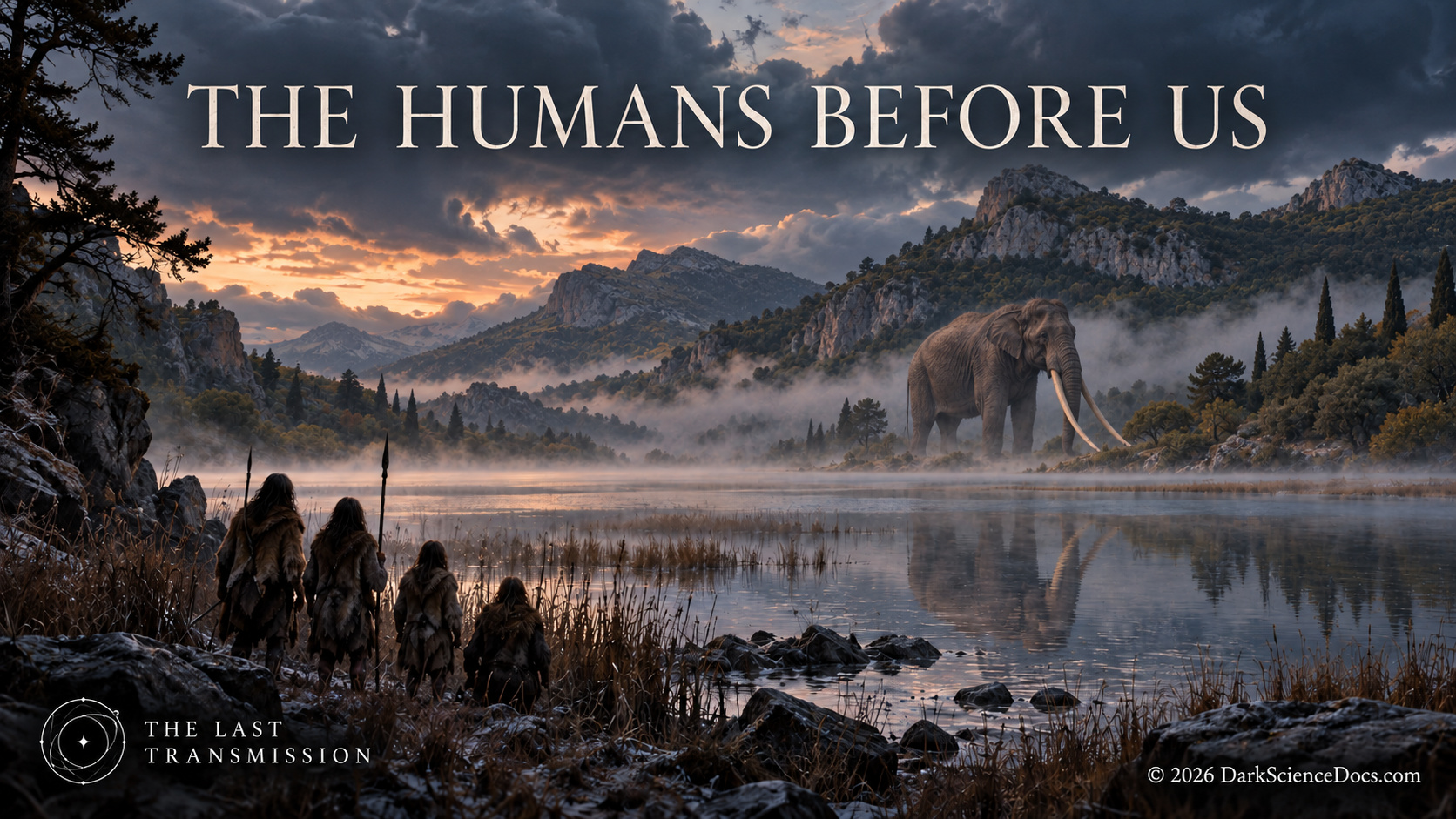
Beneath a Greek coal mine, ancient tools and butchered elephant bones reveal people who endured a brutal world long before us.

An asteroid carved a wound into Korea. What happened afterward may change where we search for the beginnings of life.
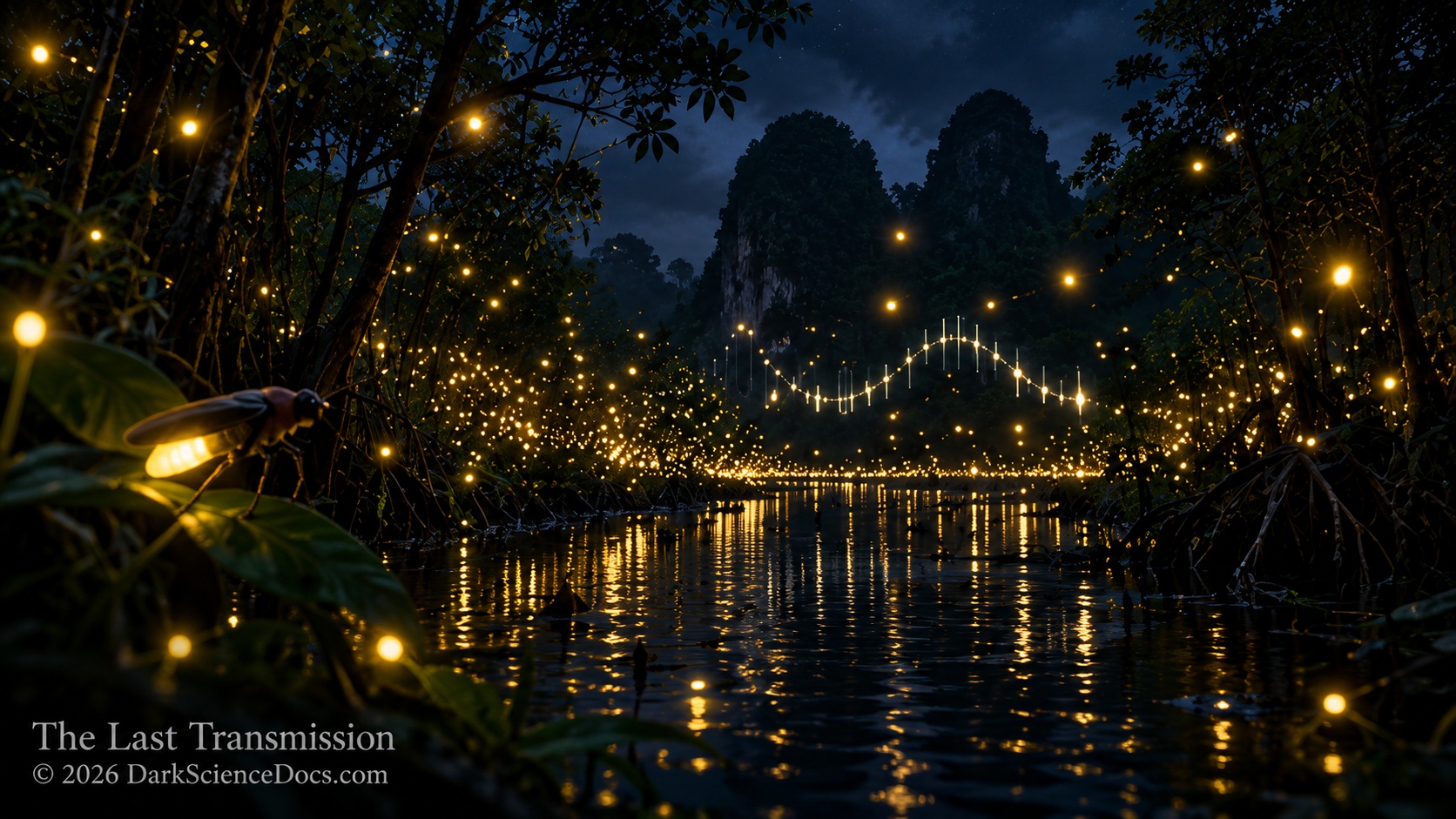
Fireflies, crickets, whales, human speech and popular music keep returning to the same strange tempo.
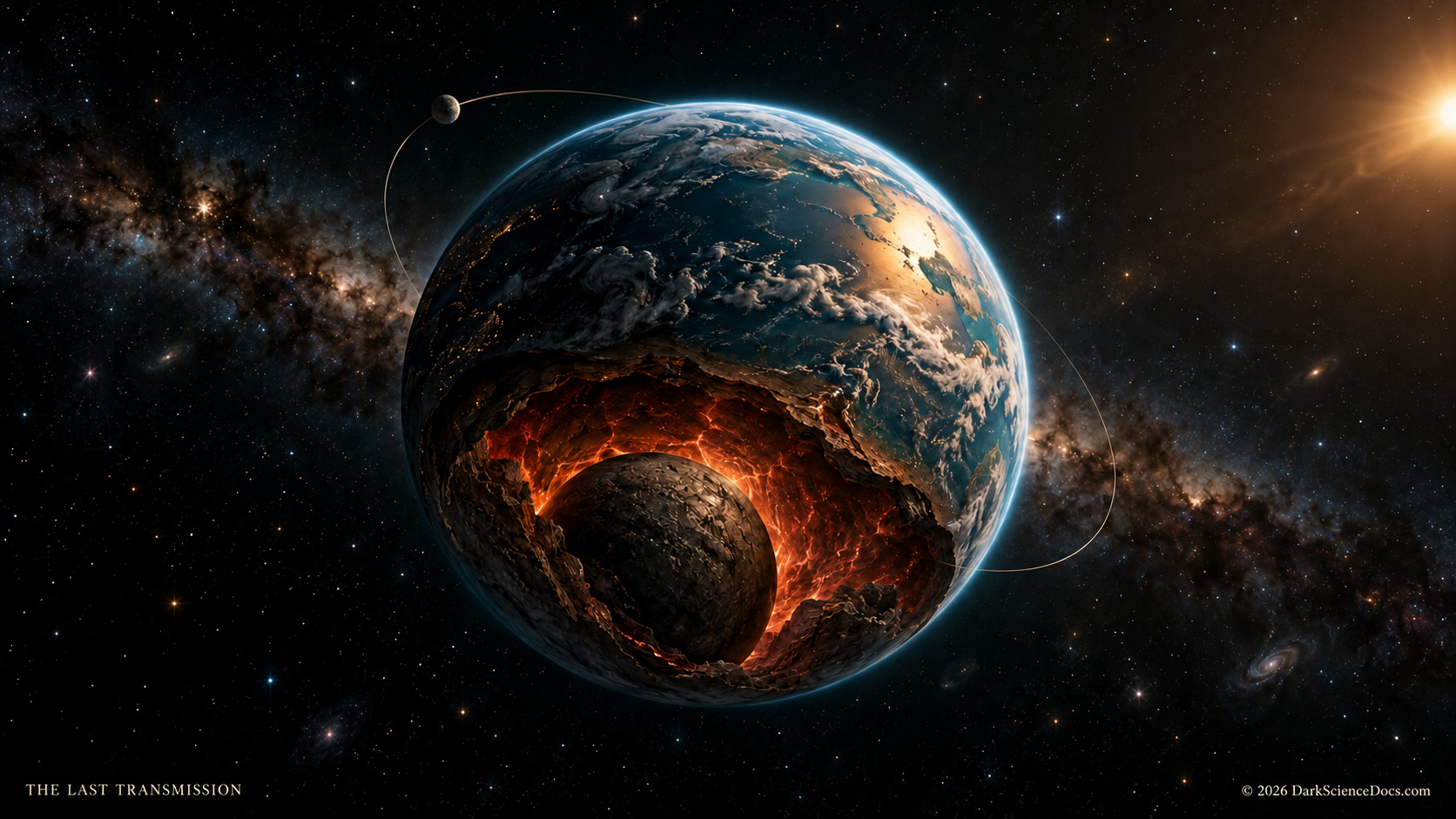
A world can receive the right amount of sunlight and still lose the machinery that keeps its climate alive.

Two frozen worlds. One missing sliver of infrared light. And a chemical story we cannot yet read.
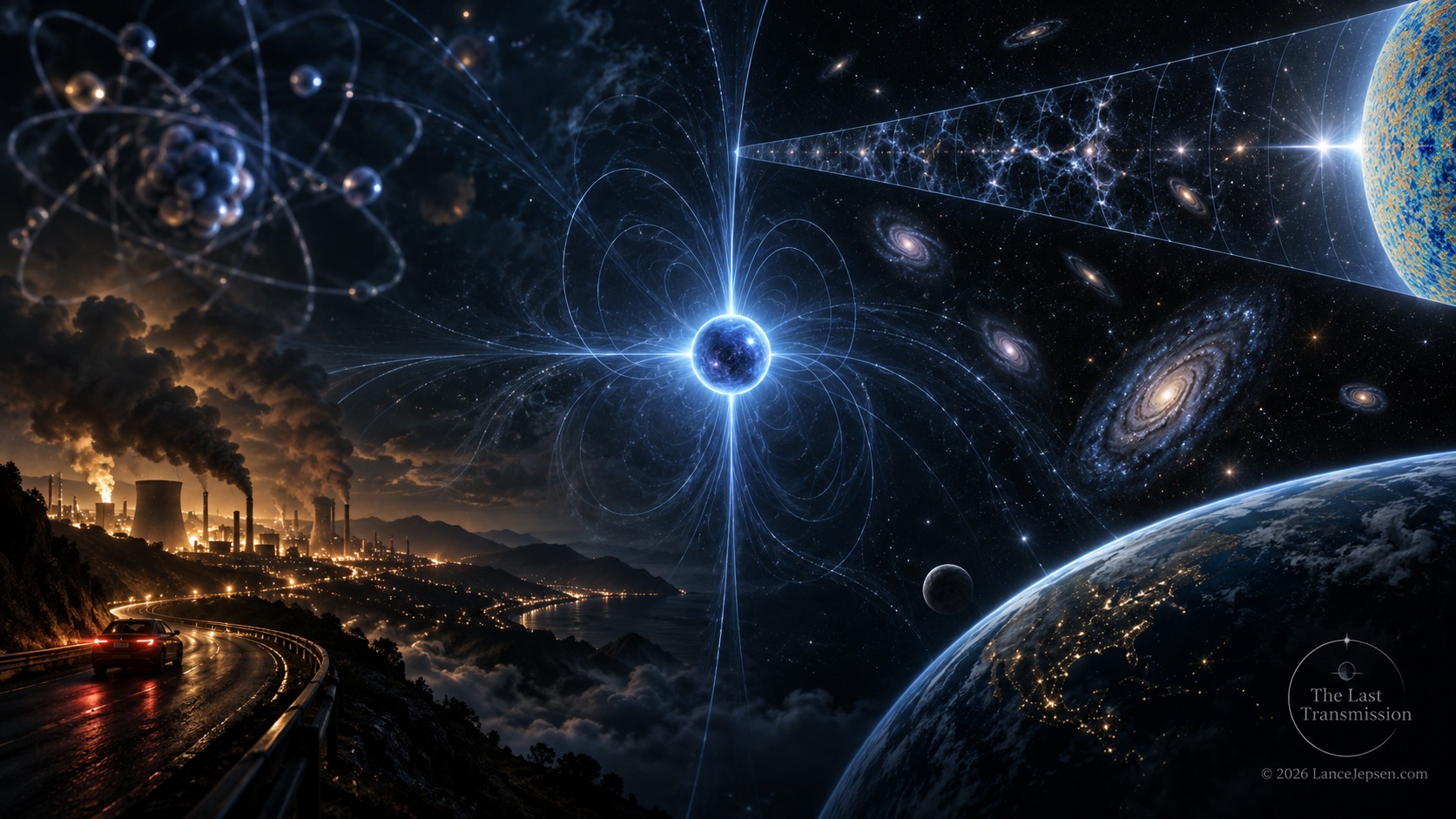
We spent a century asking what powers the electron. Physics eventually discovered that the question itself was wrong.
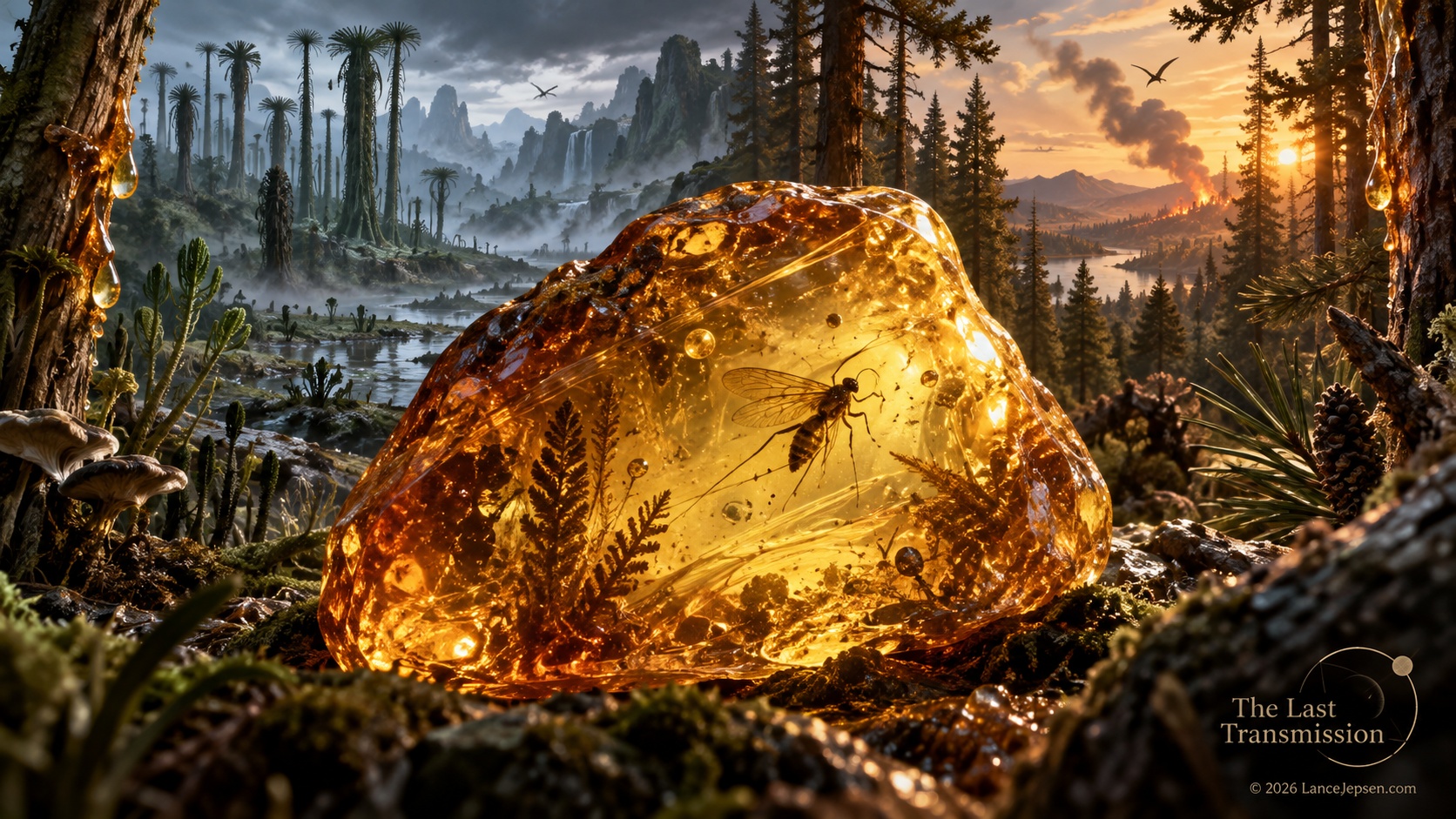
Amber may look like a beautiful accident of geology, but a discovery in China suggests its real story began as something far more desperate.
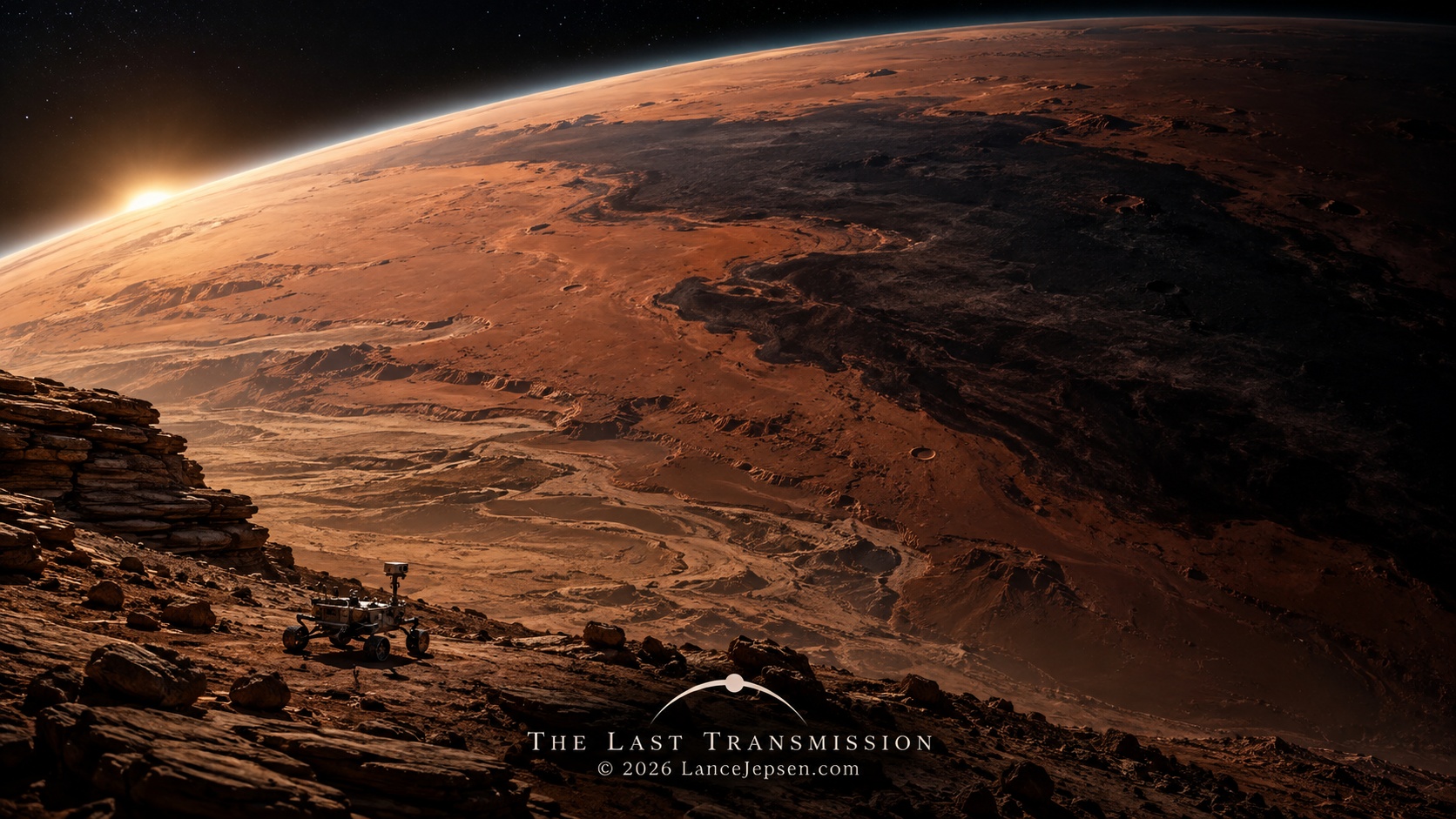
The strangest thing about Mars may not be what is buried beneath its surface.
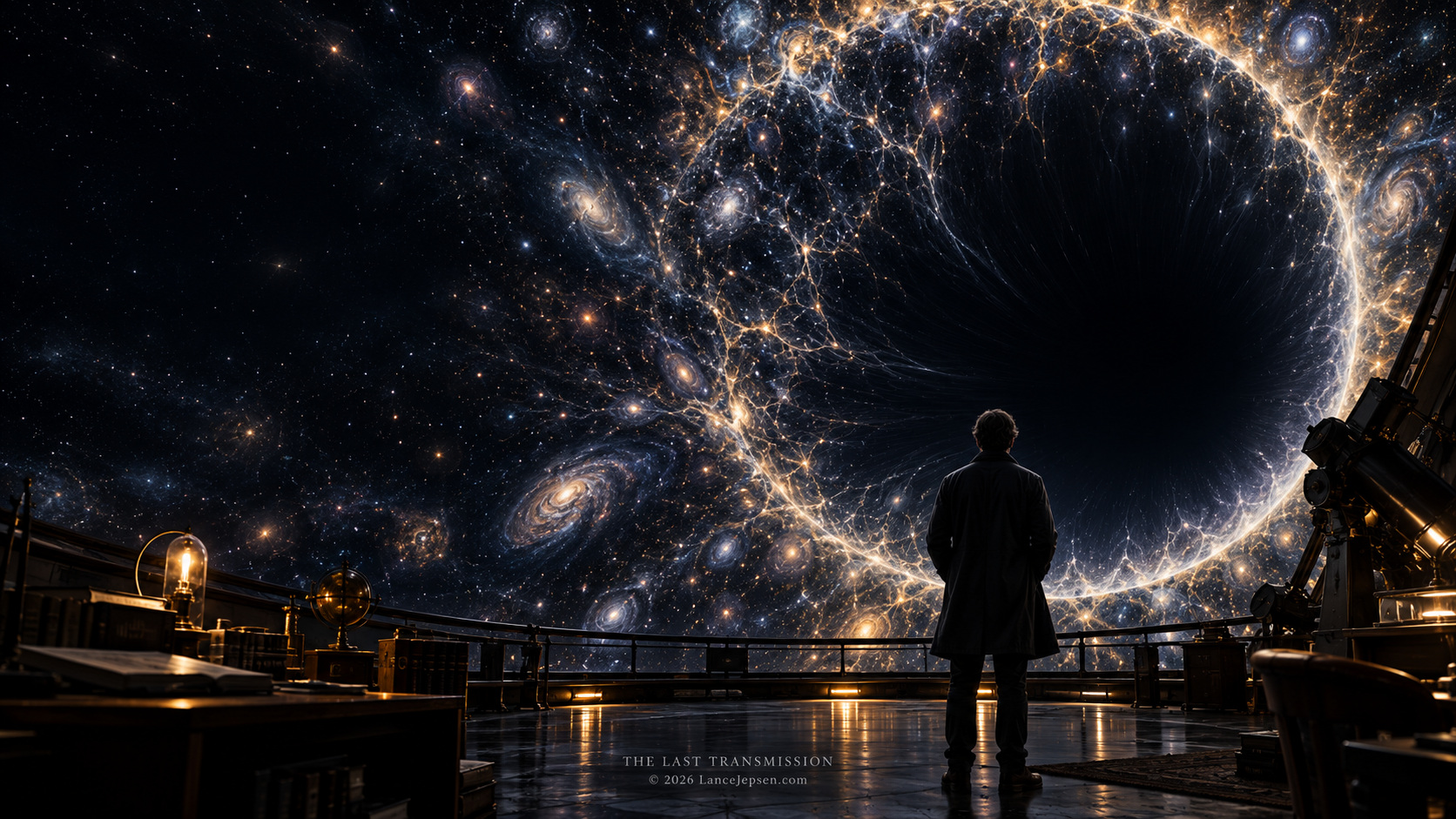
A real physics paper asked whether a universe could be born in an experiment. Follow that question far enough, and the mystery becomes much larger than the identity of its creator.
Read the illustrated article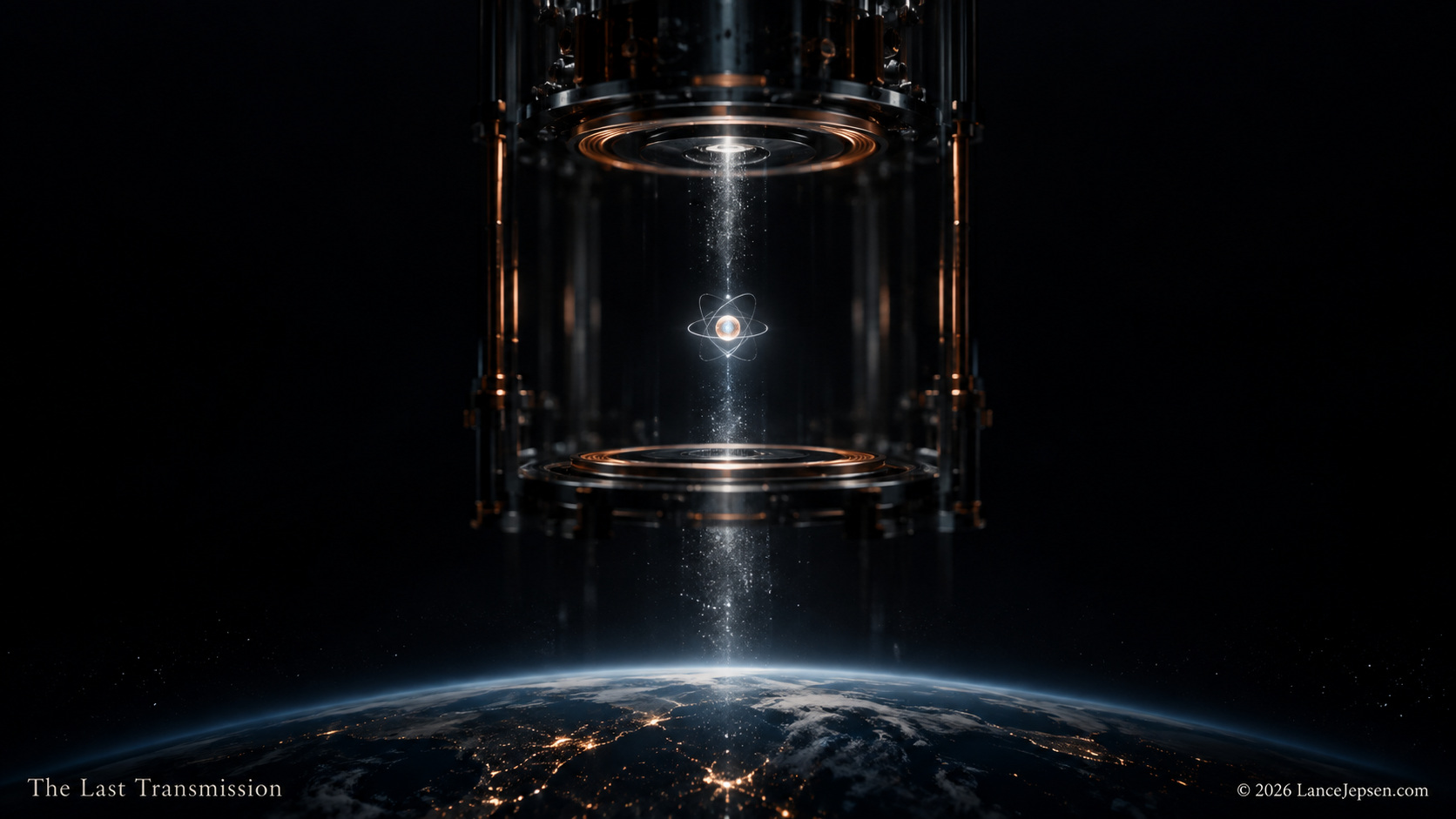
At CERN, physicists built a machine to drop the one kind of atom that destroys itself on contact. Its fall closed an elegant escape route from the oldest mystery in existence.
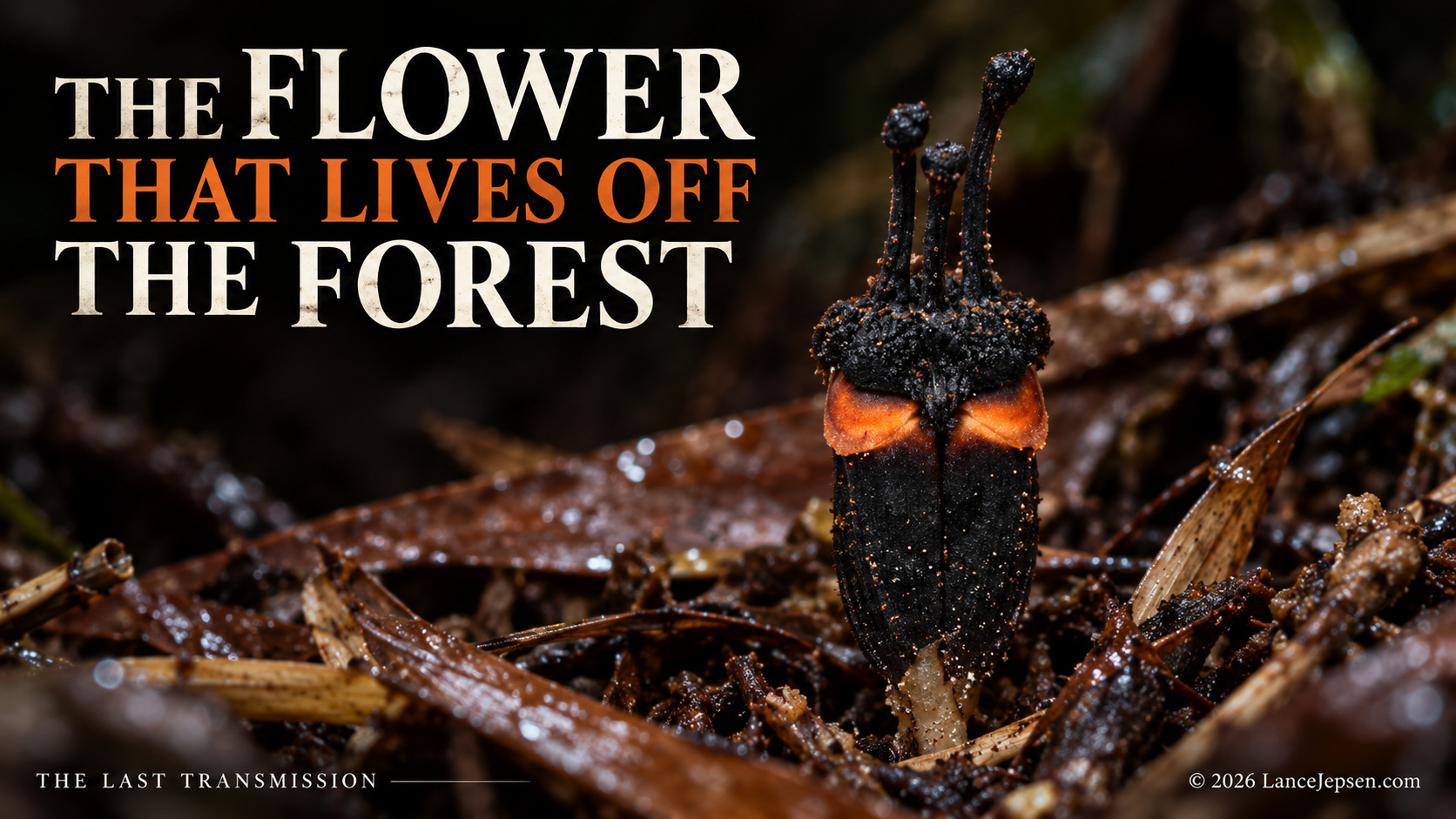
In a Thai mountain forest, botanists found a tiny black flower with horns. Its appearance was startling. Its way of staying alive is stranger still.
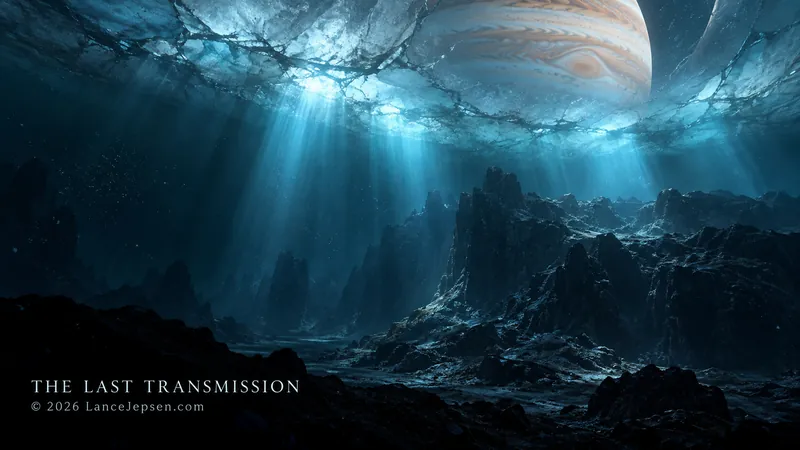
Two spacecraft are on their way to Jupiter’s icy moons. A study raises a troubling question about the energy beneath Europa’s ocean.
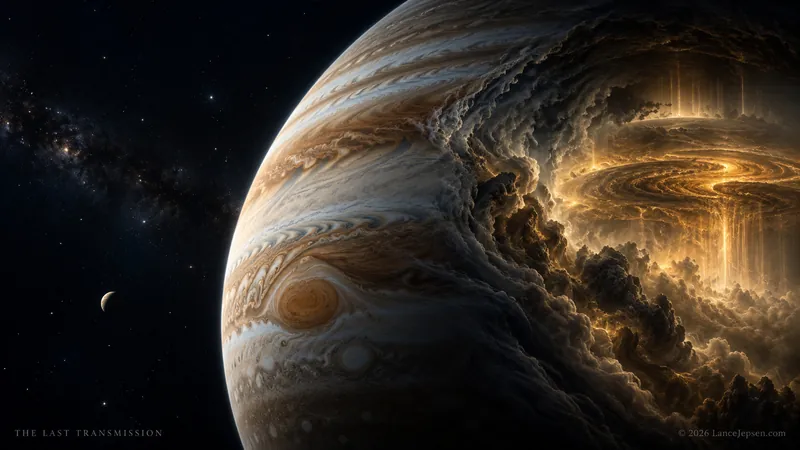
Juno found that Jupiter’s center is less like a buried stone and more like a question without a clean edge. Then a leading explanation for how it got that way ran into trouble.
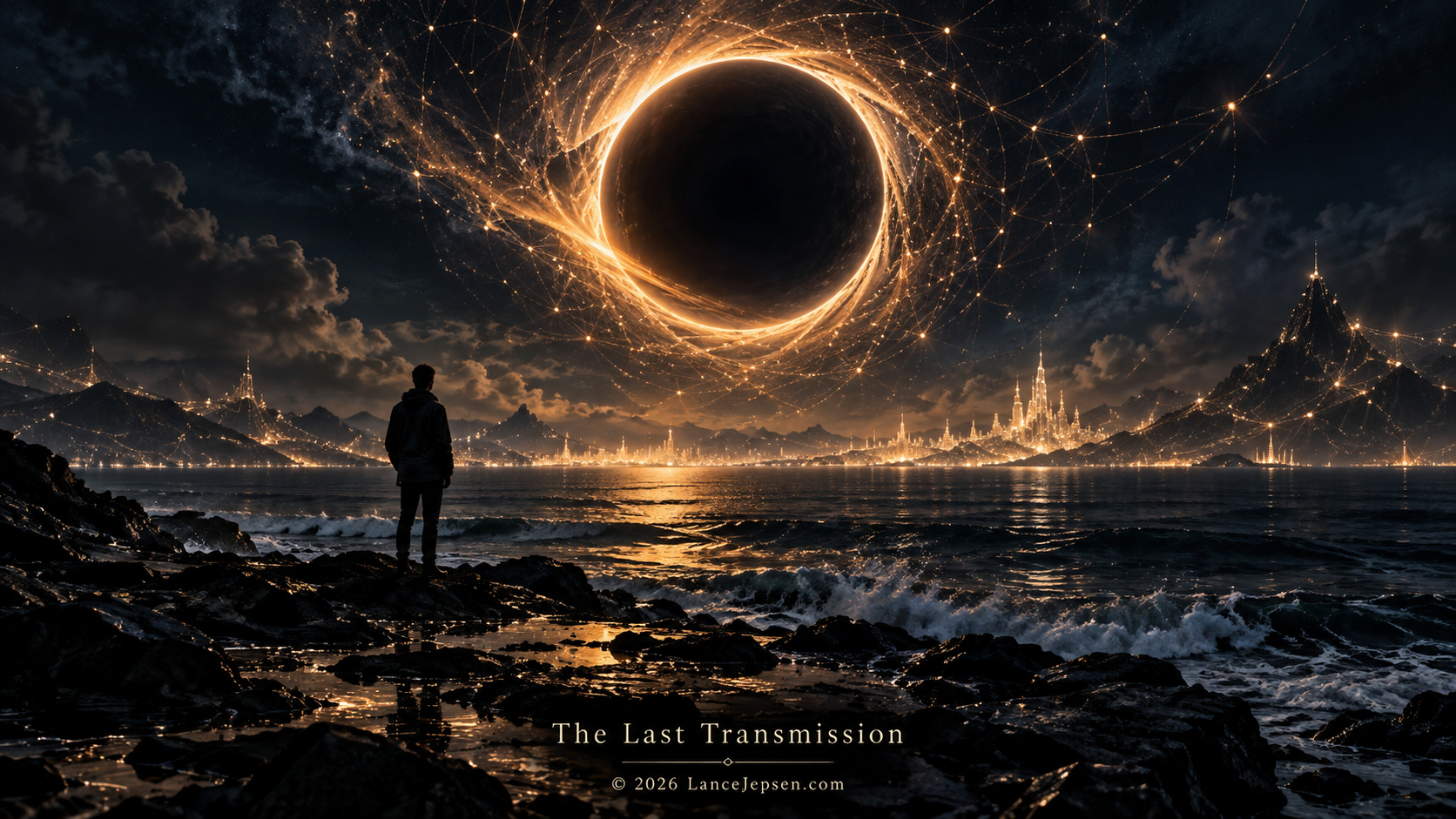
The black hole information paradox led physicists to a possibility that sounds like fiction: space itself may emerge from something deeper.
Read the illustrated articleExplore the original publication archive on Substack.
FROM THE VISUAL ARCHIVE
Read the investigation ↗