39 / A changing planet
Mars Is Still Erasing Its Past
Mars preserves ancient clues in rock and ice, while present-day processes continue to alter the evidence we hope to read.
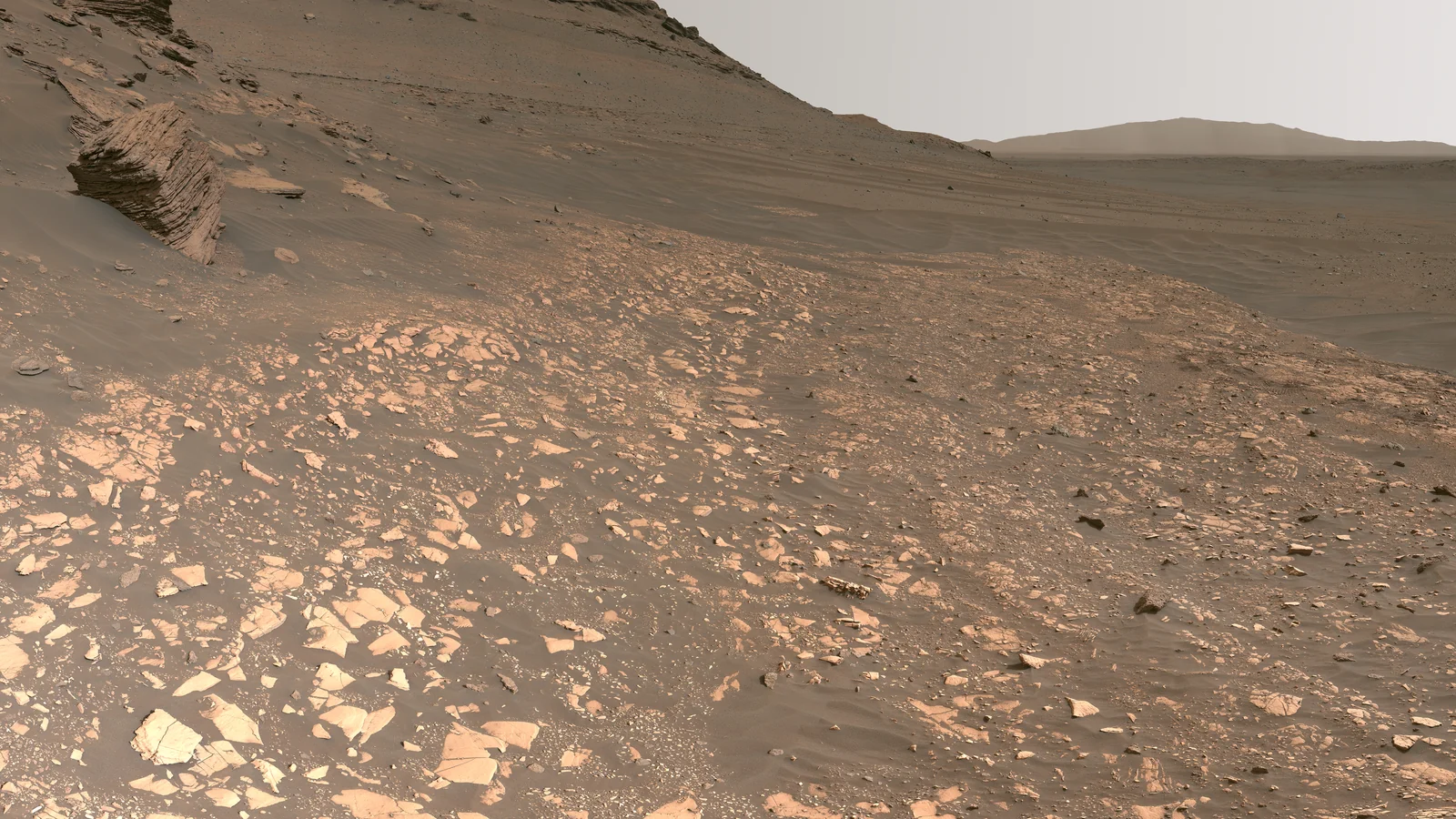
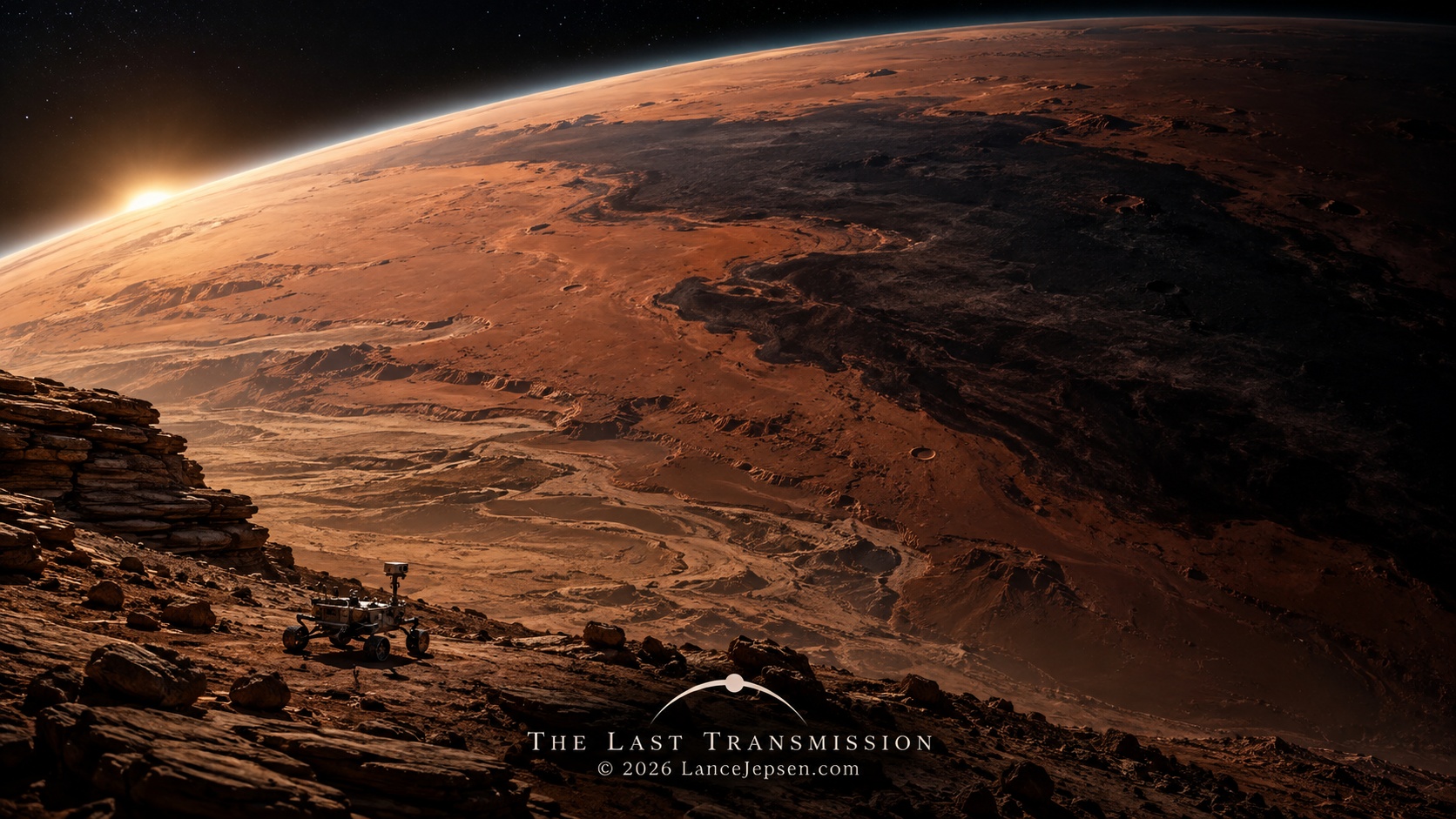
The red planet can look like an abandoned scene, fixed for billions of years. Its surface is still changing. Winds move material, slopes fail, and marks appear in the landscape. Each change is part of the story and, at times, a disturbance to the older record beneath it. This investigation looks at how a planet can keep its history and quietly rewrite it.
The full investigation continues with the evidence, illustrations, and sources at The Last Transmission on Substack.
Continue reading on SubstackTHE EVIDENCE / THE OPEN QUESTION
What we know.
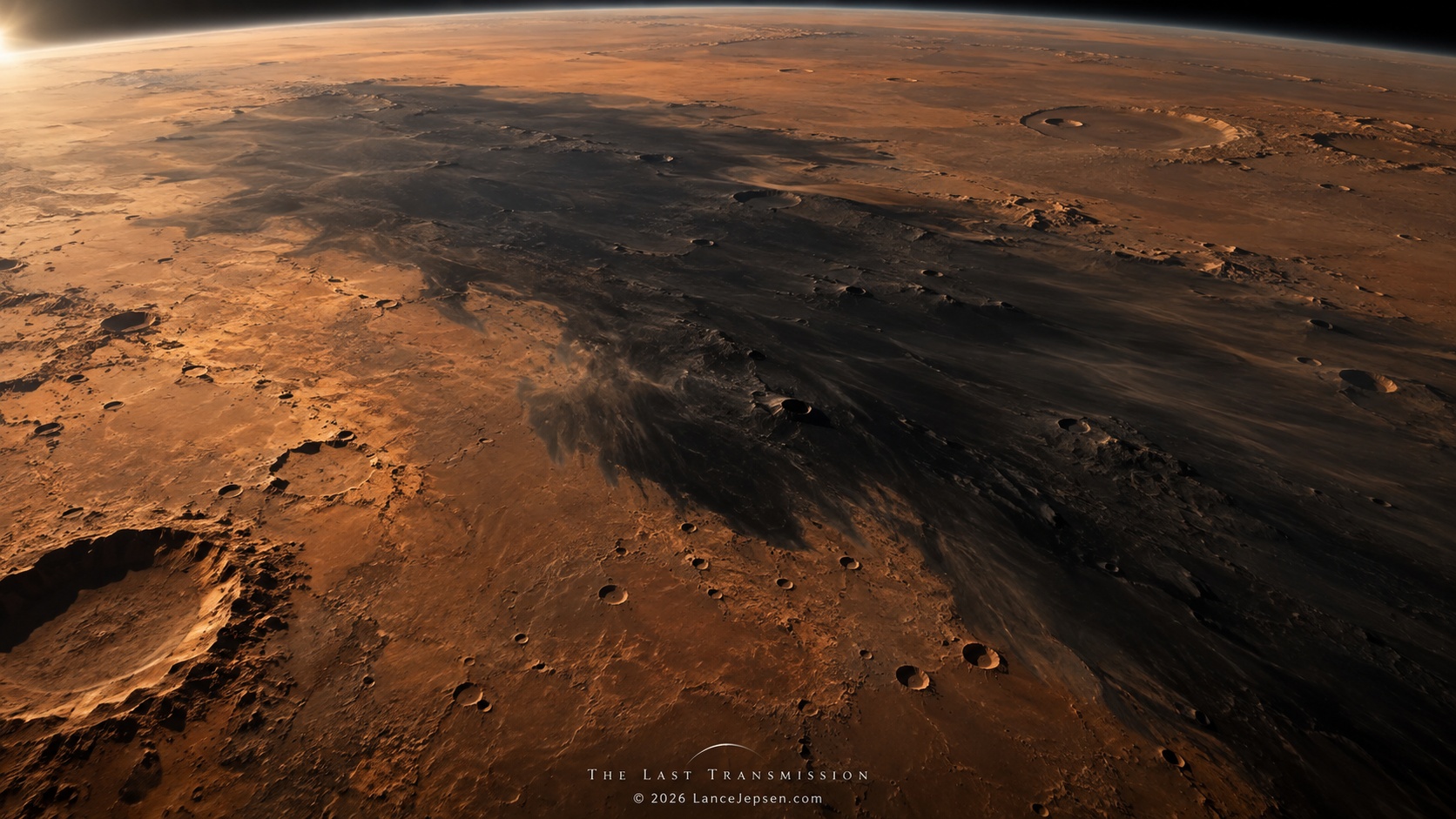
Mars holds traces of ancient rivers, minerals, ice, and organic molecules in some old rocks. At the same time, dust devils and winds move across the surface, buried material can be uncovered, and the remaining atmosphere continues to change under the influence of the Sun.
What remains open.
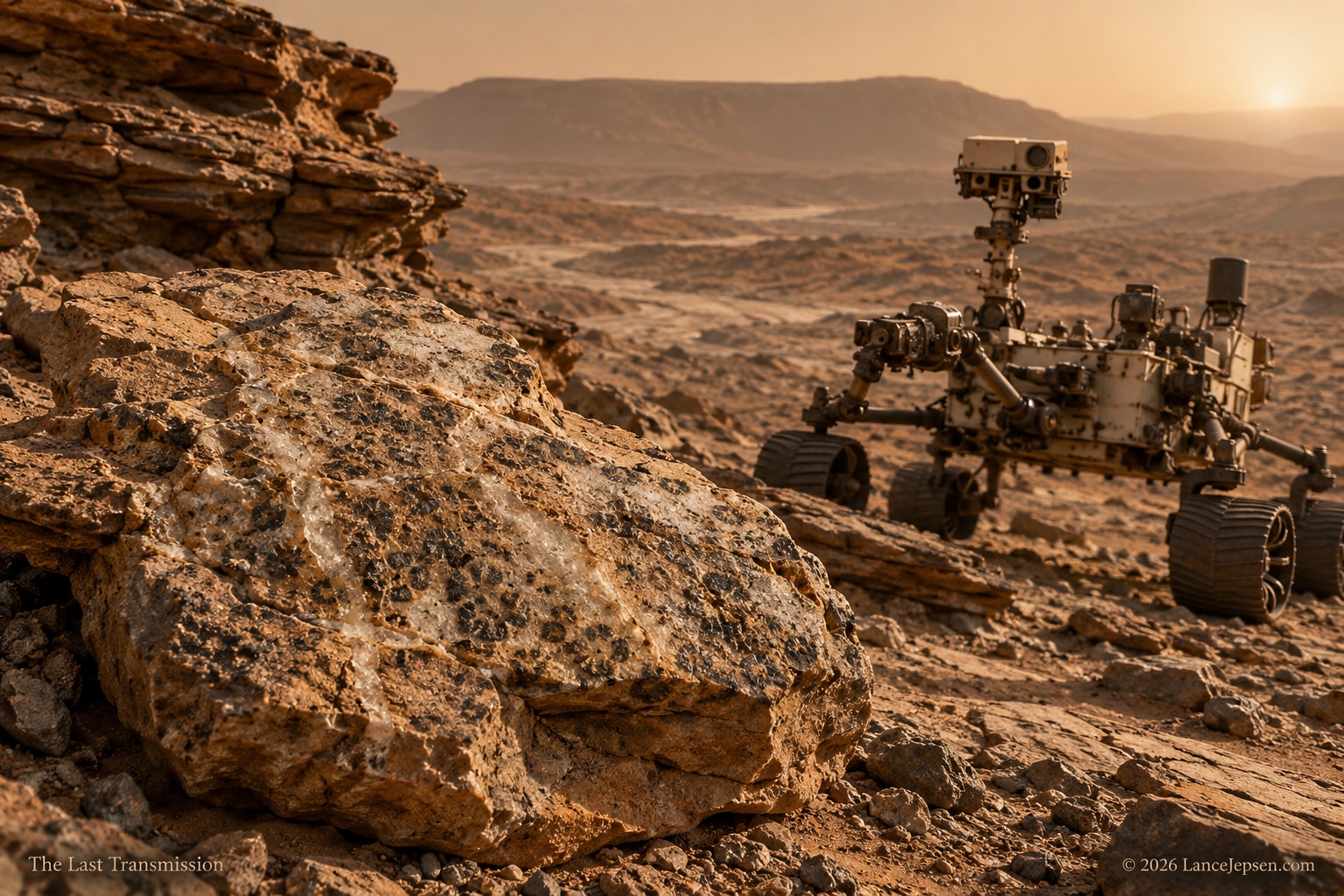
A promising rock or organic compound is not, by itself, a record of past life. Scientists must distinguish biological possibilities from geology and chemistry while working with a record that has been altered and exposed for immense spans of time.
Why it matters.
Mars exploration is a race between preservation and transformation. Reading its oldest clues requires understanding what happened after those clues formed. The processes still active today may be part of the answer and part of what makes the answer so difficult to recover.
FOLLOW THE EVIDENCE
Research behind the field note.
EXPLORE IN 3D / MAP 04
Read the scars on Mars
Turn a mapped Mars globe and examine the volcanoes, canyons, and older terrain behind the story.
Open Mars mapWATCH THE RELATED DOCUMENTARY
The story in motion.
VISUAL EVIDENCE
Inside the investigation.
FOLLOW THE THREAD
Related signals.
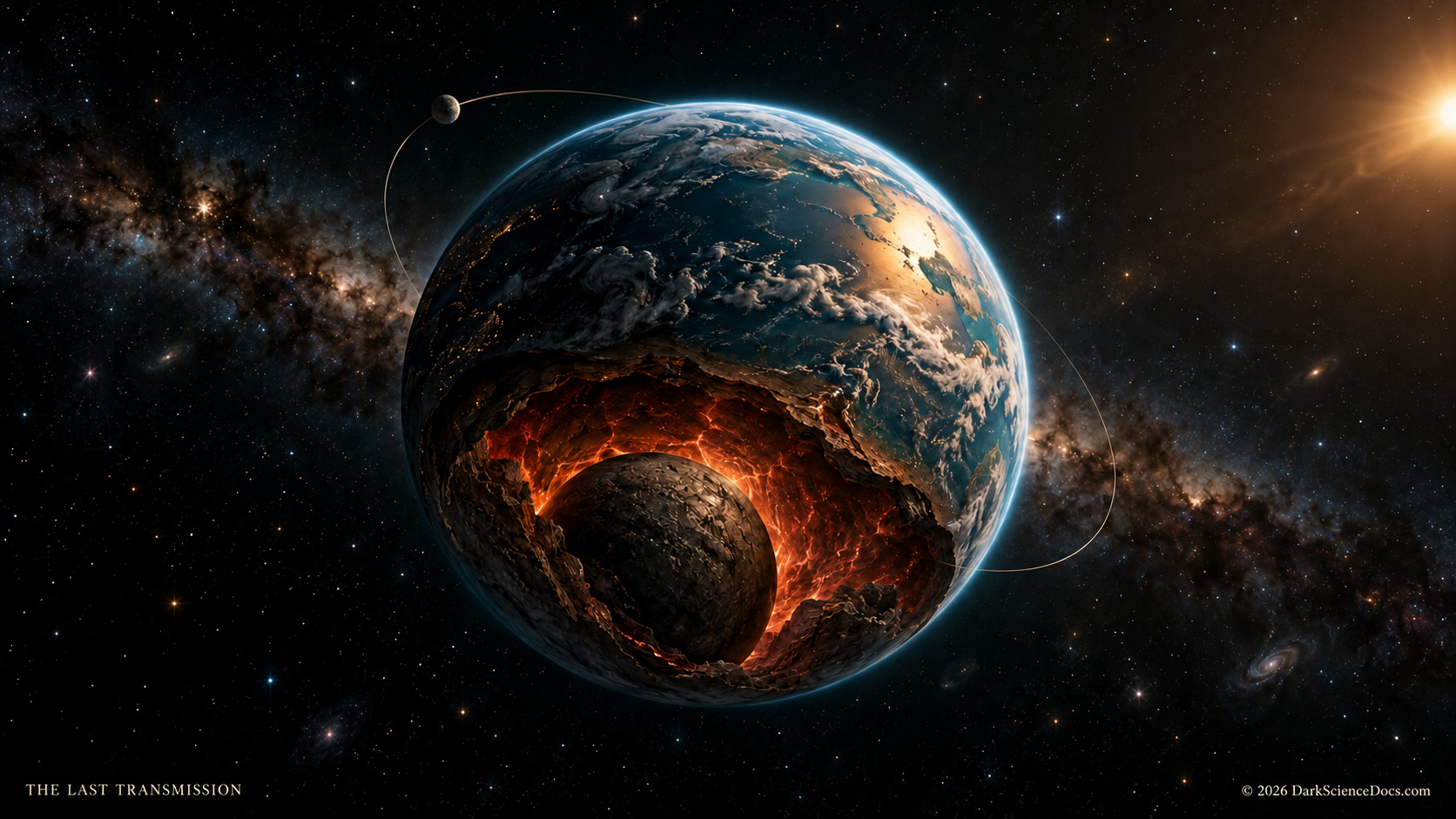
The Planets That Go Quiet While Their Stars Still Shine
A world can receive the right amount of sunlight and still lose the machinery that keeps its climate alive.

The Crater That Learned to Breathe
An asteroid carved a wound into Korea. What happened afterward may change where we search for the beginnings of life.
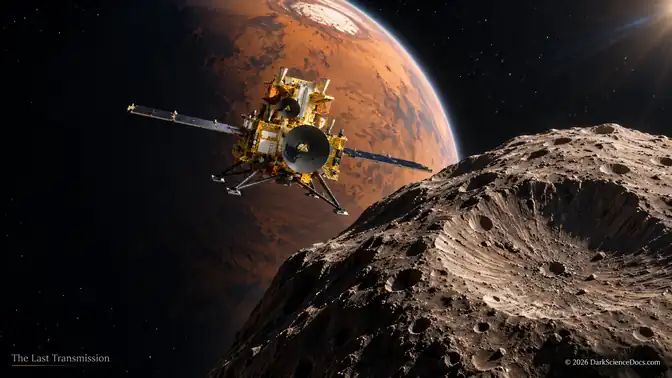
Phobos: The Moon That May Preserve Mars’s Past
MMX will investigate how Phobos formed and whether its dust contains fragments ejected from Mars. Follow the mission, the sample-return plan, and the limits of the evidence.