
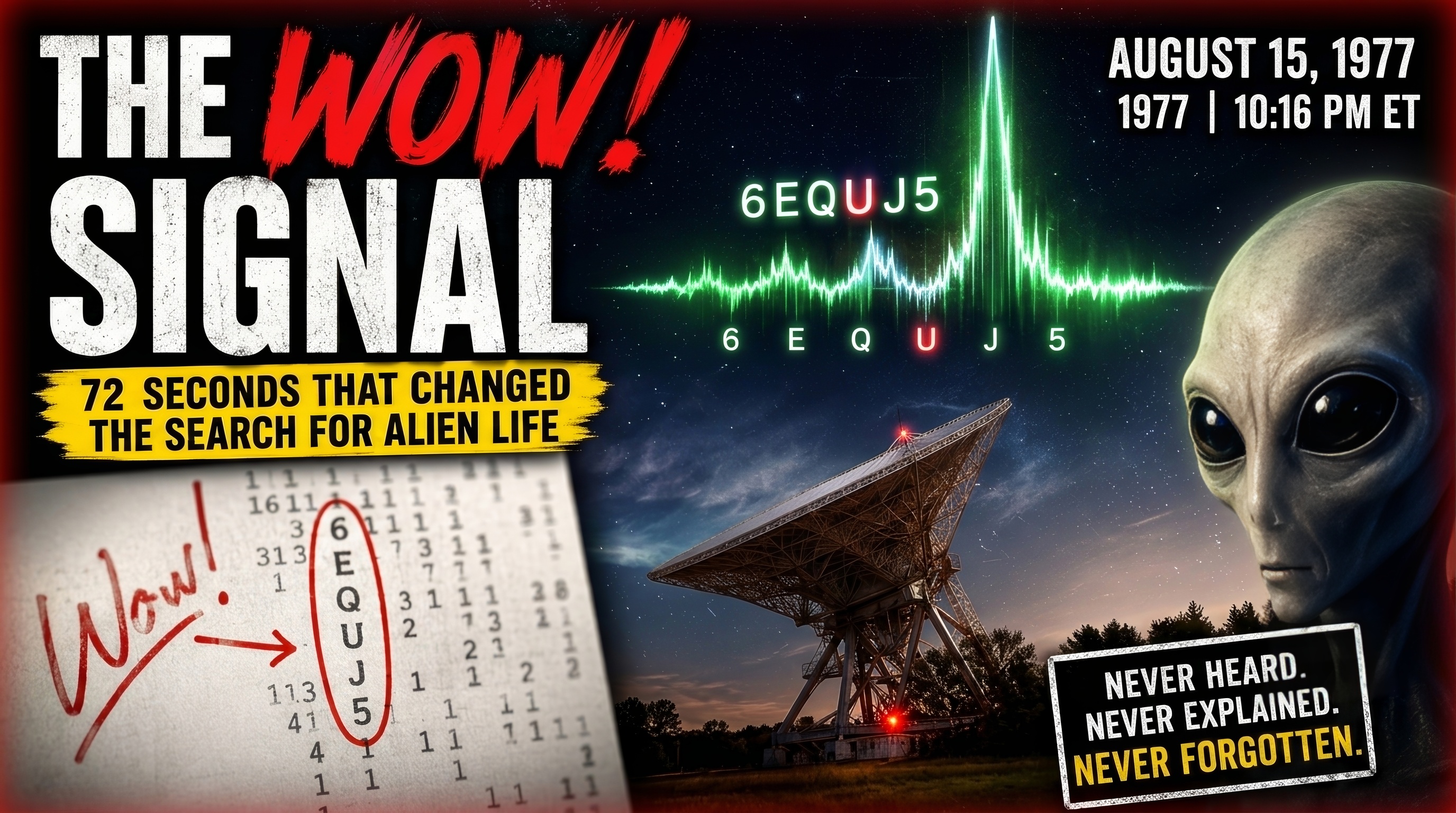
61 / A single line on a printout
What the Wow! Signal Did and Did Not Record
The Big Ear telescope logged an unusually strong narrowband radio signal in 1977. The famous printout records intensity during one pass through its beam, not a decoded message or a repeated conversation.
Jerry Ehman's handwritten 'Wow!' gave a strange observation its enduring name. The telescope's computer logged radio intensity in short sampling intervals as Earth's rotation swept the beam across the sky. The string of characters on the printout encodes strengths, not alien letters. Searches did not establish a persistent source at that location. Any proposed explanation must account for the instrument, the one-time detection, and the absence of a confirmed recurrence. The honest suspense is in how much an isolated measurement can suggest and how little it can certify.
The full investigation continues with the evidence, illustrations, and sources at The Last Transmission on Substack.
Continue reading on SubstackTHE EVIDENCE / THE OPEN QUESTION
What we know.
The Ohio State University Radio Observatory documented the August 1977 detection, the Big Ear setup, and the meaning of the intensity sequence. The unusual signal became a serious target for follow-up precisely because it was narrowband and striking in the recorded data.
What remains open.
Its source has not been identified from the original record. A one-off detection cannot demonstrate extraterrestrial technology, and proposed natural or terrestrial causes remain hypotheses unless they reproduce the relevant observational constraints.
Why it matters.
The case teaches the value of repeatability without making the original observation disappear. In a search through noisy skies, the most important next instrument is often the one pointed back at the same place.
FOLLOW THE EVIDENCE
Research behind the field note.
FOLLOW THE THREAD
Related signals.
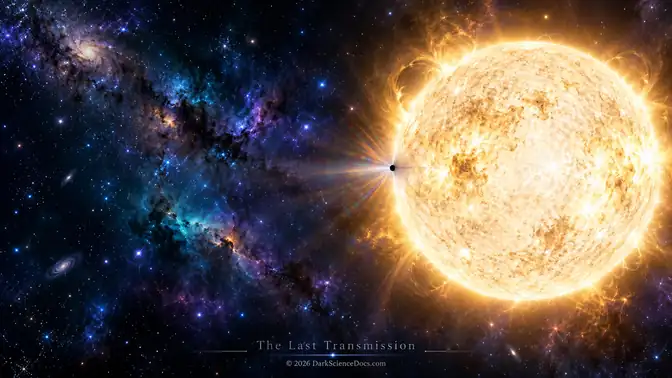
A Star Blinked Twice. Whatever Caused It May Be Much Closer to Earth.
Two nearly identical optical disturbances, 4.4 seconds apart, appeared in HD 89389’s light. Follow the unexplained record, a foreground diffraction hypothesis, and the synchronized telescopes proposed to test it.
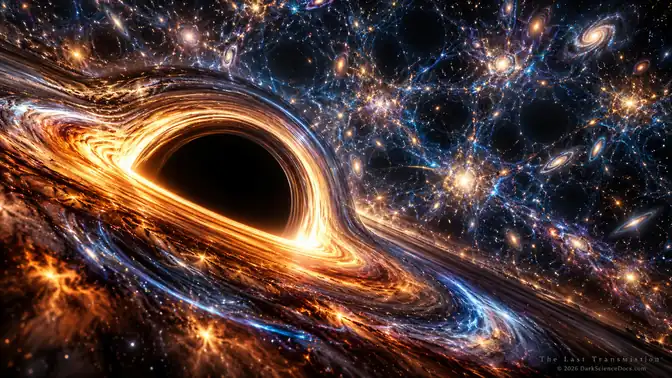
What If the Universe Is Accelerating Because Stars Die?
For nearly three decades, scientists have struggled to identify the mysterious force accelerating the expansion of the universe. Now a radical theory suggests the answer.
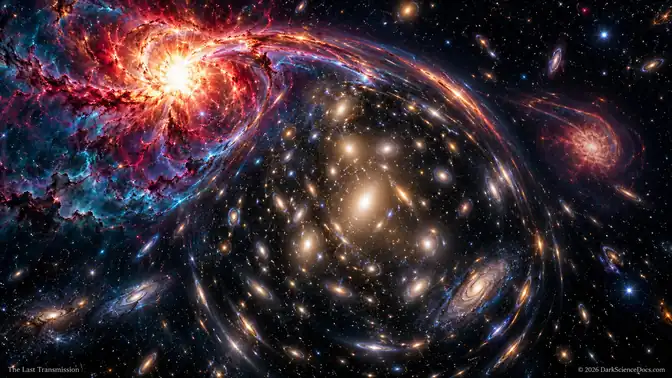
A Star Died 6.5 Billion Years Ago. Its Explosion Is About to Arrive Again.
NASA is watching for a supernova we have already seen. When that light finally reaches Earth, it could help answer one of the most troubling questions in modern cosmology.