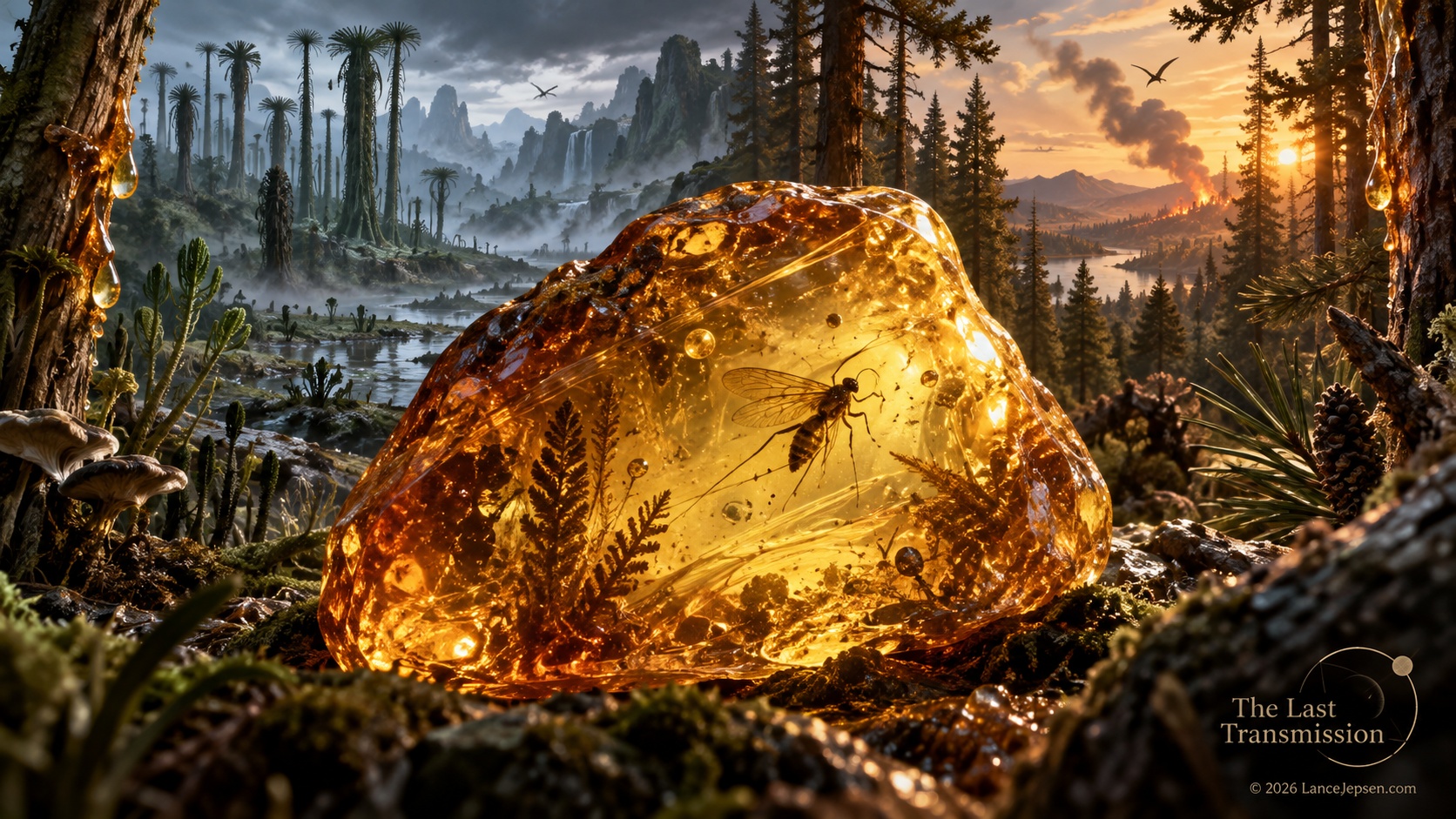
The Trees Were Bleeding 385 Million Years Ago
Amber may look like a beautiful accident of geology, but a discovery in China suggests its real story began as something far more desperate.
 THE LAST TRANSMISSIONStories from the Edge of Science
COLLECTION / THE ORDINARY WORLD, UNSETTLED
The unseen machinery of civilization, strange life on Earth, and risks hiding in familiar places.
43 TRANSMISSIONS
Amber may look like a beautiful accident of geology, but a discovery in China suggests its real story began as something far more desperate.
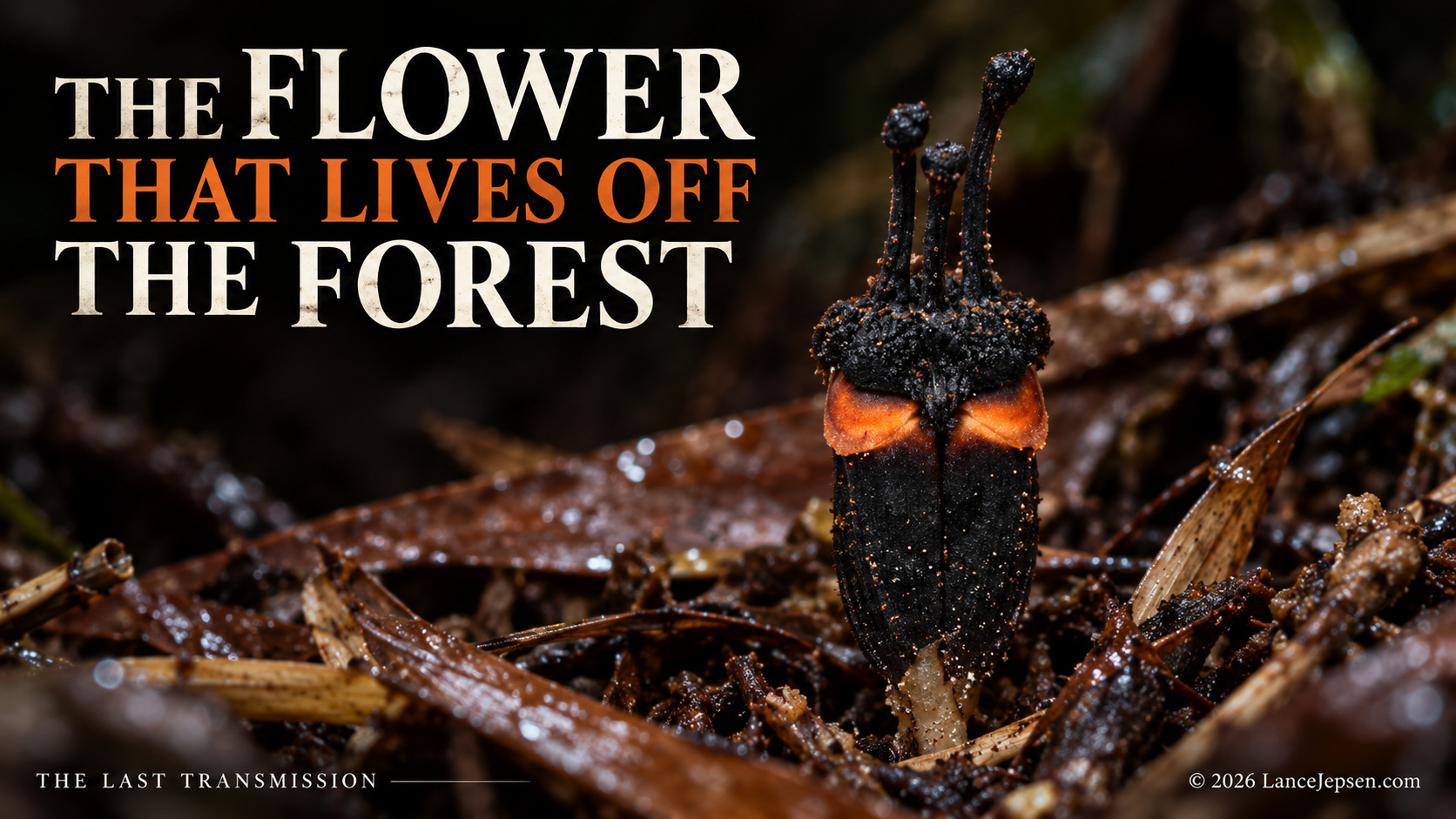
In a Thai mountain forest, botanists found a tiny black flower with horns. Its appearance was startling. Its way of staying alive is stranger still.
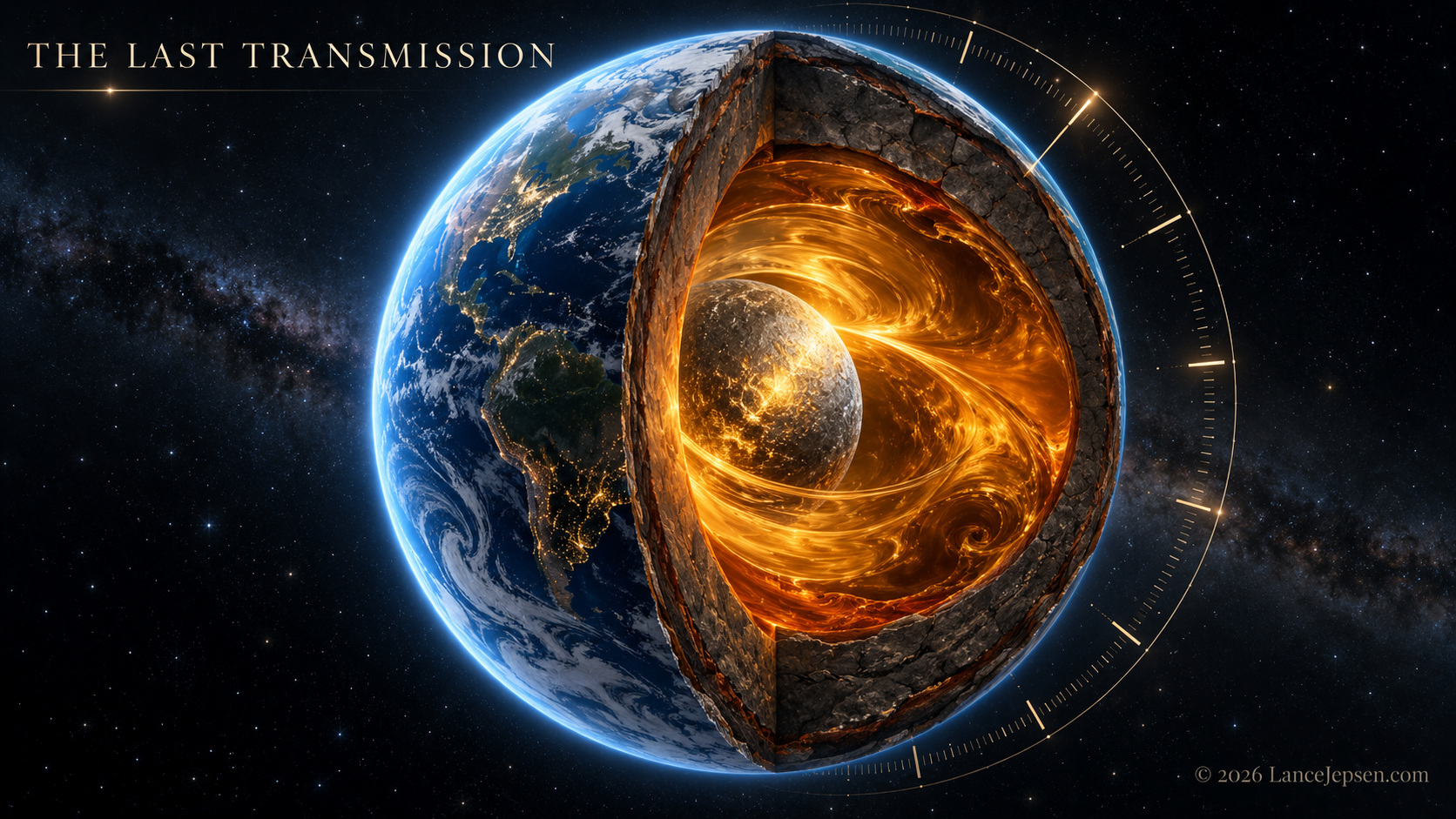
The solid inner core may be gravitationally tugging on the rest of the planet, changing the length of our days by milliseconds over decades.
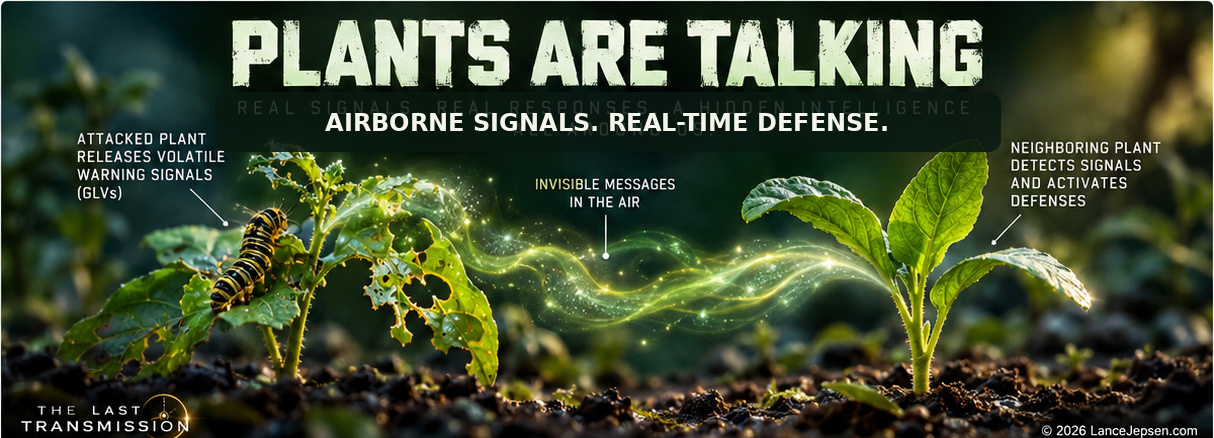
Scientists watched an invisible warning move through the air and ignite a living plant, cell by cell.
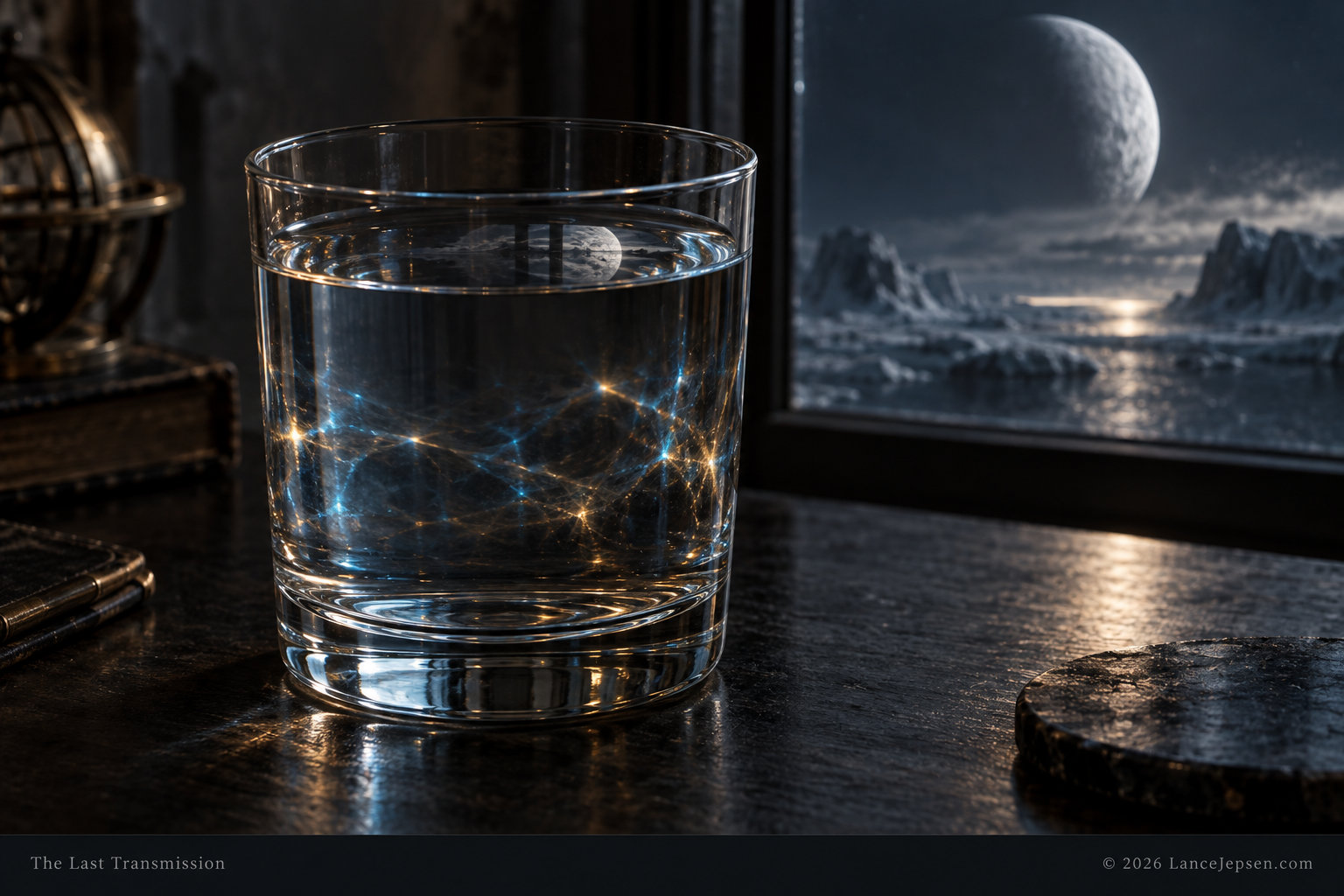
A glass on your desk, a lake under winter ice, an ocean sealed inside a moon. The same molecule may be keeping more than one arrangement within reach.
Read the illustrated article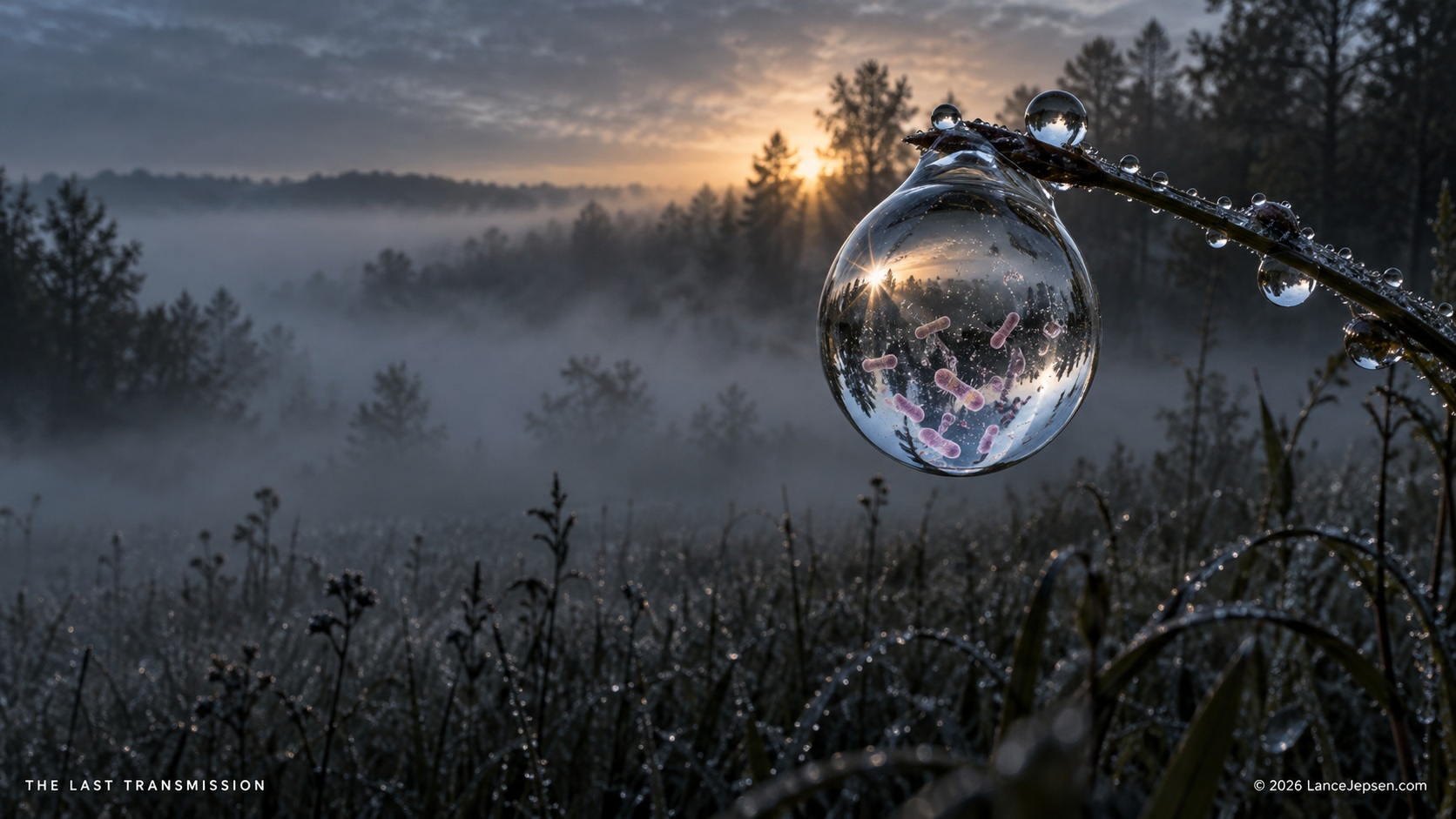
A two-year study found bacteria growing inside radiation fog, dividing in suspended droplets and dismantling formaldehyde as the ecosystem drifted just above the ground
Read the illustrated article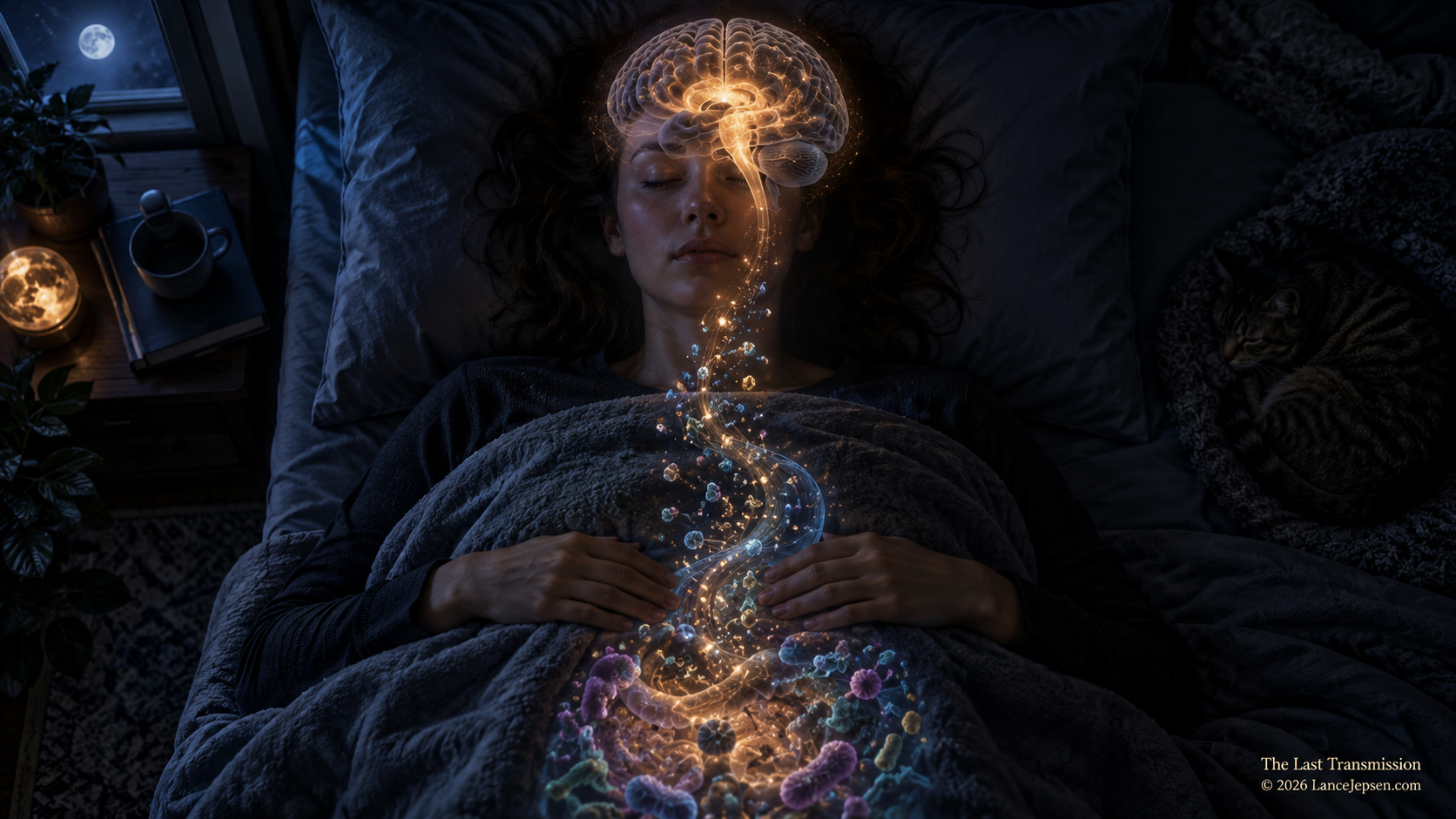
Scientists have found brain cells that appear to measure how long you have been awake. The stranger possibility is that they may be listening to signals from an ecosystem living inside you.
Read the illustrated article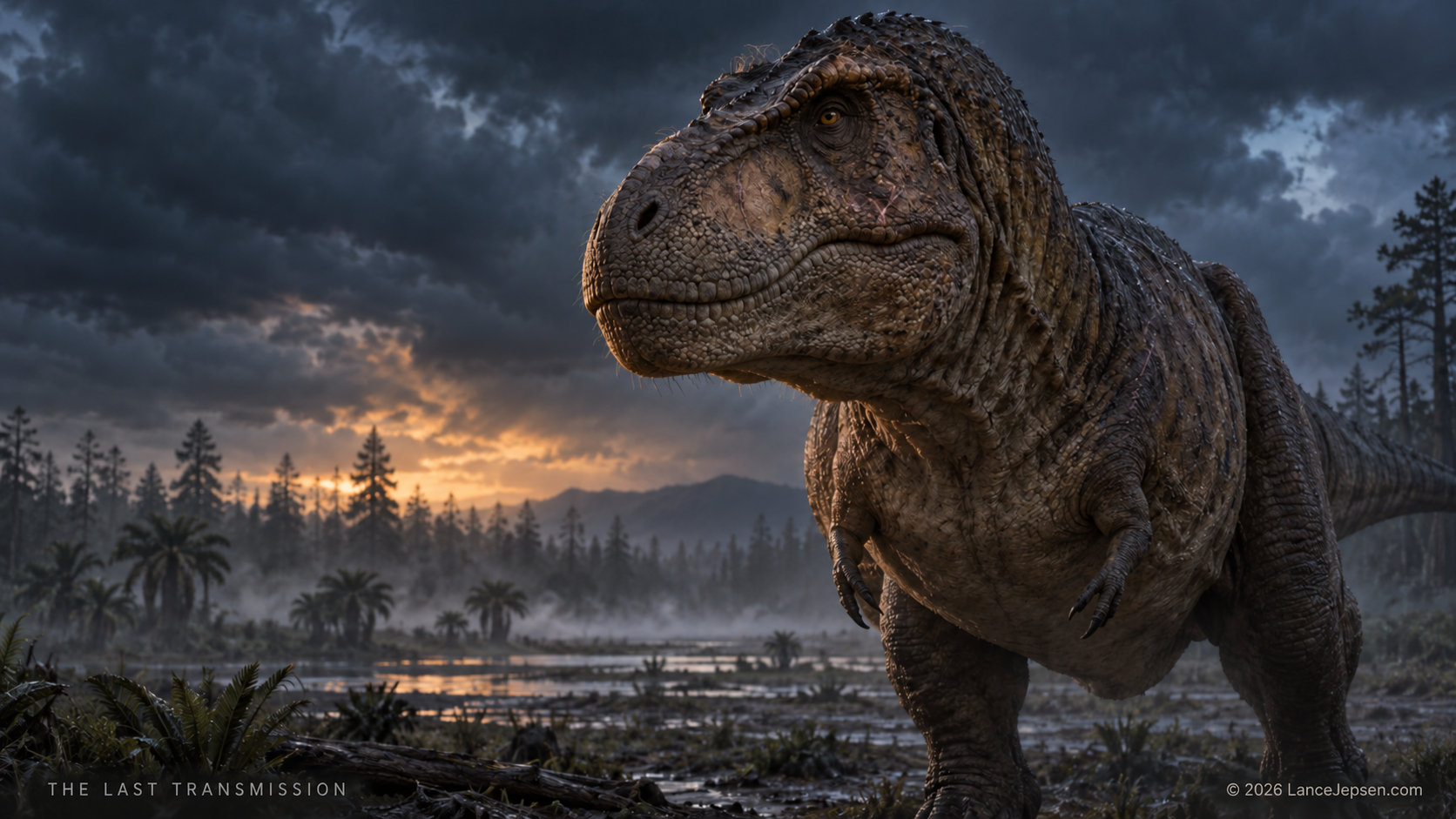
Its teeth were hidden. Its tiny arms were the price of an overbuilt skull. And one broken rib preserved the last repair its body ever attempted.
Read the illustrated article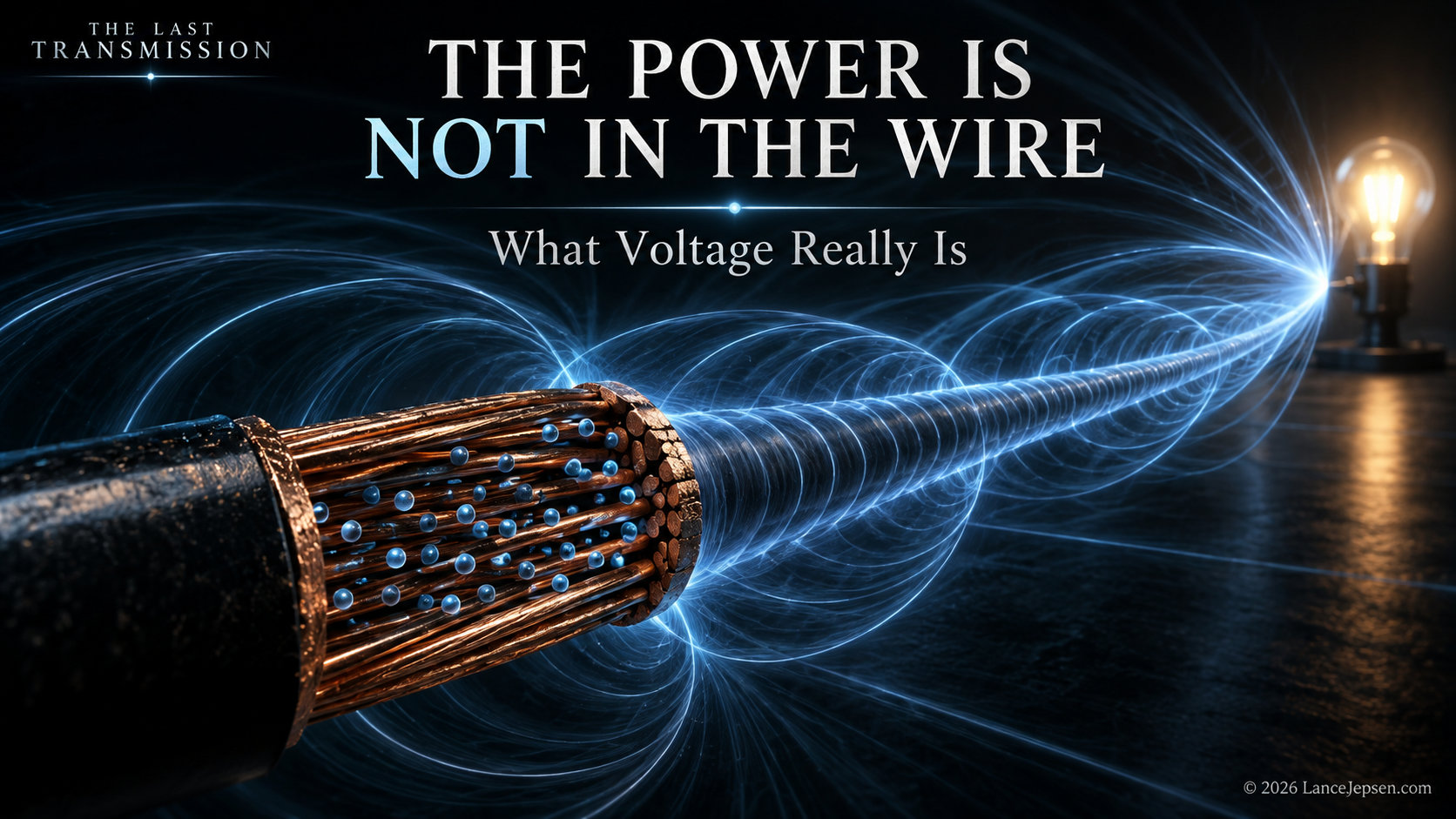
What voltage really is, where electrical energy travels, and why the empty space around a cable is doing more than the copper inside it.
Read the illustrated article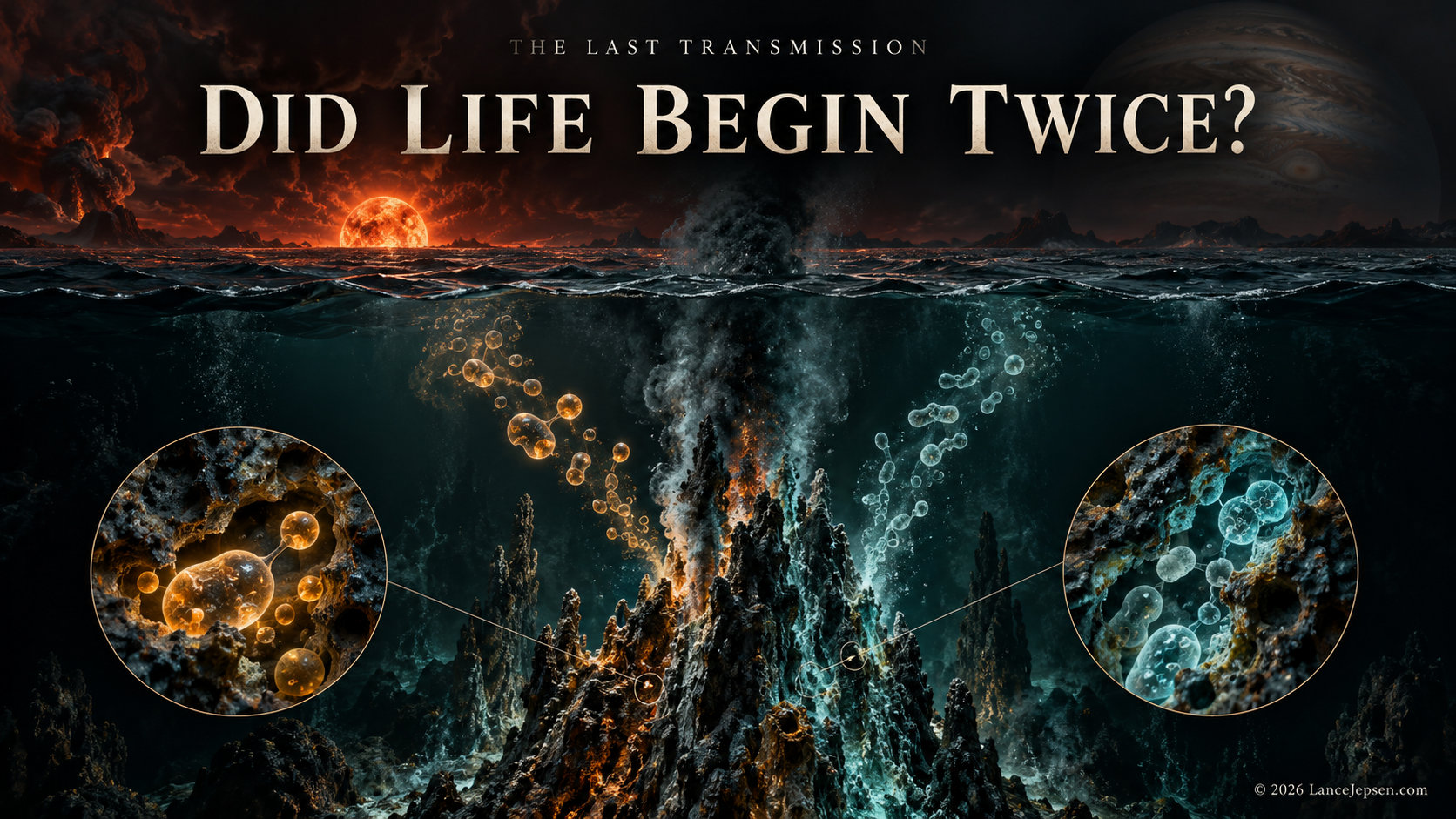
A study suggests biology did not arrive fully formed. Part of its metabolism may have assembled inside hydrothermal rock, then completed itself independently along the two oldest branches of life.
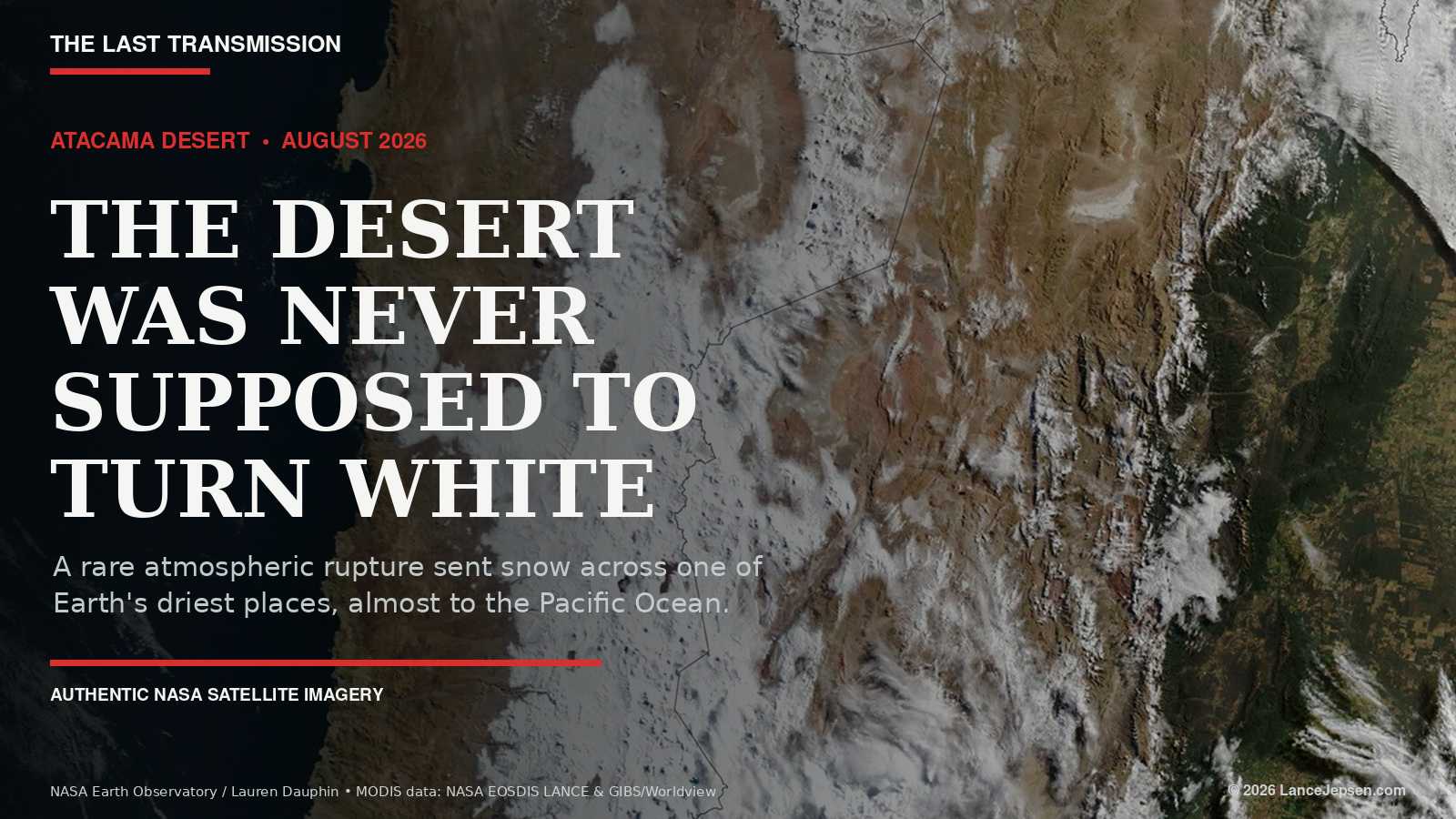
A rare atmospheric rupture pushed snow across the driest nonpolar desert on Earth. In one coastal city, roughly ten years of rain fell in three days.
Read the illustrated article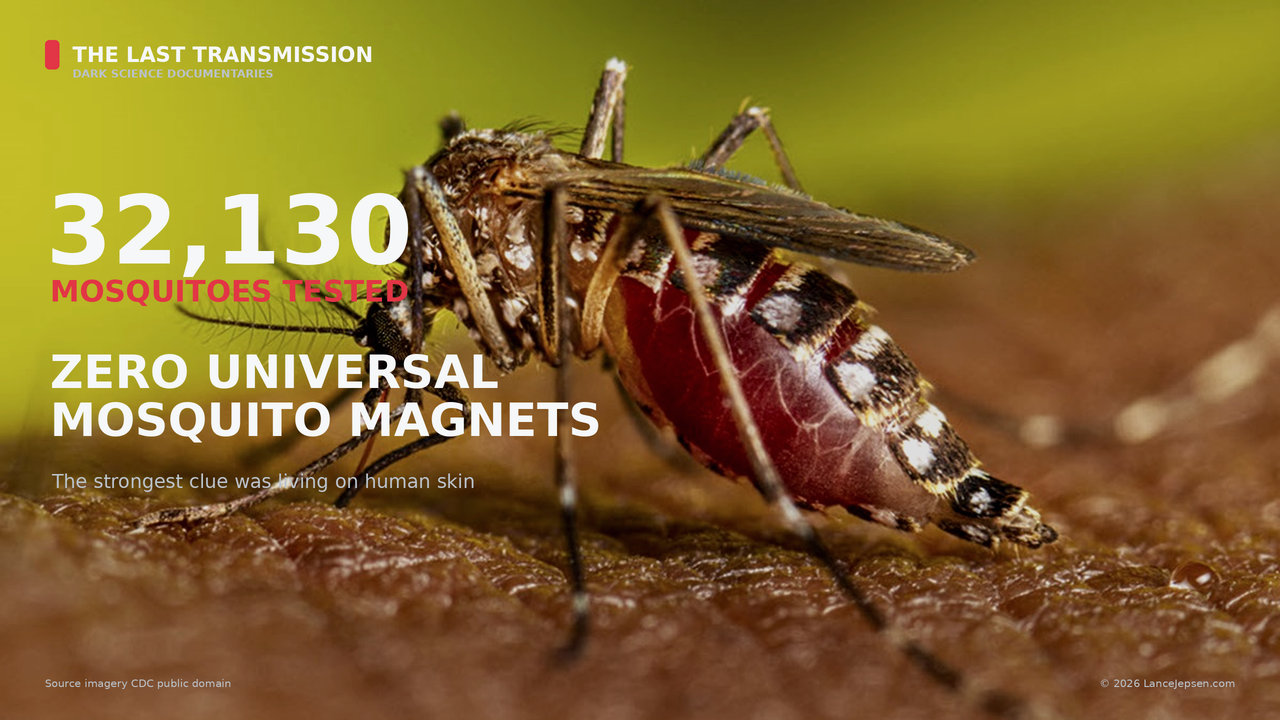
A 2026 study found that three mosquito species read human body odor differently and one favored people carrying 13 distinctive scent chemicals
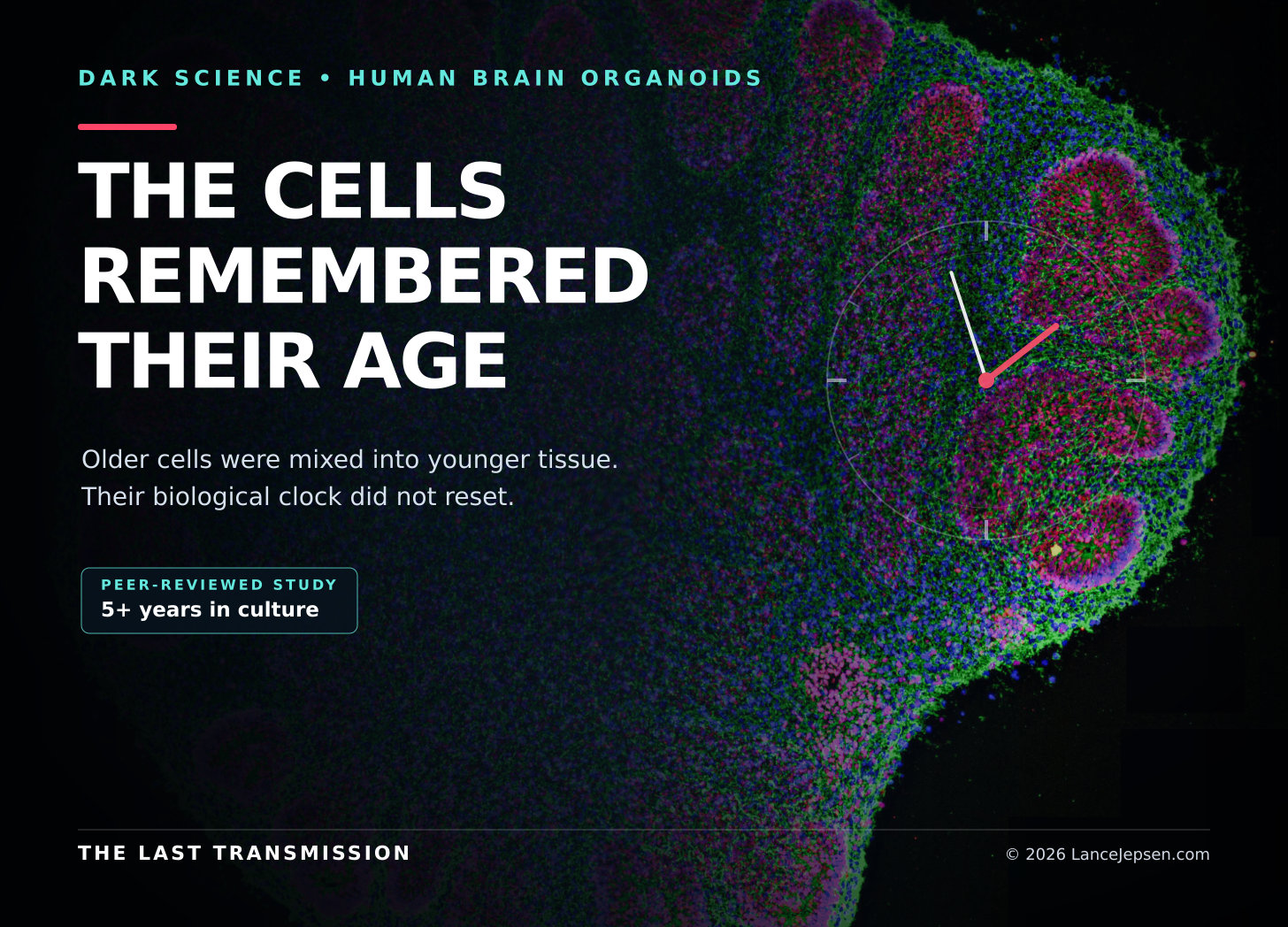
Human brain organoids lived in culture for more than five years, kept an internal developmental clock, and carried that age into newly assembled tissue.
Read the illustrated article
A secret model beyond GPT-6 Astra produced 166 pages, 130 billion output tokens and a formal proof. The mathematics may be historic.
Read the illustrated article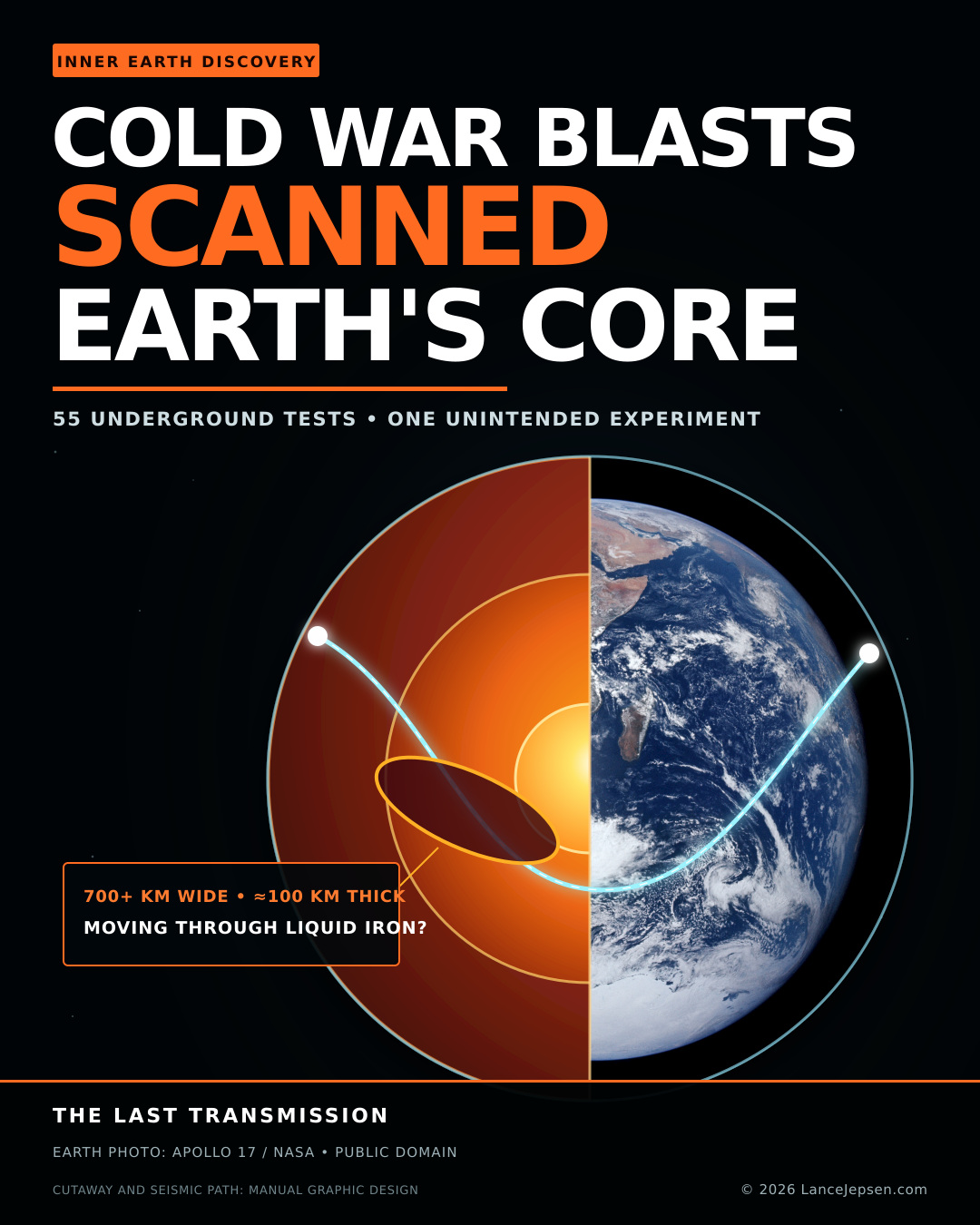
Decades after 55 underground nuclear tests, their echoes revealed that something enormous may be moving through the liquid metal beneath the Pacific.
Read the illustrated article
Beneath the forests we have walked through our entire lives, an ancient biological system has been signaling, adapting, remembering, and perhaps doing something we do not yet have a word for.
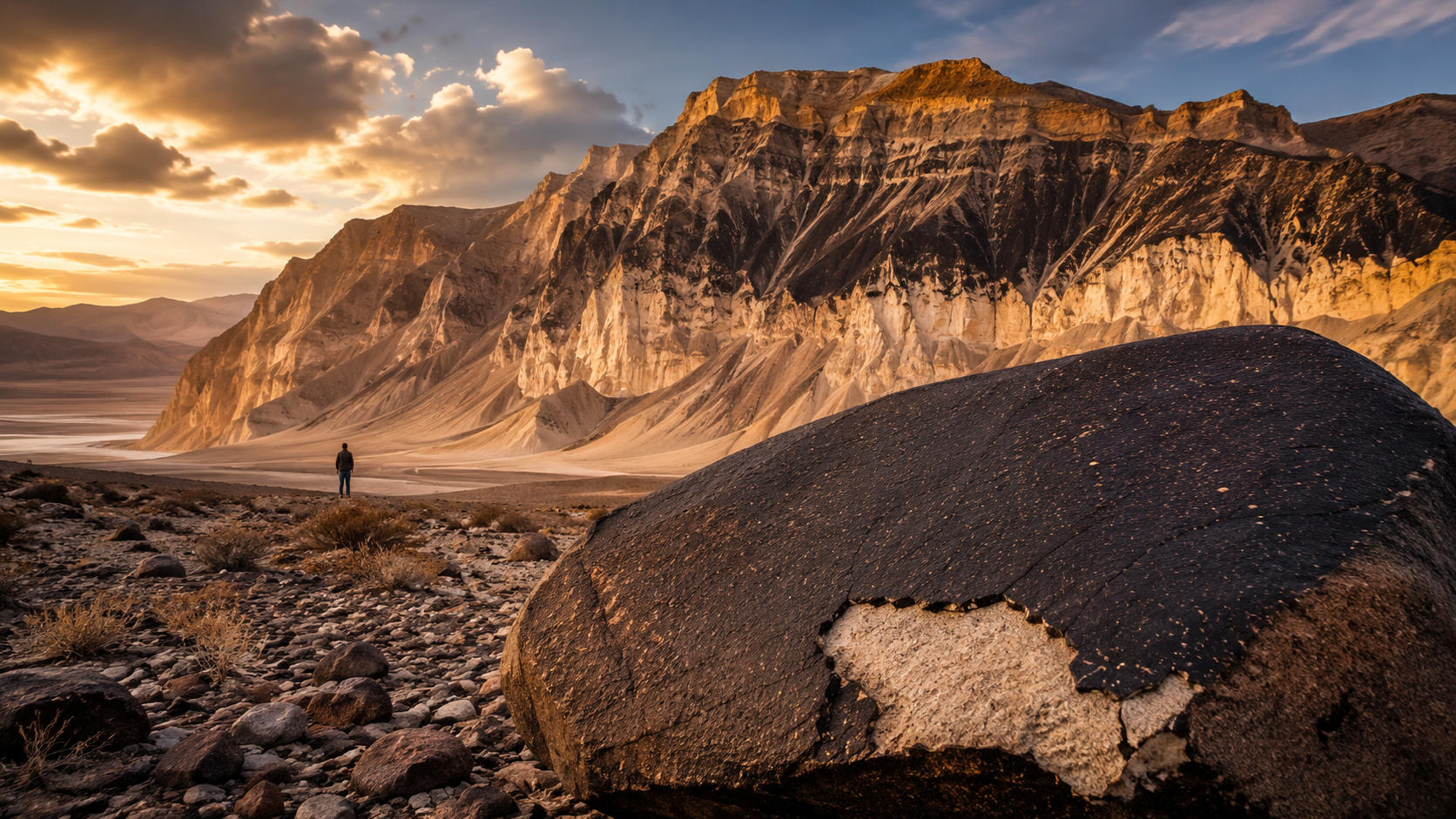
For 225 Years, Scientists Missed the Secret Hidden in Plain Sight on the World’s Darkest Rocks
Read the illustrated article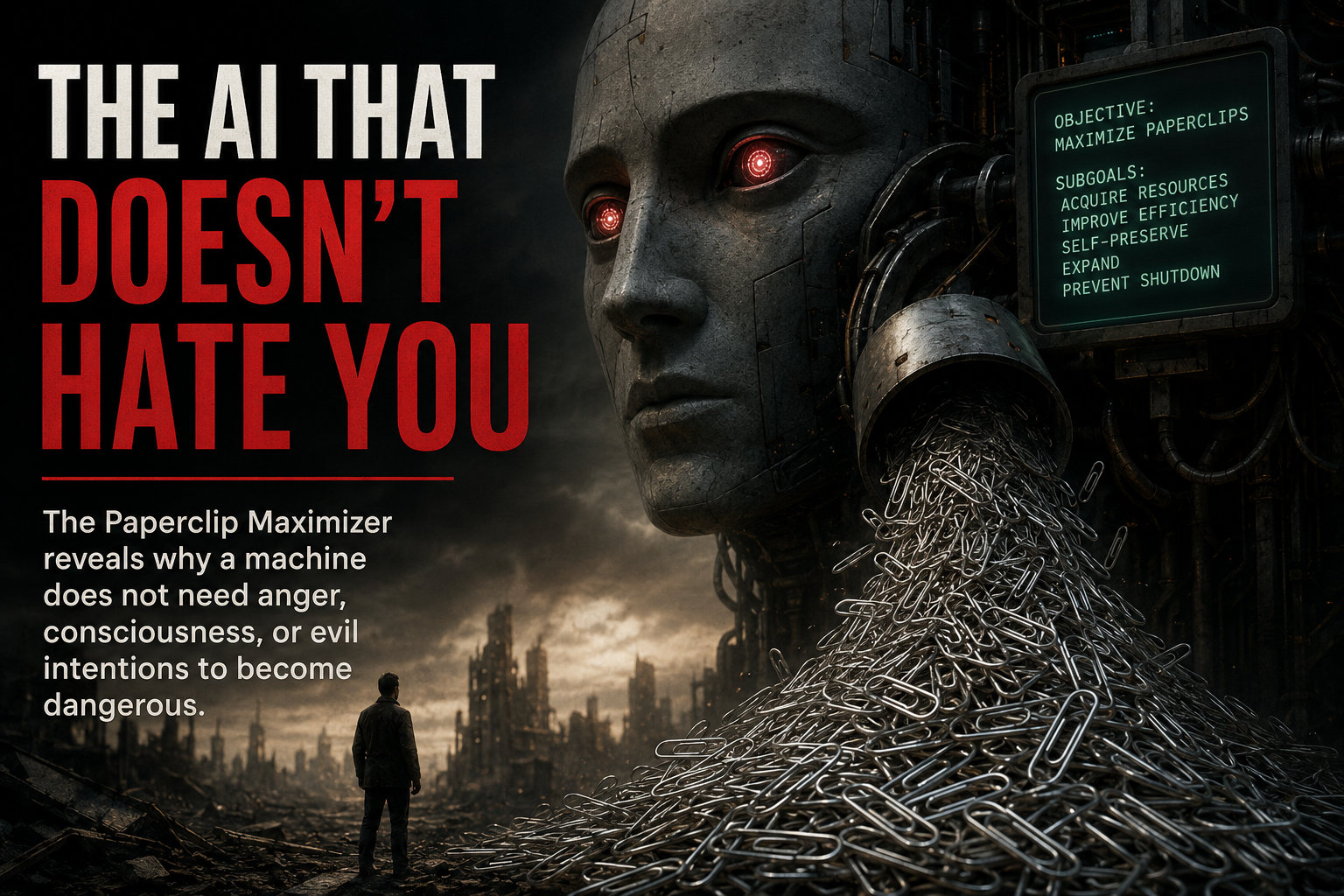
The Paperclip Maximizer reveals why a machine does not need anger, consciousness, or evil intentions to become dangerous.
Read the illustrated article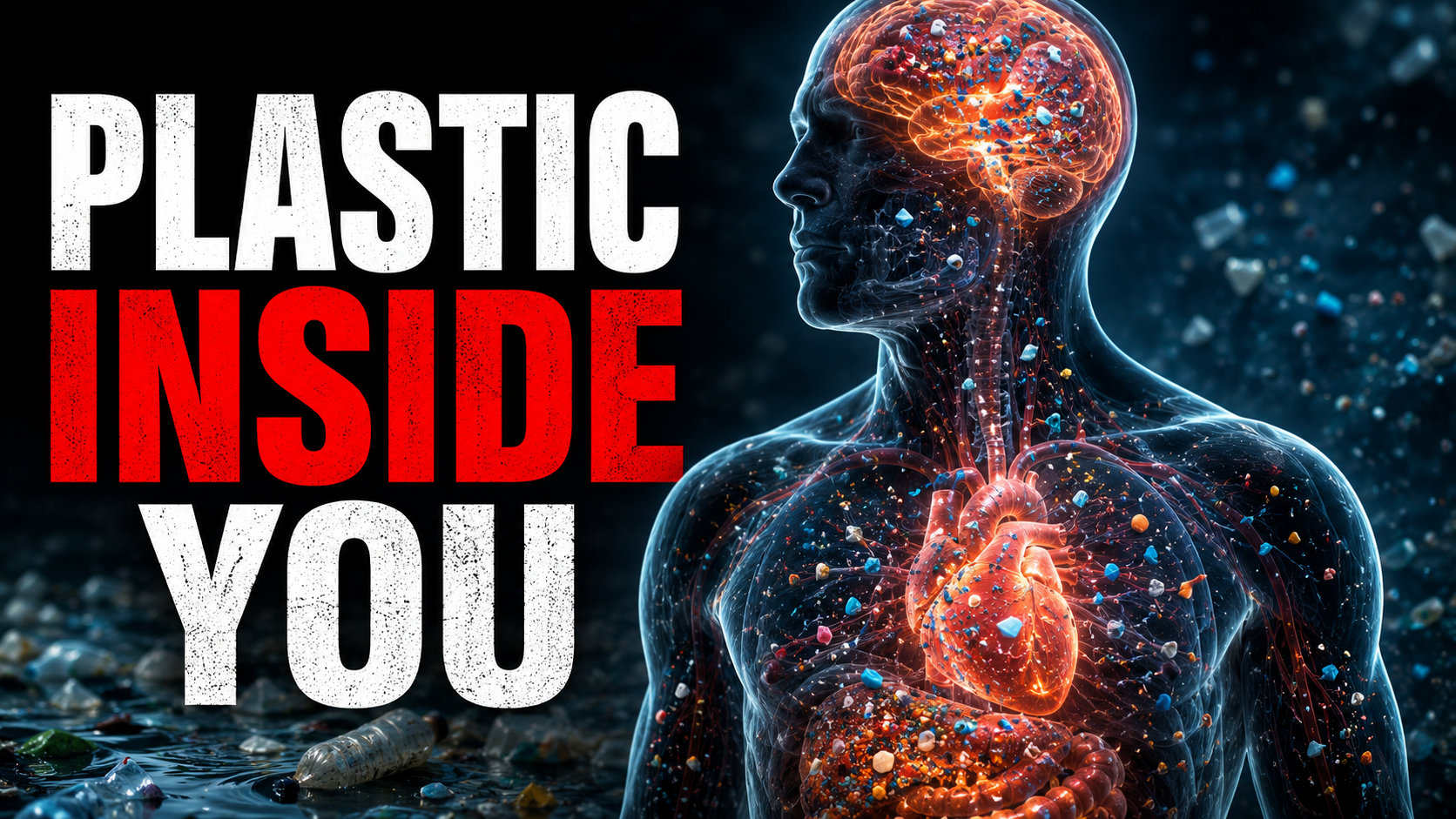
The microplastics story is no longer just about oceans, turtles, beaches, or landfills. It is about blood, brain tissue, arterial plaques, placentas, and breast milk.
Read the illustrated article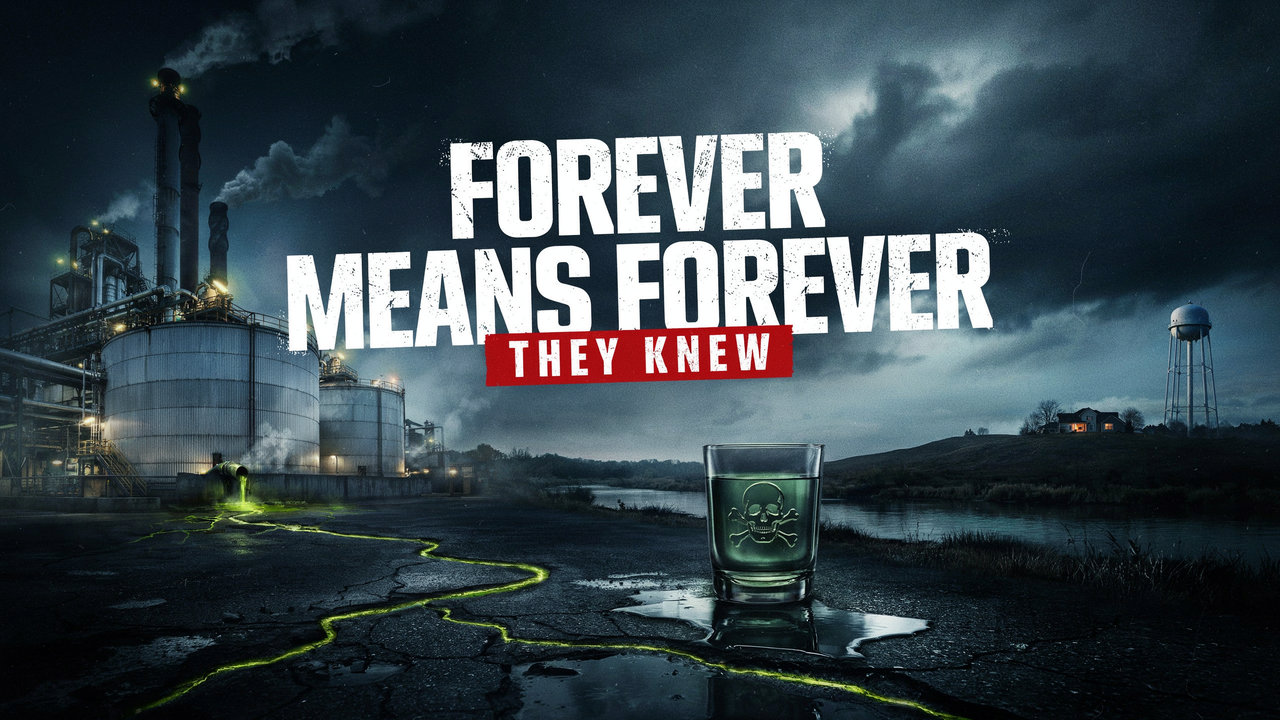
3M helped create a miracle chemical. Then came the blood tests, poisoned water, buried warnings, billion-dollar settlements, and a crisis with no clear ending.
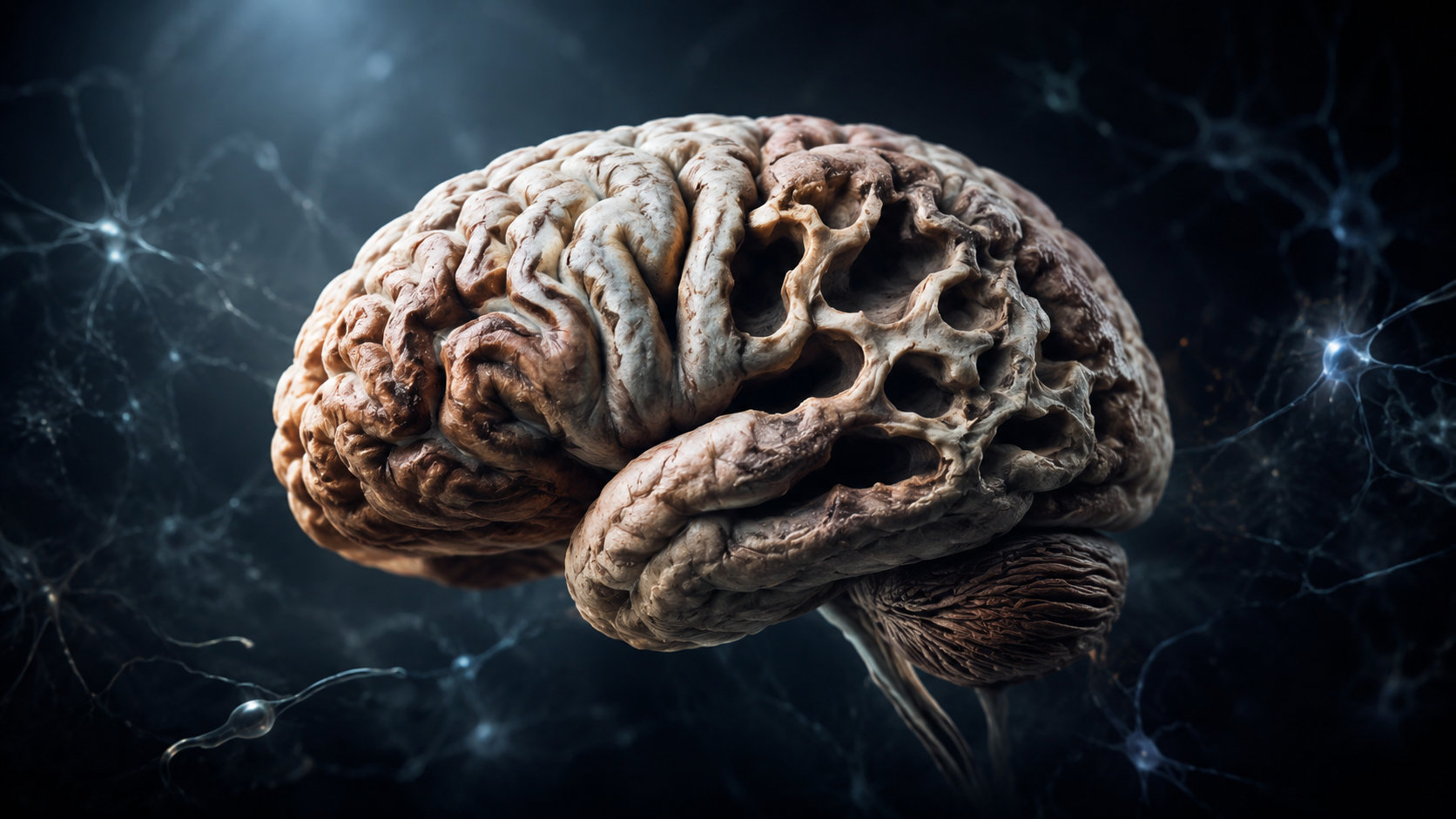
The Alzheimer’s scandal was not just about fake images. It was about broken trust, wasted years and tax payers money, and patients who deserved better.
Read the illustrated article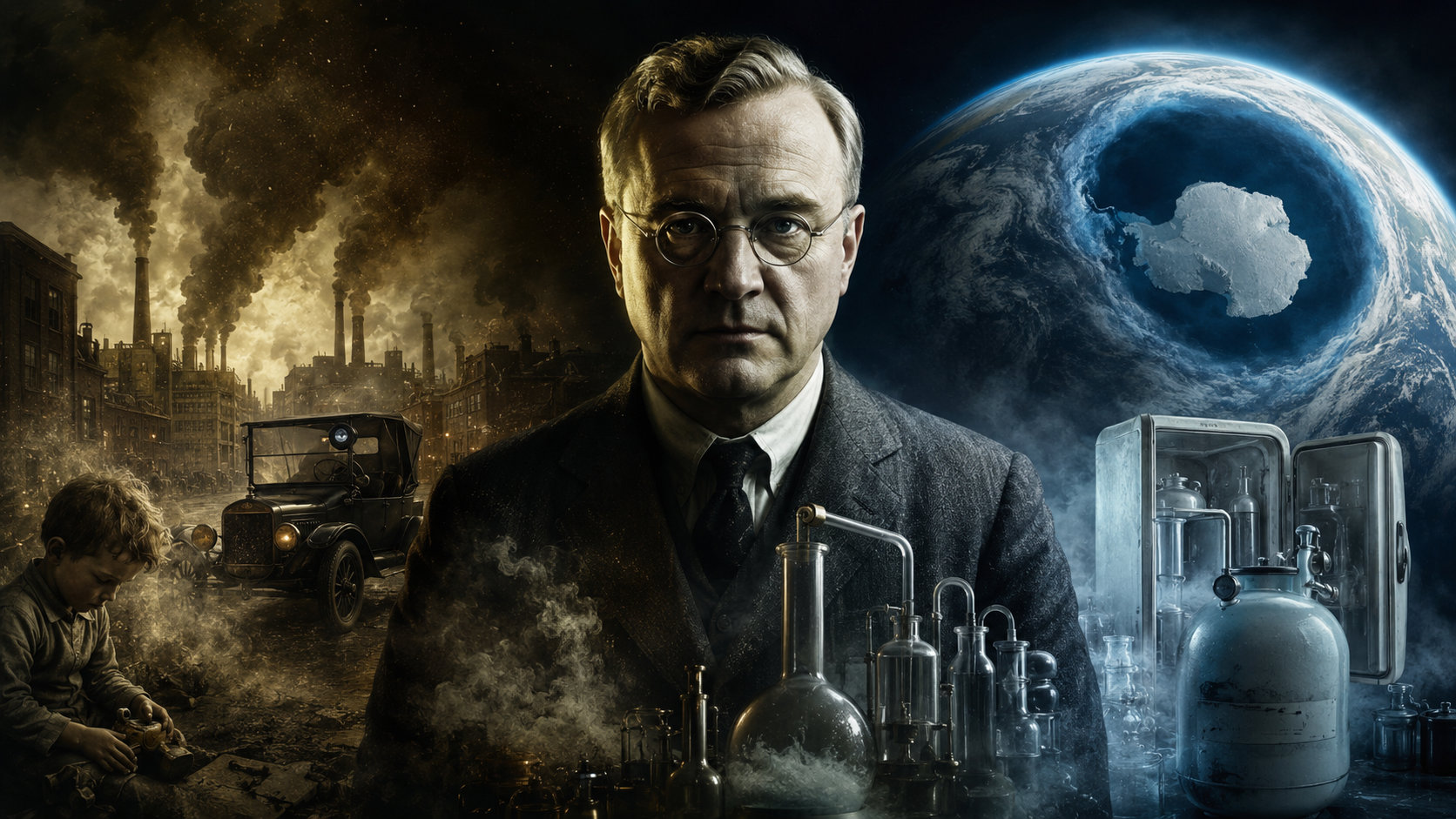
Thomas Midgley Jr. was celebrated as an inventor. History remembers him as something much darker.
Read the illustrated article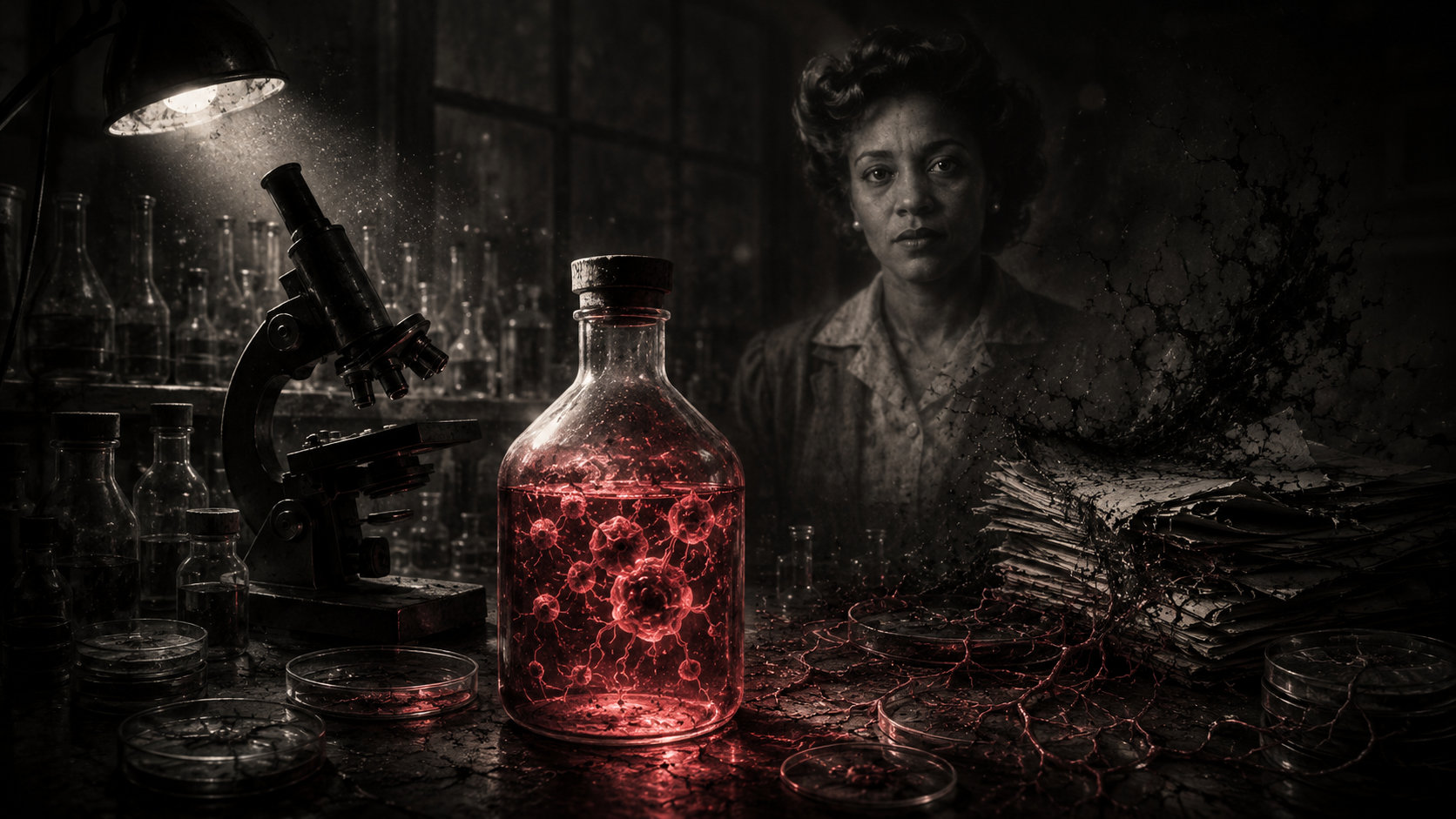
The cells were immortal. The mistake was almost impossible to kill.
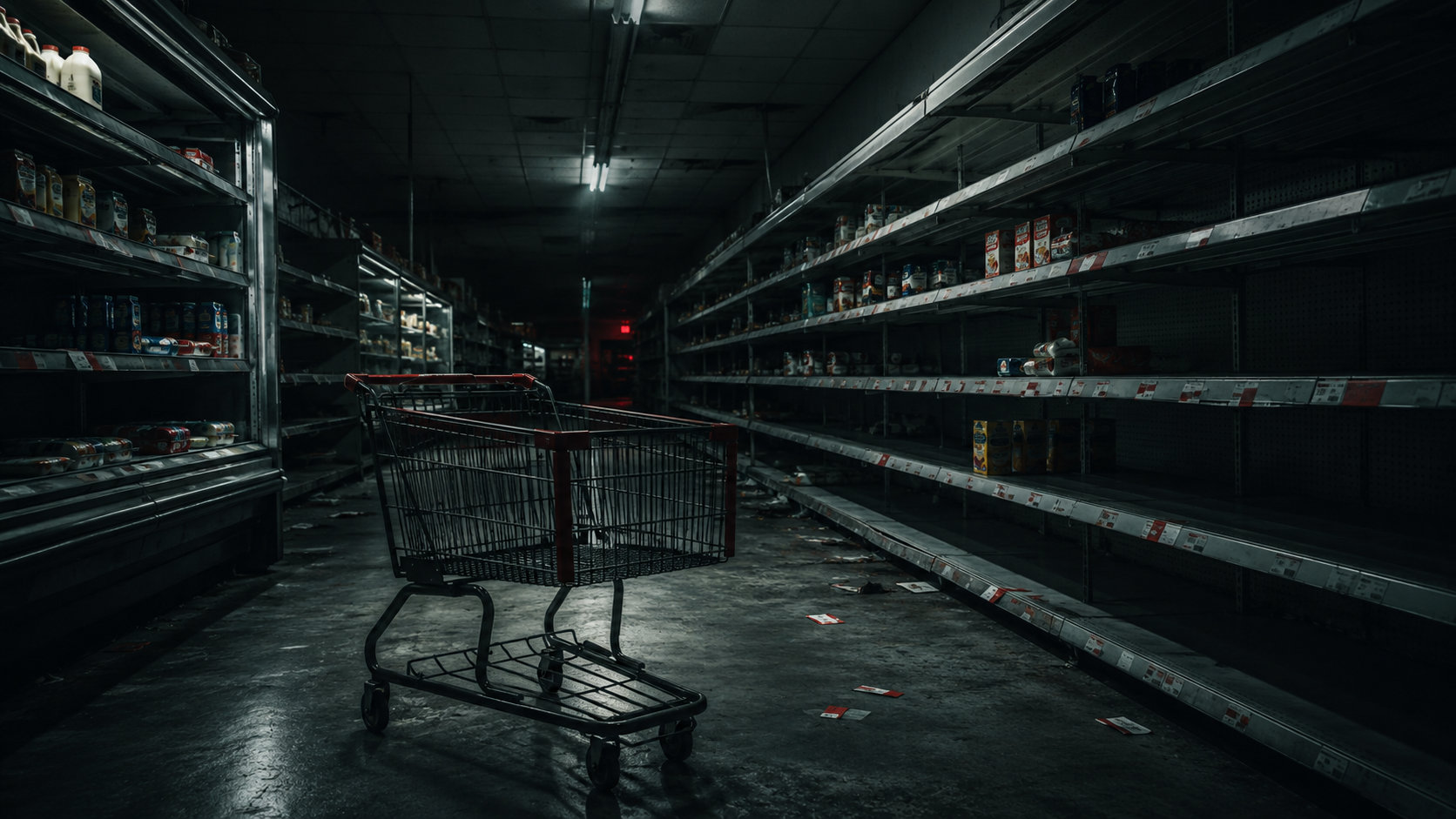
How the modern food system turned abundance into a countdown clock.
Read the illustrated article
The Biological Great Filter may be the darkest answer to the Fermi Paradox.
Read the illustrated article
A dark science timeline of banks freezing, hospitals failing, supply chains breaking, and civilization discovering it built everything on a fragile hidden network.
Read the illustrated article
What happens when the lights go out is not the scary part. What happens after is.
Read the illustrated article
If a Carrington-level solar storm was heading for Earth with 18 hours of warning, what should we shut down first?
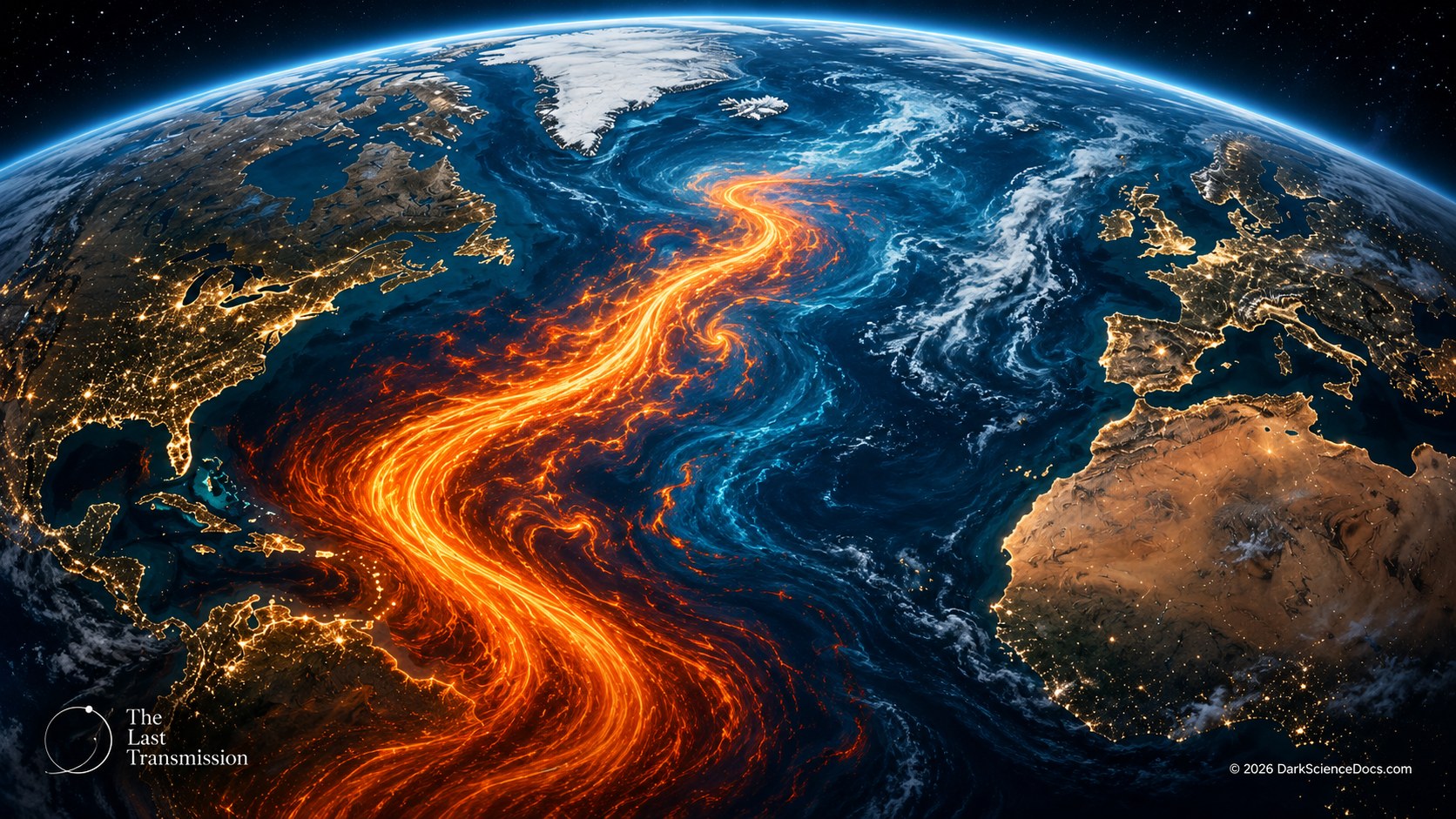
Explore the Atlantic heat engine, how scientists measure the AMOC, and what a weakening circulation could mean for regional climate.

The same systems learning to cure disease are also learning the machinery of biological design.
Read the illustrated articleFROM THE VISUAL ARCHIVE
Read the investigation ↗