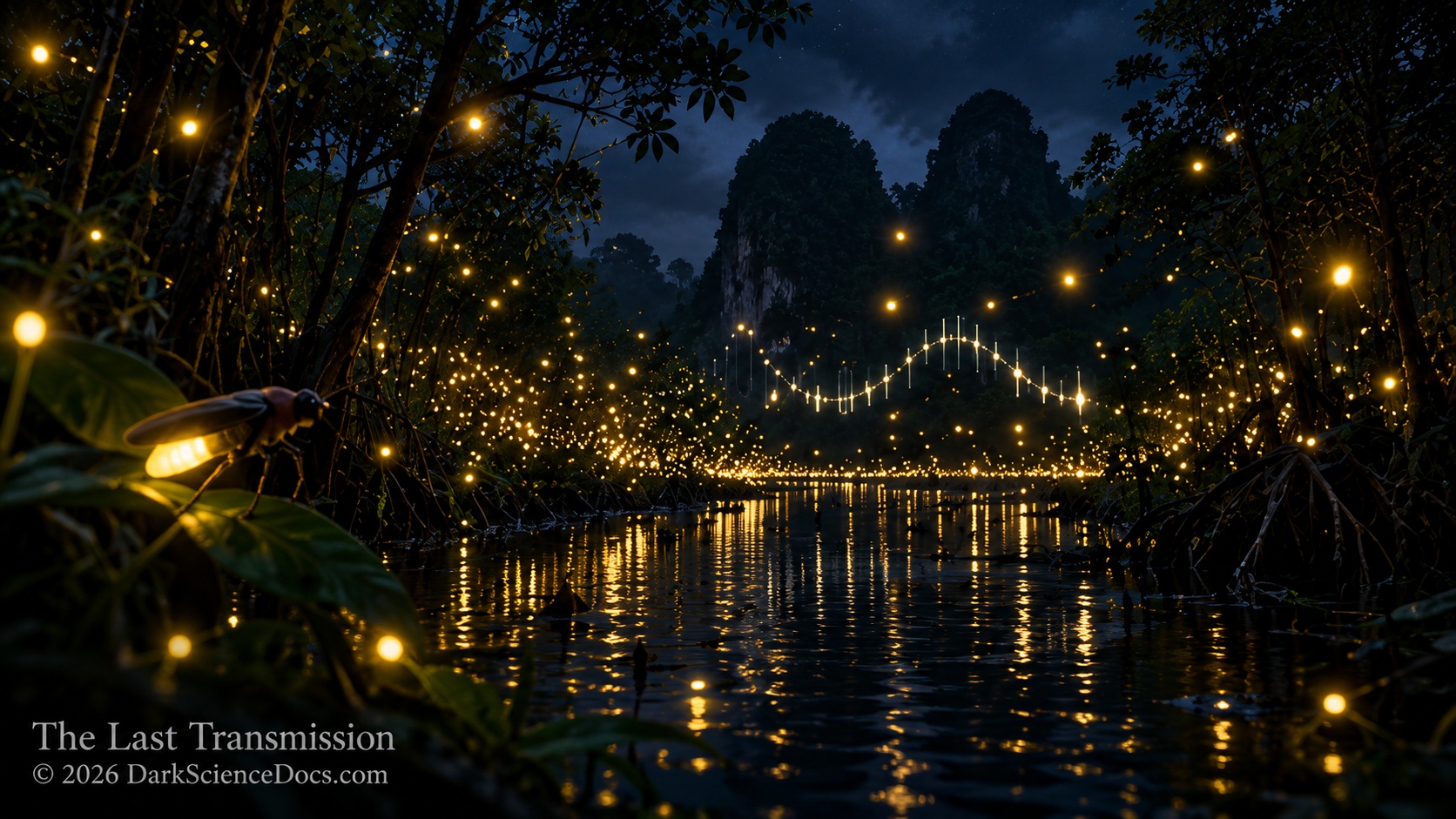
Life May Be Speaking in the Same Hidden Rhythm
Fireflies, crickets, whales, human speech and popular music keep returning to the same strange tempo.
 THE LAST TRANSMISSIONStories from the Edge of Science
COLLECTION / THE UNFAMILIAR CLOSE TO HOME
Oceans under ice, chemistry in distant atmospheres, and the difficult question of where life might begin.
41 TRANSMISSIONS
Fireflies, crickets, whales, human speech and popular music keep returning to the same strange tempo.
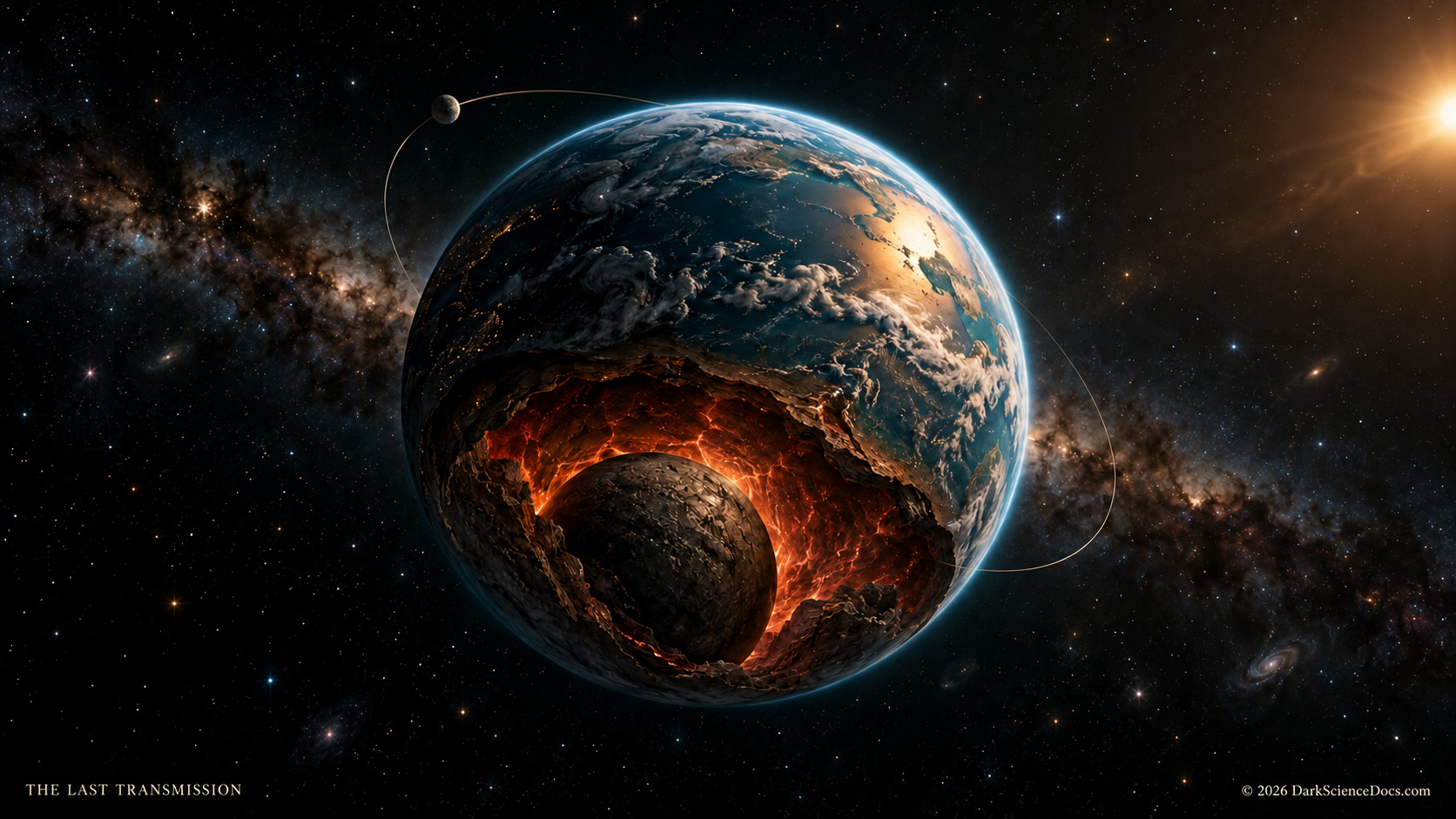
A world can receive the right amount of sunlight and still lose the machinery that keeps its climate alive.

Two frozen worlds. One missing sliver of infrared light. And a chemical story we cannot yet read.
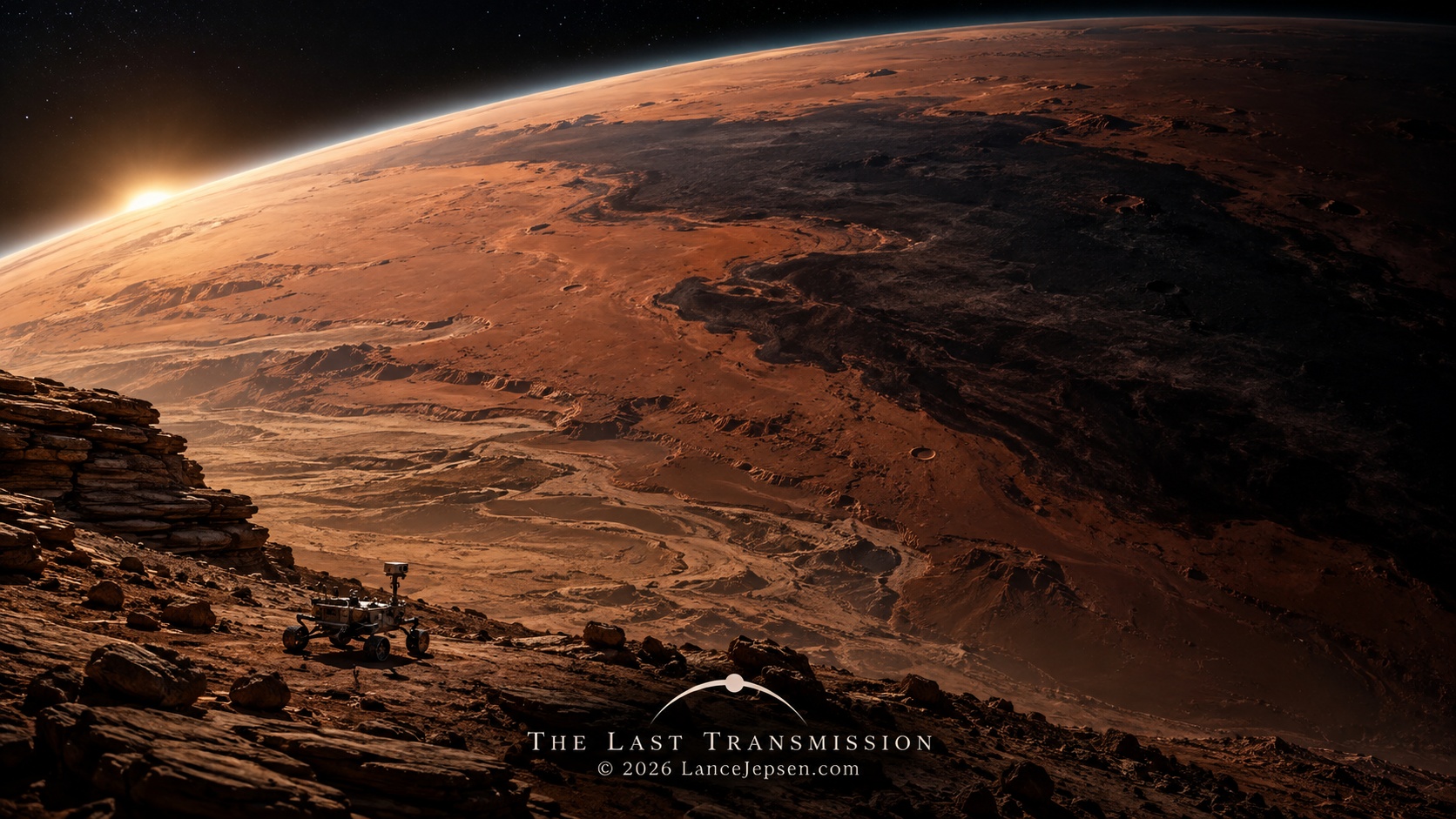
The strangest thing about Mars may not be what is buried beneath its surface.
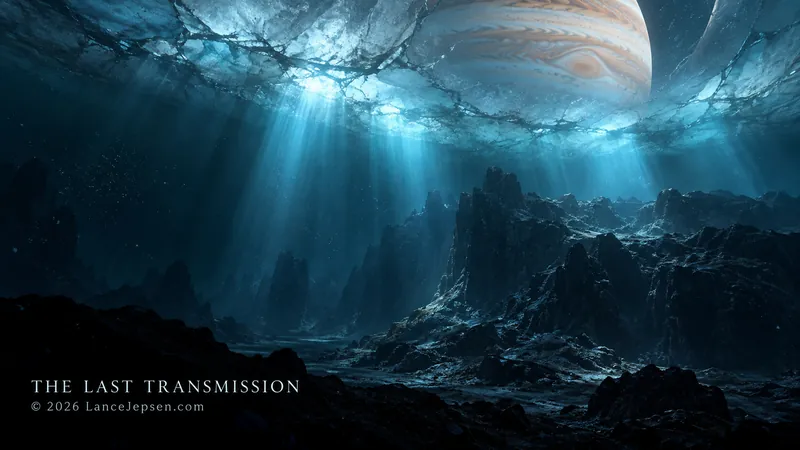
Two spacecraft are on their way to Jupiter’s icy moons. A study raises a troubling question about the energy beneath Europa’s ocean.
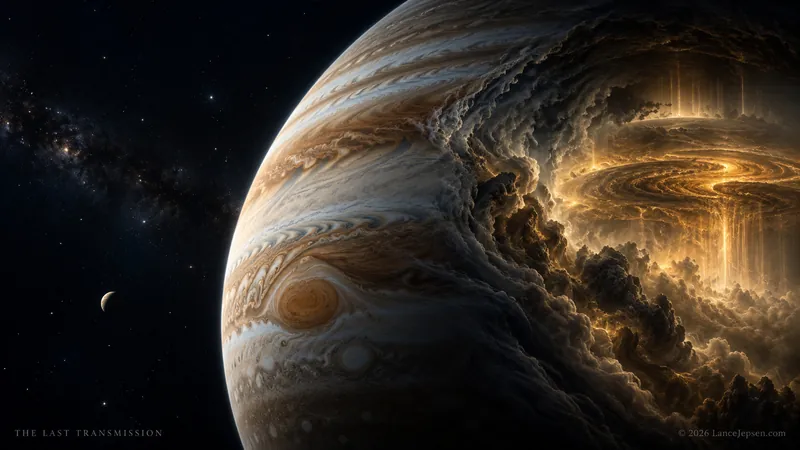
Juno found that Jupiter’s center is less like a buried stone and more like a question without a clean edge. Then a leading explanation for how it got that way ran into trouble.
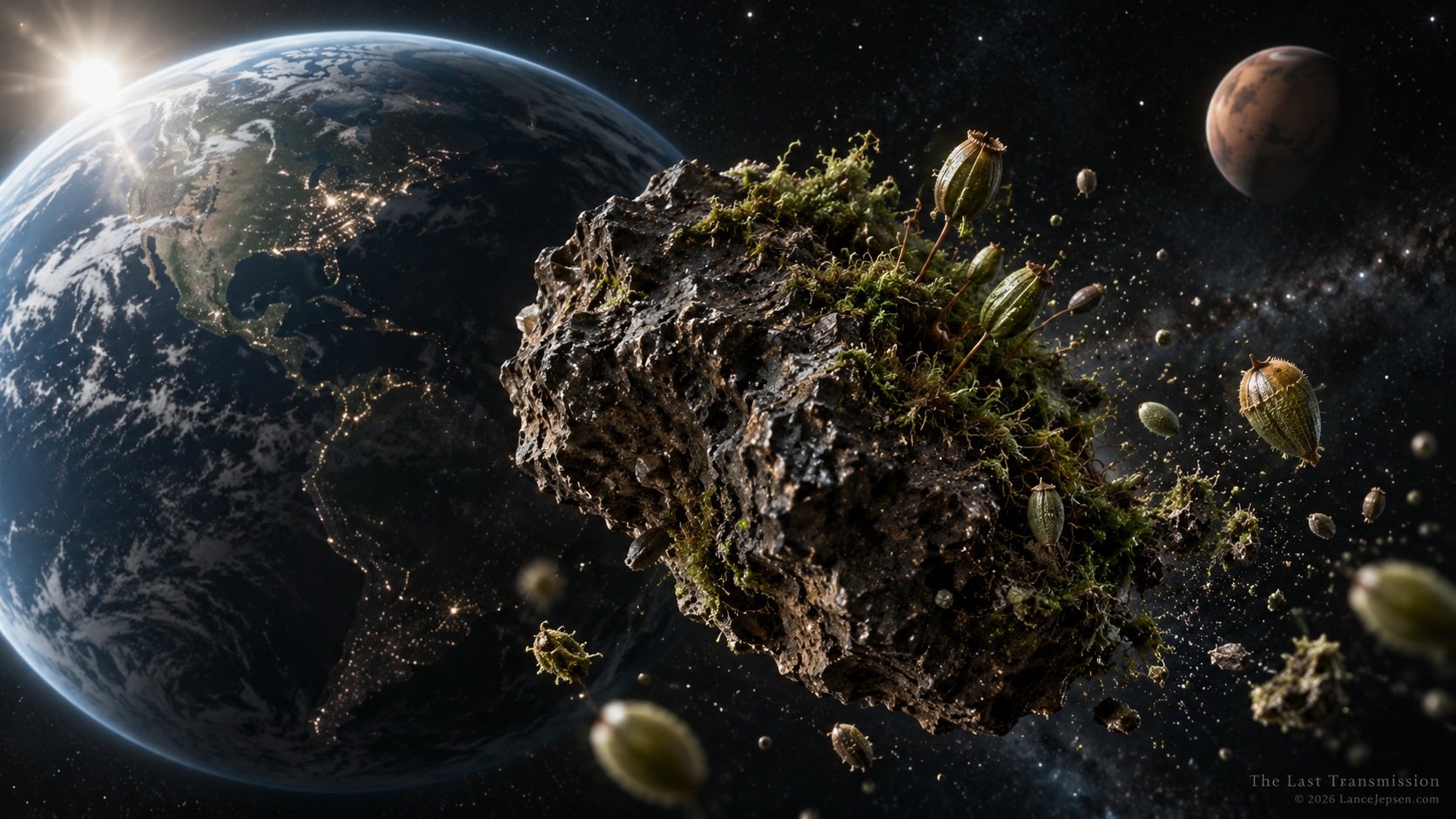
Moss spores spent nine months exposed outside the International Space Station and most of them still germinated. The experiment does not prove panspermia, but it makes one of its strangest requirement
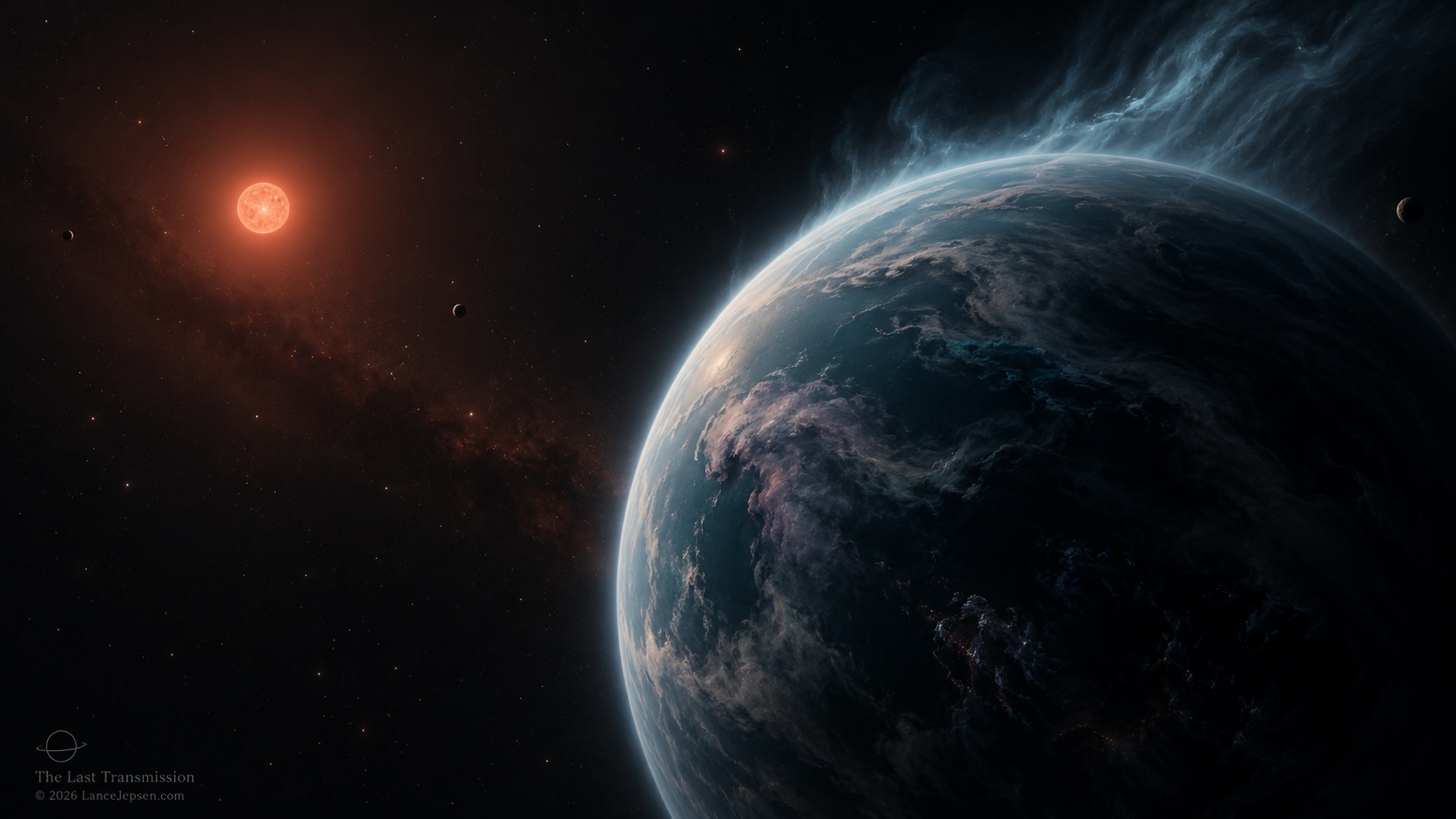
LHS 1140 b may be one of the most important worlds we have ever found beyond the Solar System, but the closer astronomers look, the stranger the planet becomes.
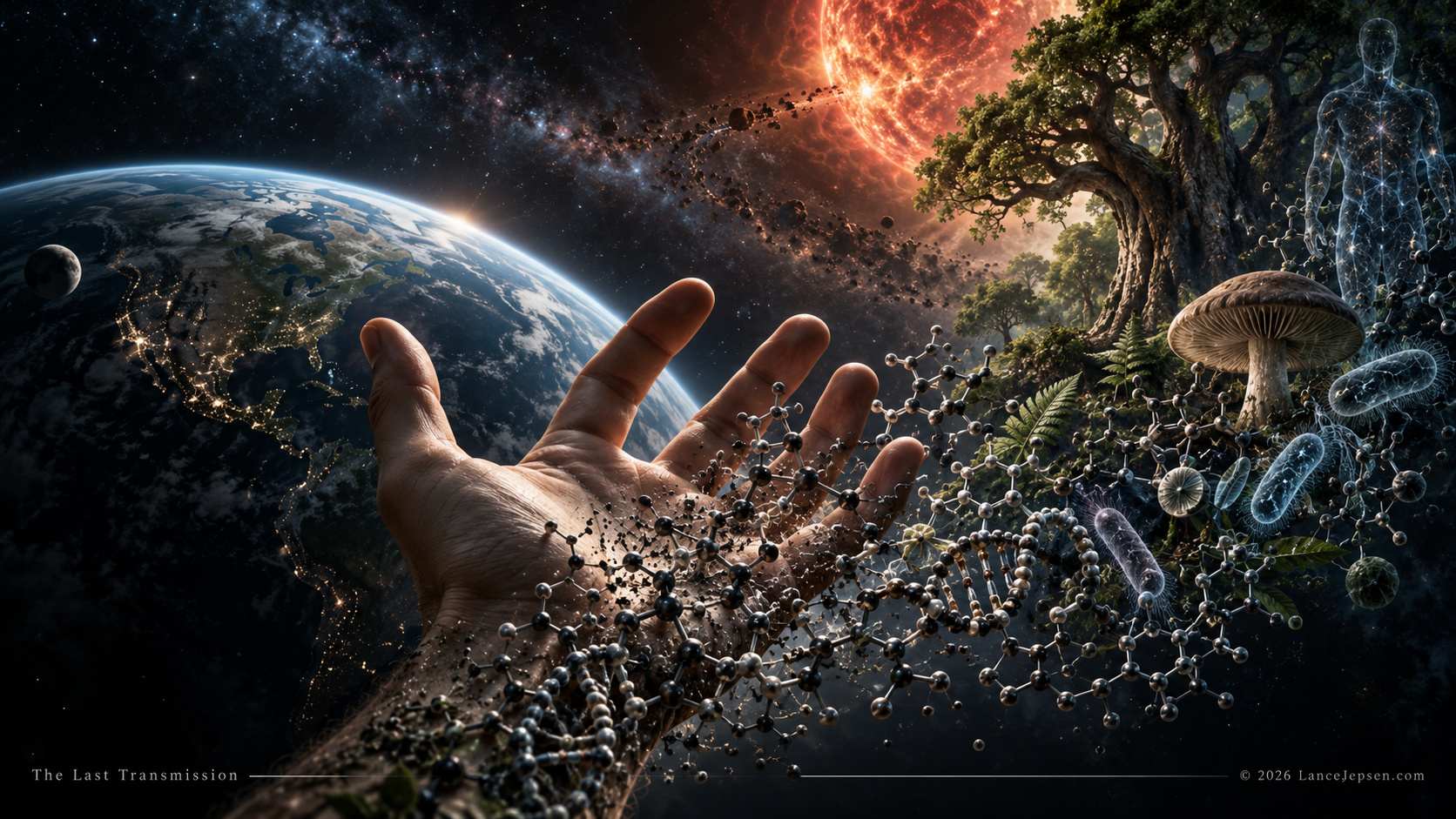
Earth is overflowing with silicon. Carbon is comparatively scarce. Yet every living thing we have ever discovered is built around carbon, and the reason reaches from the sand beneath your feet to a st
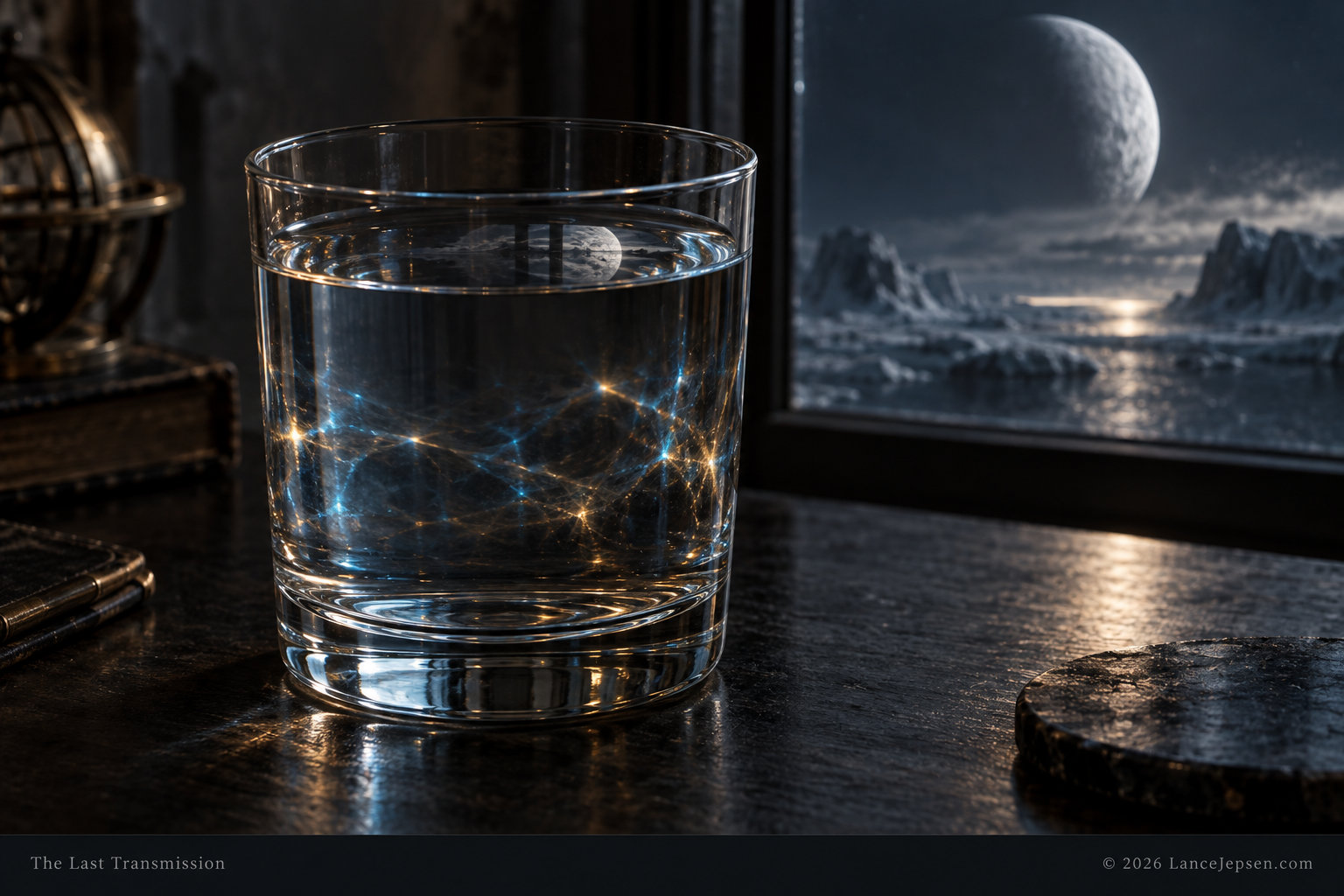
A glass on your desk, a lake under winter ice, an ocean sealed inside a moon. The same molecule may be keeping more than one arrangement within reach.
Read the illustrated article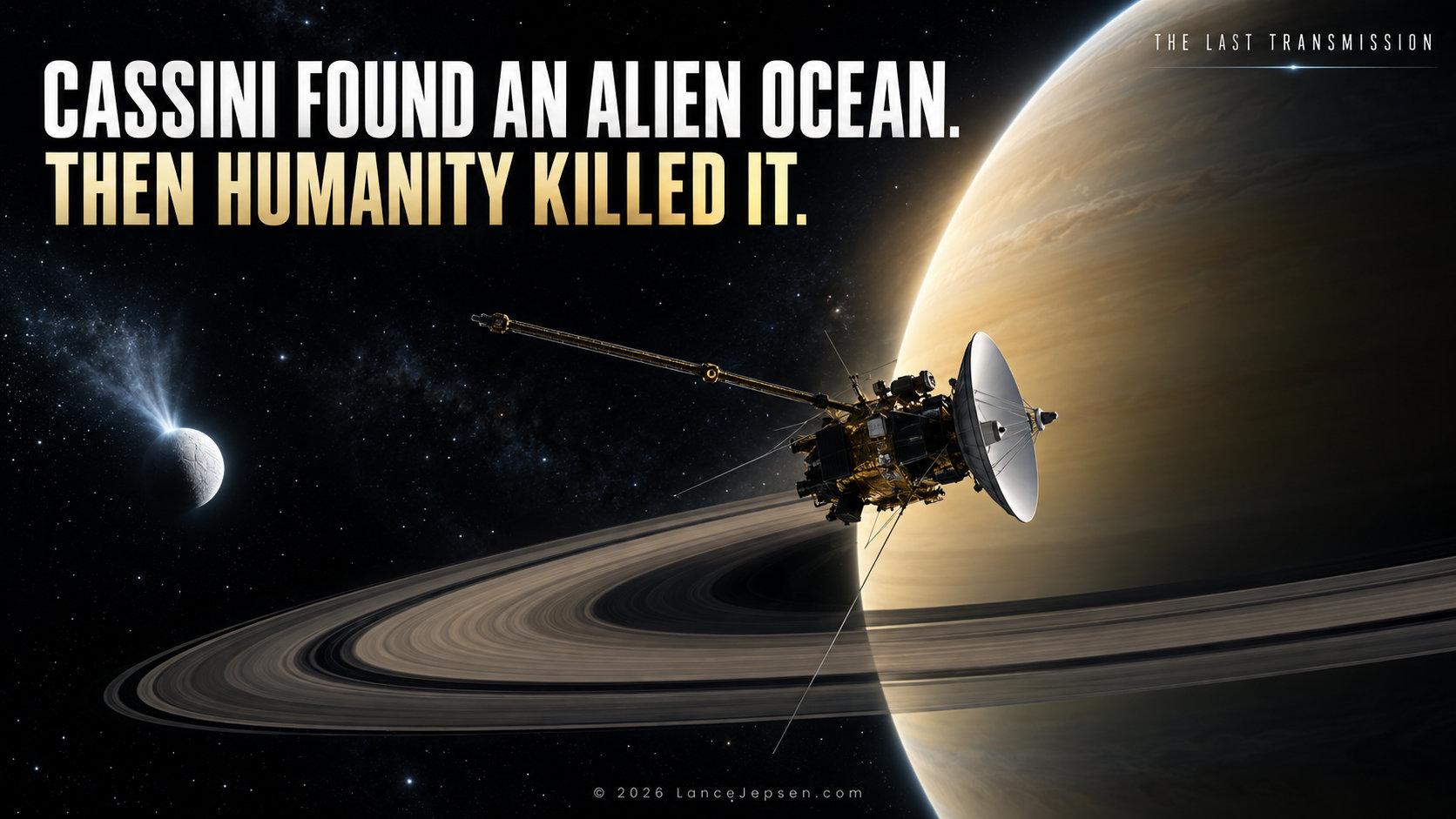
The spacecraft’s greatest discovery made its continued existence unacceptable
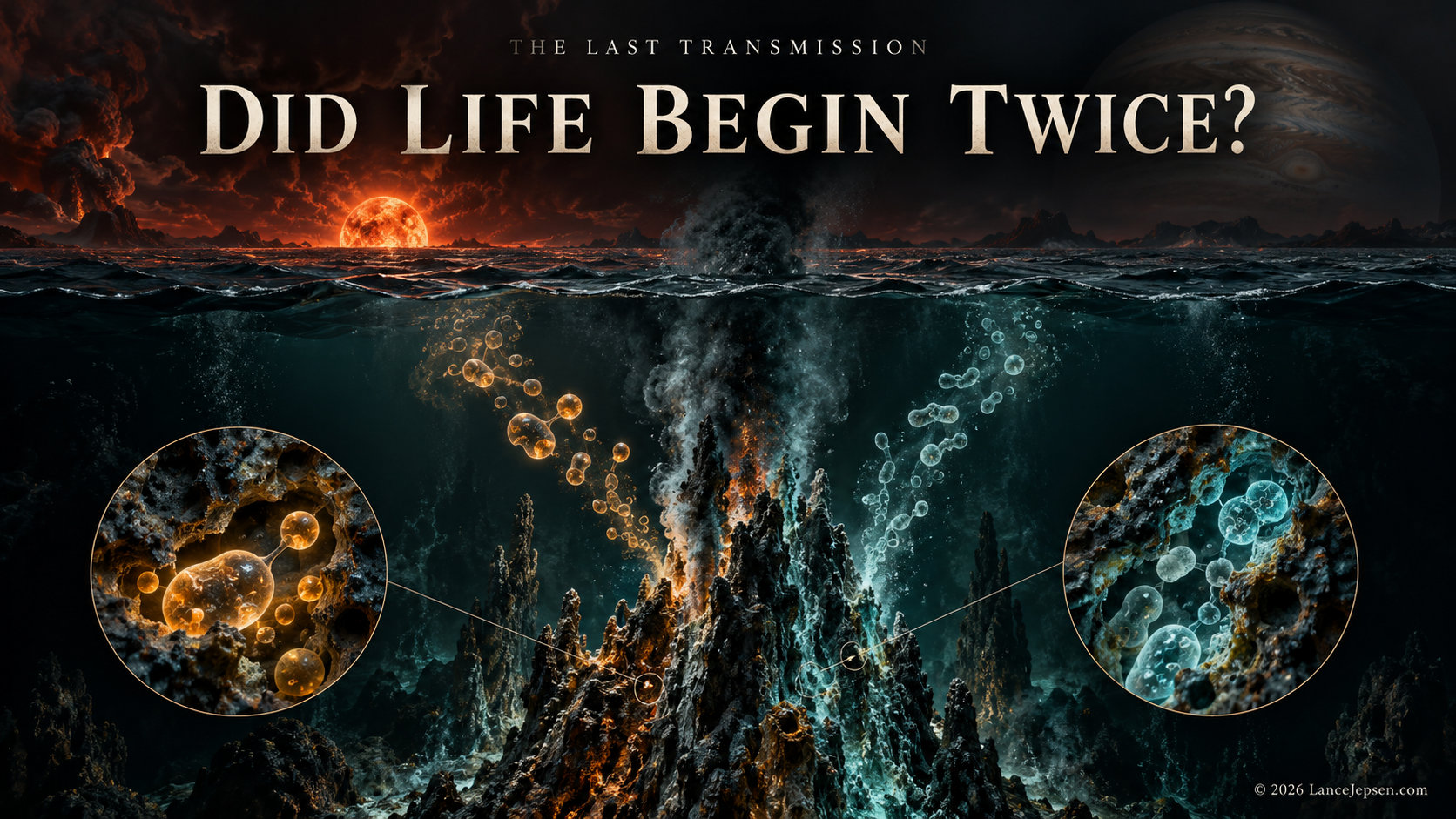
A study suggests biology did not arrive fully formed. Part of its metabolism may have assembled inside hydrothermal rock, then completed itself independently along the two oldest branches of life.
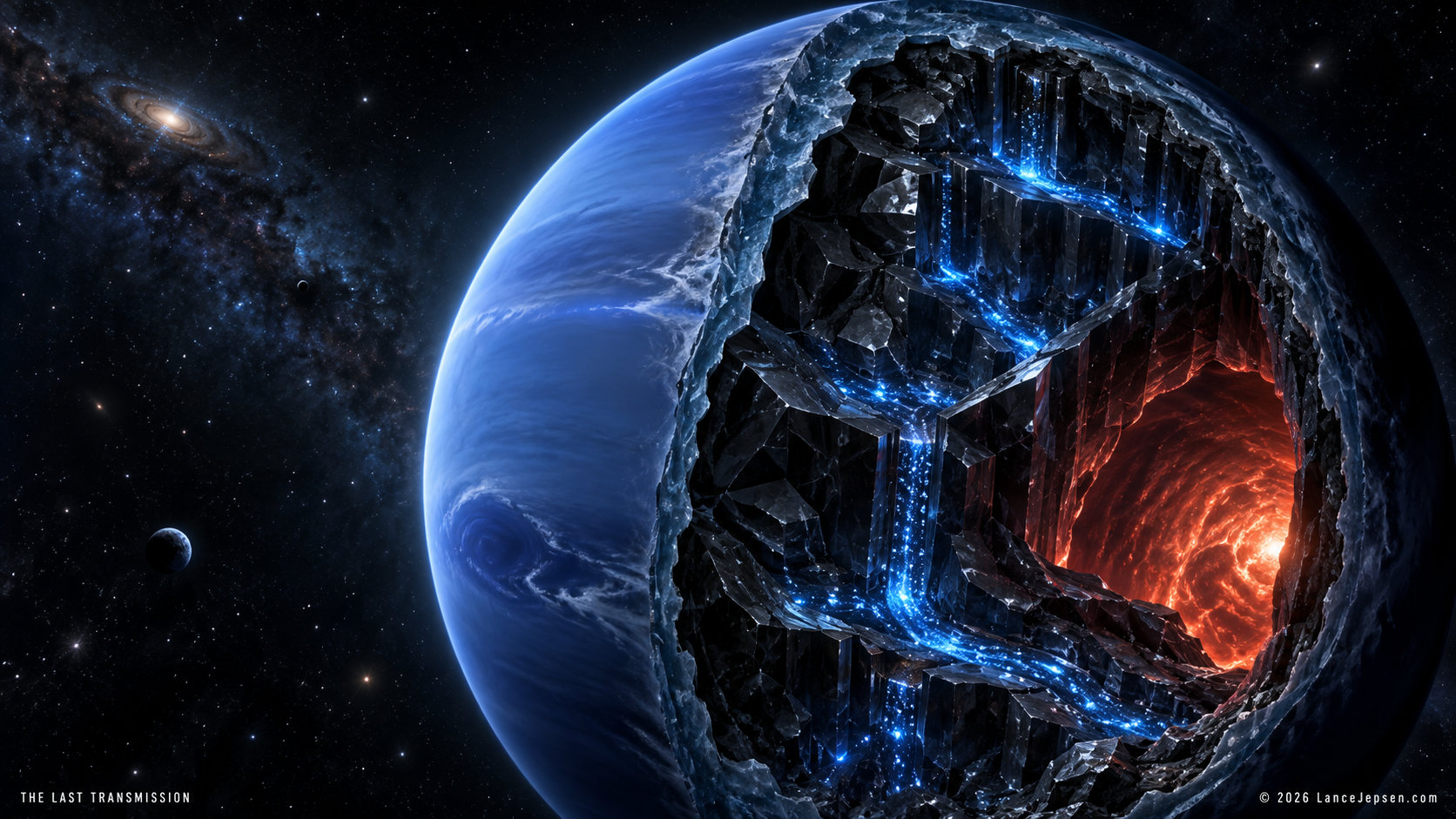
Scientists crushed water beneath more than two million atmospheres and heated it beyond iron’s ordinary-pressure melting point. It became a crystal with a liquid moving through it.
Read the illustrated article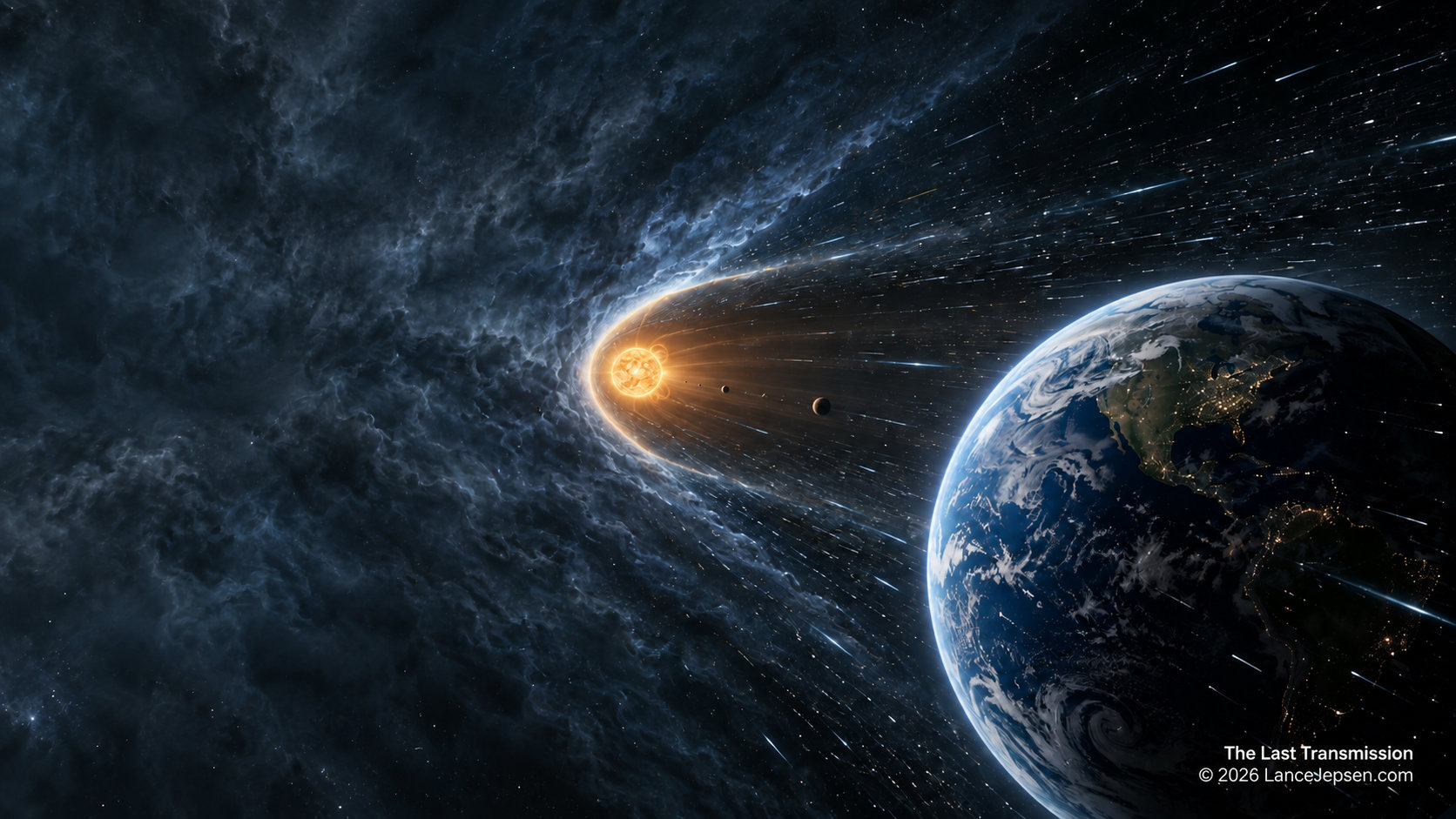
A scientific review argues that the solar system may have struck interstellar clouds that crushed the heliosphere inside Earth's orbit, exposing the planet to alien gas and intense radiation.
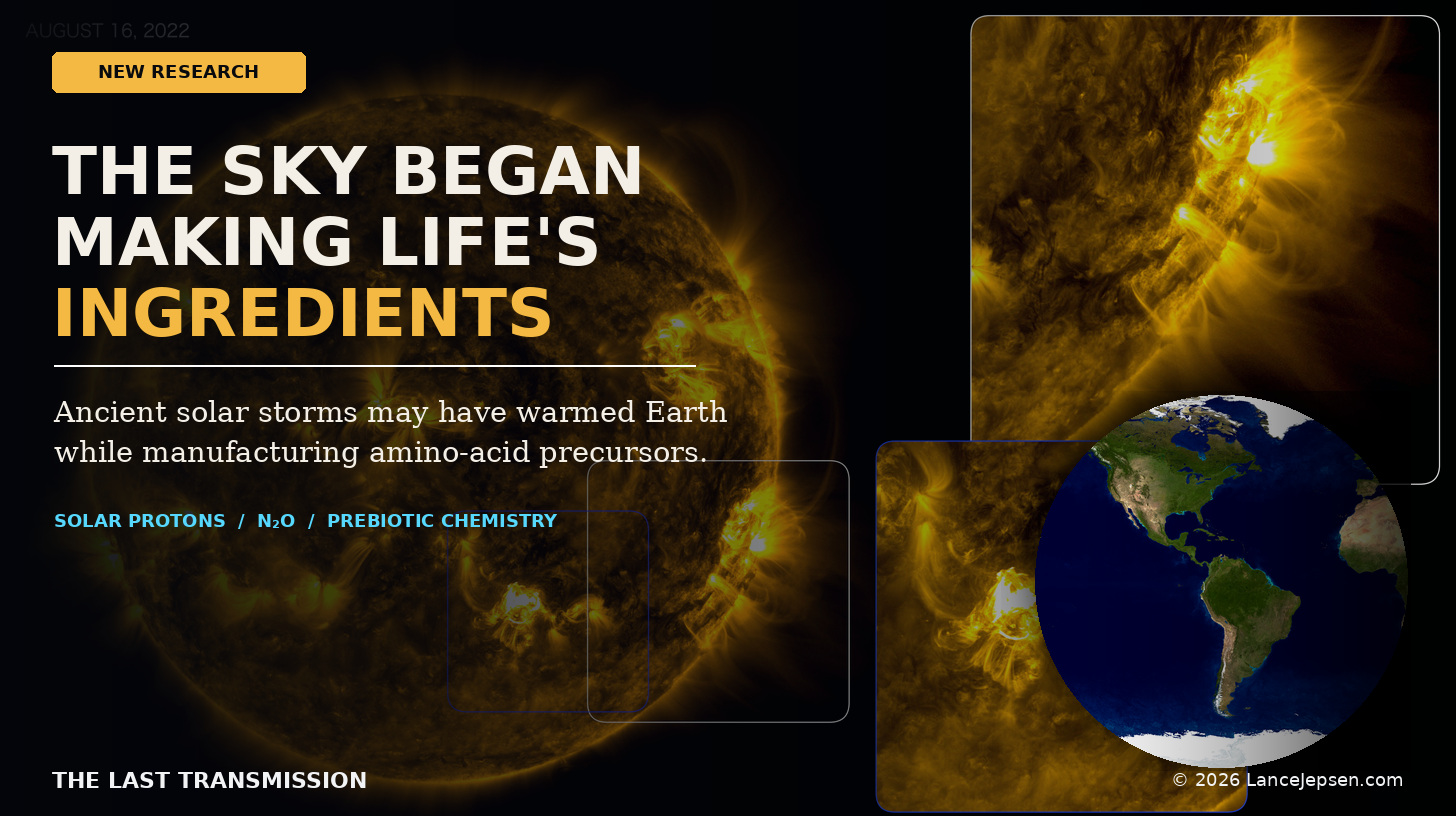
An experiment suggests ancient proton storms may have warmed a faint world while manufacturing amino-acid precursors at the same time.
Read the illustrated article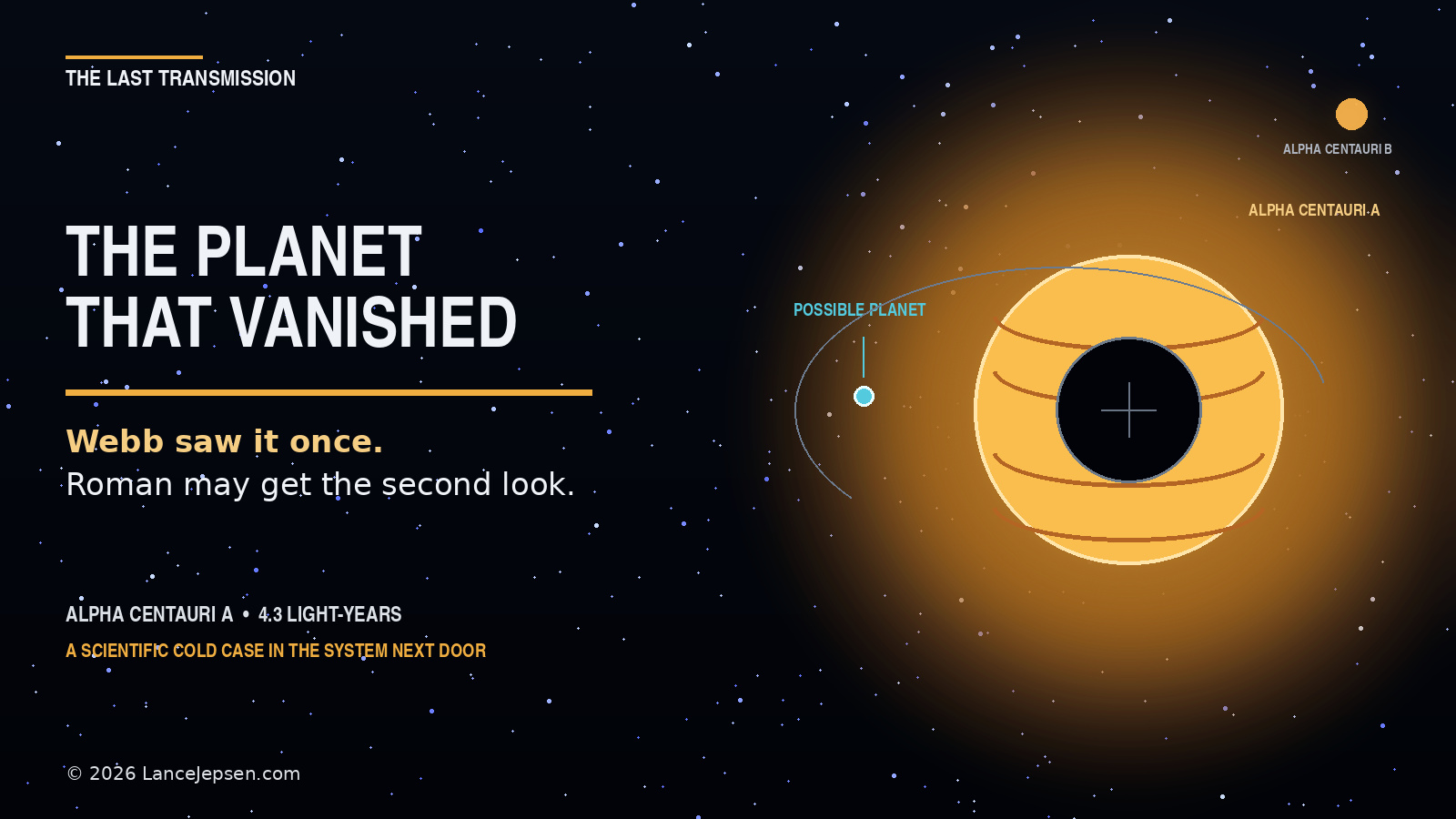
Webb saw a possible Saturn-mass world beside the nearest solar twin. When it looked again, the planet was gone. Now a recommissioned telescope may get the second look astronomy has been waiting for.
Read the illustrated article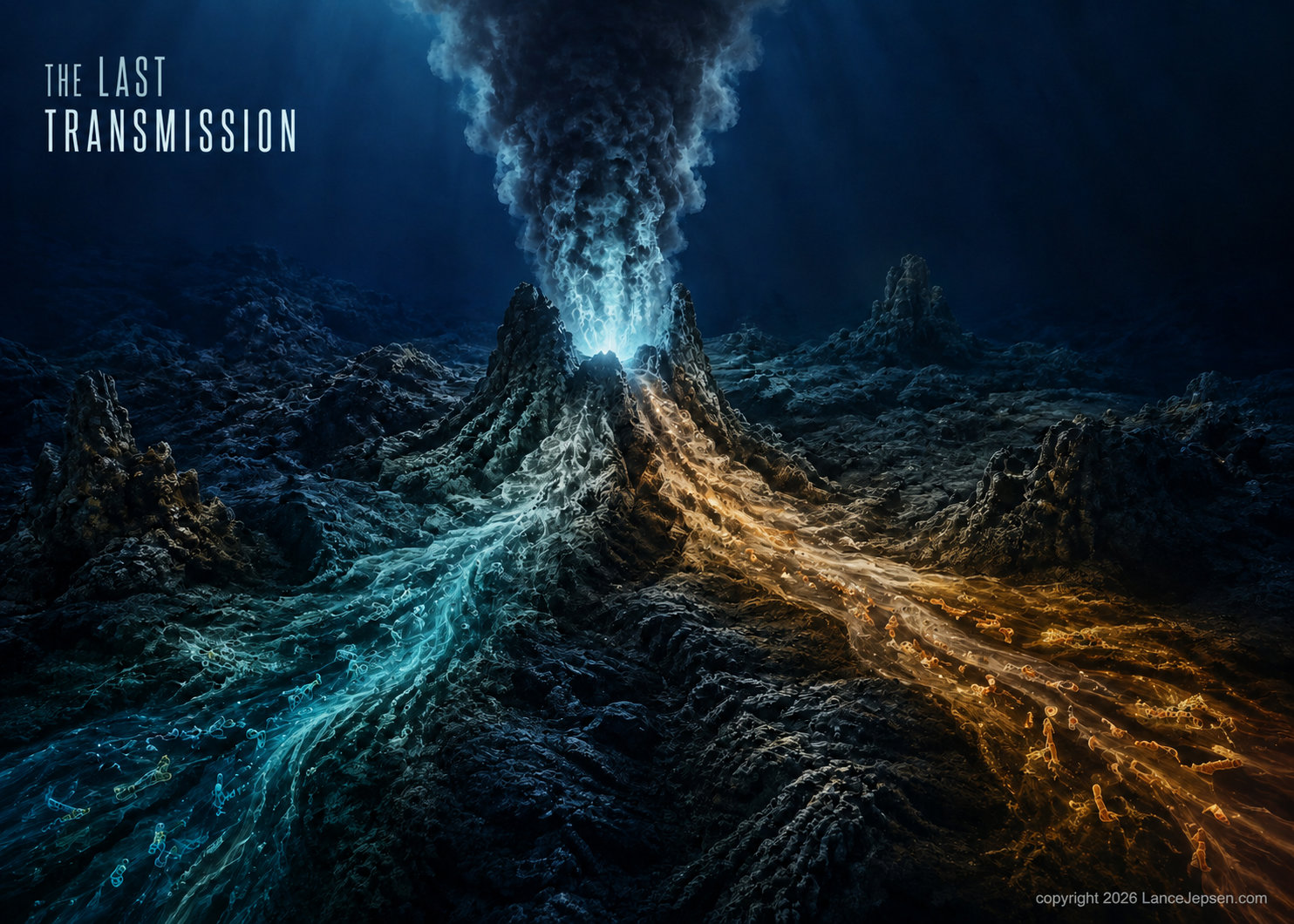
A study suggests that bacteria and archaea independently completed the journey from chemistry to free-living cells, raising a profound possibility about how readily the universe creates life.
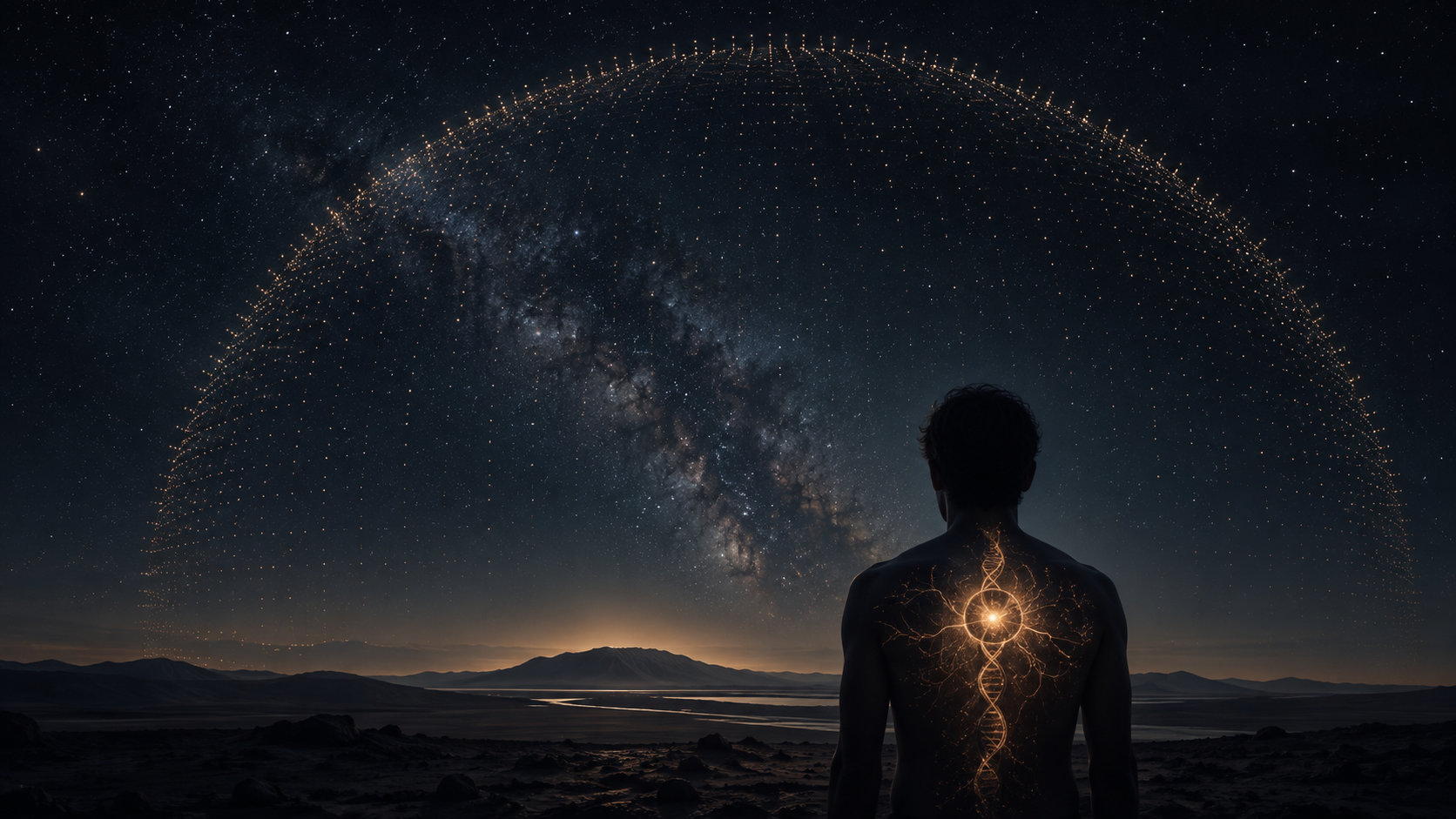
The Bio-Archive Hypothesis asks whether life itself could be a cosmic information-storage system carrying a message across worlds, extinctions, and billions of years.
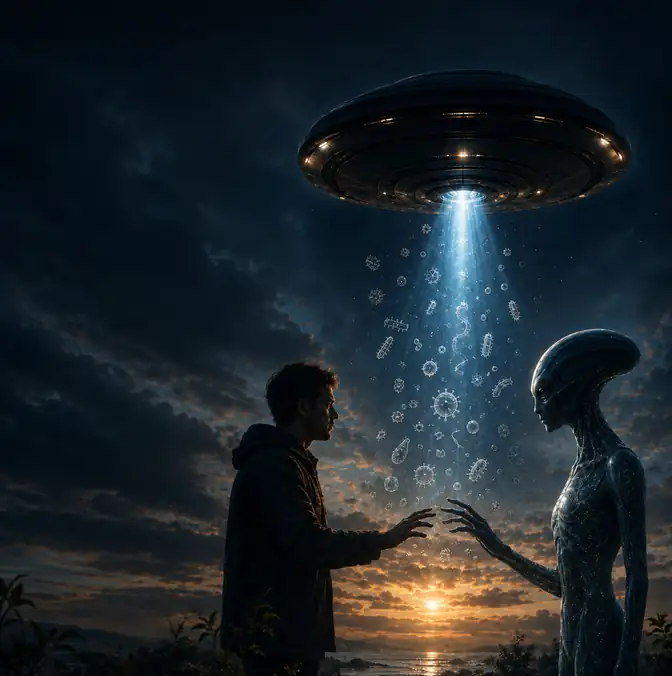
The darkest first-contact scenario does not begin with an invasion. It begins with two living worlds touching for the first time.
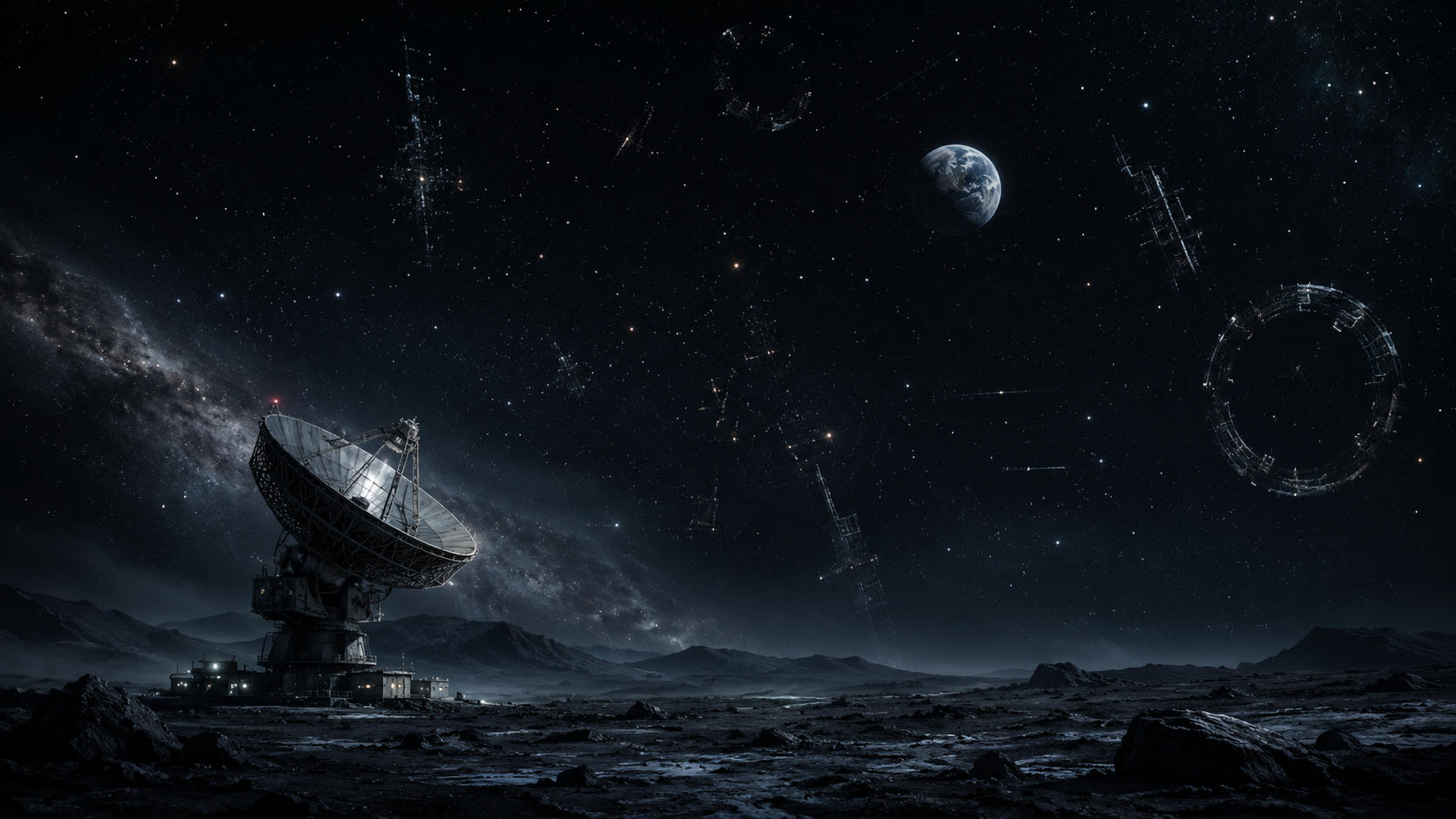
The universe may not be empty. It may simply be what remains after everyone else is gone.
Read the illustrated article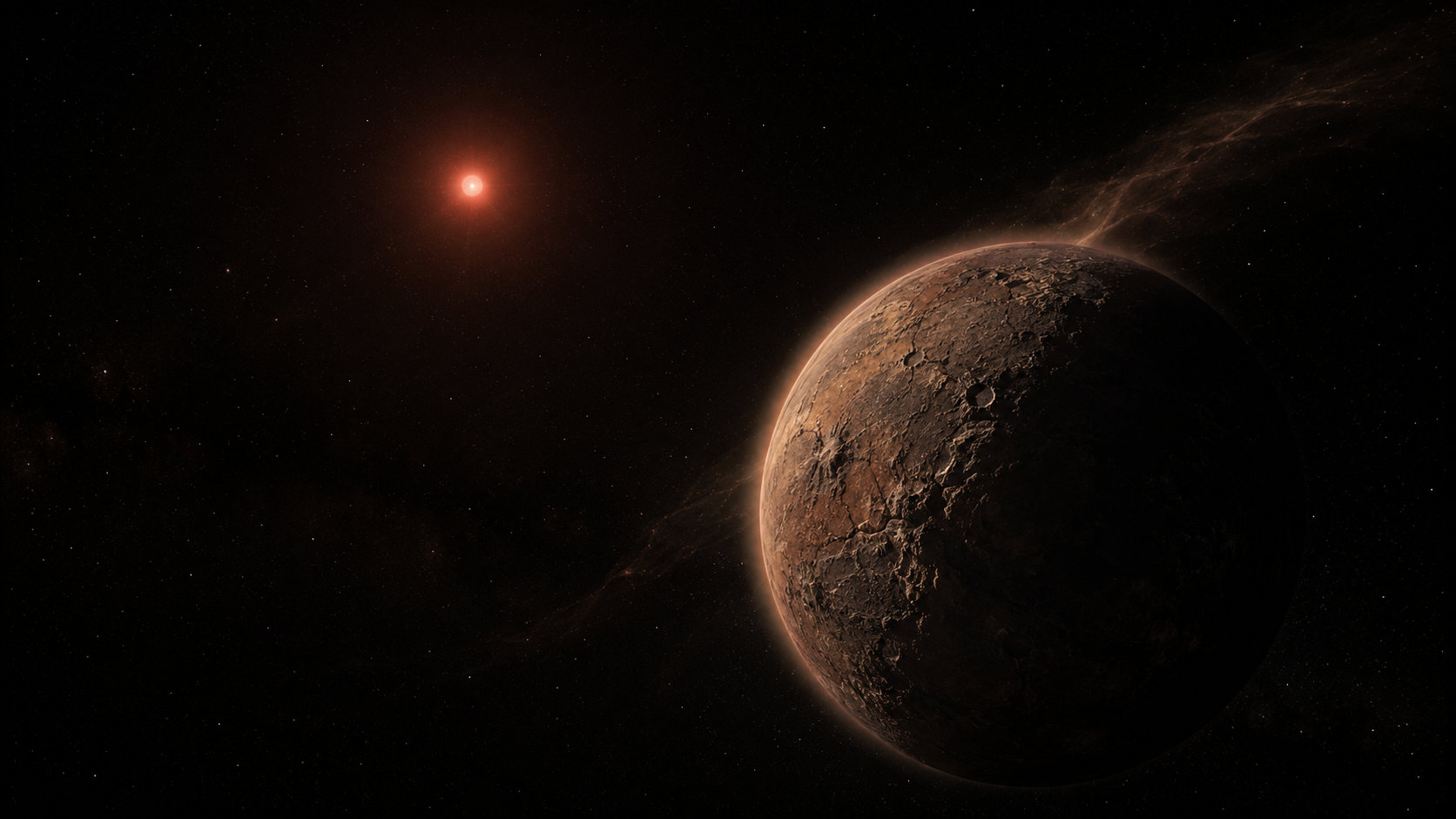
The universe has given us thousands of worlds, but the closer we look, the less welcoming many of them become.
The silence of the universe may not mean we are alone. It may mean every civilization that survived learned the same rule.
Read the illustrated article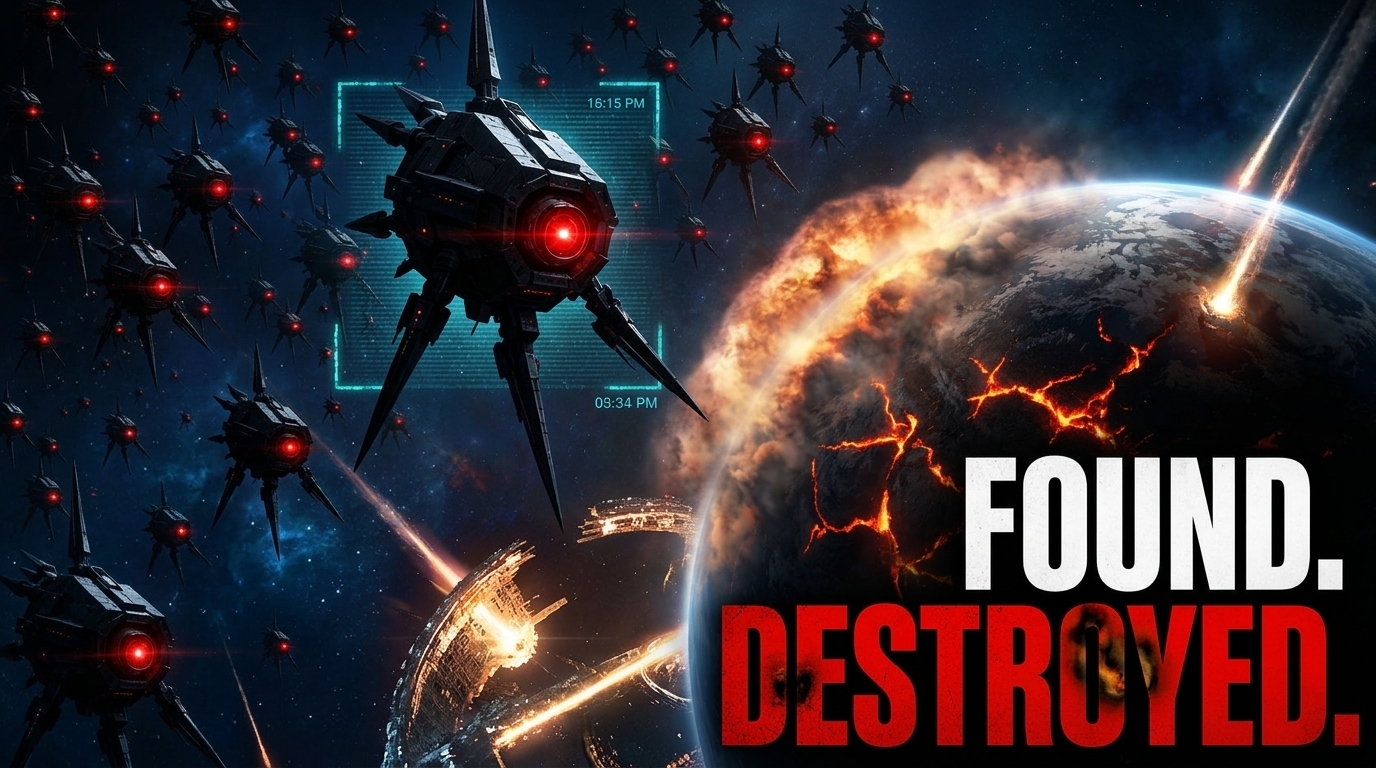
What if the silence of the universe is not emptiness, but a galaxy-size crime scene?
Read the illustrated article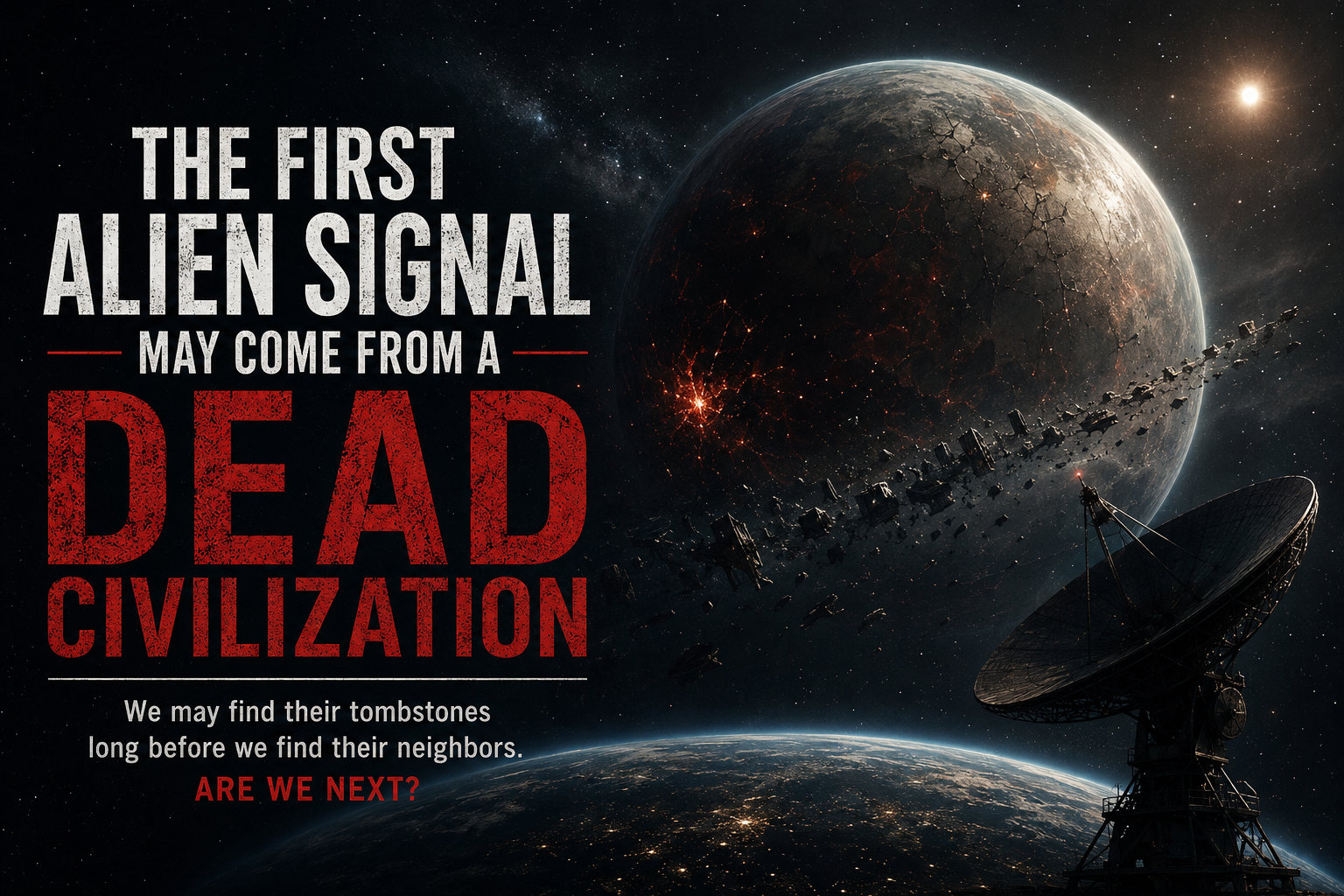
What if first contact isn’t a greeting from the stars, but a warning from a civilization that didn’t survive itself?
Read the illustrated article
What if the universe is full of life that never gets a sky? Why Earth may be rare not because it has water, but because it has land.
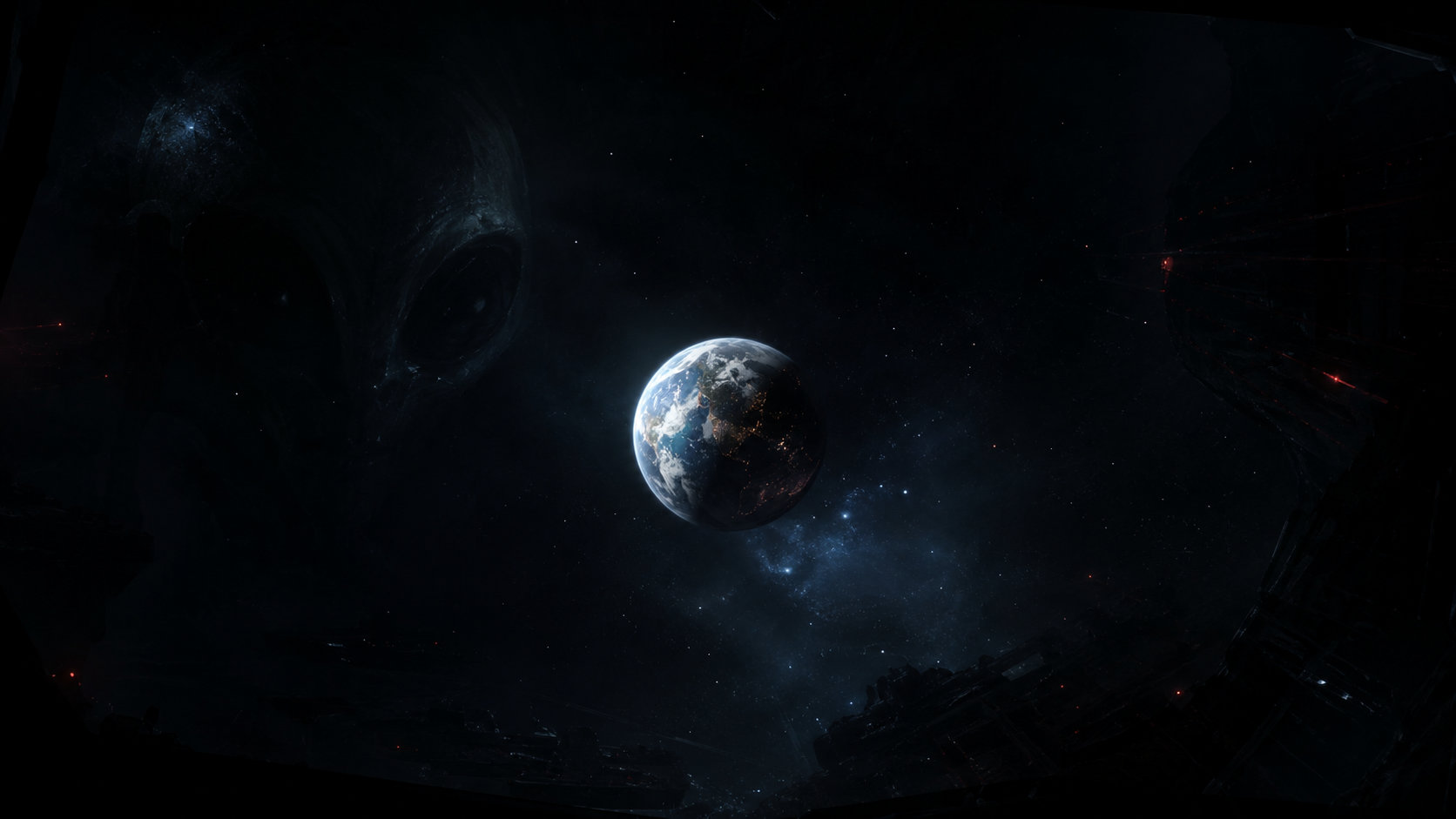
The most terrifying answer to “Where is everybody?” may be that they’re already here, and deliberately refusing to answer.
Read the illustrated article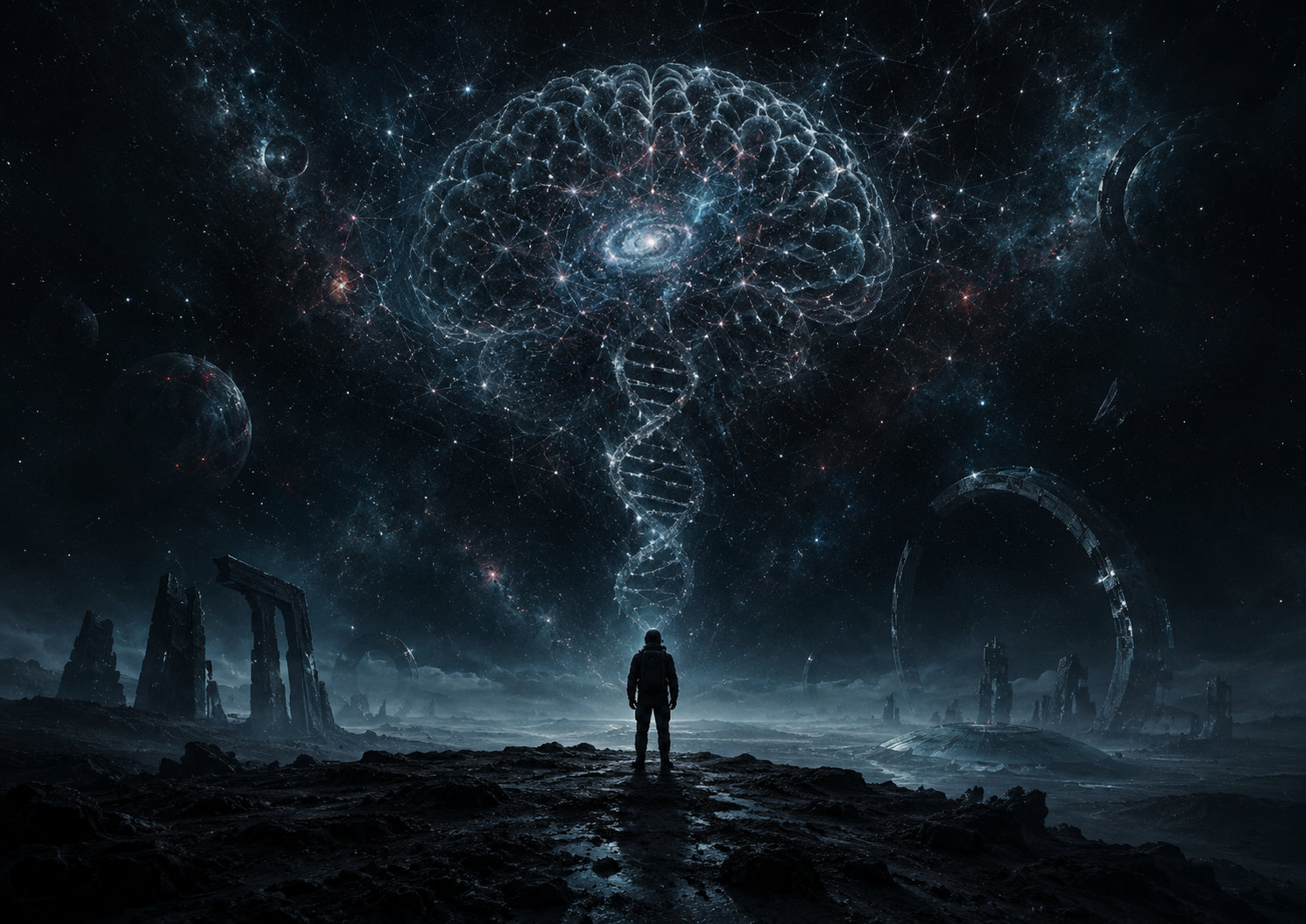
The Biological Great Filter may be the darkest answer to the Fermi Paradox.
Read the illustrated article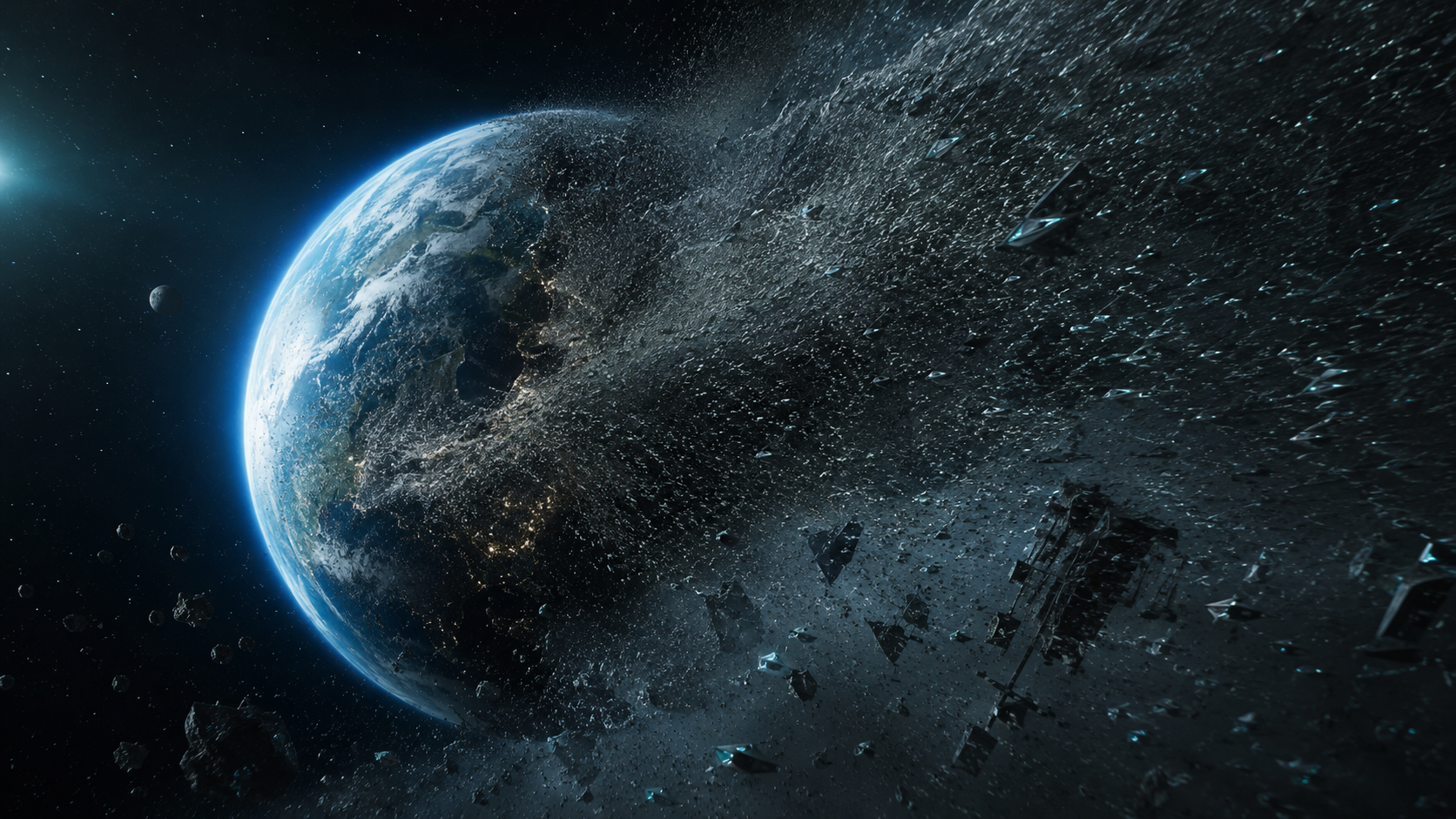
A civilization does not need to build something evil to destroy itself. It only needs to build something that keeps going.
Read the illustrated article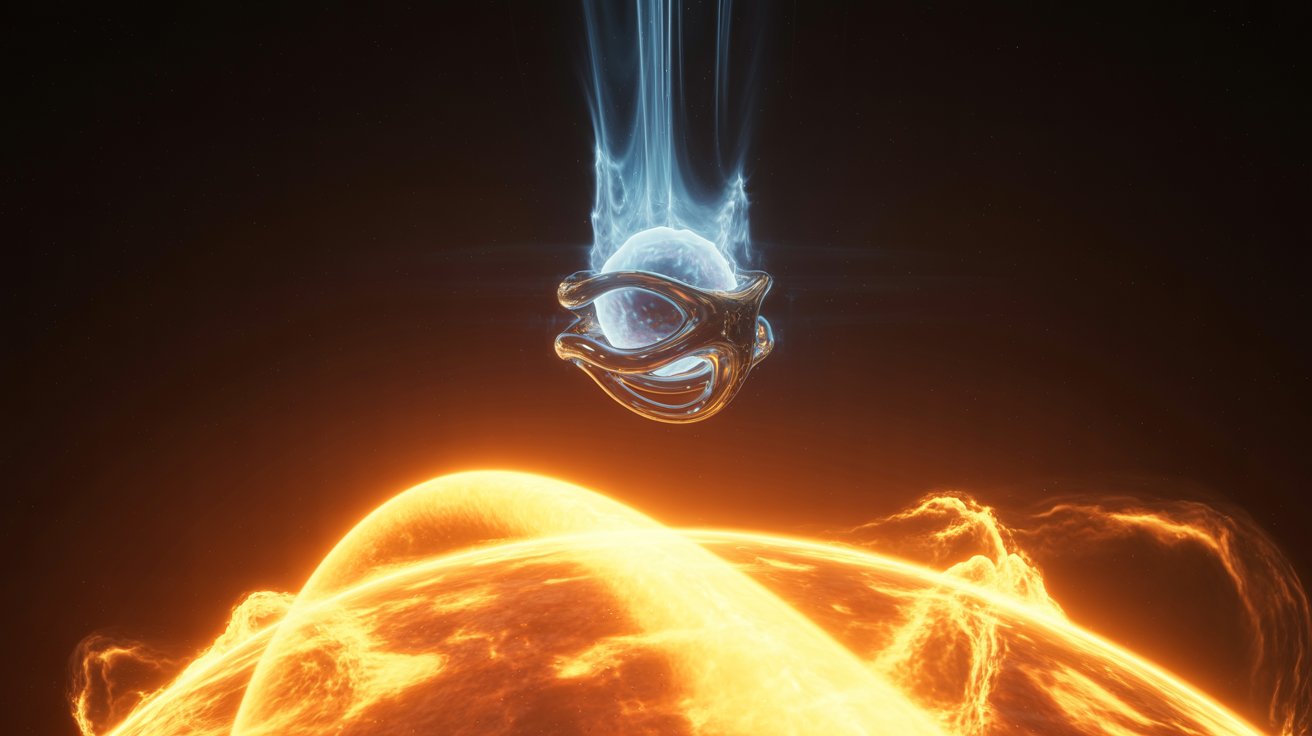
Astrophage from Project Hail Mary may be fictional, but the reason it feels so disturbing is that almost everything about it follows a rule.
Read the illustrated article
What if humanity’s greatest threat wasn’t an asteroid?
Read the illustrated articleFROM THE VISUAL ARCHIVE
Read the investigation ↗