What Does 'Now' Mean in Andromeda?
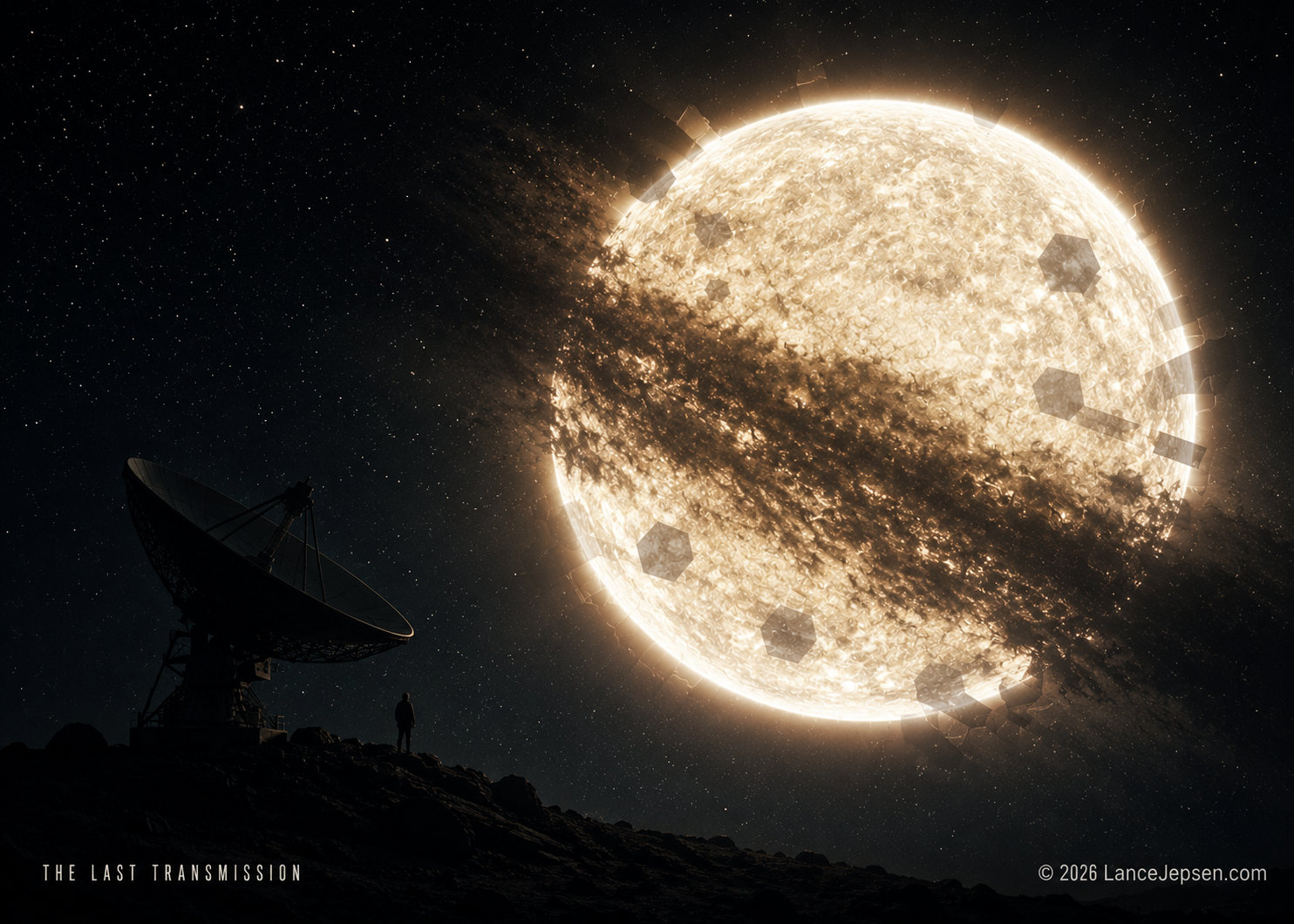
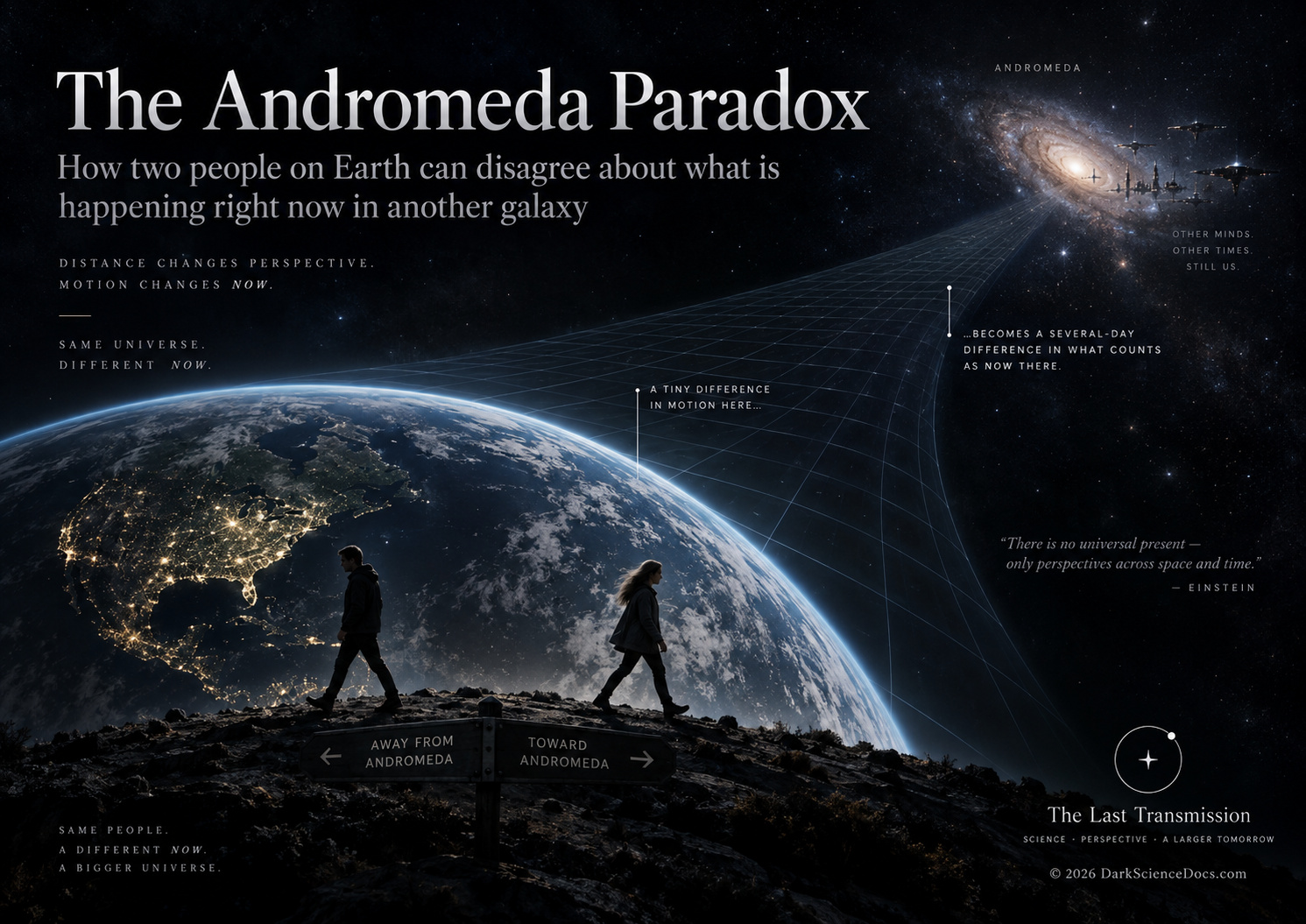
Two observers moving differently can assign different distant events to the same local moment. That disagreement concerns simultaneity, not a telescope suddenly showing two different images.
Enter the investigationTHE INVESTIGATIONS / 01—64

64 doors into real science at its most unsettling. Ordered by publication date. Each one begins with an observation and leads to the full illustrated story.
Showing 31–60 of 64 Field Notes · Page 2 of 3

Two observers moving differently can assign different distant events to the same local moment. That disagreement concerns simultaneity, not a telescope suddenly showing two different images.
Enter the investigation

Ancient tools and cut-marked bones in Greece preserve actions more readily than identities. Several sites and ages make the region a rich record, but they cannot be folded into one tribe's story.
Enter the investigation
At Korea's Hapcheon impact structure, researchers describe stromatolite formation in a lake affected by post-impact hydrothermal activity. An impact may have opened opportunities after its destruction.
Enter the investigation
Communicating animals use wildly different sounds, flashes, and gestures, yet a comparative study finds recurring slow rhythmic ranges. A shared pace is a clue to test, not a universal language.
Enter the investigation
A star's habitable zone tells us how much light a planet receives. Models of interior heat and outgassing ask whether a rocky world can keep a climate-supporting carbon cycle going over time.
Enter the investigation
Webb found a narrow absorption feature near the same infrared wavelength in observations of Titan and Pluto. The instrument can measure the missing light. The chemistry behind it remains uncertain.
Enter the investigation
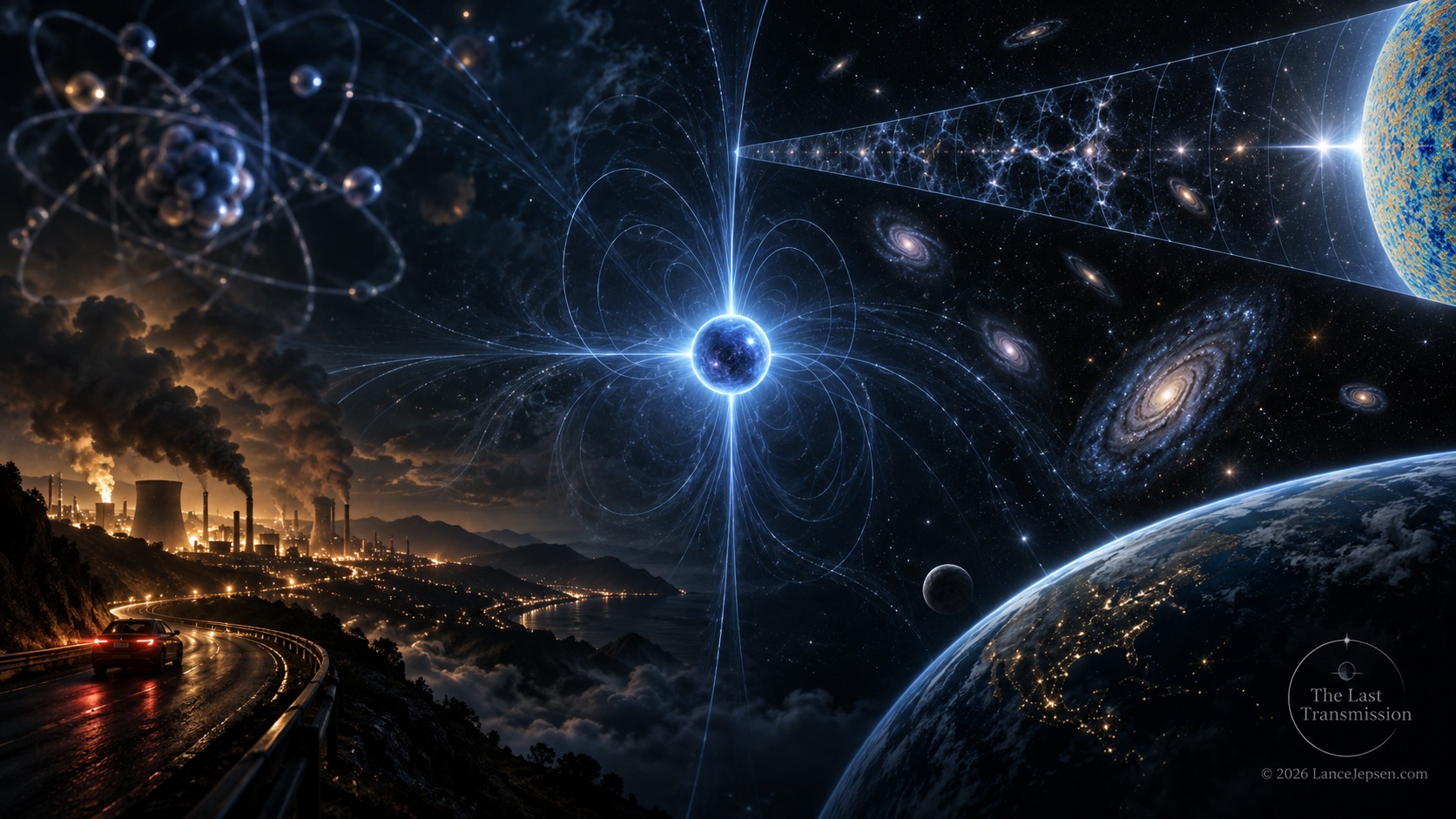
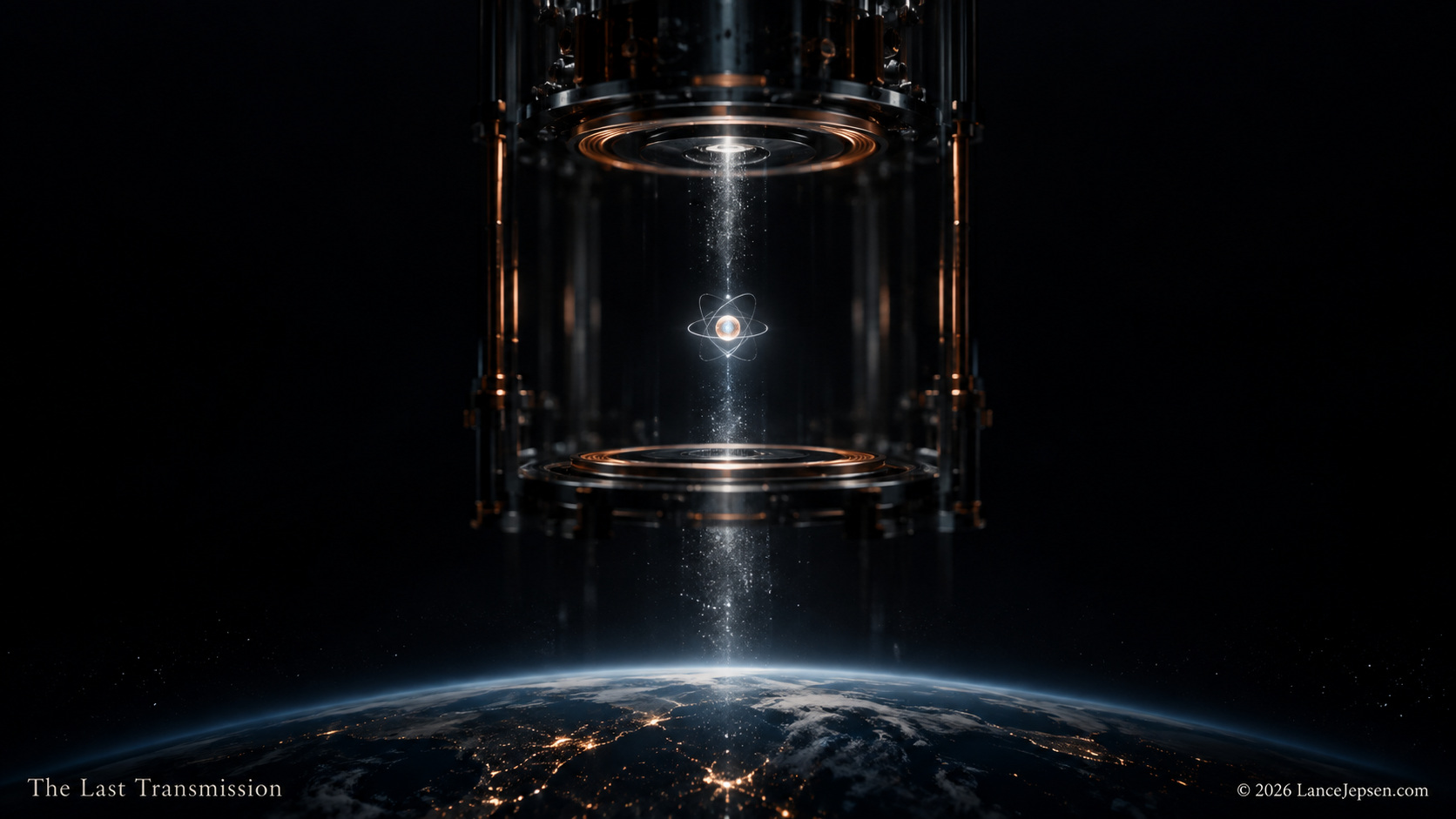
An electron does not need a microscopic battery to remain an electron. The electrical systems we build around it are another matter.
Enter the investigation
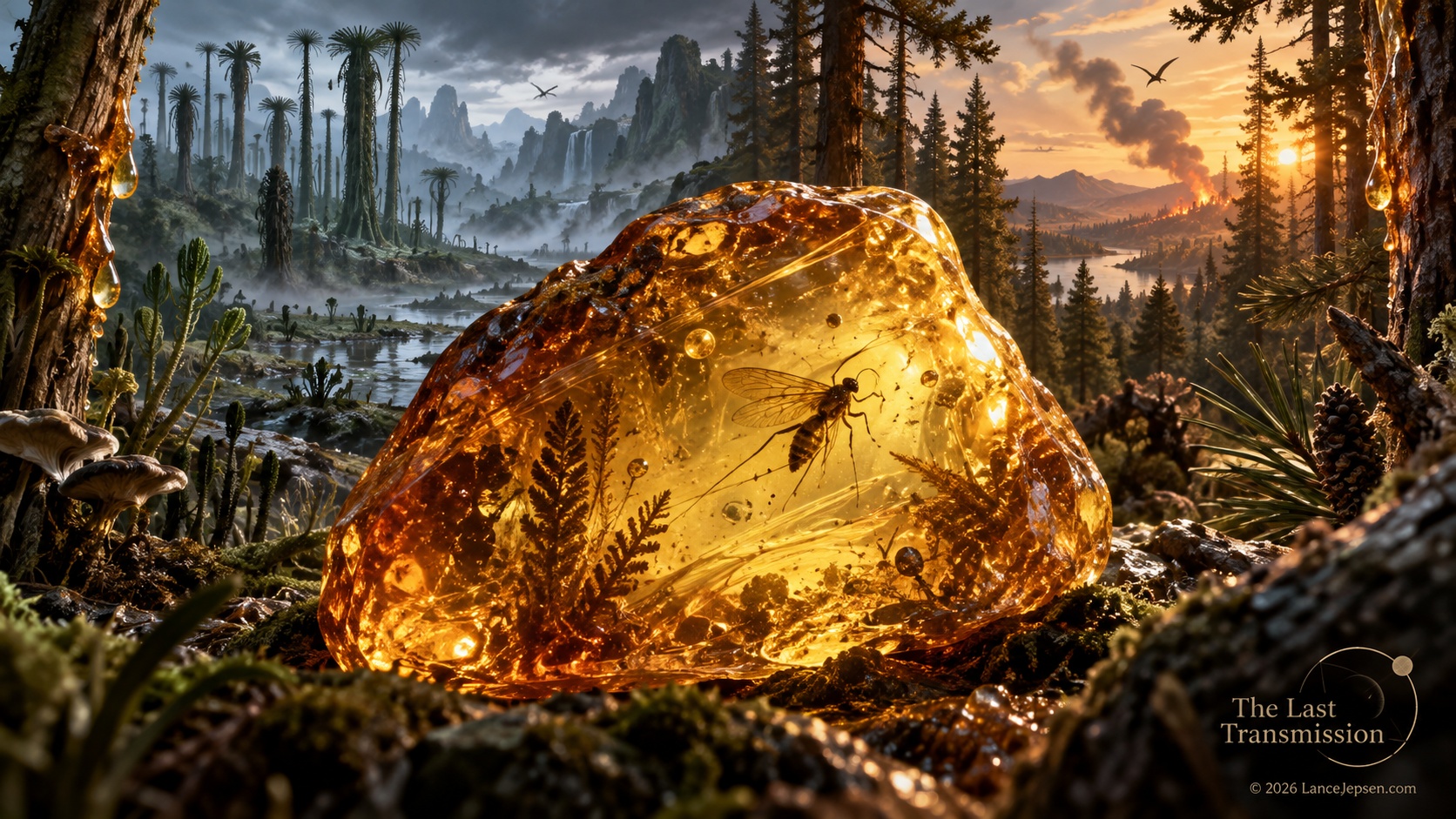
Amber begins as resin, a material trees release in response to injury and other pressures. A deep-time discovery pushes that history farther back than many would expect.
Enter the investigation
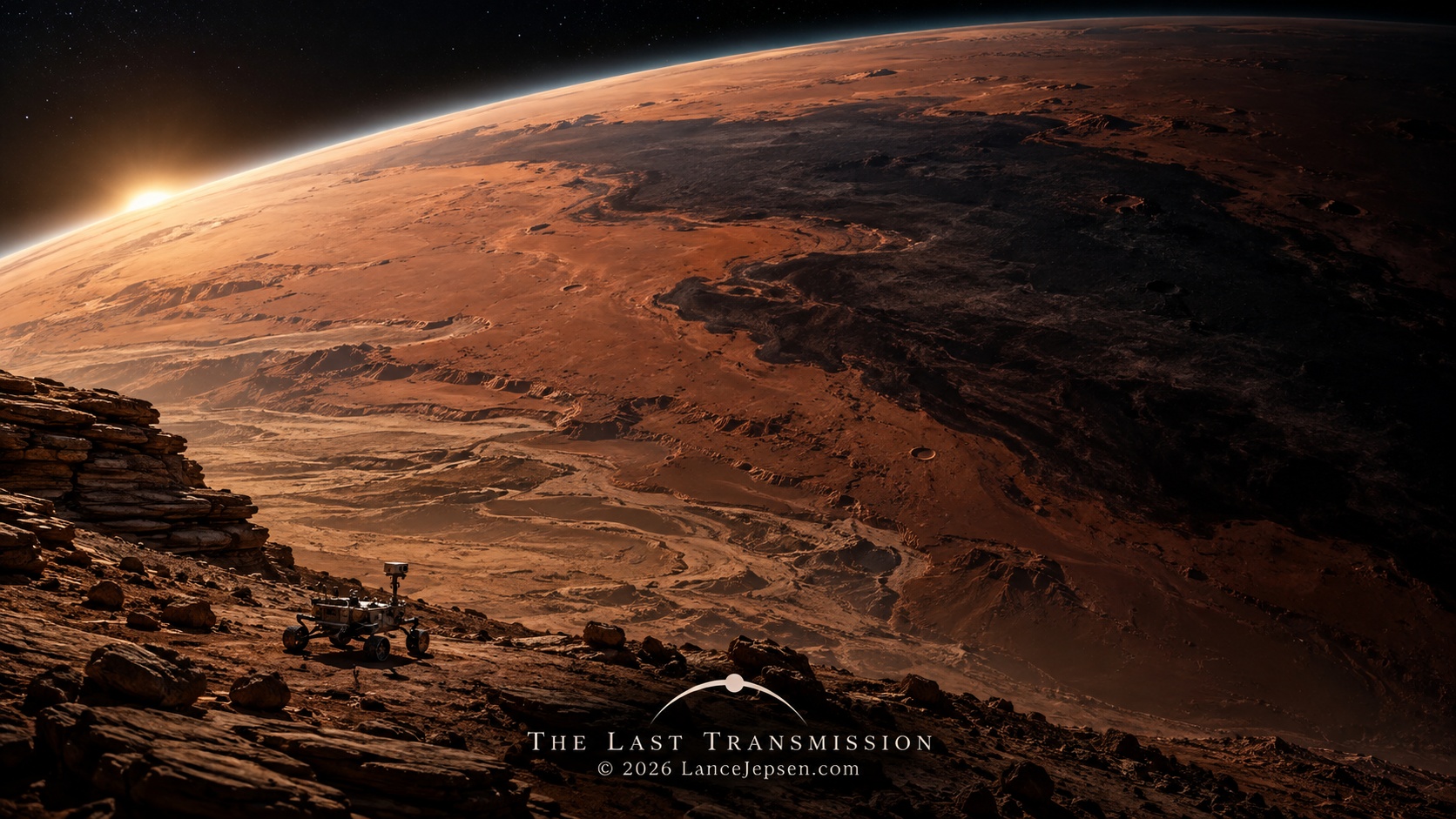
Mars preserves ancient clues in rock and ice, while present-day processes continue to alter the evidence we hope to read.
Enter the investigation
CERN's ALPHA-g experiment watched antihydrogen escape a magnetic trap. The antiatoms favored the downward exit, closing a simple antigravity escape route from the matter–antimatter mystery.
Enter the investigation
Thismia daemona briefly appears above the forest floor in Thailand. Without chlorophyll, its hidden life depends on an underground relationship with fungi.
Enter the investigation
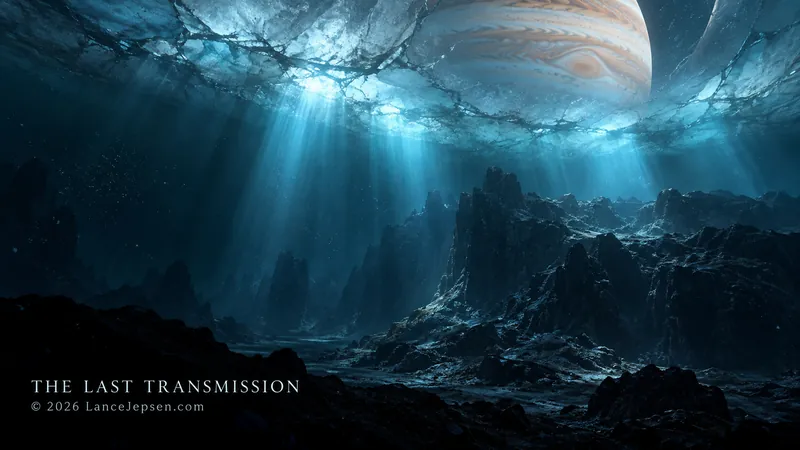
Europa has an ocean under its frozen exterior. What that ocean contains, and whether its chemistry can sustain life, are questions still waiting for direct evidence.
Enter the investigation
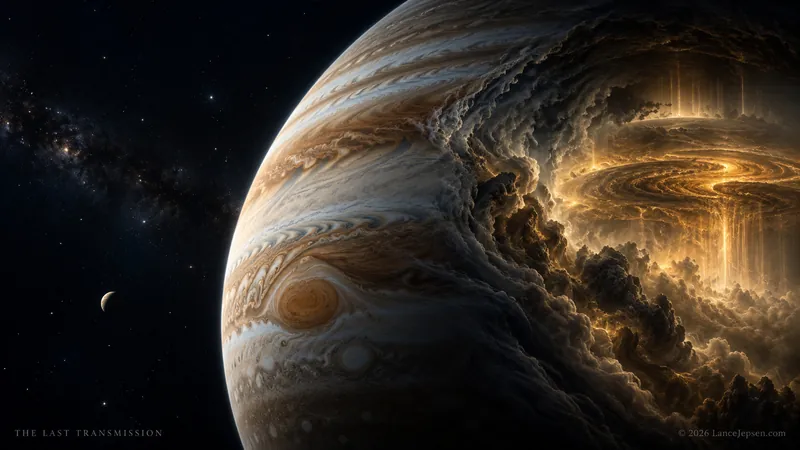
Juno's gravity measurements favor a broad, mixed interior over the tidy central core once drawn in textbooks. Even Jupiter's familiar outline has needed a measurement.
Enter the investigation
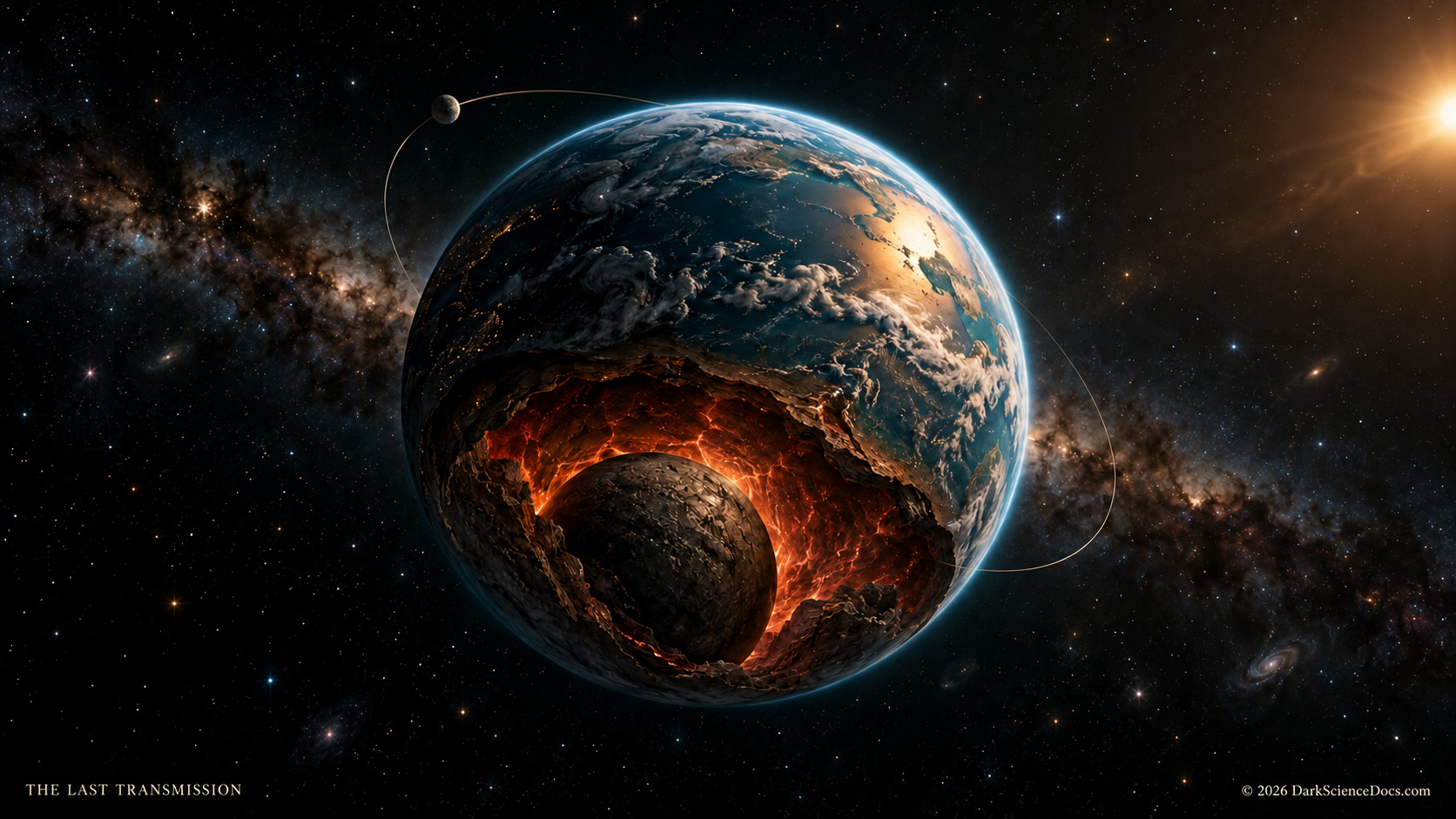
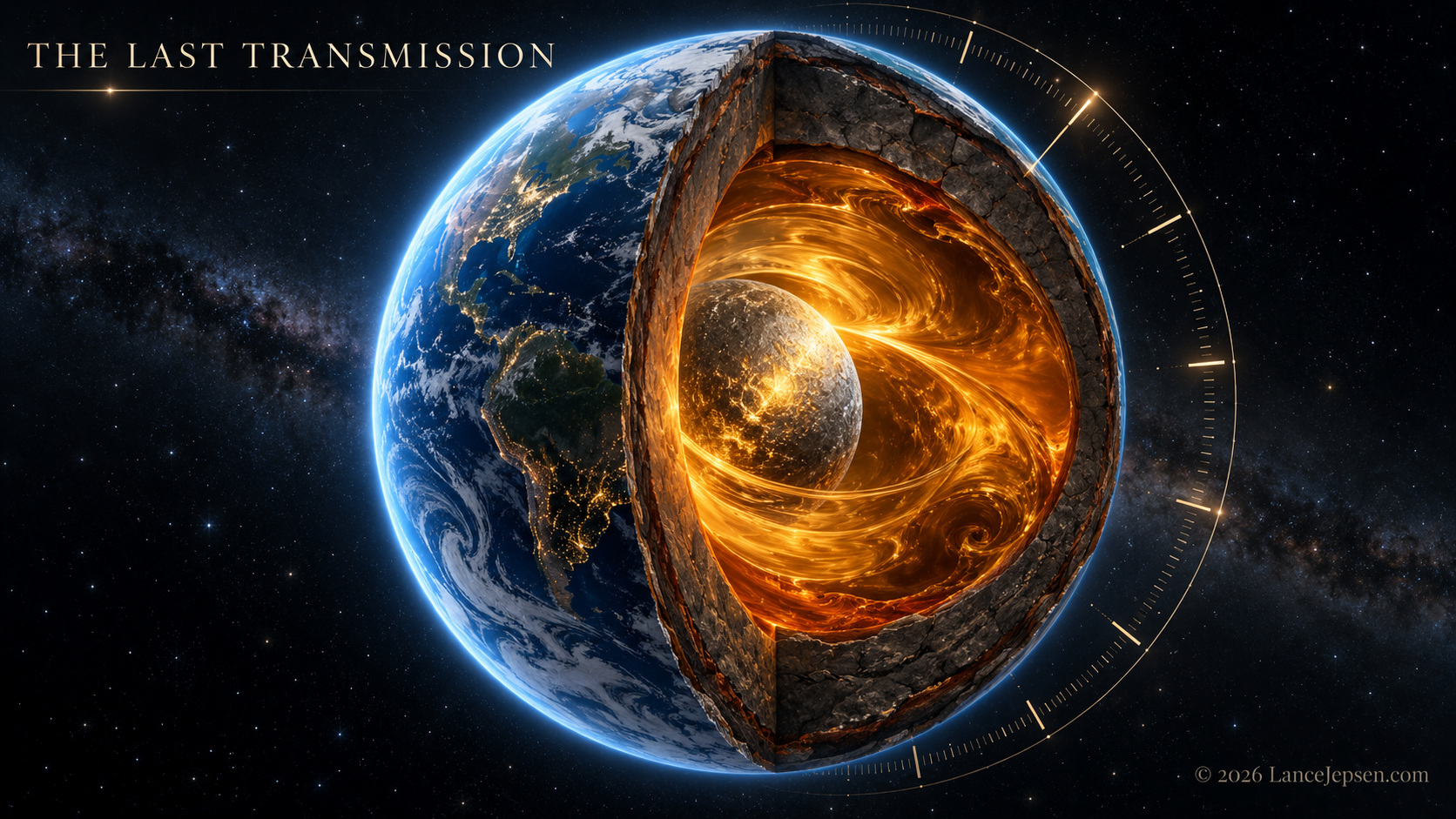
A millisecond change in the length of a day may carry evidence of how Earth's inner core and mantle exchange angular momentum across thousands of kilometers.
Enter the investigation
Two careful ways of measuring cosmic expansion continue to return answers that do not comfortably meet.
Enter the investigation
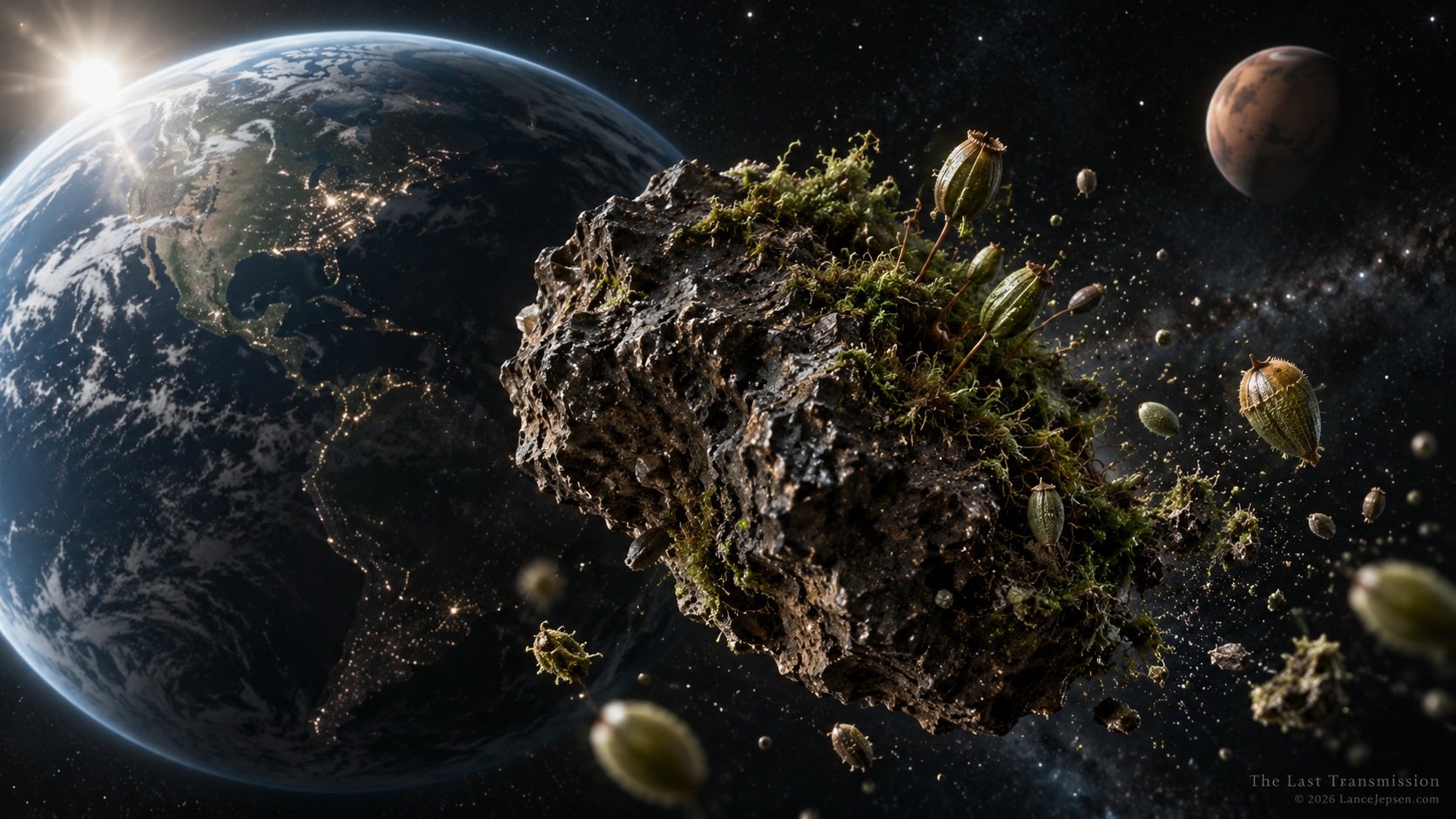
Moss spores spent 283 days outside the space station and many still germinated. Survival is one link in a possible journey between worlds; launch, transit, landing, and growth remain separate tests.
Enter the investigation
A ground-based observation suggested helium escaping from LHS 1140 b. Four Webb transits later, the same signature remained undetected, and the planet's atmosphere became a harder question.
Enter the investigation
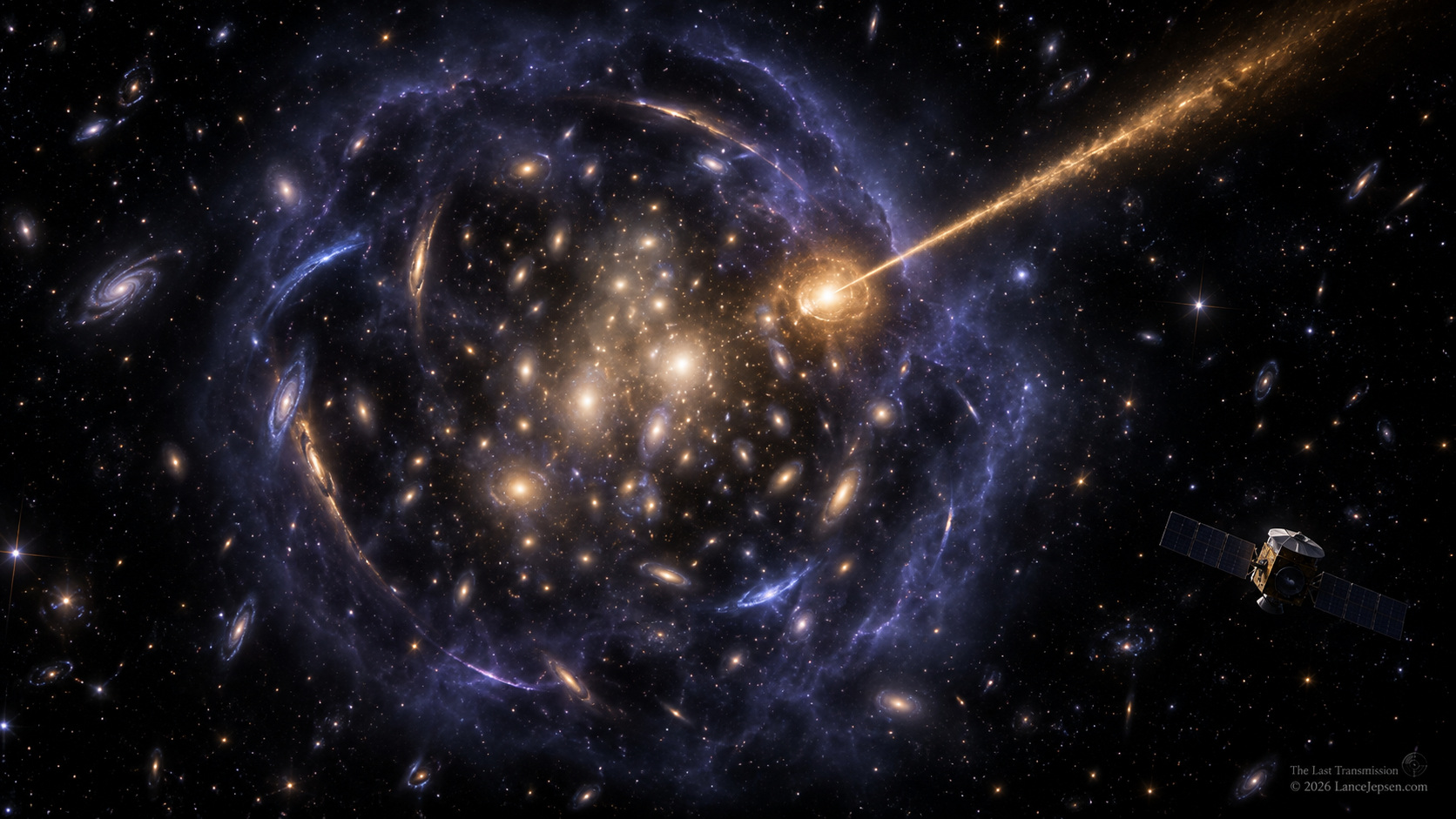
A narrow gamma-ray feature in three galaxy clusters has some of the qualities dark matter hunters have sought for decades. Its absence from another expected region is equally important.
Enter the investigation
Silicon is plentiful in Earth's crust, yet known cells build their information and metabolism around carbon. Elemental abundance alone cannot tell us which chemistry can make a working organism.
Enter the investigation
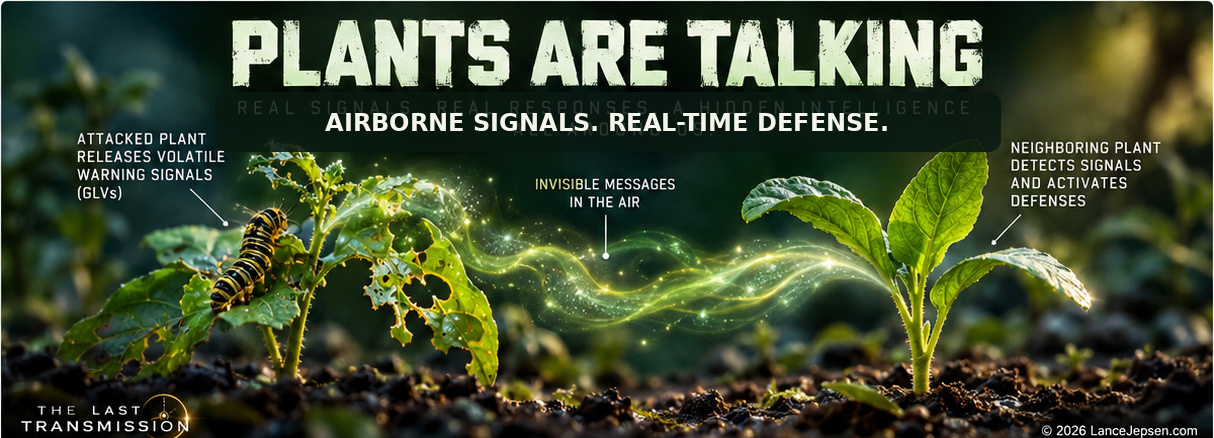
Damaged leaves release volatile compounds. In a controlled experiment, nearby plants responded with waves of intracellular calcium, making a chemical warning visible without proving that plants think like animals.
Enter the investigation
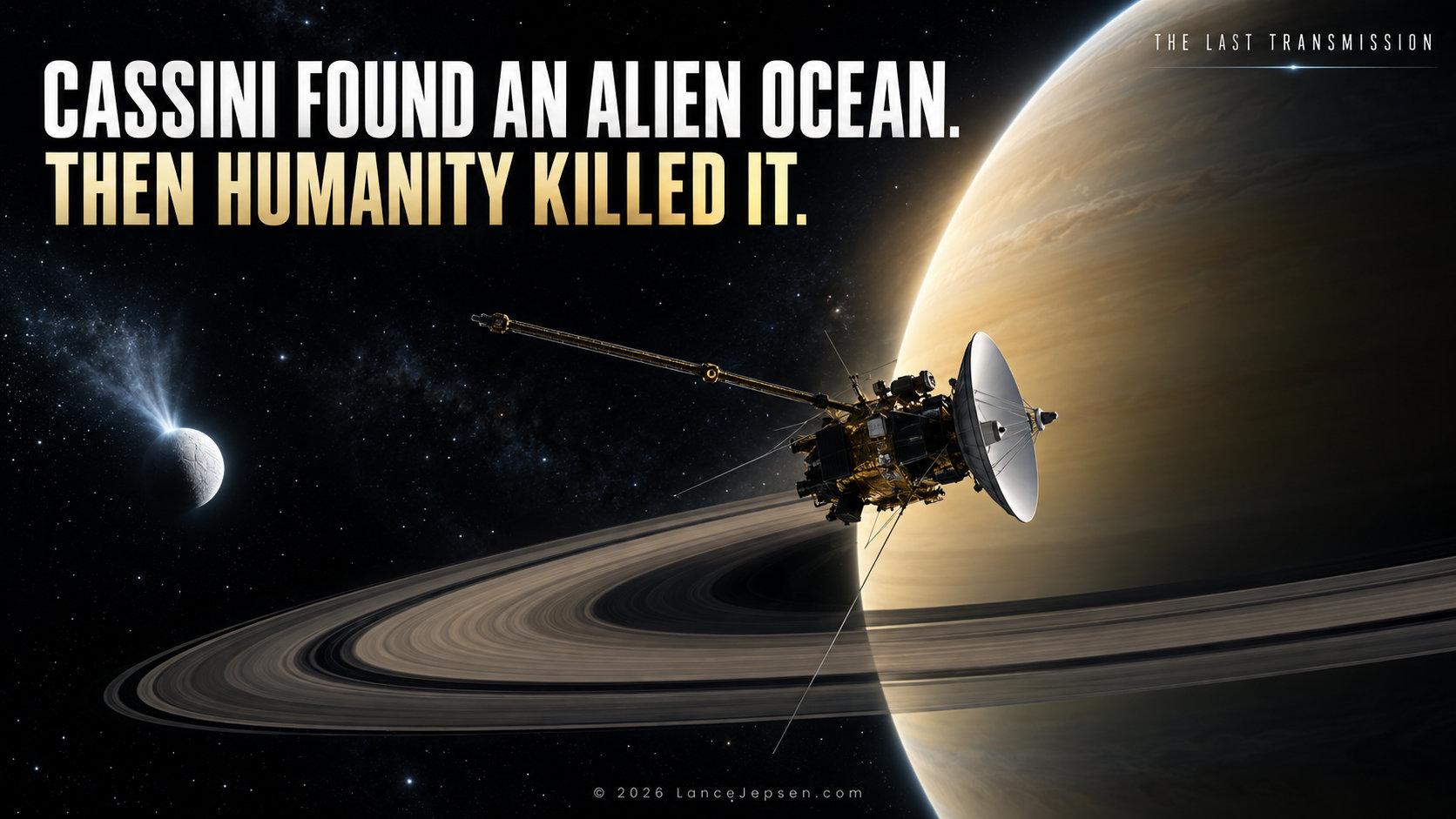
Cassini's evidence for an ocean beneath Enceladus made an uncontrolled future encounter harder to accept. Its final dive into Saturn was part of the scientific duty to protect what it had revealed.
Enter the investigation
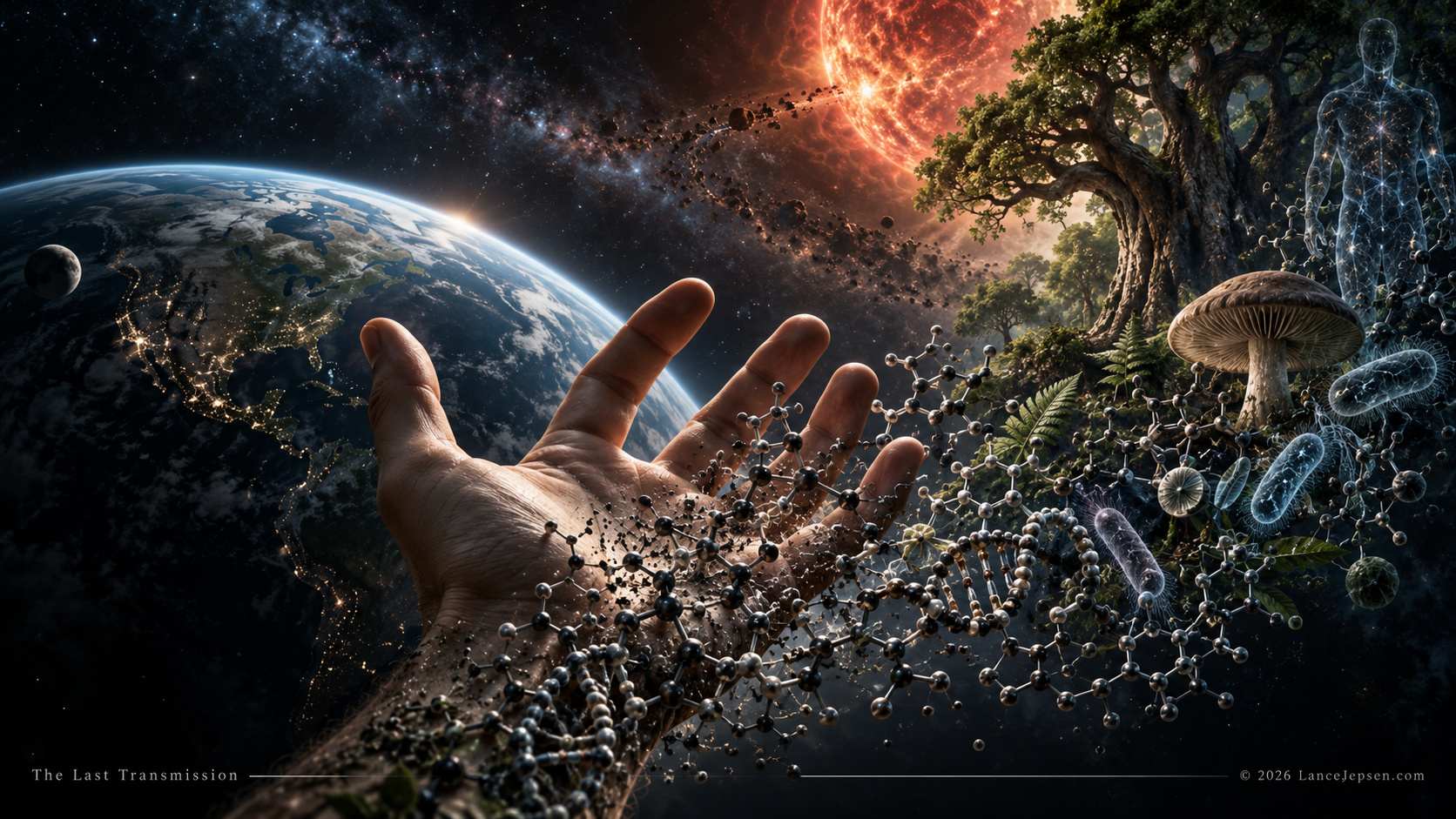
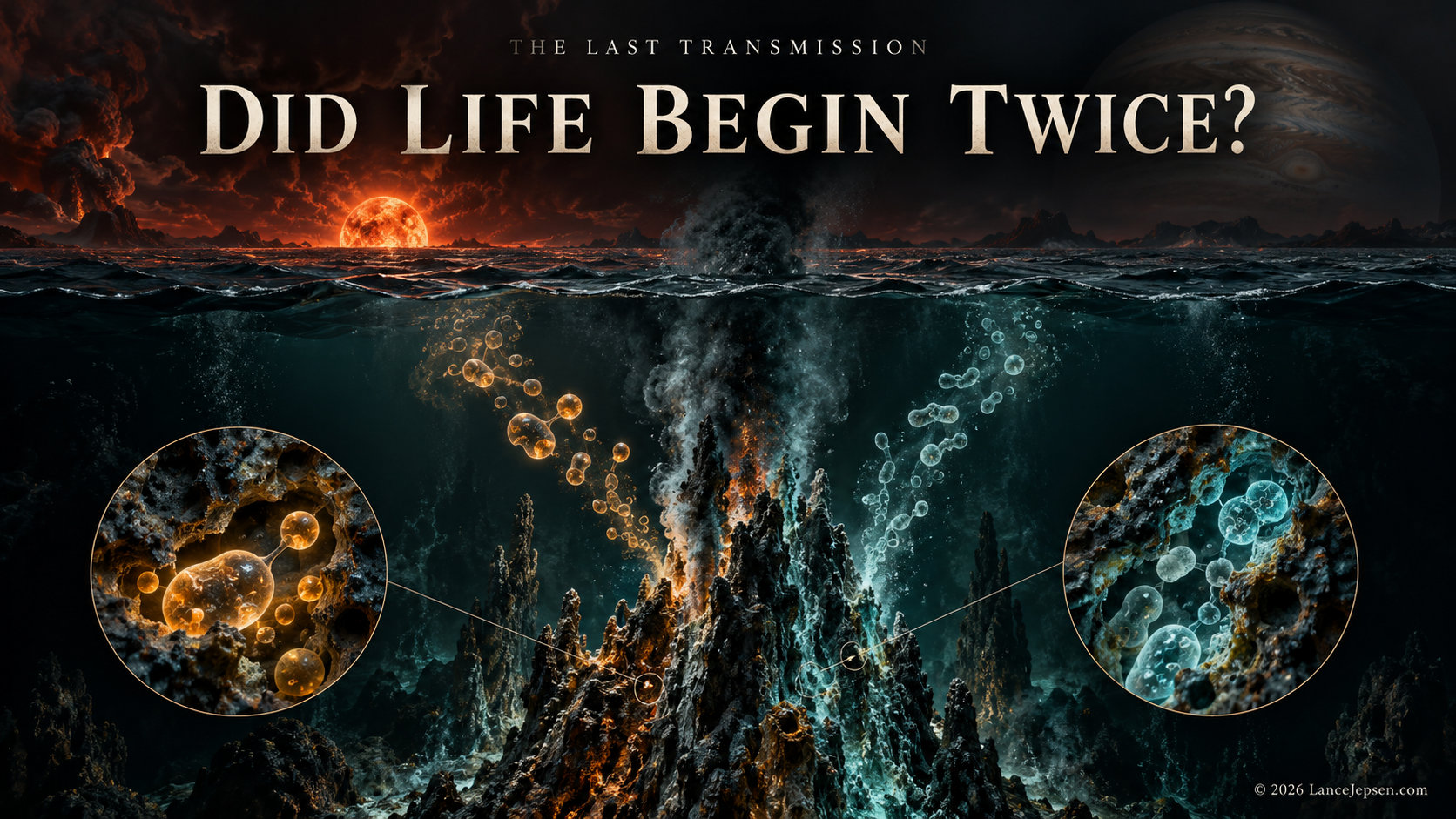
A reconstruction of ancient metabolic enzymes suggests bacteria and archaea may have completed parts of free-living metabolism independently after a common ancestor. That is a more precise question than whether life began twice.
Enter the investigation
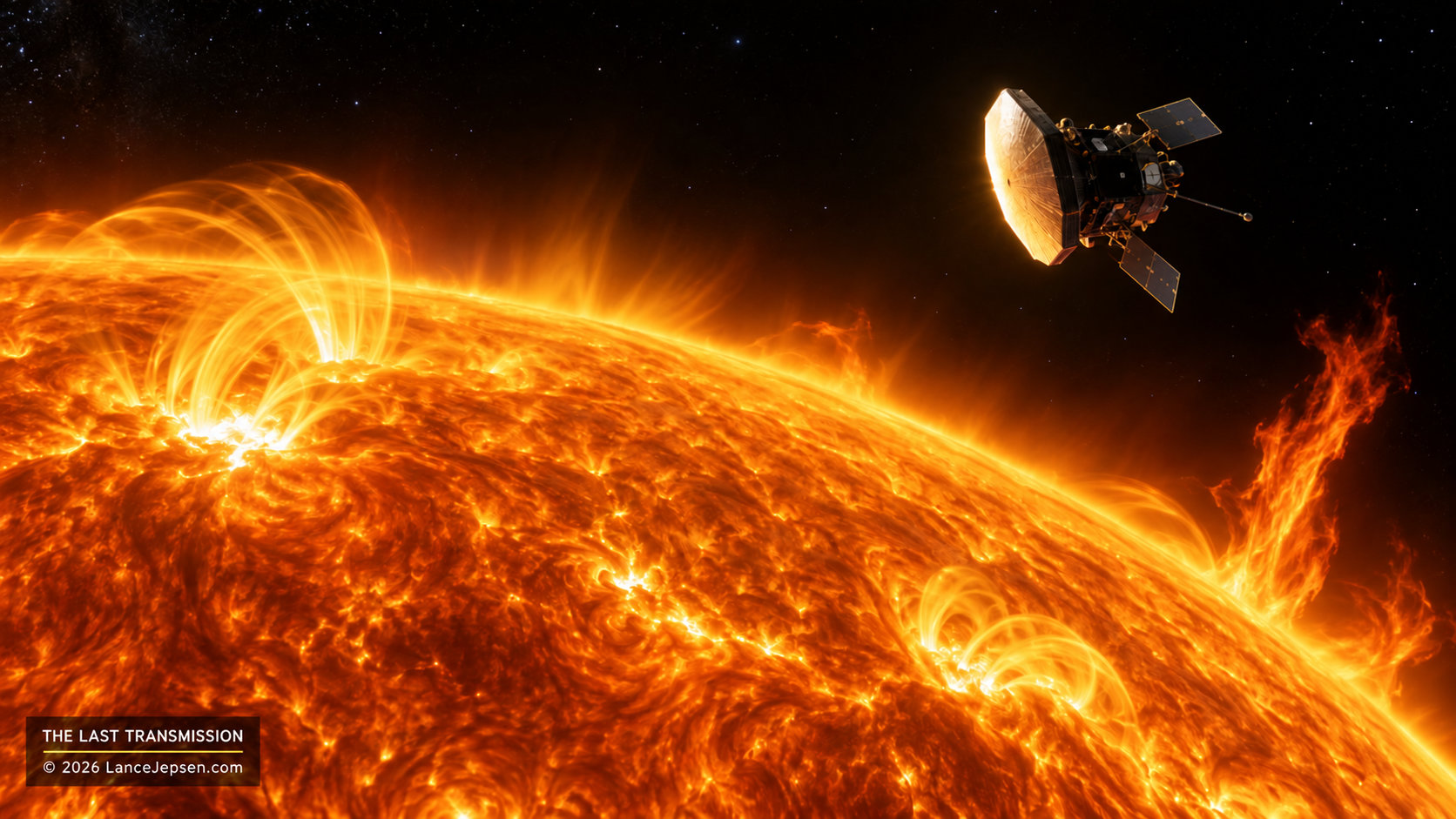
After Parker Solar Probe's closest solar encounter, a beacon confirmed the craft had survived. The detailed science required a later data return, and its namesake was no longer here to receive it.
Enter the investigation
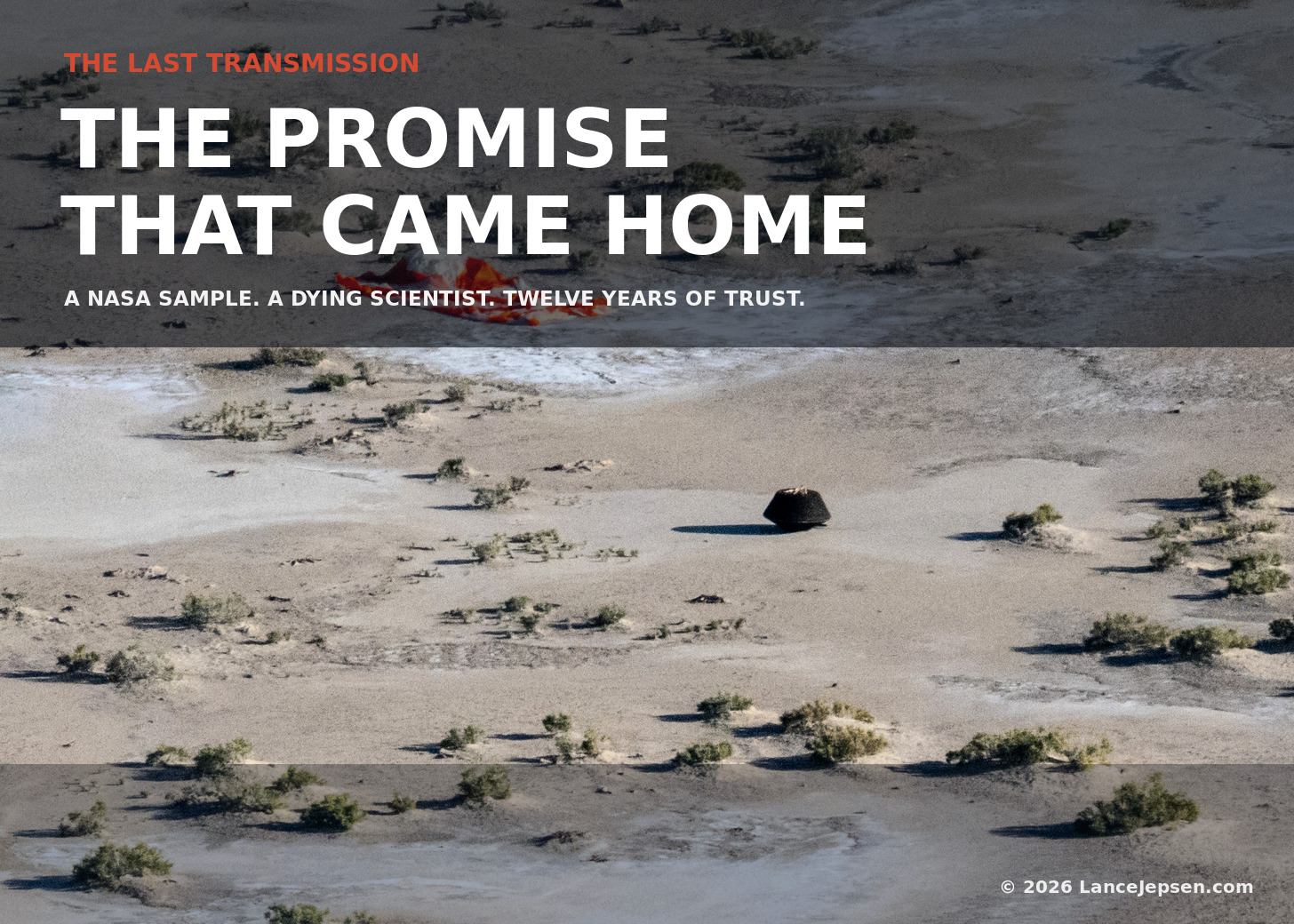
OSIRIS-REx brought asteroid material into a controlled laboratory, where researchers found molecules used by life. The sample's documented journey is what makes those detections powerful, and chemistry still stops short of biology.
Enter the investigation
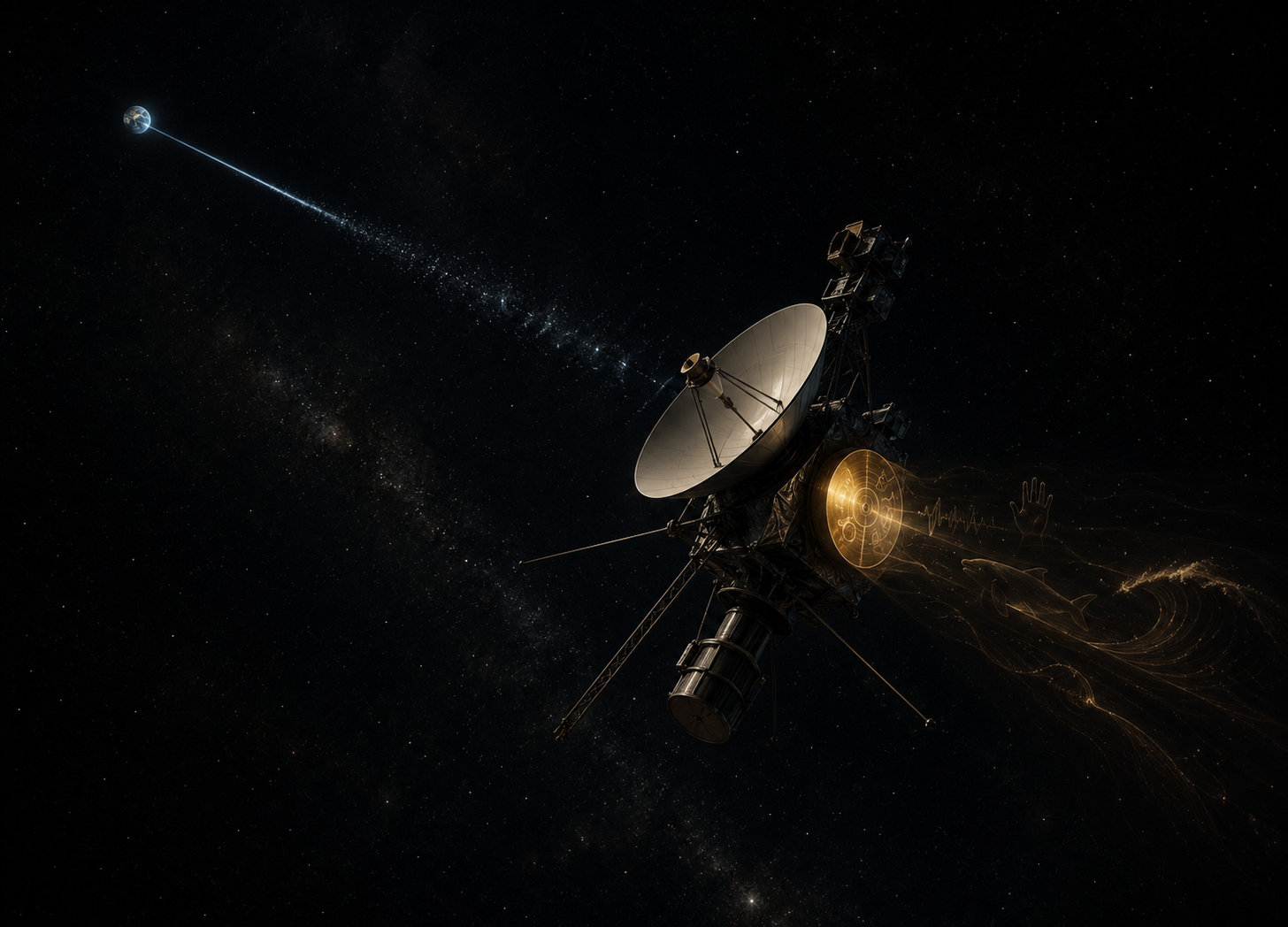
Voyager 1's science signal depends on a shrinking power budget and a working radio link. The Golden Record is a physical object, meant to remain after the spacecraft can no longer answer.
Enter the investigation
Kepler measured startling, irregular dips in KIC 8462852. Watching how the star dims at different wavelengths helps test what blocked its light and narrows the room for a solid opaque structure.
Enter the investigation
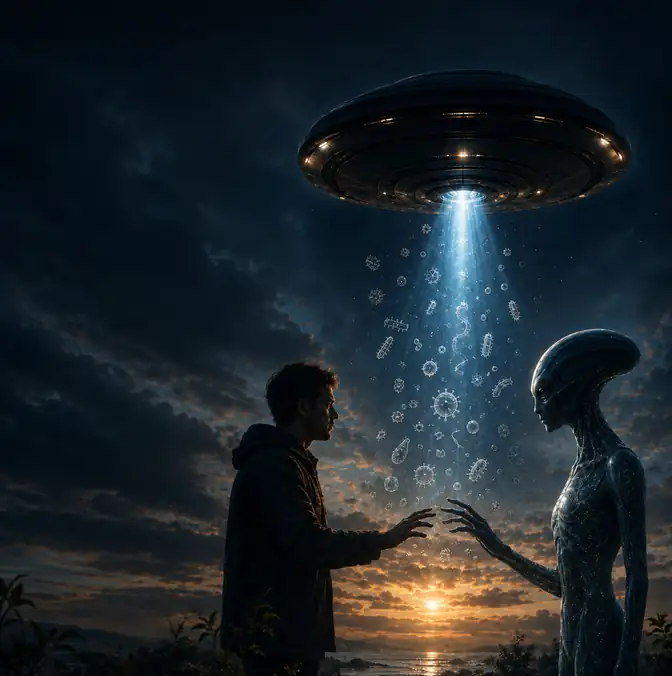
A peaceful encounter could still raise a difficult biological question: what happens when material from two living worlds crosses the same boundary? Explore the science behind the scenario, the barriers to infection, and the evidence that remains missing.
Enter the investigation
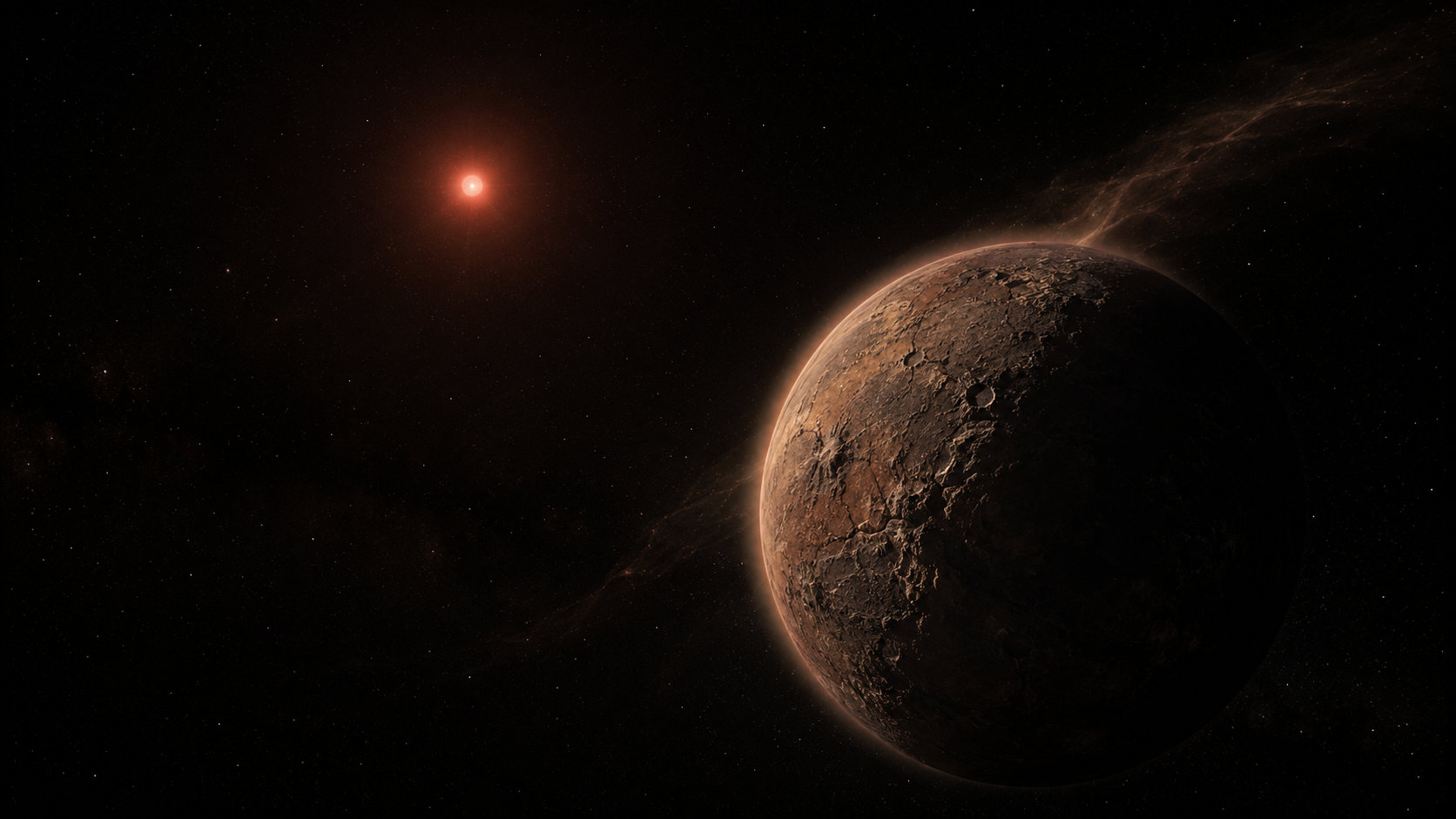
A planet can receive the right amount of starlight for surface water under suitable conditions and still lack the atmosphere, pressure, or long-term stability that water requires.
Enter the investigation

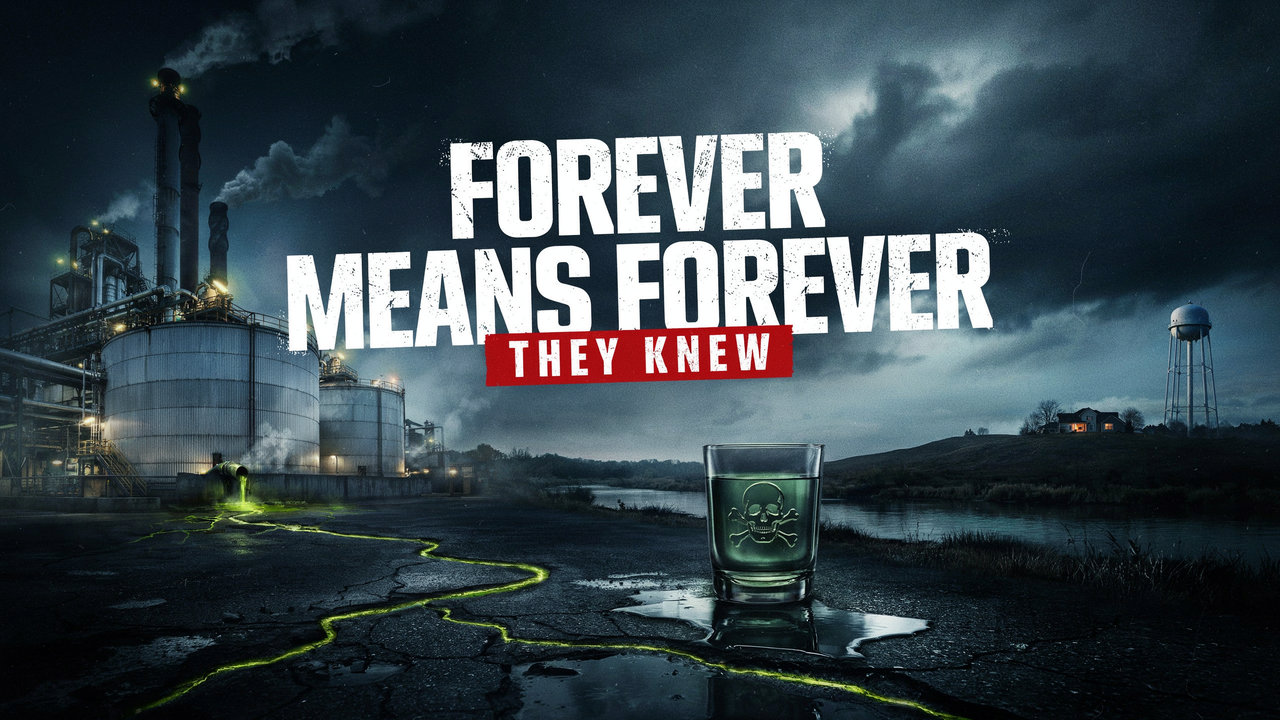
Ending production cannot remove chemicals already in groundwater and drinking-water systems. The PFAS record requires measurements, exposure assessment, and cleanup that continue long after a factory changes course.
Enter the investigation
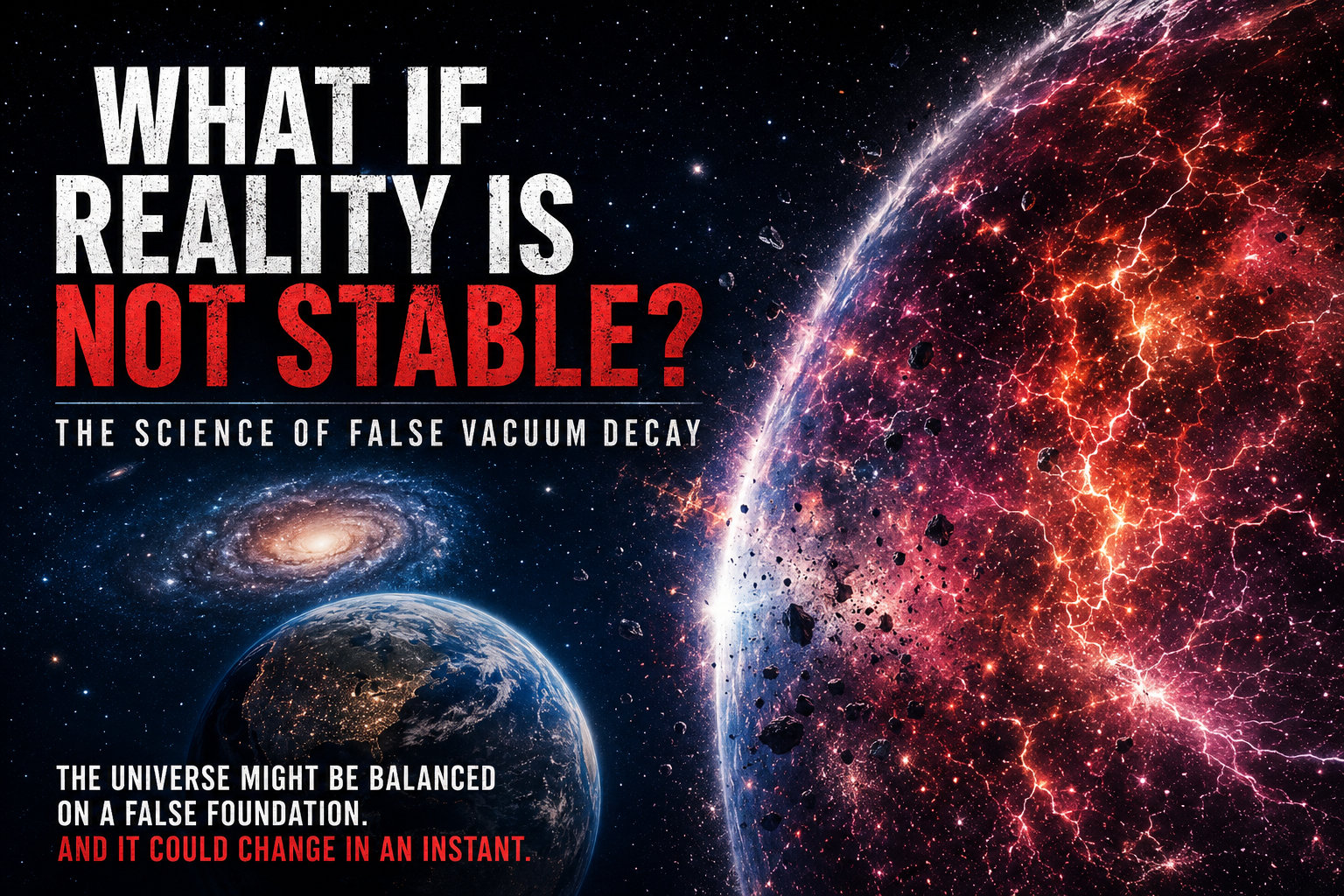
In some field theories, a seemingly stable vacuum can have a lower-energy state separated by a barrier. A mathematical possibility is not an observed event or a prediction that our universe will decay.
Enter the investigationFROM THE VISUAL ARCHIVE
Read the investigation ↗