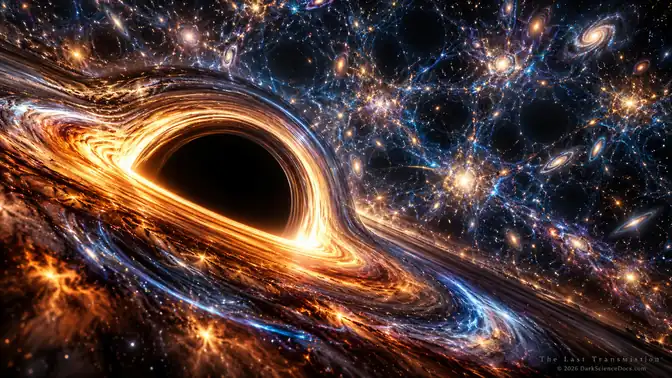
What If the Universe Is Accelerating Because Stars Die?
For nearly three decades, scientists have struggled to identify the mysterious force accelerating the expansion of the universe. Now a radical theory suggests the answer.
 THE LAST TRANSMISSIONStories from the Edge of Science
COLLECTION / THE UNIVERSE DOES NOT EXPLAIN ITSELF
Dark matter, fundamental physics, and observations that refuse to fit neatly inside the models.
64 TRANSMISSIONS
For nearly three decades, scientists have struggled to identify the mysterious force accelerating the expansion of the universe. Now a radical theory suggests the answer.
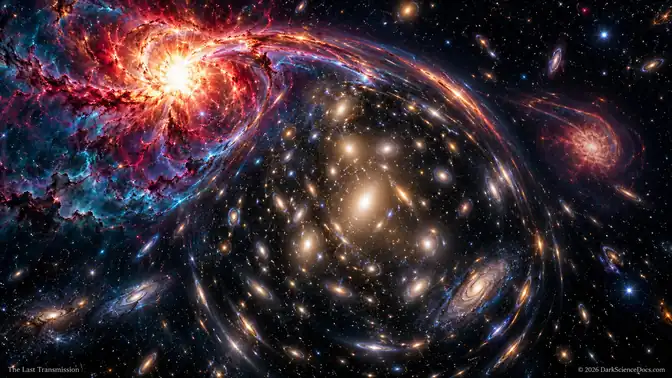
NASA is watching for a supernova we have already seen. When that light finally reaches Earth, it could help answer one of the most troubling questions in modern cosmology.
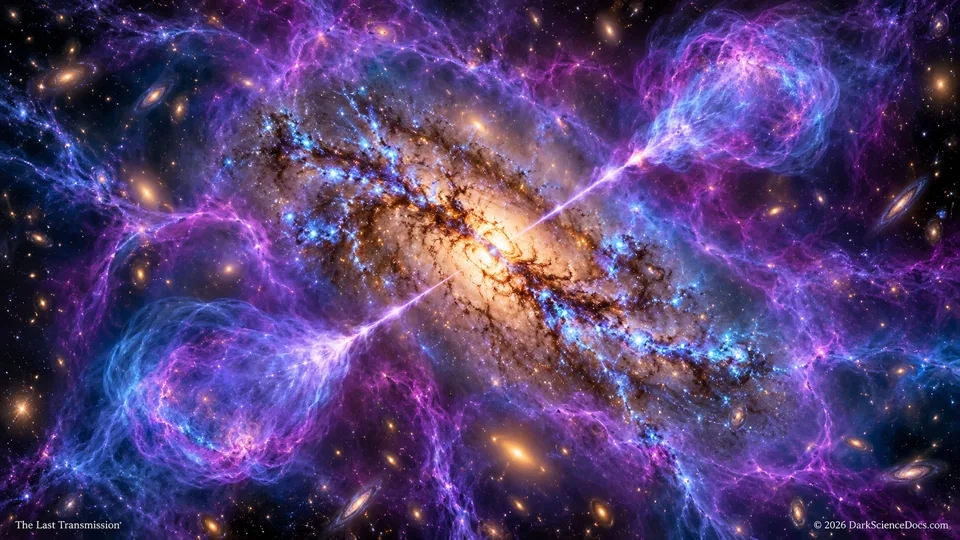
An enormous black hole is blasting energy into the Phoenix Cluster, yet its central galaxy is producing stars at an extraordinary rate.
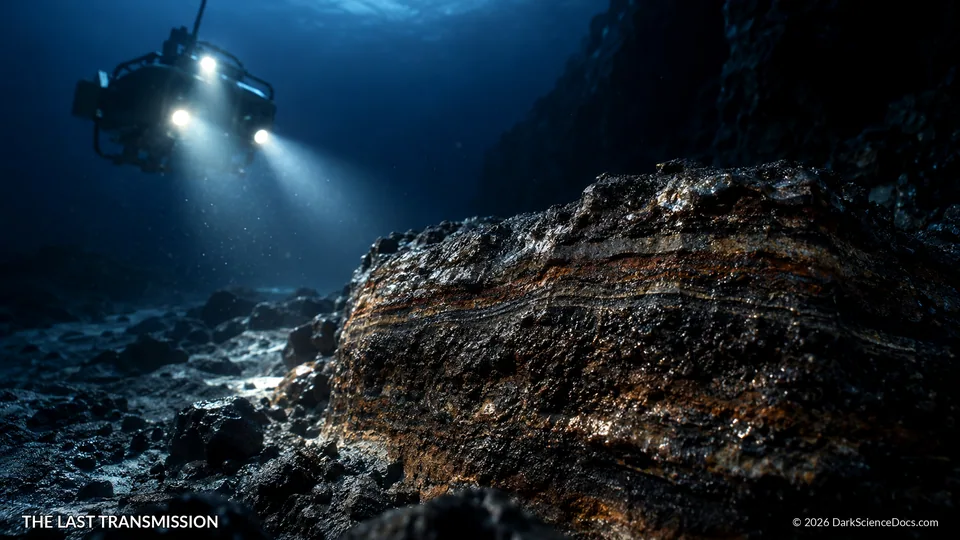
Deep beneath the ocean, scientists discovered radioactive debris from beyond Earth. The most disturbing clue was an element they could not find.
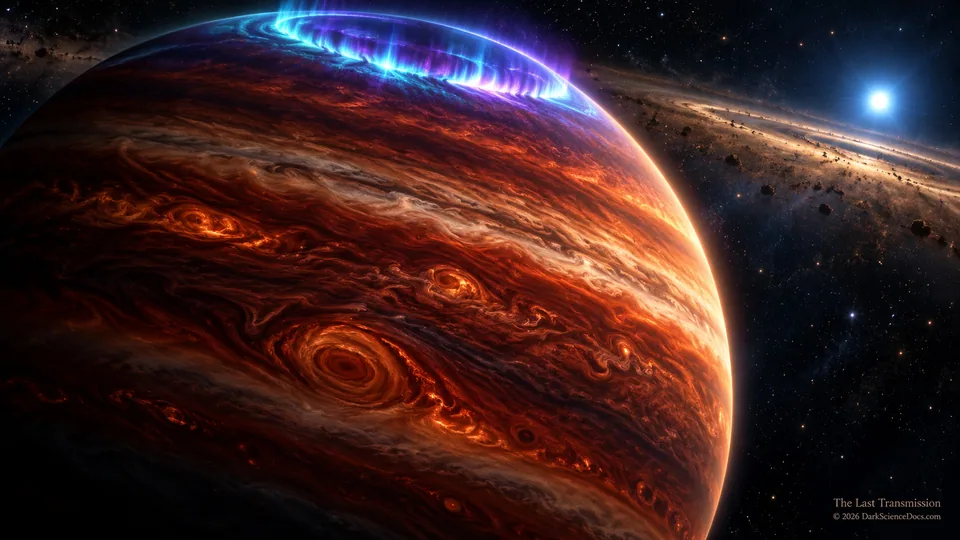
A study traces the signal to a young giant planet and infers a magnetic field of at least 1,250 gauss where the bursts originate. The discovery could open a way to investigate worlds.
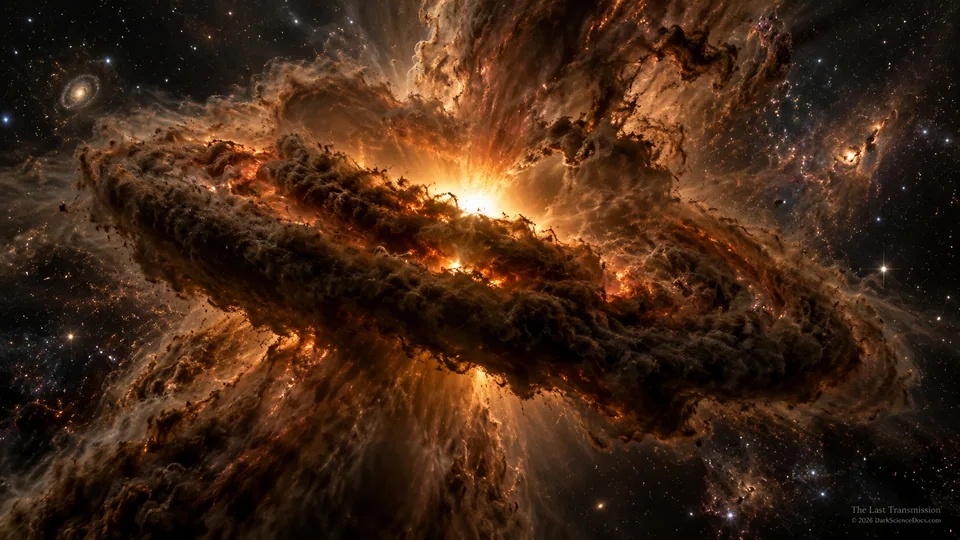
Thirty years ago, Sakurai’s Object appeared to reverse its own death. Then it vanished inside a cloud of carbon dust.
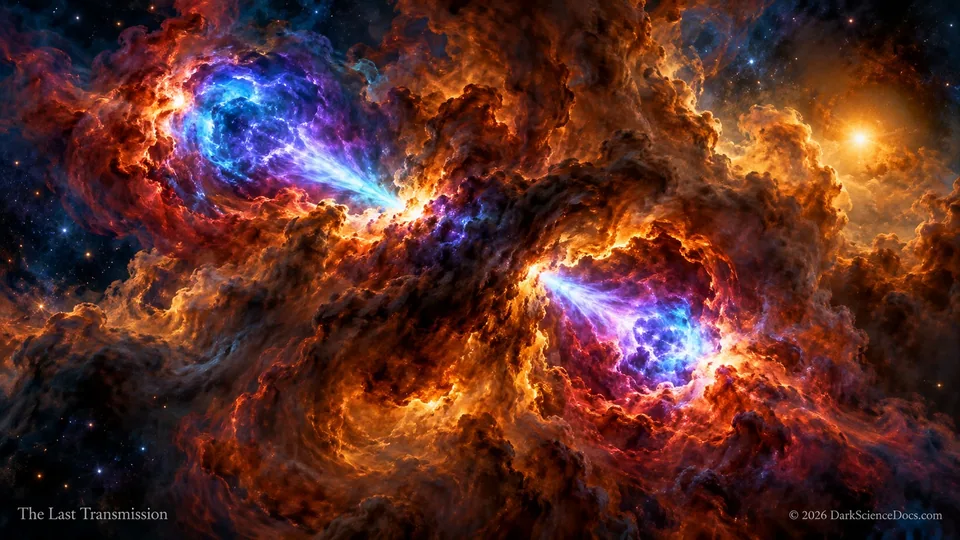
One source has remained radio-bright for two decades while its X-rays stay undetected. The deeper mystery may be how many others we have missed.
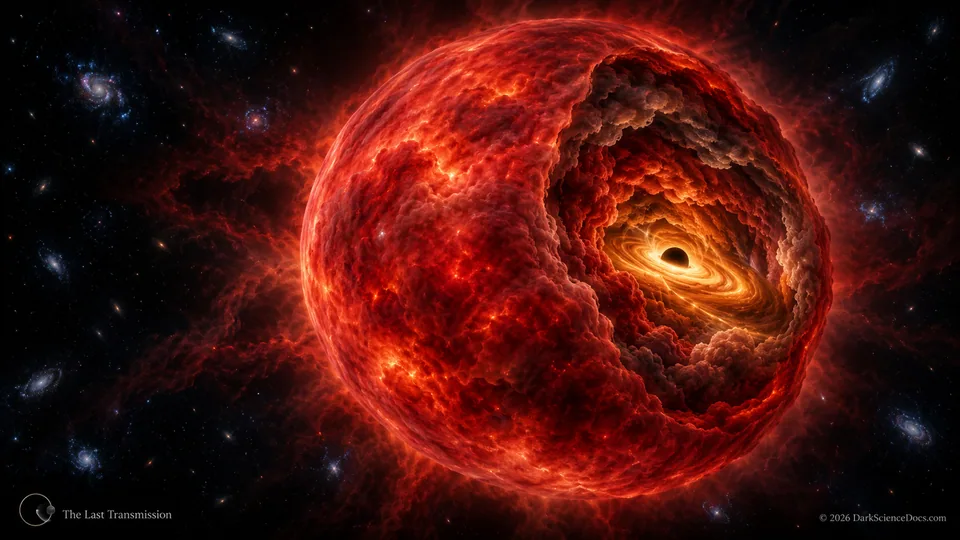
Webb is revealing a possible hidden phase of black hole growth that could change how we read the early universe
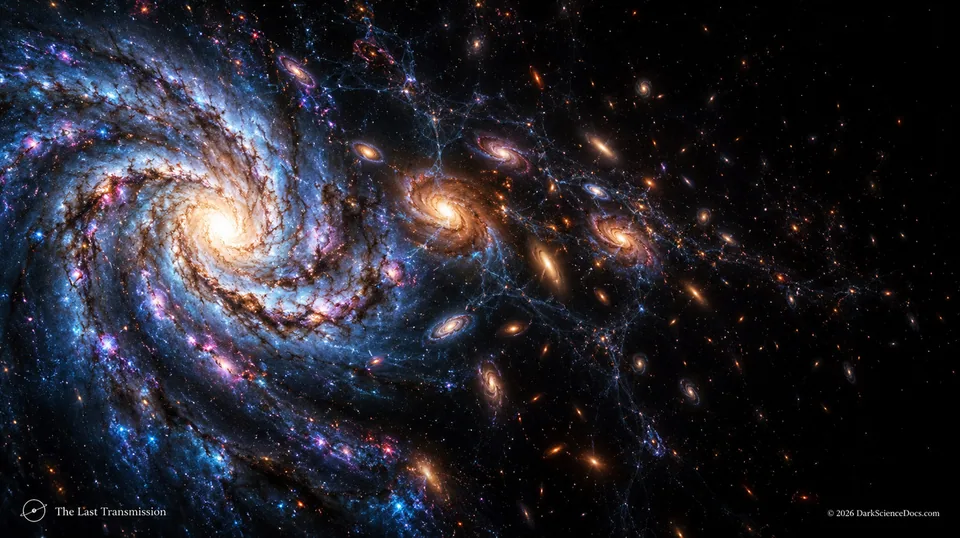
Ancient light still tells us where we came from. If cosmic acceleration continues, future astronomers could inherit a sky that conceals much of that history.
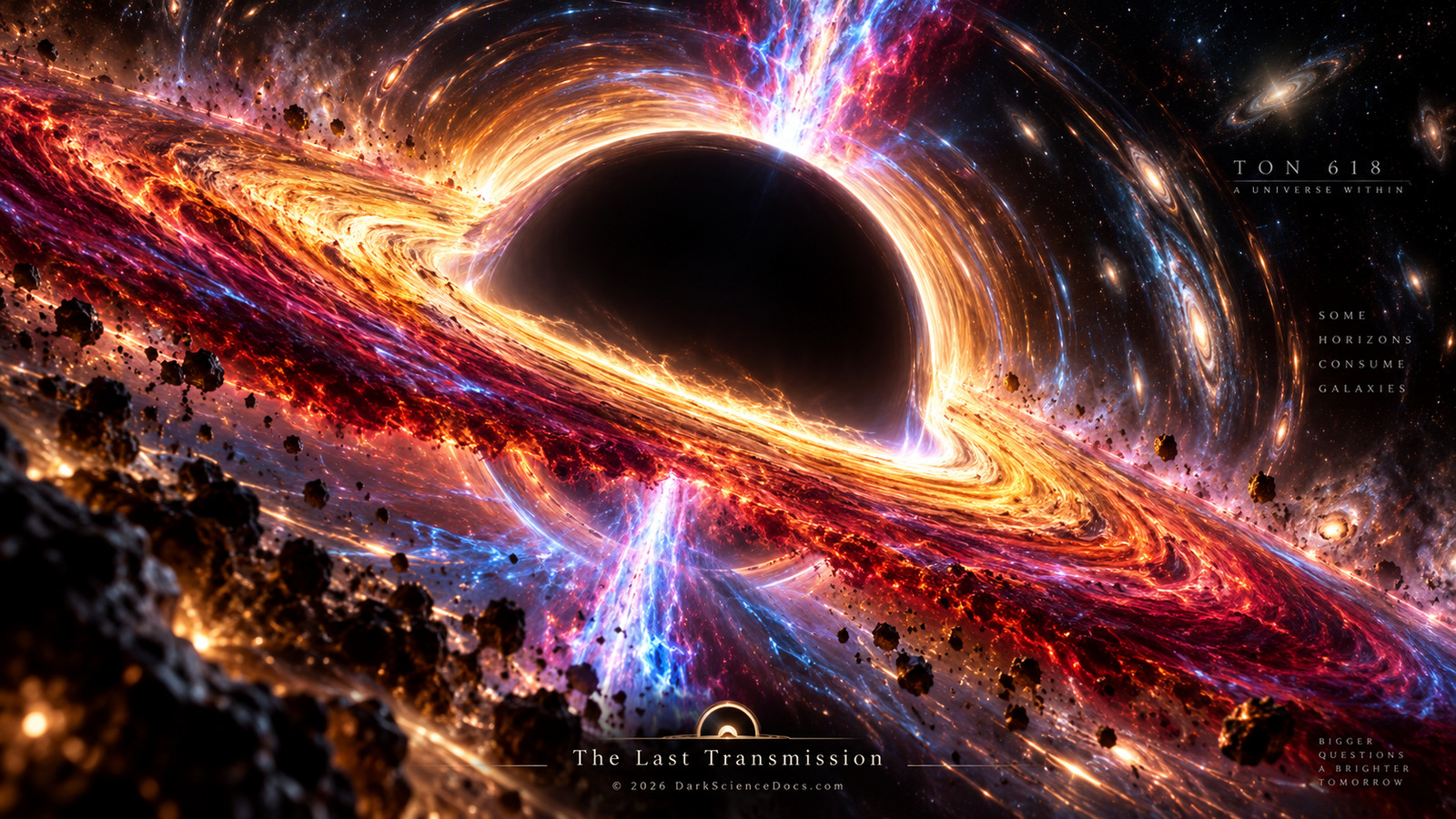
In 1957, two astronomers photographed what appeared to be an ordinary blue star. They had no idea they had recorded the light of one of the most monstrous black holes ever discovered.
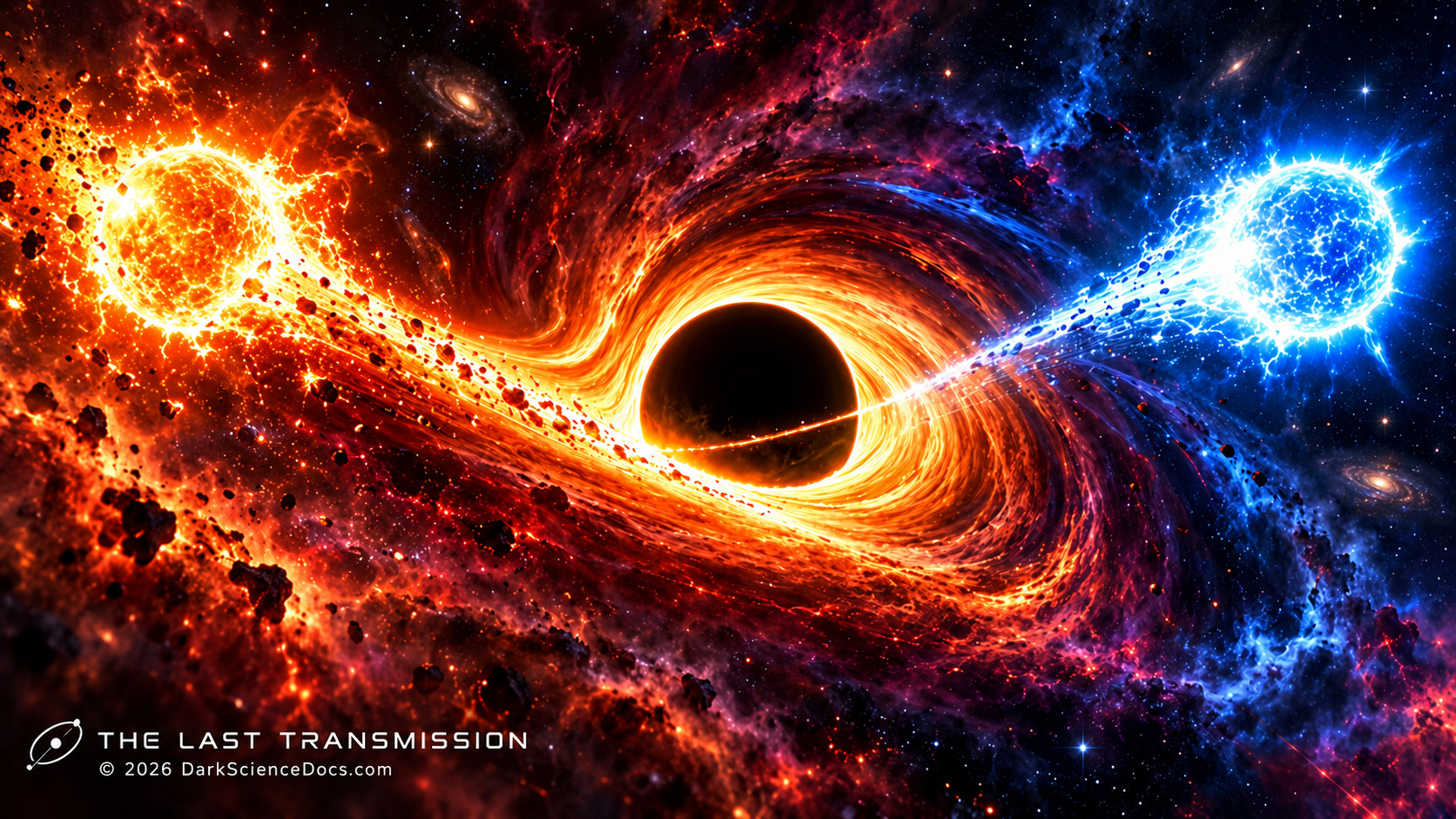
A runaway star’s motion points back to the Galactic Center, where a black hole may have broken a binary apart and sent its members toward very different futures.
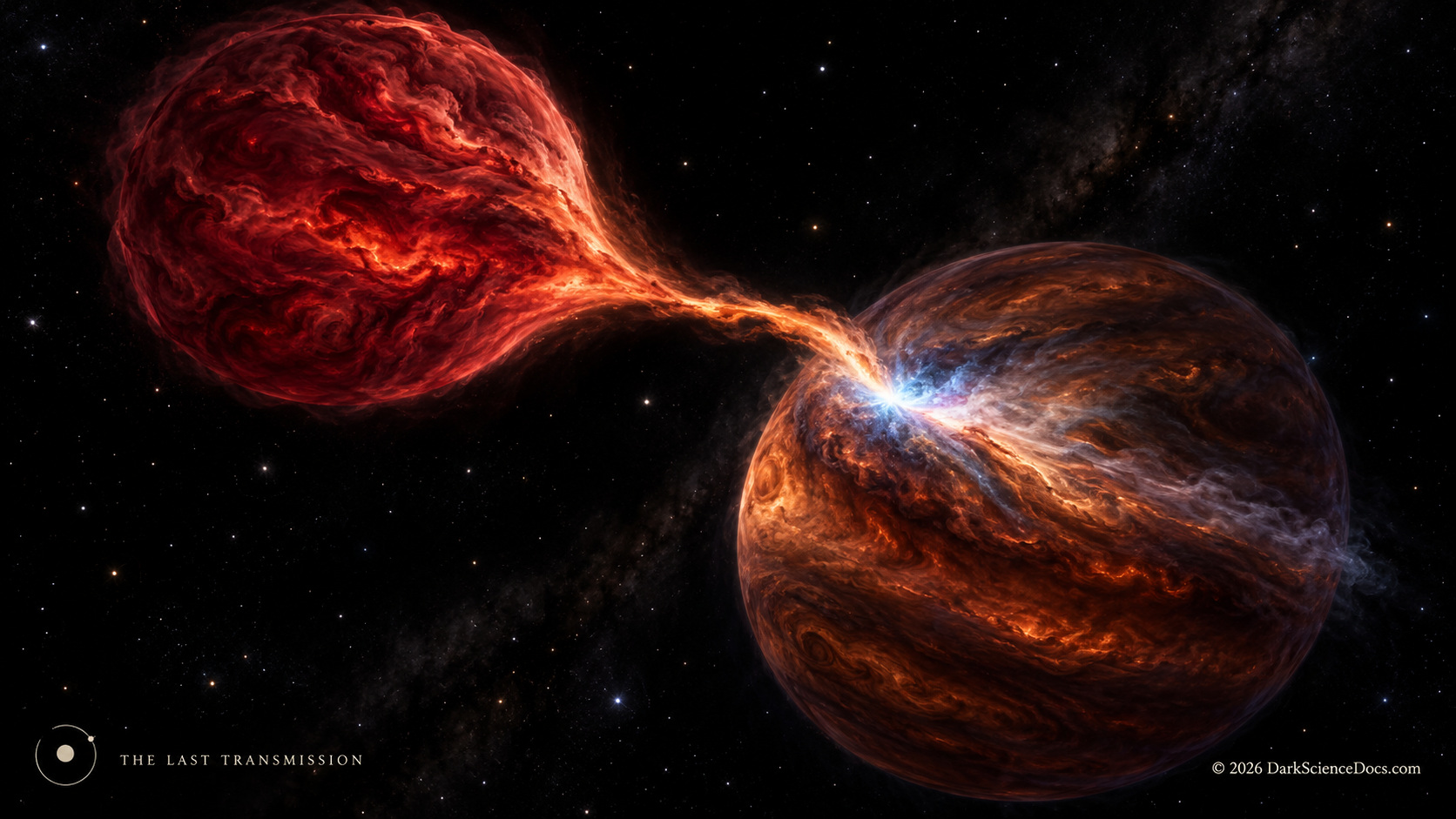
A pair of brown dwarfs circles every 57 minutes, while Webb is uncovering tiny worlds that blur the boundary between planets and stars.
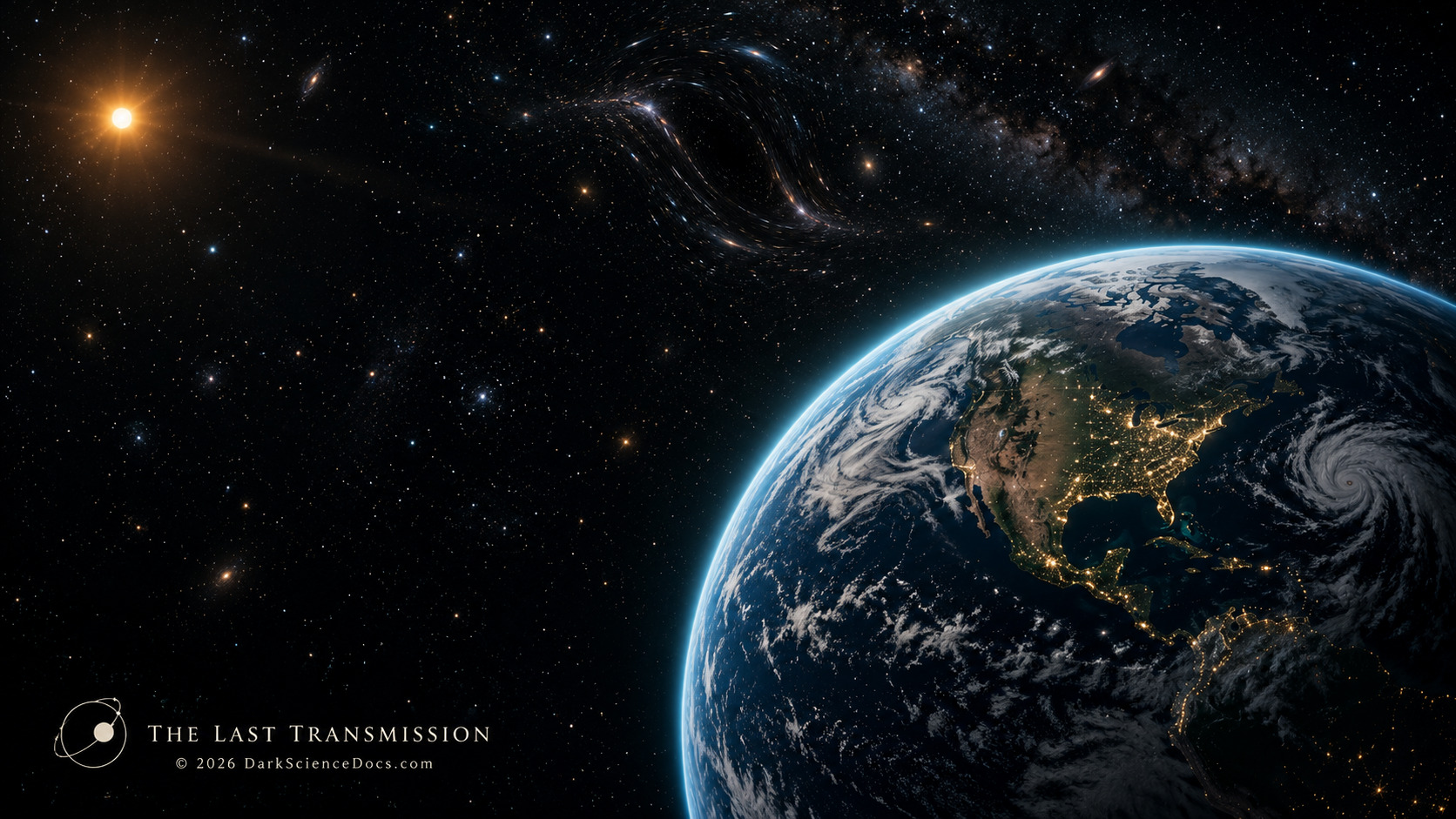
A passing stellar remnant could break the bond that makes our world habitable, while Earth itself remained outside the event horizon.
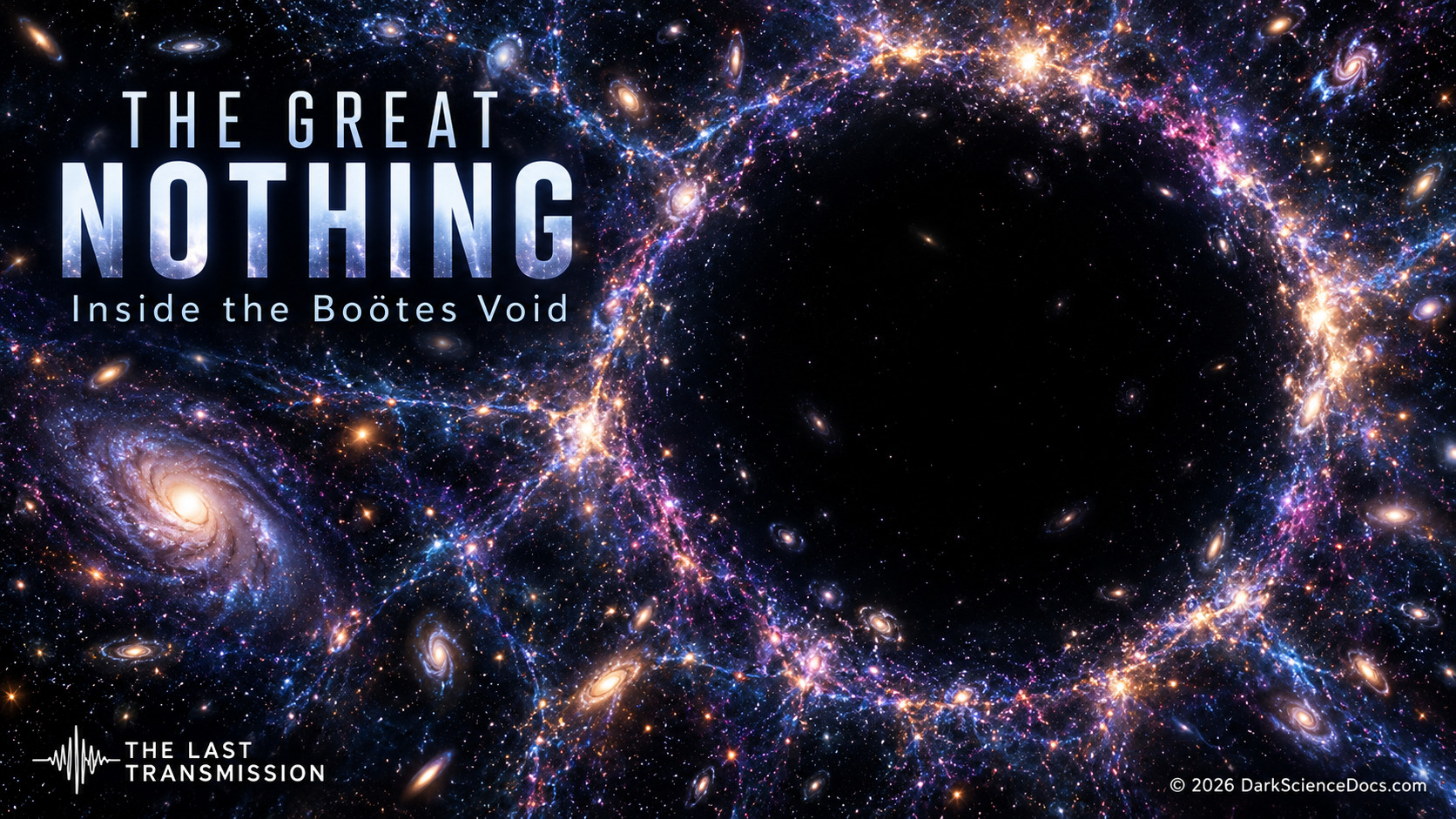
An enormous region of the universe contains remarkably few galaxies. The truly unsettling question is what the cosmos would look like if we lived inside it.
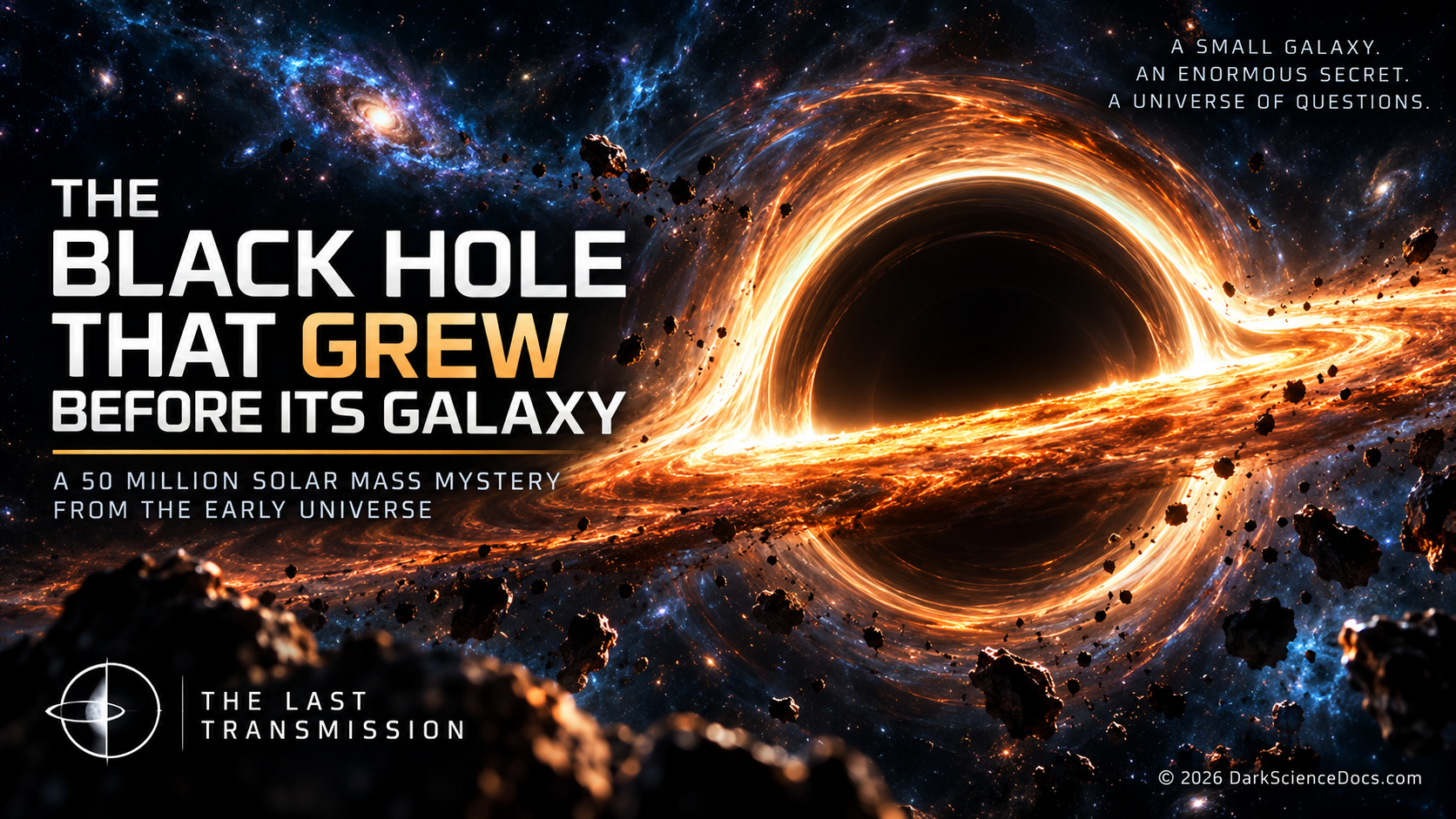
The James Webb Space Telescope has found an ancient black hole containing 50 million times the mass of our Sun, yet the stars surrounding it appear to weigh less than half as much.
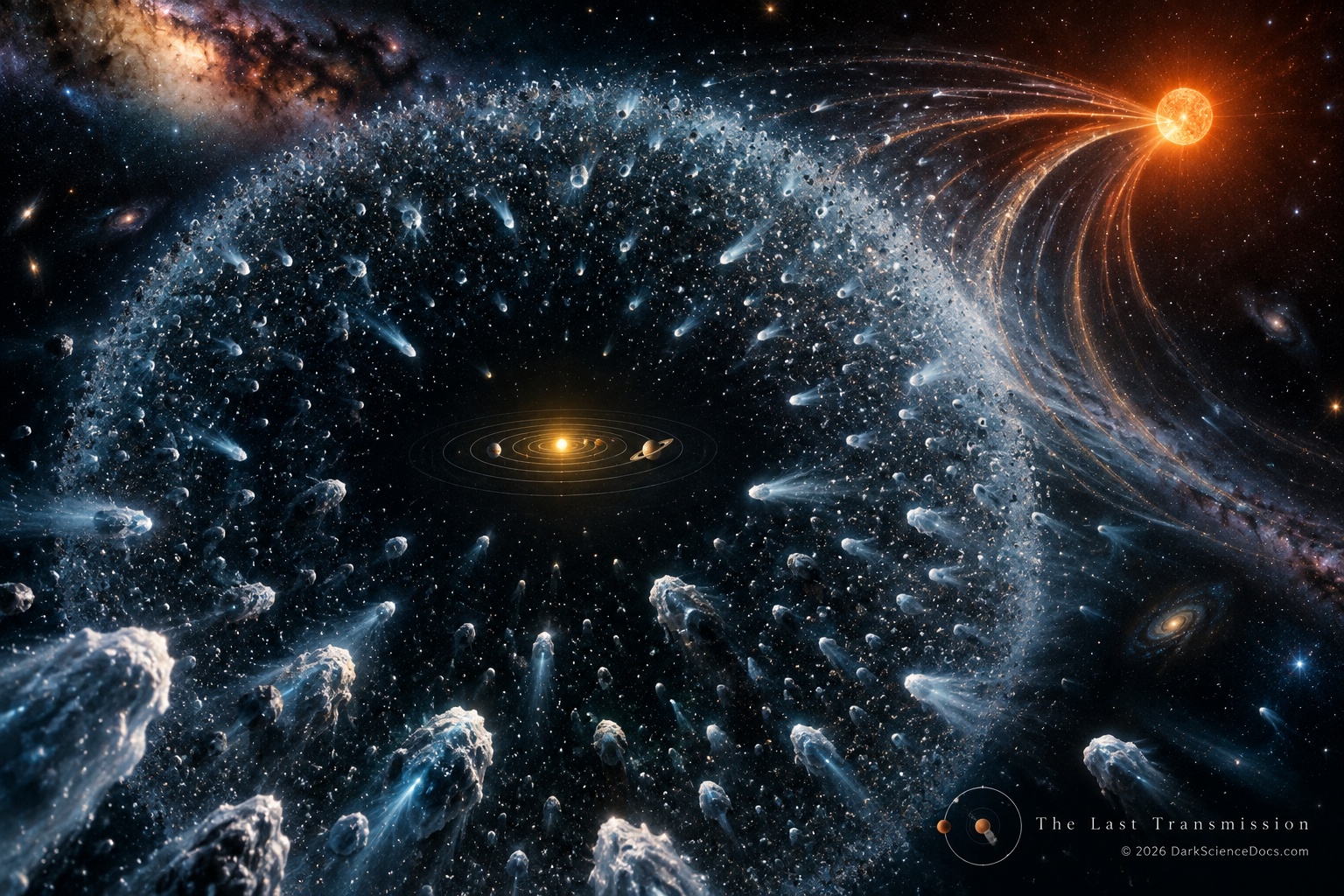
Gliese 710 will pass through our distant comet reservoir in roughly 1.3 million years. Earlier stellar visitors suggest the Solar System has never been as isolated as it feels.
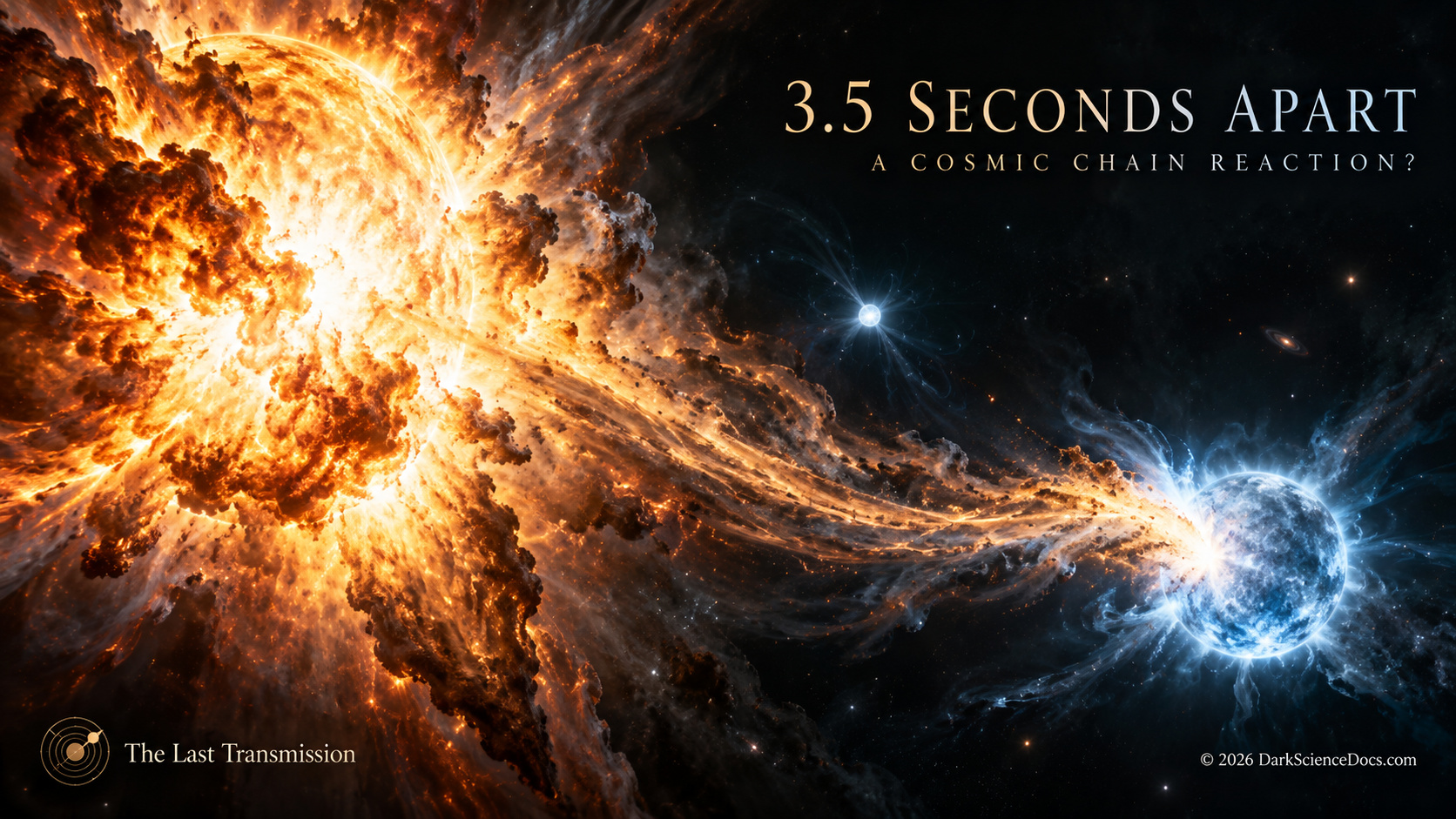
An ancient flash may preserve a cosmic chain reaction that created a pulsar and a black hole, while its strangely faint afterglow raises a different mystery.
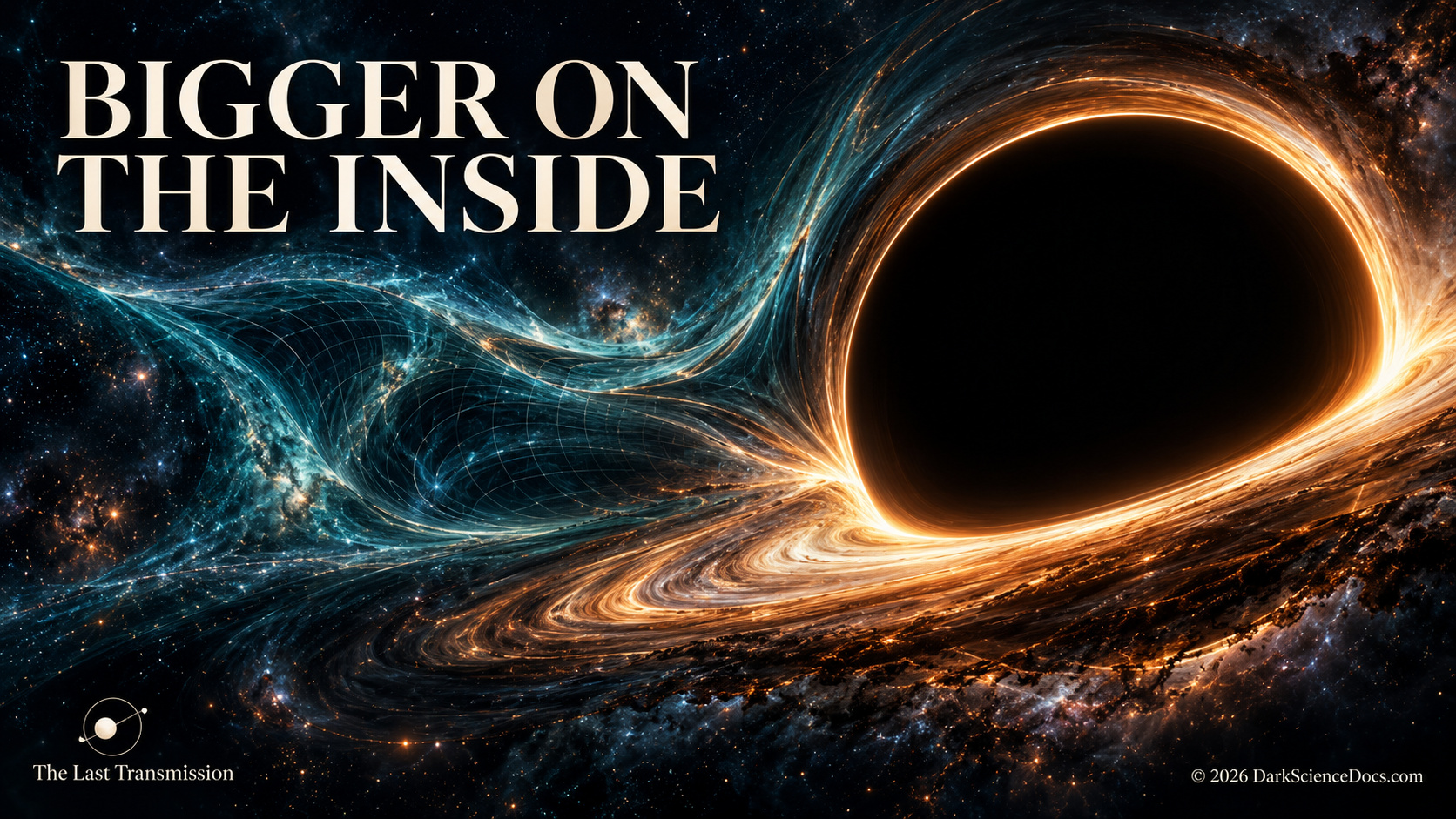
Its hidden geometry can become immense, yet every traveler still faces a future with no way back.
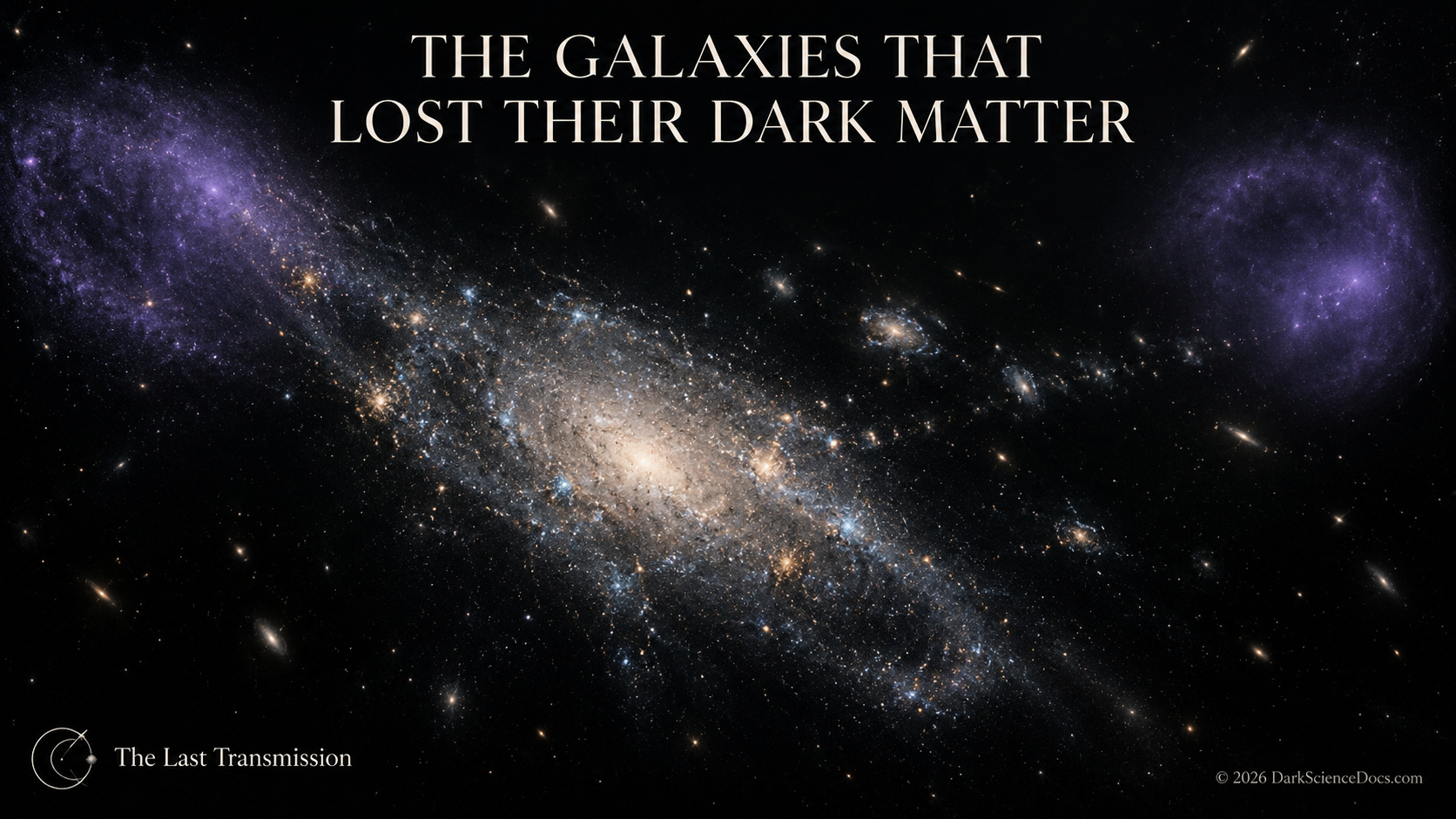
A third galaxy has joined a strange cosmic trail, strengthening the possibility that an ancient collision separated ordinary matter from the invisible mass that usually surrounds it.
The first galaxies did more than illuminate the cosmos. They burned holes through it.
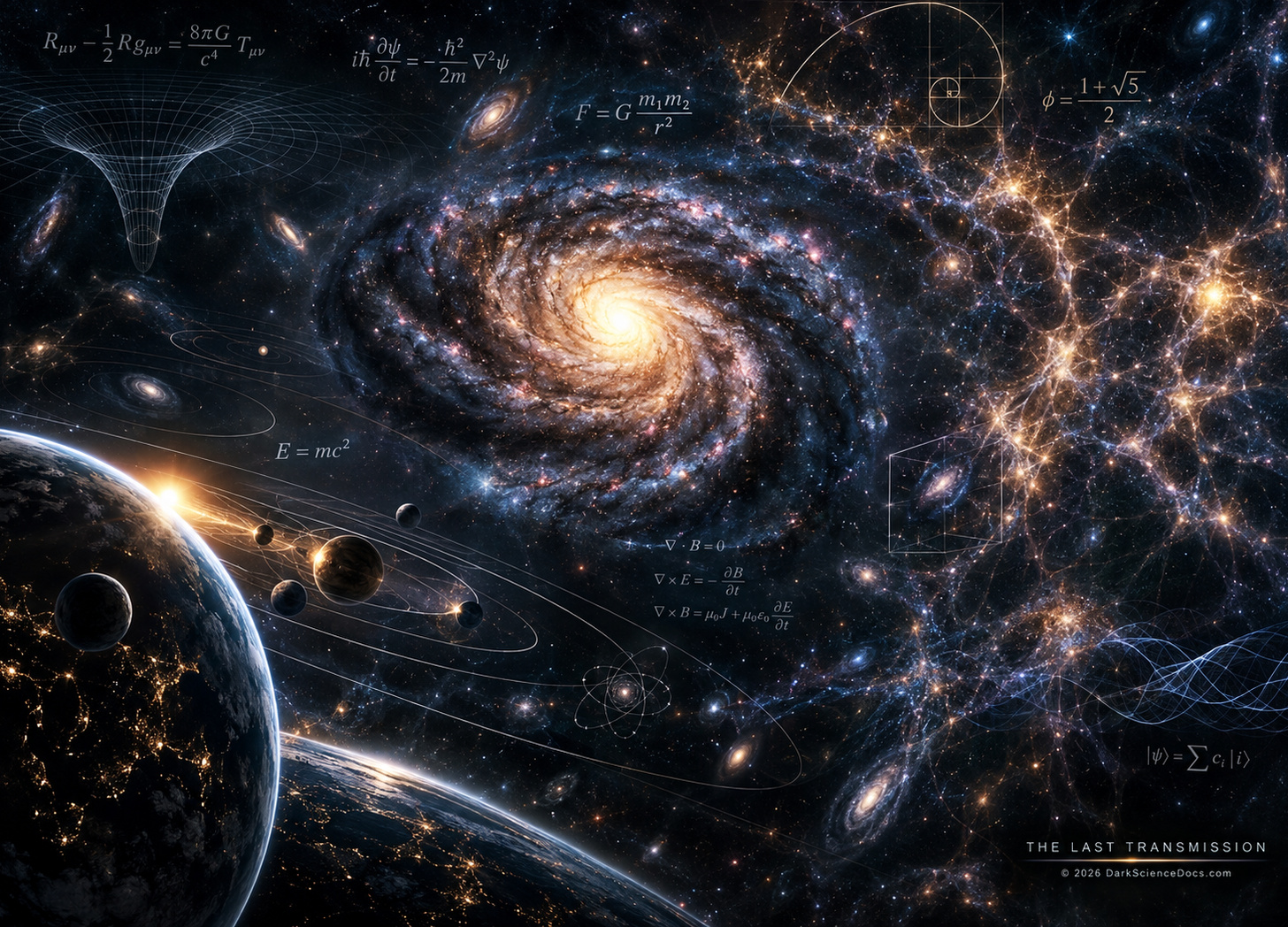
The constants are strangely hospitable, equations predict things before we discover them, and the deepest laws of nature refuse to explain where they came from.
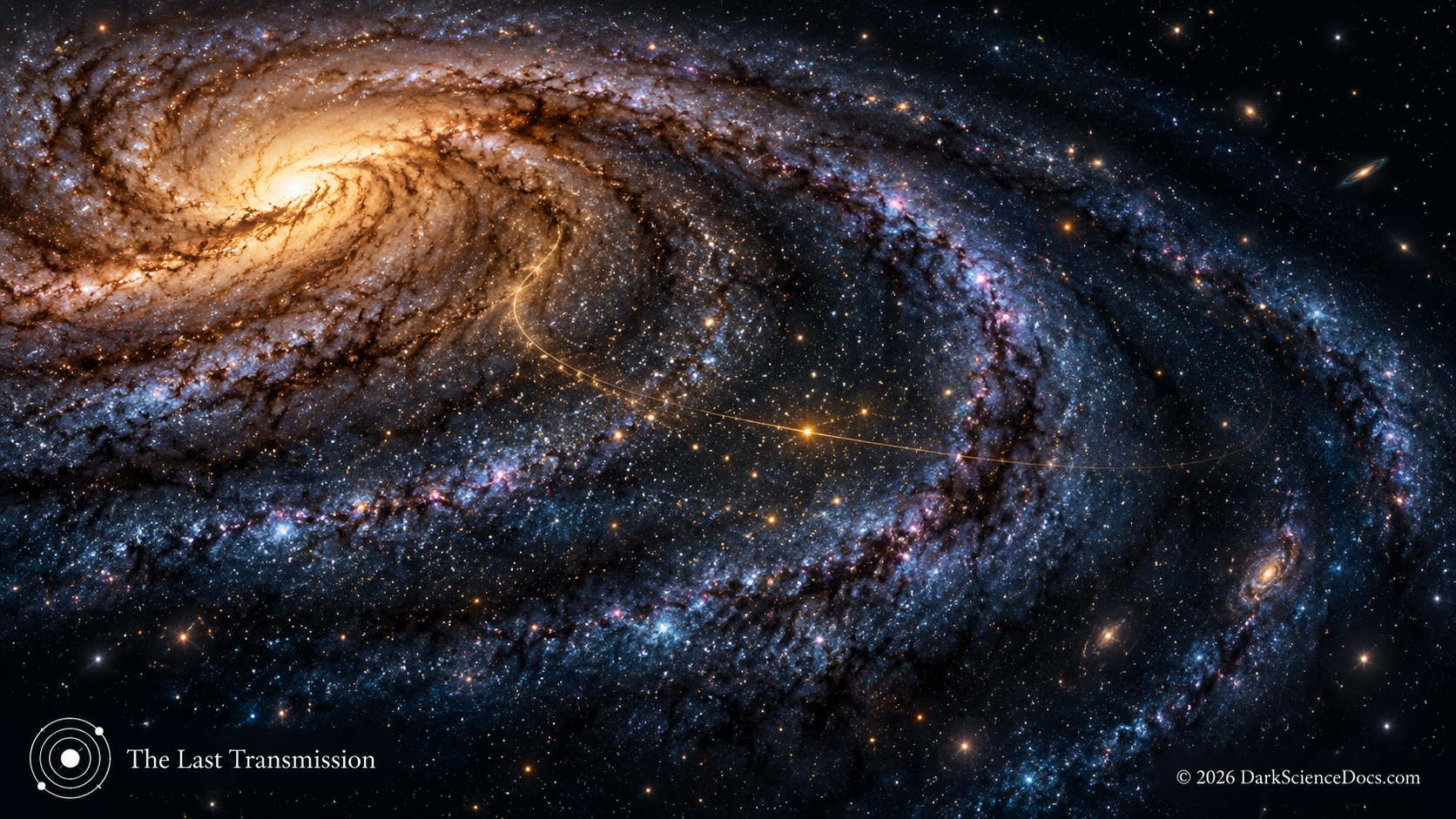
Thousands of stars that resemble our Sun are raising an unsettling possibility: the history of life may depend on a journey through the galaxy that we are only beginning to reconstruct.
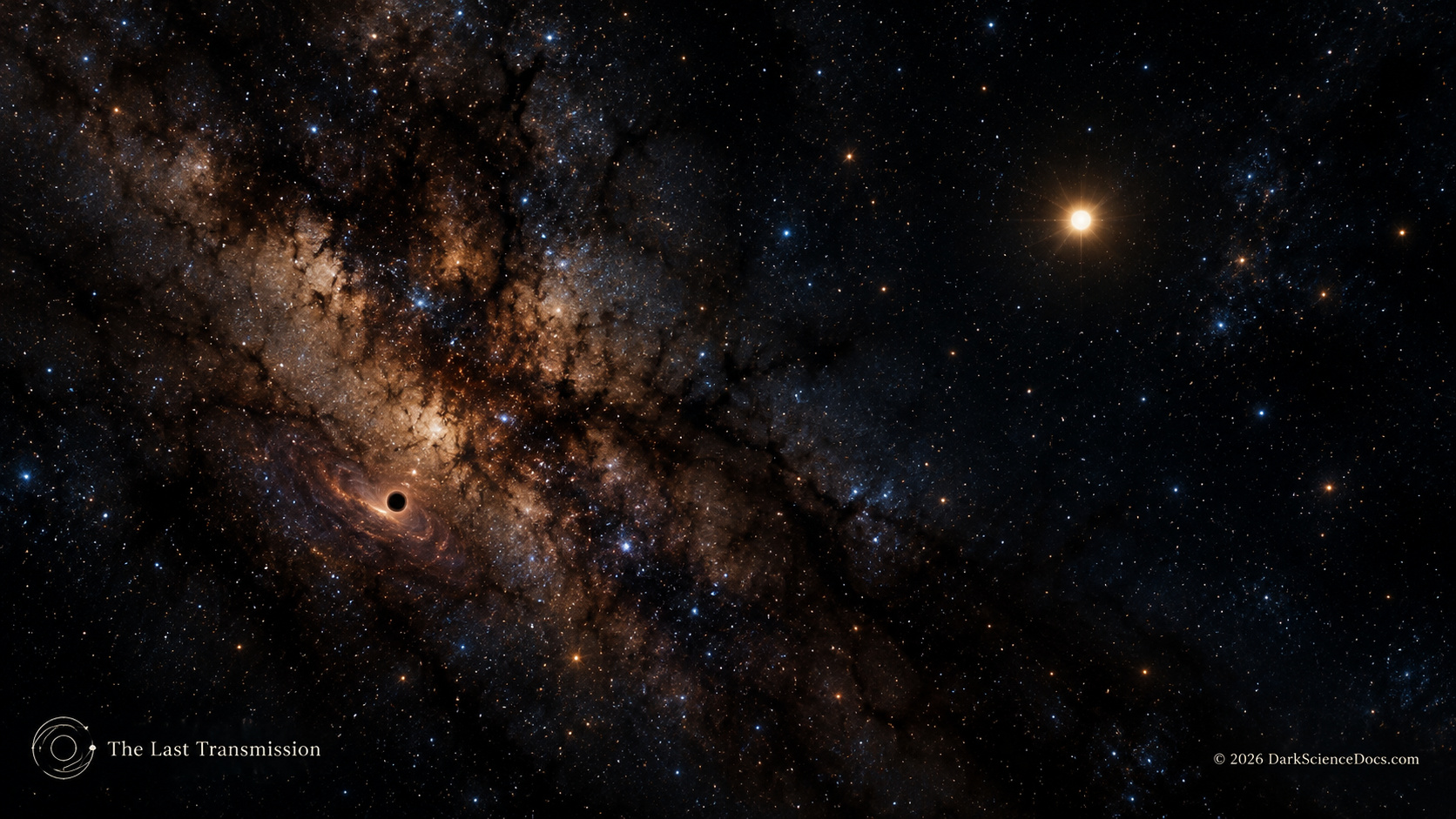
S301 may be the survivor of a shattered stellar partnership, and its extraordinary orbit could expose the hidden rotation of the Milky Way’s central black hole.
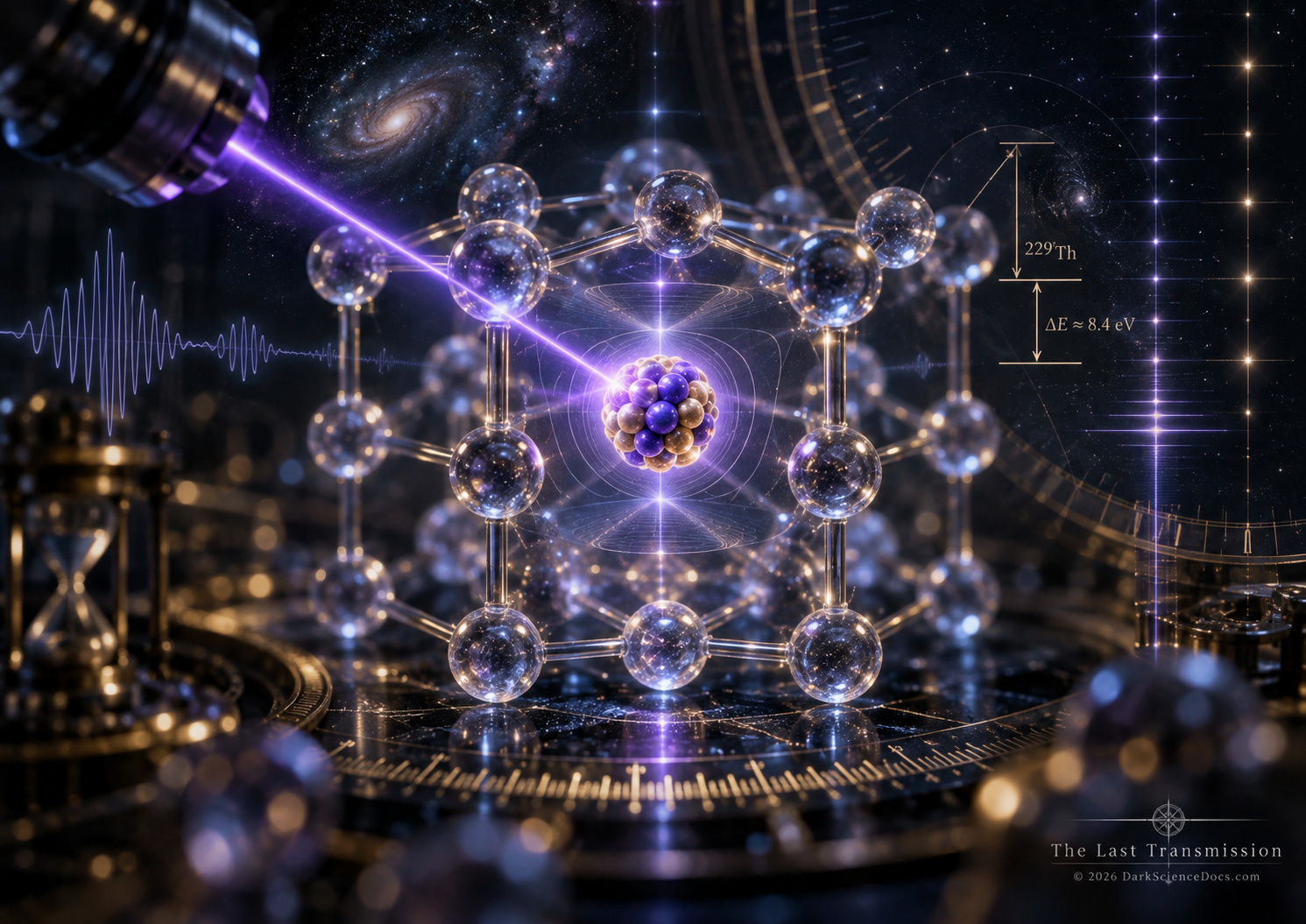
Humanity has spent centuries building better clocks. In 2026, physicists finally moved the ticking mechanism into the heart of the atom itself.
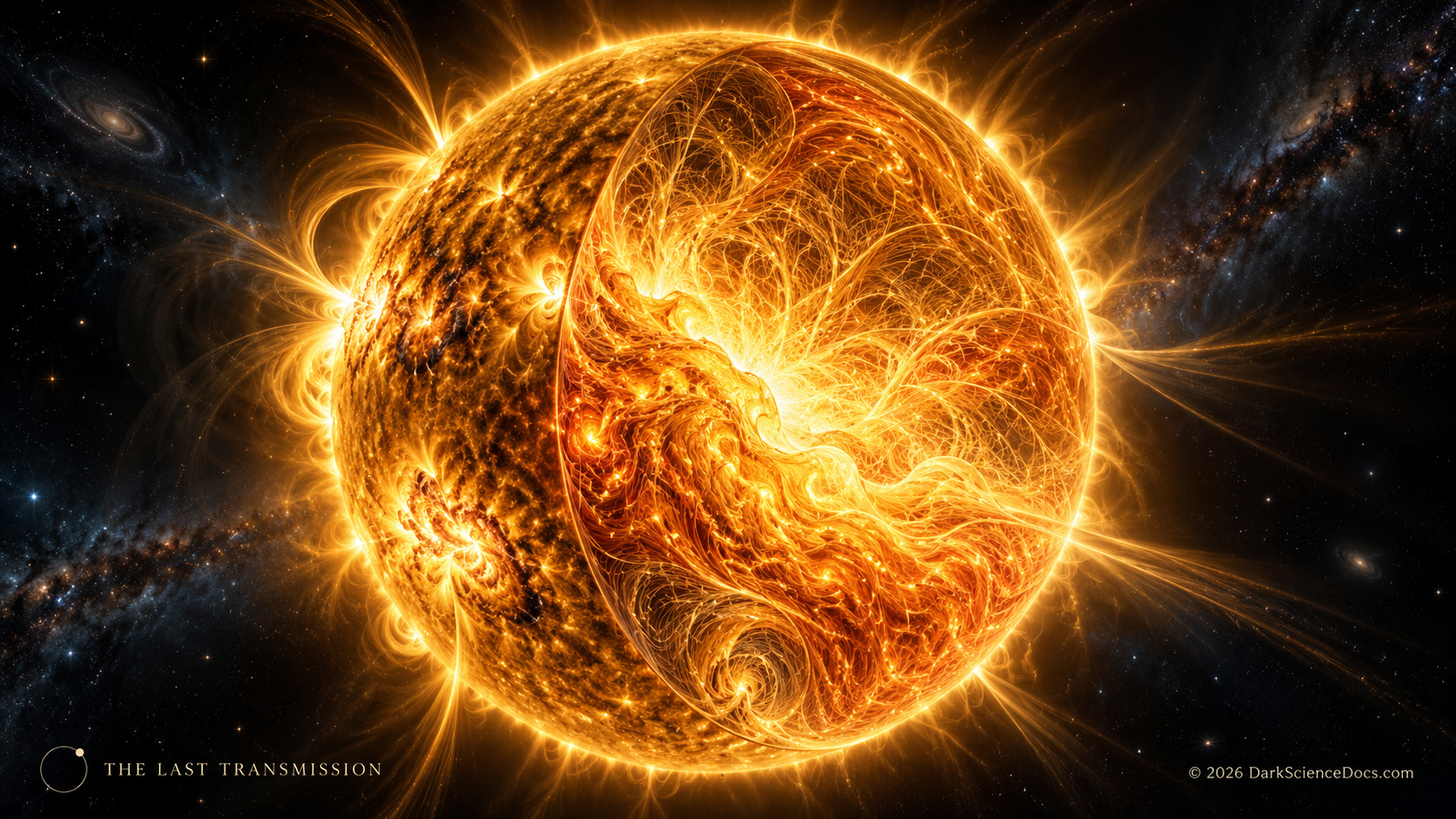
The energy warming your skin has a hidden history inside a star, where its journey outward can take longer than the entire span of recorded civilization.
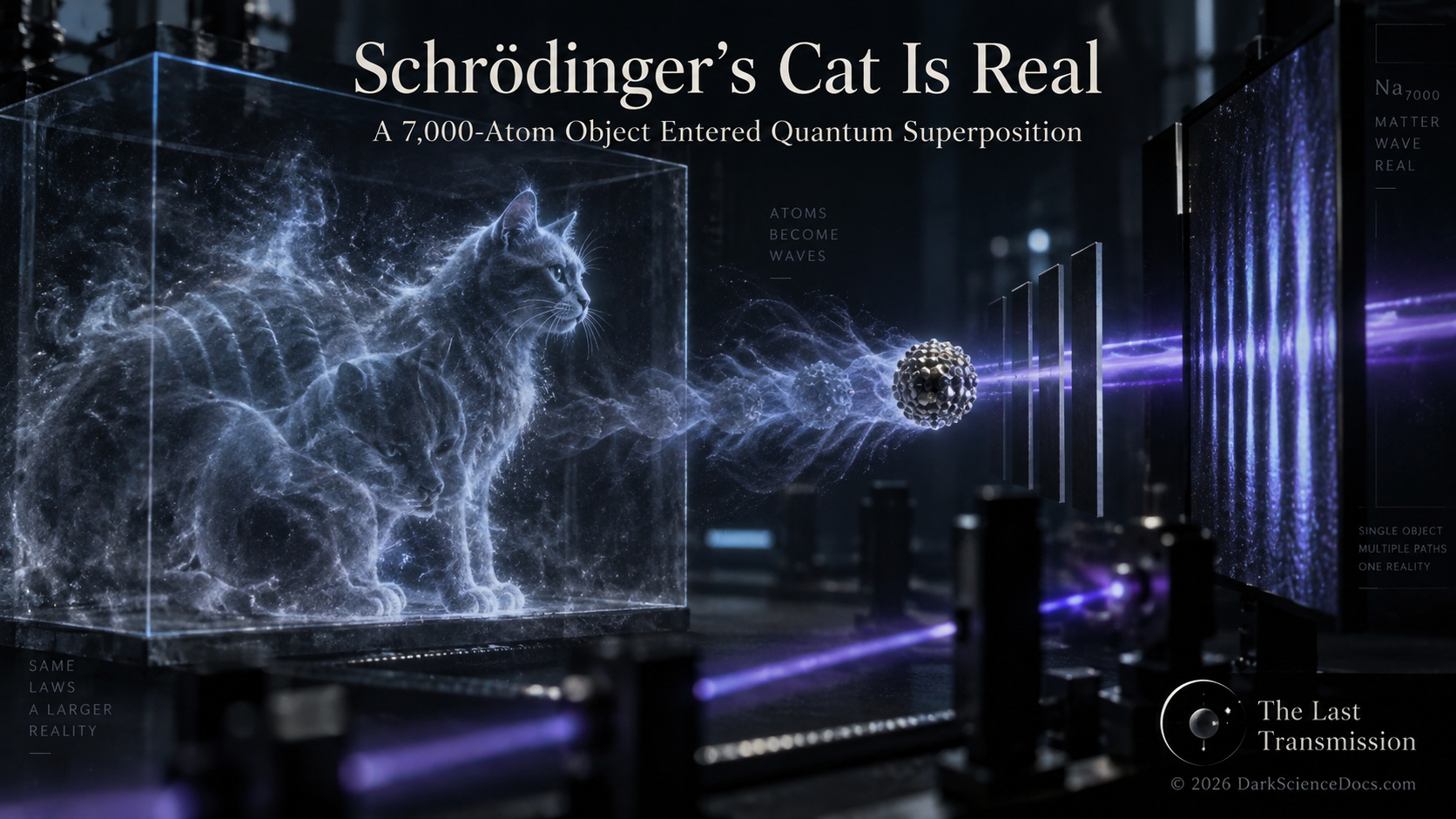
The quantum world just moved closer to ours, and physicists still cannot tell us where the boundary actually is.
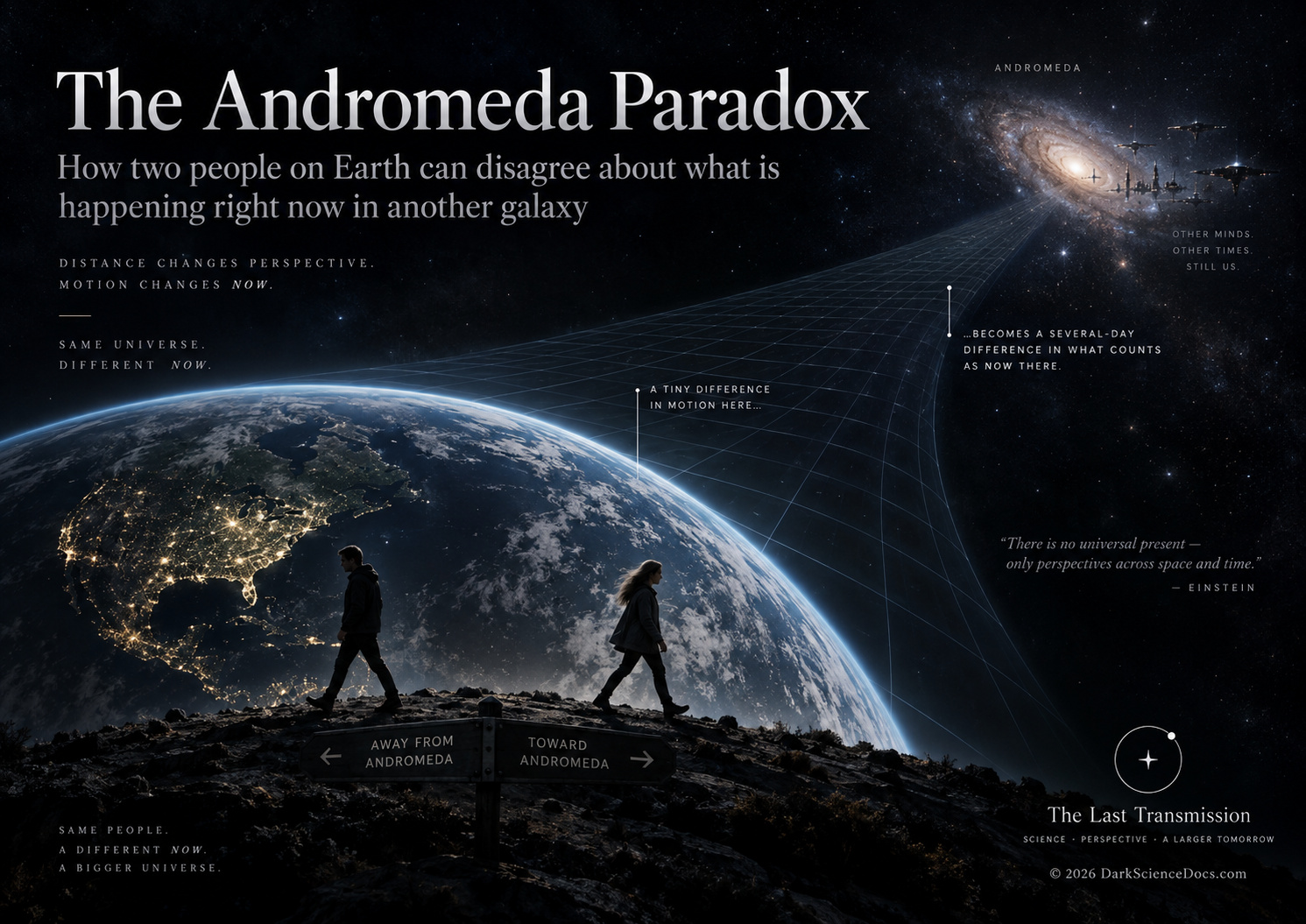
The Andromeda Paradox says two people walking past each other on Earth can disagree by days about what is happening in another galaxy, and according to relativity, both can be right.
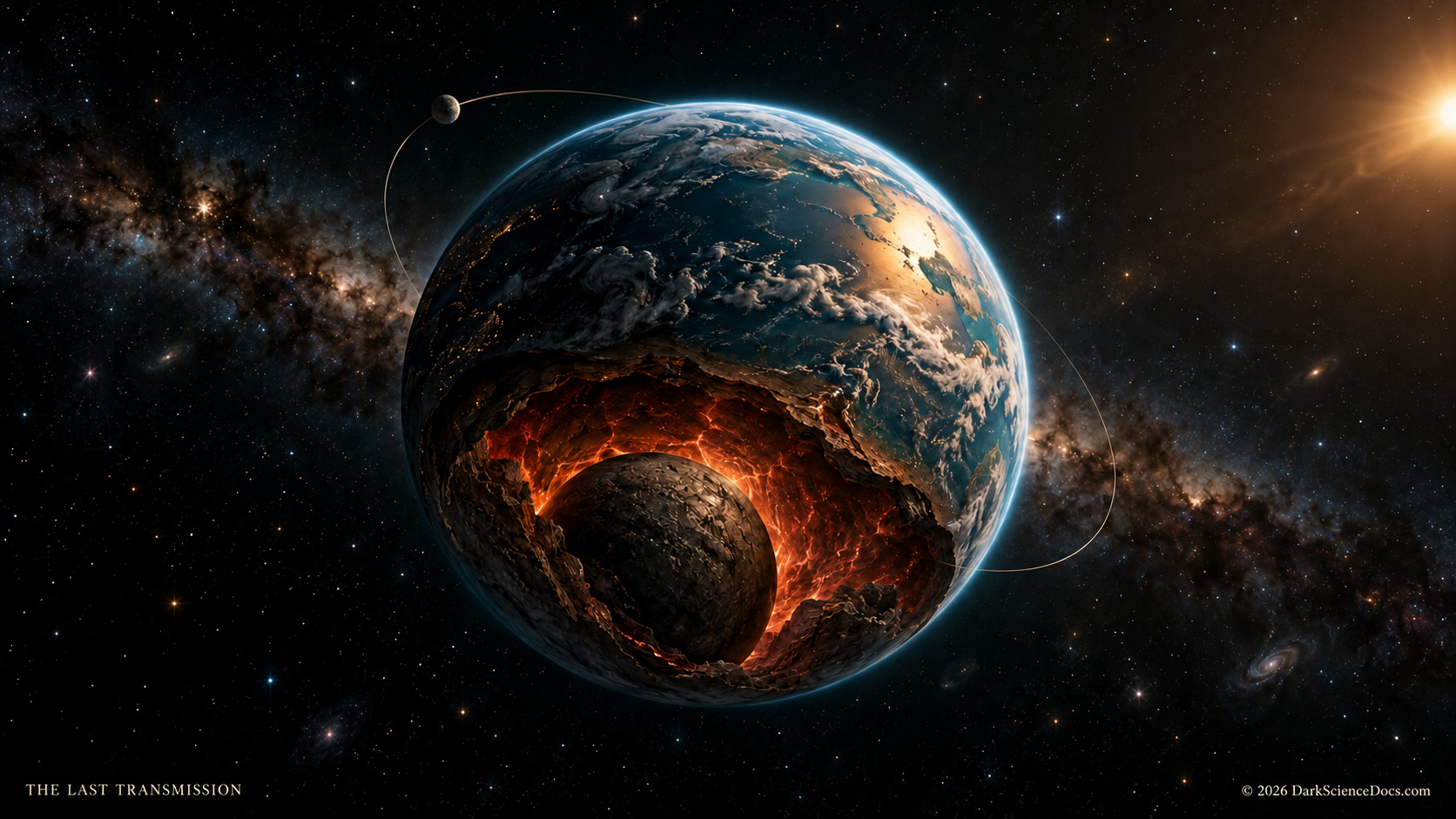
A world can receive the right amount of sunlight and still lose the machinery that keeps its climate alive.

Two frozen worlds. One missing sliver of infrared light. And a chemical story we cannot yet read.
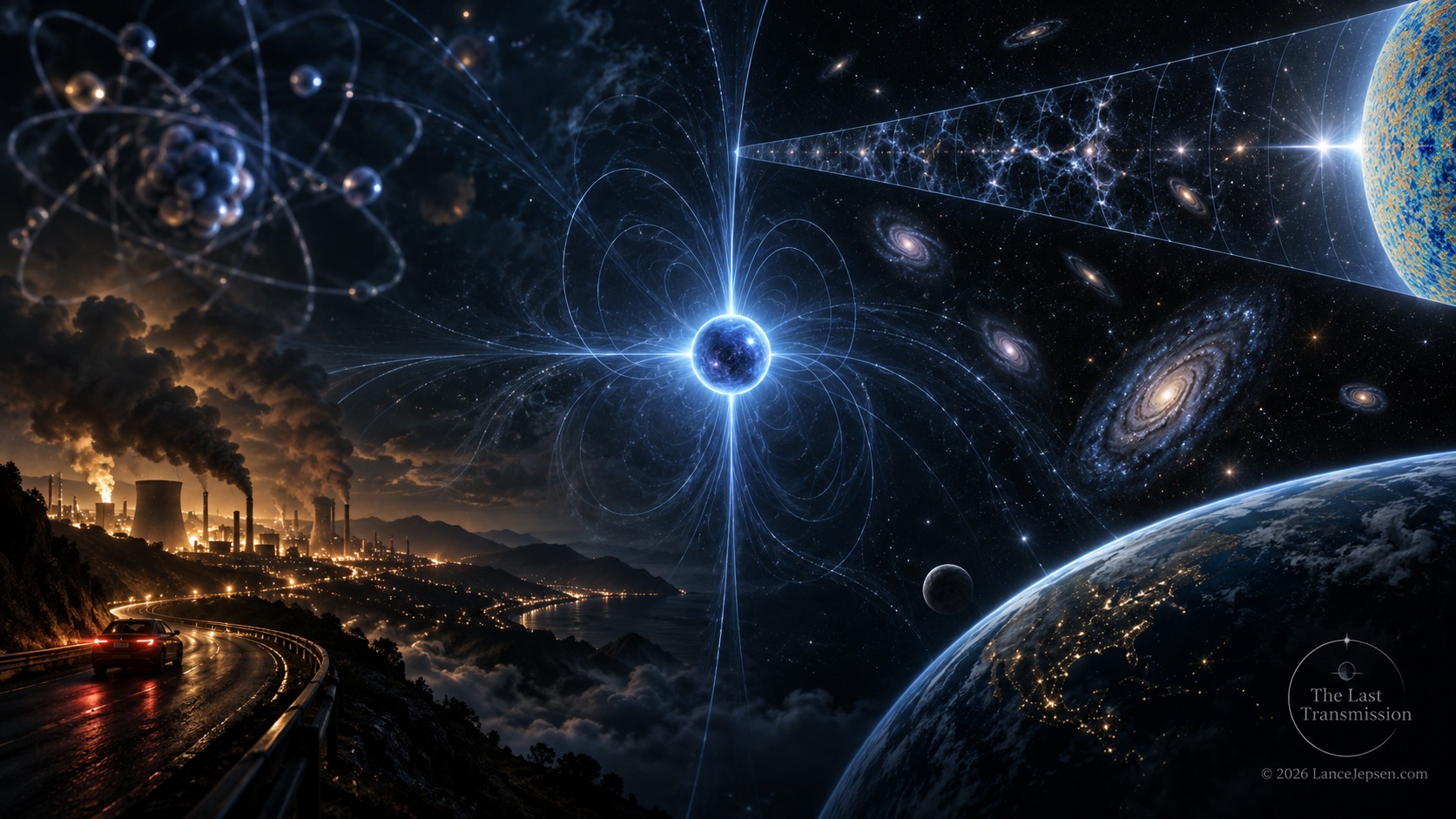
We spent a century asking what powers the electron. Physics eventually discovered that the question itself was wrong.
FROM THE VISUAL ARCHIVE
Read the investigation ↗